Storms have a talent for arriving at the exact moment your phone battery is at 12%, the pantry contains one heroic can of beans, and the flashlight has mysteriously become a toy sword. Whether you live in hurricane country, tornado alley, wildfire territory, a snowy mountain town, or a neighborhood where summer thunderstorms knock out power like it is a competitive sport, an emergency kit is not paranoia. It is practical household insurance with snacks.
A well-built emergency kit helps you stay safe, calm, and functional when normal life takes an unexpected coffee break. The goal is simple: gather the basic supplies your household may need if utilities fail, roads close, stores shut down, or help takes longer than expected to arrive. You do not need a bunker, a secret handshake, or a shopping cart full of tactical gadgets. You need the right essentials, packed in the right way, checked on a reasonable schedule, and customized for the people, pets, and medical needs in your home.
This guide breaks down seven emergency kit essentials that can help you weather the storm with more confidence and fewer “why didn’t we buy batteries?” moments. Each item is practical, widely recommended by emergency preparedness organizations, and easy to adjust for your household size, location, budget, and storm risks.
Why Every Home Needs an Emergency Kit
Severe weather can interrupt the basics fast. Heavy rain can flood roads. High winds can damage power lines. Winter storms can trap families at home. Hurricanes can force evacuations. Tornado warnings may send everyone to a safe room with only minutes to spare. In those moments, your emergency kit becomes your tiny command center.
The best emergency supply kit is easy to grab, easy to carry, and useful in more than one type of disaster. Think of it as a bridge between “everything is normal” and “services are back.” It should support drinking, eating, lighting, communication, basic medical care, hygiene, documentation, and comfort. That may sound like a lot, but when organized into seven categories, it becomes very manageable.
1. Water: The Non-Negotiable Essential
If your emergency kit has only one superstar, it is water. During storms, public water systems may be disrupted, wells may stop working without electricity, and flooding can contaminate local supplies. Clean water is needed for drinking, preparing food, basic hygiene, and sometimes caring for pets or medical equipment.
How much water should you store?
A common emergency preparedness recommendation is one gallon of water per person per day for several days. For a family of four, that means at least twelve gallons for a three-day supply. If you live in a hot climate, have infants, older adults, nursing mothers, pets, or medical needs in the household, storing extra water is a smart move.
Use commercially bottled water when possible because it is sealed, portable, and easy to rotate. Store it in a cool, dark place away from chemicals, gasoline, paint, or cleaning products. If you use your own containers, choose food-grade storage containers and label them clearly. The emergency version of “mystery liquid in the garage” is never a fun game.
2. Nonperishable Food: Fuel Without Fuss
Storm food should be simple, shelf-stable, and low-prep. In an emergency, you may not have refrigeration, a working stove, clean dishes, or the emotional energy to cook a five-step dinner while thunder shakes the windows. Choose foods that are ready to eat or require minimal preparation.
Best foods for an emergency kit
Good choices include canned tuna, chicken, beans, soups, nut butters, crackers, granola bars, trail mix, dried fruit, instant oatmeal, shelf-stable milk, protein bars, and ready-to-eat meals. Choose foods your household actually likes. A disaster is not the ideal time to discover that nobody wants the “experimental lentil loaf pouch” you bought during a clearance sale.
Do not forget a manual can opener. Canned food without a can opener is basically a metal paperweight with calories inside. Also pack disposable plates, utensils, napkins, and resealable bags. If you have babies, include formula, baby food, bottles, and any special feeding supplies. If someone has diabetes, food allergies, swallowing difficulties, or dietary restrictions, build the kit around those realities instead of generic assumptions.
3. Light and Power: Because Darkness Has Terrible Timing
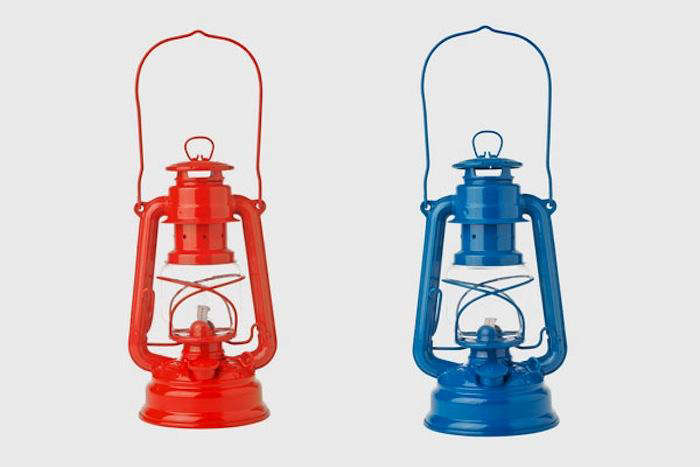
Power outages are one of the most common storm-related disruptions. A flashlight is safer than candles, especially around children, pets, wind drafts, and tired adults who are trying to find the bathroom at 2 a.m. Pack at least one flashlight per person if possible, plus a larger lantern for shared spaces.
What to include for backup power
Your kit should include flashlights, extra batteries, battery-powered lanterns, portable phone chargers, charging cables, and, if possible, a solar charger or hand-crank charger. Keep power banks charged and check them every few months. If your household uses battery-powered medical devices, hearing aids, mobility equipment, or refrigerated medication, your power plan deserves extra attention.
Label chargers and cords so you can find the right one quickly. A small pouch for cables can prevent the classic emergency kit spaghetti situation, where every cord has tied itself into a knot worthy of a sailing exam.
4. Communication Tools: Stay Informed When Wi-Fi Takes a Vacation
During severe weather, information can change quickly. Warnings, evacuation orders, shelter locations, road closures, and boil-water notices may be announced through official channels. Your phone is useful, but it should not be your only communication tool. Cell towers can become overloaded, batteries drain, and internet service can fail.
Why a weather radio matters
A battery-powered or hand-crank radio, especially one that can receive NOAA Weather Radio alerts, is one of the most valuable items in a storm kit. It allows you to receive emergency weather updates even when your usual devices are offline. Choose a model with multiple power options, such as batteries, solar charging, USB charging, and a hand crank.
Also keep a written list of emergency contacts, family phone numbers, doctors, pharmacies, insurance companies, utility providers, and local emergency management offices. In normal life, phone numbers live in your contacts. In an emergency with a dead phone, they live nowhere unless you write them down.
5. First Aid, Medication, and Health Supplies
A first aid kit helps manage minor injuries when clinics may be closed, roads may be blocked, or emergency responders are busy with life-threatening calls. At minimum, include adhesive bandages, sterile gauze, medical tape, antiseptic wipes, antibiotic ointment, tweezers, scissors, disposable gloves, a thermometer, pain relievers, allergy medication, and any supplies recommended by your healthcare provider.
Personal medical needs come first
Prescription medications, eyeglasses, contact lens supplies, hearing aid batteries, inhalers, glucose monitoring supplies, mobility aids, and copies of medical information can be just as important as bandages. Try to keep several days of essential medication available when possible, and rotate it so nothing expires unnoticed. For children, older adults, pregnant people, and anyone with chronic conditions, customize the kit carefully.
Include a small card listing allergies, medications, medical conditions, doctors, preferred hospital, and emergency contacts. If you ever need help while stressed, injured, or separated from family, that card can speak clearly when you cannot.
6. Sanitation and Personal Hygiene Supplies
Sanitation is not glamorous, but it is what keeps an emergency from becoming miserable faster than necessary. Storms can interrupt running water, trash pickup, laundry, and sewer systems. A good hygiene kit protects health and preserves a little dignity, which is no small thing when everyone is sweaty, nervous, and living by flashlight.
Hygiene items to pack
Include moist towelettes, hand sanitizer, soap, toilet paper, paper towels, toothbrushes, toothpaste, menstrual products, diapers, wipes, trash bags, plastic ties, and disinfecting wipes. Add face masks or dust masks if your area faces wildfire smoke, dust, mold cleanup, or debris. Pack a small towel, travel-size toiletries, and a few pairs of disposable gloves.
For longer outages, a basic sanitation plan matters. A bucket with a tight lid, heavy-duty trash bags, and absorbent material can become an emergency toilet if plumbing is unavailable. Nobody wants to think about this during a sunny Saturday, which is exactly why it should be handled before the storm clouds start auditioning for a disaster movie.
7. Documents, Cash, Tools, and Comfort Items
The final category is the “small things that suddenly become huge things” category. Important documents, cash, basic tools, and comfort items can make evacuation, sheltering, and recovery much easier.
Important documents to include
Store copies of identification, insurance policies, medical cards, prescriptions, bank information, property records, pet vaccination records, and emergency contacts in a waterproof pouch. You can also keep digital copies on an encrypted flash drive, but paper backups are useful when power and internet access are limited.
Useful tools for storm emergencies
Add a multi-tool, whistle, duct tape, work gloves, local maps, waterproof matches, a lighter, plastic sheeting, a wrench or pliers for utility shutoff, and a notebook with a pen. Include cash in small bills because card readers and ATMs may not work during outages.
Comfort items are not silly. They are survival support for morale. Pack a deck of cards, small games, coloring supplies, books, comfort snacks, a favorite stuffed animal for a child, or calming items for someone with sensory needs. Emergencies are stressful enough; a little normalcy can help everyone breathe.
How to Pack Your Emergency Kit the Smart Way
Use a sturdy backpack, duffel bag, rolling bin, or waterproof storage tub. Keep the kit somewhere easy to reach, not buried behind holiday decorations, old paint cans, and the treadmill nobody wants to discuss. If you may need to evacuate quickly, create smaller grab-and-go bags for each family member.
Separate your kit into clear pouches or labeled bags: water, food, medical, hygiene, power, documents, and tools. This saves time and reduces frustration when the lights are out. Tape a checklist to the lid so you can quickly see what is inside and what needs replacing.
Where to Store Emergency Supplies
Keep a main kit at home, but consider smaller kits for your vehicle and workplace. A car kit is especially helpful for winter storms, long commutes, rural roads, and evacuation routes. It can include water, snacks, a flashlight, blanket, phone charger, first aid supplies, jumper cables, ice scraper, gloves, and a reflective warning triangle.
At work, a small kit with walking shoes, water, snacks, medication, a charger, and a flashlight can help if public transportation stops or roads are blocked. Preparedness is not about expecting the worst every day. It is about giving future-you fewer problems to solve under pressure.
Emergency Kit Maintenance: The Twice-a-Year Rule
An emergency kit is not a museum exhibit. It needs maintenance. Check it at least twice a year, such as when daylight saving time changes or at the start of storm season. Replace expired food, water, batteries, medications, and first aid items. Recharge power banks. Update documents and emergency contacts. Make sure children’s clothing, diapers, pet food, and medical supplies still match current needs.
A neglected emergency kit can create false confidence. Finding expired crackers, corroded batteries, and a flashlight that flickers like a haunted house prop is not the preparedness vibe we are aiming for.
Special Considerations for Families, Pets, and Medical Needs
No two households are exactly alike, so no two emergency kits should be identical. Families with infants need diapers, wipes, formula, bottles, baby food, and comfort items. Pet owners need food, water, leashes, carriers, bowls, medications, waste bags, and vaccination records. People with medical conditions may need backup power, refrigeration plans, mobility equipment, special foods, or extra caregiver instructions.
Think through a normal day in your household. What does each person use before breakfast, during work or school, at bedtime, and during medical care? Those daily-use items are clues for what belongs in your kit. Preparedness becomes much easier when it is based on real life instead of a generic checklist written for imaginary people who apparently survive on granola bars and optimism.
Common Emergency Kit Mistakes to Avoid
Buying supplies nobody knows how to use
A fancy multi-tool is helpful only if someone can open it without needing a second multi-tool. Practice using your radio, lantern, power bank, water filter, and utility shutoff tool before an emergency.
Forgetting the manual can opener
This tiny item deserves its own applause. If your food plan includes cans, your kit needs a manual opener. Pack two if your household has a history of losing things in plain sight.
Relying only on your phone
Phones are excellent, but storms are rude. Have written contacts, paper maps, a weather radio, and backup charging options.
Ignoring pets
Pets need food, water, medication, identification, and safe transport. A scared animal during a storm can bolt, hide, or refuse to cooperate with your perfectly reasonable evacuation timeline.
of Practical Experience: What Storms Teach You About Preparedness
The first lesson storms teach is that convenience disappears before danger does. You may still be safe at home, but the power is out, the refrigerator is warming, the garage door will not open automatically, and everyone suddenly wants dinner. That is when an emergency kit stops being a boring box and becomes the most popular member of the household.
One useful experience is learning how quickly small problems stack up. A flashlight without batteries is not one problem; it becomes five. You cannot find the breaker panel. Someone trips over a chair. The dog starts barking. A child gets scared because the house is dark. A simple lantern in the hallway can calm the whole scene. Preparedness often works like that: it does not make the storm vanish, but it lowers the drama level.
Another real-world lesson is that food should be familiar. During stressful weather, people rarely want strange survival meals with names that sound like science experiments. They want peanut butter, crackers, soup, fruit cups, granola bars, jerky, cereal, or whatever feels normal. A smart emergency kit includes comfort as well as calories. For kids, that might mean a favorite snack. For adults, it might mean instant coffee. Never underestimate the peacekeeping power of coffee during a power outage.
Storms also reveal how much we depend on digital memory. Many people do not know phone numbers anymore. They know names in a contact list. If the phone dies, the list disappears. Writing down contacts may feel old-fashioned, but paper does not need a charger. The same applies to printed insurance details, medication lists, and evacuation addresses. In a rushed moment, paper can be wonderfully stubborn and useful.
Maintenance is another experience people learn the hard way. Emergency kits age quietly. Kids outgrow clothes. Pets change food. Batteries leak. Medications expire. Documents become outdated. The kit that was perfect three years ago may now be a time capsule with stale crackers. A twice-a-year checkup keeps the kit alive and relevant. Pair it with another household habit, such as changing smoke alarm batteries or reviewing insurance coverage.
Finally, storms teach that preparedness is emotional, not just practical. A good kit gives people something to do before fear takes over. Instead of scrambling, you can say, “Grab the blue bag,” “Turn on the weather radio,” or “Check the water supply.” Clear actions reduce panic. That matters for adults, children, older relatives, and neighbors. The real value of an emergency kit is not just the stuff inside. It is the confidence that your household has thought ahead, practiced a little, and made the next hard hour easier to handle.
Conclusion: Build the Kit Before the Forecast Gets Scary
An emergency kit does not need to be perfect on day one. Start with water, food, light, communication, first aid, hygiene, and essential documents. Then customize it for your climate, household size, health needs, pets, and evacuation plans. Add supplies gradually if budget is a concern. Even a basic kit is better than a heroic last-minute dash through crowded store aisles while everyone else is also hunting for batteries and bottled water.
Preparedness is not about fear. It is about reducing avoidable stress. When the sky turns dramatic, the alerts start buzzing, and the lights flicker, you will be glad your emergency kit is ready. Future-you may even be impressed. Slightly smug, perhaps, but impressively hydrated.