Fiber is the nutritional equivalent of that friend who quietly keeps your life together: it doesn’t demand attention,
but when it’s missing, everything gets a little… chaotic. Bathroom routines turn unpredictable. Snacks start calling
your name 45 minutes after lunch. Your gut feels like it’s staging a protest.
Doctors see the ripple effects of low fiber all the timebecause fiber isn’t just about “staying regular.”
It supports healthy digestion, steadier blood sugar, and better cholesterol numbers. The tricky part?
Most people don’t realize they’re falling short until their body starts leaving strongly worded sticky notes.
Below are seven common, MD-approved signs you may not be eating enough fiberplus practical ways to fix it
without turning your stomach into a balloon animal.
Quick Fiber Refresher: What It Does and How Much You Need
What fiber actually is
Dietary fiber is a type of carbohydrate found in plant foods that your body can’t fully digest. Instead of being broken
down like other carbs, fiber moves through your digestive system doing important work along the way.
Soluble vs. insoluble (you need both)
-
Soluble fiber dissolves in water and forms a gel-like texture. It helps slow digestion, supports steadier
blood sugar after meals, and can help lower LDL (“bad”) cholesterol. -
Insoluble fiber doesn’t dissolve in water. It adds bulk to stool and helps food move through the gut,
which can reduce constipation and straining.
How much fiber should you aim for?
Many medical and nutrition guidelines land in the same neighborhood: most adult women need around
25 grams per day, and most adult men around 38 grams per day (needs vary with age, calories,
and health conditions). On a standard Nutrition Facts label, the Daily Value is often listed as 28 grams
per day for a 2,000-calorie diet.
Translation: if you’re averaging “some lettuce on a sandwich” and calling it a day, your body may file a complaint.
Sign #1: You’re Constipated (or Your Bathroom Schedule Is “Random”)
If bowel movements are infrequent, difficult, or feel incomplete, low fiber may be part of the story.
Doctors often start with the basics: enough fiber, enough fluids, and enough movement.
Why low fiber can cause constipation
Insoluble fiber adds bulk and helps move stool through the colon. Soluble fiber helps hold onto water, which can soften
stool. When you’re low on fiber, stool may become smaller, harder, and slower to passlike rush hour traffic but for
your intestines.
What helps (without overcorrecting)
- Add fiber gradually (more on that below).
- Pair fiber with fluidsfiber works best when it can absorb water.
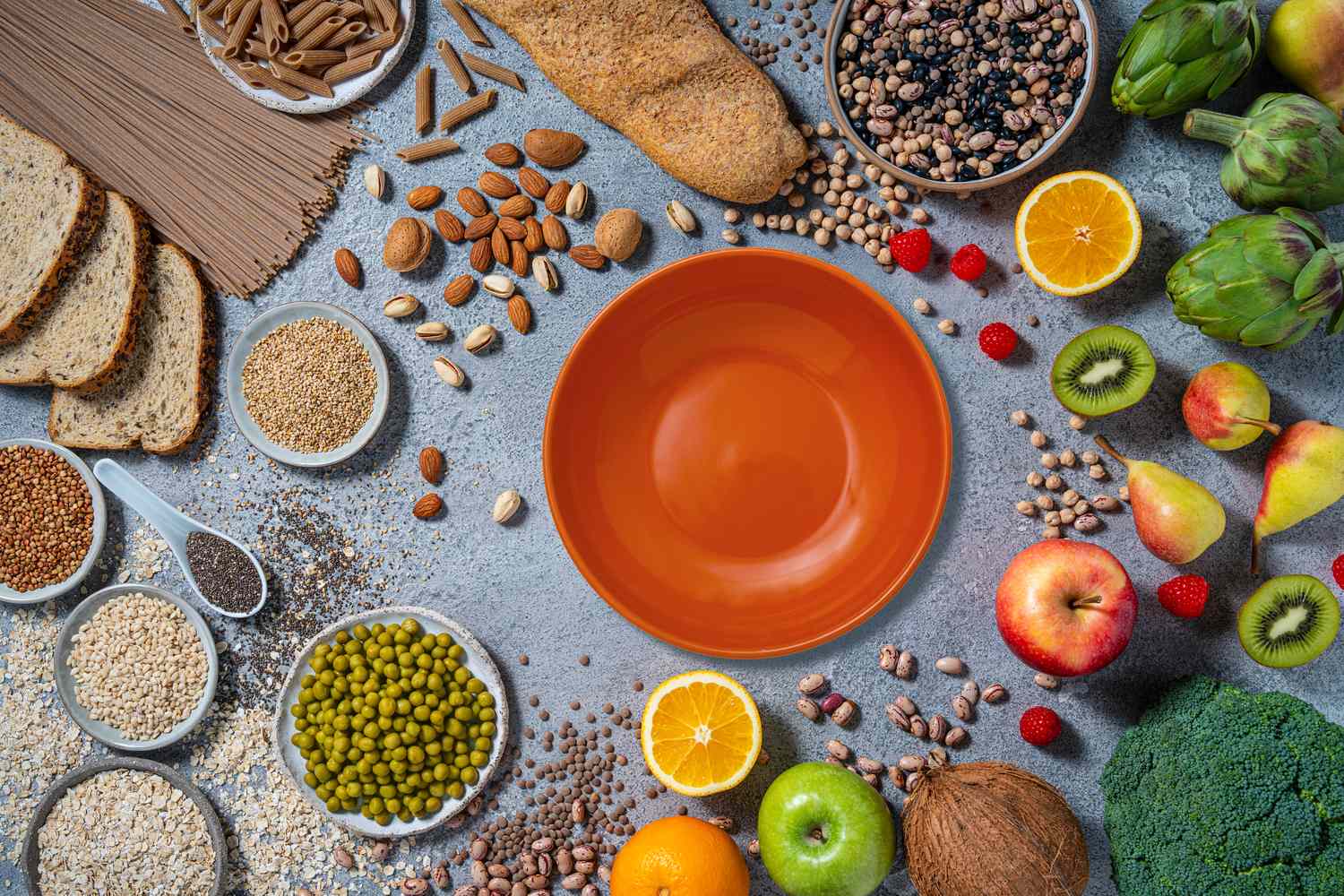
- Build meals around plants: beans, lentils, oats, berries, apples, pears, vegetables, nuts, seeds, and whole grains.
Sign #2: Your Stool Is Hard, Pebbly, or You Have to Strain
Even if you go “every day,” the quality of that experience matters. Hard, dry, pellet-like stool and straining
are classic clues that your diet may be lacking fiber and/or fluids.
Why doctors care about straining
Straining isn’t just uncomfortableit can contribute to issues like hemorrhoids and anal fissures, and it’s a sign
your gut is working harder than it should. Fiber helps stool hold moisture and bulk, making it easier to pass.
Try this simple upgrade
Keep your usual meals, but “fiber-ify” them:
swap white bread for whole grain, add chia or ground flax to yogurt, toss a handful of beans into soup,
or add berries to breakfast. Small changes add up fast.
Sign #3: Hemorrhoids Keep Showing Up (or Flare Up)
Hemorrhoids are swollen veins in or around the rectum and anus, and they can be itchy, painful, and sometimes bleed.
Doctors often recommend fiber as part of first-line lifestyle strategiesbecause fiber can make stools softer and
reduce straining.
Why low fiber can make hemorrhoids worse
When stool is hard and you strain, pressure increases in the rectal veins. More pressure can mean more irritation and
more flare-ups. A higher-fiber diet supports easier bowel movements, which can take some stress off those veins.
When to get checked
If you notice blood in the stool or on toilet paper, don’t assume it’s “just hemorrhoids.” It’s worth checking in with
a clinician to rule out other causesespecially if bleeding is persistent, you have unexplained weight loss, or you’re
anemic or unusually fatigued.
Sign #4: You’re Hungry Again Soon After Eating
You ate lunch. It was a real lunch. You even had “a vegetable.” And yet… your stomach is auditioning for a food
commercial an hour later. Low fiber meals can do that.
What fiber does for fullness
Soluble fiber forms a gel that slows digestion. Slower digestion can mean more stable fullness cues and less sudden
hunger. Fiber-rich foods also often require more chewing and tend to be less calorie-dense than ultra-processed snacks,
which helps you feel satisfied without needing a second lunch at 3 p.m.
Easy “stay full longer” combos
- Oats + berries + nuts (fiber + healthy fats + staying power)
- Apple + peanut butter (fiber + fat/protein)
- Greek yogurt + chia (protein + soluble fiber)
- Bean chili (a fiber heavyweight)
Sign #5: Post-Meal Energy Crashes or Blood Sugar “Roller Coasters”
If you frequently feel shaky, sleepy, or ravenous soon after carb-heavy meals, your meal might be missing the
“speed bump” that helps slow carbohydrate absorption: fiber.
How fiber supports steadier blood sugar
Fiberespecially soluble fiberslows digestion and can reduce rapid spikes in blood glucose after eating. That can help
prevent the “up, then down” feeling some people experience after refined carbs. This is particularly important if you
have insulin resistance, prediabetes, or diabetes, but it can matter for anyone who wants steadier energy.
A practical plate rule
If your meal is mostly refined carbs (white rice, white bread, pastries), try adding:
a high-fiber carb (brown rice, oats, quinoa, whole wheat), plus a fiber-rich plant (beans, vegetables, berries),
plus protein and healthy fats. It’s not about banning foodsit’s about building a steadier pattern.
Sign #6: Your Cholesterol Numbers Are Creeping Up
Cholesterol is influenced by many factorsgenetics, overall diet pattern, activity, sleep, medicationsbut doctors often
recommend more soluble fiber as part of heart-healthy nutrition.
Why soluble fiber matters for LDL
Soluble fiber can bind to bile acids in the digestive tract. Since bile acids are made from cholesterol, this binding
can help reduce circulating LDL over time. It’s not a magic wand, but it’s a well-known lever clinicians use alongside
other lifestyle changes.
Soluble-fiber stars
- Oats and oat bran
- Beans and lentils
- Barley
- Apples, citrus, and berries
- Psyllium (often used in fiber supplementsask your clinician if this fits your needs)
Sign #7: Your Gut Feels “Off” (Bloating, Gassiness, or You Can’t Tolerate Fiber-Rich Foods)
Here’s a twist that surprises people: sometimes low fiber shows up as feeling worse when you try to eat more
fiber. You add beans or broccoli and your stomach acts like you personally offended it.
What may be happening
If you’ve been eating very little fiber, your gut microbes and digestive rhythm can be out of practice. Certain fibers
are highly fermentable, and adding a lot at once can cause gas and bloating. Doctors and dietitians usually recommend
increasing fiber gradually so your gut has time to adapt.
How to increase fiber without regret
- Go slow: add about 3–5 grams per day (or a small change every few days) instead of jumping from 10 to 35 overnight.
- Hydrate: water helps fiber move through the digestive tract.
- Mix types: combine fruits/veg, legumes, and whole grainsdon’t rely on one “hero food.”
- Cook it: cooked vegetables and well-cooked beans can be easier to tolerate than raw forms at first.
How MDs Recommend Increasing Fiber (Without Turning Your Stomach Into a Balloon)
The “best” fiber plan is the one you’ll actually do. Clinicians tend to like strategies that are simple, repeatable,
and realistic for busy schedules.
1) Start with breakfast
Breakfast is a fiber opportunity disguised as a routine. Try oats, whole-grain cereal with minimal added sugar,
or whole-grain toast topped with avocado and seeds. Add fruit on the side.
2) Upgrade your carbs
Choose whole grains more often: brown rice, quinoa, whole wheat pasta, barley, bulgur, and whole-grain bread.
You don’t have to be perfectaim for “more often than not.”
3) Add one legume habit
Beans and lentils are fiber powerhouses. Pick one habit: chili once a week, hummus as a snack, lentil soup,
or adding chickpeas to salads.
4) Use “fiber sprinkles”
Sprinkle chia, ground flax, or chopped nuts into yogurt, oatmeal, smoothies, or salads. It’s a low-effort way to
raise your baseline.
5) Consider supplements only if food isn’t enough
Many doctors prefer food first because it comes packaged with vitamins, minerals, and phytochemicals. But if you
can’t meet needs through food alone, fiber supplements (like psyllium) may help some people. If you have digestive
disease, take medications that affect digestion, or you’re unsure what’s safe for you, talk with a clinician.
A One-Day “Fiber-Friendly” Example (No Weird Ingredients Required)
This is not a strict meal planjust a realistic template:
- Breakfast: oatmeal with berries + chia or ground flax
- Lunch: grain bowl (brown rice or quinoa) + roasted vegetables + beans + salsa
- Snack: apple or pear + nuts
- Dinner: salmon or chicken + a big side of vegetables + lentil or bean-based soup, or a salad with chickpeas
Notice the pattern: fiber shows up multiple times, not in one giant “fiber bomb” that wrecks your afternoon.
Real-Life Experiences With Low Fiber (and What Changes Actually Feel Like)
The most common “low fiber” experience isn’t dramaticit’s sneaky. It looks like a busy week where breakfast is a
pastry in the car, lunch is a sandwich on white bread, dinner is takeout, and vegetables appear mostly as a garnish.
Nothing feels outrageous… until your body starts acting like it’s running on an outdated operating system.
People often describe the first clue as a bathroom shift: maybe they’re going less often, or the stool gets drier and
harder. Some notice they’re spending more time in the bathroomwaiting, straining, trying to convince their body that
this is, in fact, an excellent time to cooperate. Others don’t connect it to fiber until hemorrhoids flare up and the
discomfort becomes impossible to ignore.
Another common story is the “bottomless hunger” day. You eat a normal lunch, but by mid-afternoon you’re raiding the
pantry like you missed breakfast and lunch and dinner. That’s often when people realize their meals are built mostly
from refined carbs and protein, with very little plant bulk. Adding fiber doesn’t feel like “dieting” in real lifeit
often feels like the opposite: you finally get to eat bigger portions of high-volume foods (beans, vegetables, fruit)
and still feel satisfied.
Then there’s the “energy crash” experience: a sweet breakfast or a refined-carb lunch followed by a foggy, sleepy
slump and intense cravings. When people start pairing carbs with fiber (oats instead of a donut, whole grains instead
of refined, fruit plus nuts instead of candy), they often report a calmer energy curve. Not superhero energyjust
fewer dramatic peaks and dips.
One of the most relatable experiences happens when someone tries to fix low fiber too aggressively. They go from
almost no fiber to an all-beans-and-bran lifestyle overnight, and their gut responds with gas, bloating, and a deep
personal resentment. This is incredibly commonand it doesn’t mean “fiber doesn’t work for me.” It usually means
the increase was too fast. When people slow down (adding a few grams at a time), drink more water, and choose easier
forms first (cooked vegetables, oats, lentils, chia), the discomfort tends to improve.
A final experience doctors hear about is the “I didn’t realize how little produce I was eating” moment. People start
paying attention and notice entire days go by without fruit, or without anything green. Once they add simple habits
berries at breakfast, a salad or vegetable side at lunch, beans a few times a weekthe shift feels surprisingly
straightforward. The biggest win isn’t perfection; it’s consistency. Fiber works best when it shows up daily, like a
supportive friend who doesn’t need applause but definitely improves your life.
Bottom Line
If you’re constipated, straining, dealing with hemorrhoids, feeling hungrier than expected, riding an energy roller
coaster after meals, watching cholesterol creep up, or feeling like your gut can’t tolerate fiber-rich foods, your
body may be nudging you toward more fiber.
The fix is rarely extreme. Most MDs recommend gradually increasing fiber through real foodsfruits, vegetables, whole
grains, legumes, nuts, and seedswhile drinking enough water and giving your gut time to adapt.
And if symptoms are severe, persistent, or include bleeding, unintentional weight loss, fever, or significant pain,
check in with a healthcare professionalbecause “more fiber” is powerful, but it’s not the answer to everything.