Red wine has a special talent for turning a nice evening into a small domestic drama. One second you are enjoying a cabernet and feeling sophisticated. The next second your couch looks like it just lost an argument with a vineyard. The good news is that a red wine stain on upholstery is not always a lost cause. If you act quickly, use the right method for your fabric, and resist the urge to scrub like you are polishing a pirate ship, you can often save your sofa and your dignity in one evening.
This guide walks through 9 simple ways to get red wine out of a couch, along with smart fabric-specific tips, common mistakes to avoid, and real-life lessons from people who learned the hard way that stemless glasses are not always the heroes they pretend to be. Whether you are dealing with a fresh spill on a fabric sofa, a mystery stain on microfiber, or a “we don’t talk about that party” mark on a sectional, these methods can help.
Before You Start: The 4 Golden Rules of Red Wine Stain Removal
Before diving into the stain-removal methods, keep these basic rules in mind:
- Act fast. Fresh red wine is much easier to remove than a dried stain that has had time to settle into the fibers.
- Blot, do not rub. Rubbing pushes the stain deeper into the upholstery and spreads it outward.
- Use a clean white cloth. Colored towels can transfer dye and make the whole situation even more dramatic.
- Check the couch care tag first. Upholstery usually has a cleaning code such as W, S, WS, or X. That little tag is not decoration. It tells you what kind of cleaner is safe.
If your couch is labeled W, water-based cleaners are usually safe. S means solvent-only. WS means either water-based or solvent-based cleaners may work. X means vacuuming or professional cleaning only. If the fabric is velvet, suede, silk, antique, or unlabeled and expensive enough to make your palms sweat, do a hidden patch test first or skip straight to a pro.
1. Blot the Spill Immediately
The first and simplest method is also the most important one. As soon as the wine hits the couch, grab a clean, dry, absorbent cloth or paper towel and blot the stain gently. Press down to soak up as much liquid as possible, then switch to a clean area of the cloth and keep going.
Do not scrub. Do not swirl. Do not attack it with the energy of someone trying to erase a bad decision from history. Scrubbing spreads the wine and drives the pigments deeper into the upholstery fibers. Blotting lifts moisture out instead of grinding it in.
This step alone can remove a surprising amount of the spill, especially if you catch it right away. Think of blotting as buying yourself time before the stain becomes a permanent houseguest.
2. Flush the Area With Cold Water
Once you have blotted up as much wine as possible, use a small amount of cold water to dilute what remains. Dampen the stained area lightly, then blot again. The goal is to thin out the wine without soaking the cushion.
Cold water works because it helps lift fresh wine from fabric before it sets. Warm or hot water is not a great idea here because heat can encourage some stains to set more firmly. Use just enough water to loosen the stain, then continue blotting until the cloth picks up less and less color.
If you have a removable cushion cover and the care instructions allow washing, this early rinse step can make the rest of the process much easier. If the cushion is attached, keep the water controlled. A soaked cushion may leave water rings, trap moisture, or turn your stain problem into a mildew problem, which is not the sequel anyone wanted.
3. Try Club Soda for a Fresh Spill
Club soda is one of the oldest red wine stain tricks around, and for fresh upholstery spills, it can still be useful. After blotting, pour or spray a little club soda onto the stain and blot again with a white cloth.
Why do people love club soda? Partly because it is convenient and partly because it can help dilute and lift fresh pigment. It is not magic, and it is not automatically better than plain cold water, but it is a handy first-response option when you are mid-dinner, guests are still seated, and your cleaning cabinet is several awkward excuses away.
This method works best on fresh stains, not old dried ones. If the stain is still wet, club soda may buy you enough stain-lifting power to keep the spill from becoming a lasting souvenir.
4. Use a Mild Dish Soap Solution
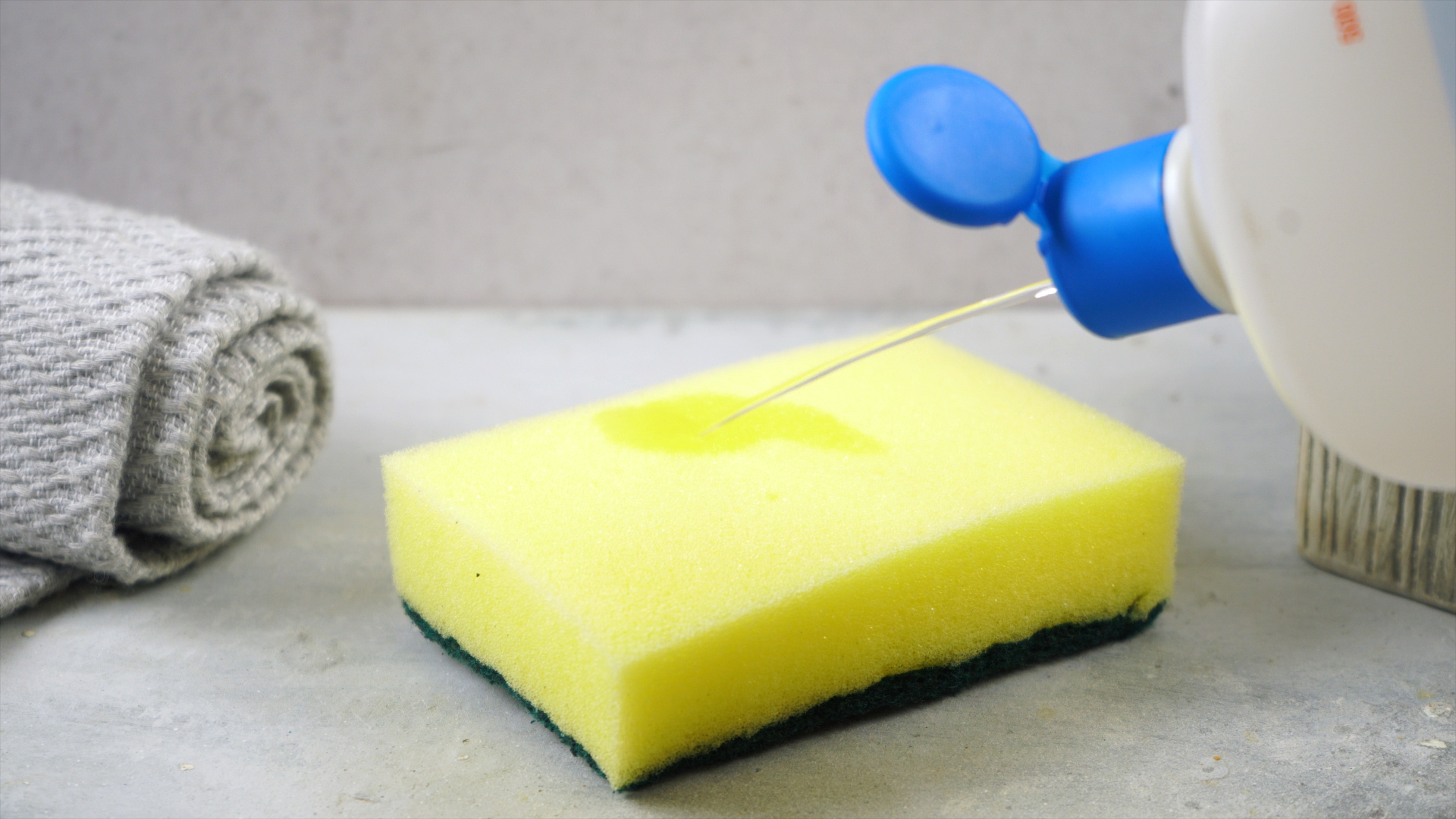
For many fabric couches, a gentle dish soap solution is the next best move. Mix a small amount of mild liquid dish soap with cool water, then use a clean cloth or sponge to dab the stain. After that, blot with a second cloth dampened with plain water to remove the soap residue, then blot dry.
This works well because dish soap cuts through residue and helps break up the stain without being too harsh for many upholstery fabrics. It is especially useful for couches with a W or WS code.
Keep the mixture mild. This is stain removal, not bubble bath for the sofa. Too much soap can leave a sticky residue that attracts dirt later. Use a light hand, work from the outside of the stain toward the center, and blot patiently.
Best for:
Everyday fabric upholstery, polyester blends, and many washable cushion covers.
Avoid if:
Your couch is solvent-only, highly delicate, or prone to water marks.
5. Apply White Vinegar to Break Up the Pigment
If the stain is still visible after blotting and mild soap, distilled white vinegar can be a smart follow-up. Vinegar helps loosen the red-purple pigment that makes red wine such an overachiever in the staining department.
You can lightly dab diluted white vinegar onto the stain, then blot. Some people use vinegar after a dish soap step, while others mix a little vinegar into a gentle upholstery-safe cleaning solution. Either way, the key is moderation. You want the fabric damp, not drenched.
Vinegar can be especially helpful for fresh-to-recent stains on couches that tolerate water-based treatment. After using it, follow with a cloth dampened in plain water to remove leftover residue, then blot dry.
And yes, your couch may smell a little like a salad for a short time. That is normal. The scent usually fades as it dries, and honestly, “light vinaigrette” is still better than “vintage merlot disaster.”
6. Use Salt or Baking Soda to Absorb the Wine
When the spill is still wet, absorbent powders can help pull moisture and pigment out of the fabric. Two popular options are table salt and baking soda.
For salt, cover the damp stain generously and let it sit for a few minutes so it can absorb some of the wine. Then vacuum it up once it has dried enough to collect safely. For baking soda, you can either sprinkle it directly onto the damp stain or make a loose paste with water and apply it over the spot, then let it dry before vacuuming.
These methods are most useful for fresh spills. They are not a miracle cure for stains that are already dry and settled, but they can reduce the amount of pigment left behind and make later cleaning easier.
Just remember: absorbent powders are helpers, not finishers. You will usually still need to follow up with blotting or a gentle cleaning solution to fully remove the stain.
7. Try Hydrogen Peroxide and Dish Soap for Stubborn Light-Colored Fabrics
If the stain is stubborn and your couch fabric is light-colored, colorfast, and safe for spot treatment, a mixture of hydrogen peroxide and dish soap can be effective. This is one of the strongest at-home methods for red wine because hydrogen peroxide helps break down the stain while dish soap helps lift it.
Use this method with caution. Hydrogen peroxide can lighten certain fabrics, especially darker upholstery, delicate fibers, and materials that are not colorfast. Always patch test in a hidden spot first and wait to see if the fabric changes before treating the visible stain.
Apply a small amount, blot gently, and do not let the solution sit too long. Follow with a damp cloth to remove residue, then blot dry. If it works, it can be a hero. If used carelessly, it can turn one problem into a new decorating choice.
Best for:
Light upholstery with a stubborn fresh or recent stain.
Not ideal for:
Dark fabrics, delicate fabrics, leather, suede, velvet, silk, or anything precious enough to have its own nickname.
8. Use a Store-Bought Upholstery or Wine Stain Remover
Sometimes the best method is admitting that chemistry has entered the chat. A commercial upholstery cleaner or stain remover made for red wine can be a practical choice, especially if the stain is older or your first-aid methods did not fully remove it.
Look for a product labeled as safe for upholstery and compatible with your couch’s cleaning code. Always follow the manufacturer’s directions exactly. More product does not mean more success. It usually means more rinsing and more chances for residue.
Commercial cleaners can be especially helpful when dealing with:
- Set-in stains
- Large spills
- Textured upholstery that traps pigment
- Households with recurring spill talent
If you own a small portable upholstery cleaner, this can also be a good time to use it, assuming your fabric allows water extraction. Machines can help pull stain residue and moisture out of the couch instead of simply moving it around.
9. Know When to Call a Professional Cleaner
There is wisdom in knowing when to stop. If the couch is labeled S or X, if the stain is old and widespread, or if the material is velvet, suede, silk, antique, or high-end designer upholstery, professional cleaning may be the safest and smartest option.
A pro is also worth calling when:
- The stain keeps returning as the fabric dries
- You are seeing water rings or color changes
- The spill soaked into the cushion insert
- You are afraid that one more home remedy will make things worse
Professional upholstery cleaners can use extraction tools, specialized solvents, and fabric-specific methods that are safer than improvising with pantry ingredients. Yes, it costs money. But sometimes paying a pro is cheaper than replacing a couch that now looks like it survived a medieval banquet.
How to Treat Different Couch Materials
Fabric Upholstery
Blot first, then use cold water, mild dish soap, or a compatible upholstery cleaner depending on the care code. Fabric couches are often the most forgiving, but they can still water-spot if oversaturated.
Microfiber
Microfiber can be tricky because some versions react poorly to water. Check the tag. Some microfiber couches clean well with very light moisture and foam, while others do better with solvent-based methods. Brush the fibers gently after cleaning to restore texture.
Velvet
Velvet hates rough handling. Blot only, use very low moisture, and avoid scrubbing the pile. If the couch is expensive or the stain is large, professional care is usually the better call.
Leather
Wipe up the spill immediately with a clean dry cloth, then use a leather-safe cleaner if needed. Avoid soaking leather with water or vinegar unless the manufacturer says it is safe. Leather can discolor, stiffen, or lose finish when treated the wrong way.
Common Mistakes That Make Red Wine Stains Worse
- Scrubbing aggressively: This spreads the stain.
- Using too much liquid: Oversaturation can create water marks and deeper cushion damage.
- Skipping the patch test: Especially risky with vinegar, peroxide, or store-bought products.
- Ignoring the care code: That little tag is the couch’s instruction manual.
- Drying too soon: Make sure the stain is truly gone before using heat or covering the area.
Real-World Experiences With Red Wine on a Couch
Anyone who has ever hosted friends, balanced a glass during movie night, or trusted a “careful” relative knows that red wine and upholstered furniture have a long, dramatic history together. In real life, most people do not handle a spill in a calm laboratory setting. They panic. They grab the nearest towel, which is often decorative and somehow less absorbent than a receipt. They rub. They apologize to the couch. Then they begin bargaining with cleaning products like they are negotiating a hostage release.
One common experience is discovering that speed matters more than perfection. People who blot right away often remove most of the spill before any cleaning product shows up. Even if the stain looks scary at first, quick blotting usually reduces the amount of pigment that has time to settle into the fibers. By contrast, people who leave the stain “for tomorrow morning” often wake up to a dried maroon reminder that procrastination has once again chosen violence.
Another real-world lesson is that the simplest fix is often the most effective first step. Plenty of people assume they need a miracle stain remover immediately, but in many cases, cold water, a white cloth, and a mild soap solution do the heavy lifting. The difference is patience. Upholstery stains rarely vanish in one theatrical swipe. They fade through repeated blotting, light treatment, and more blotting. It is less like magic and more like gently convincing the stain that it is no longer welcome here.
There is also a valuable lesson in knowing your couch material before the emergency happens. People with microfiber couches often discover this the hard way when too much water leaves marks. Owners of velvet sofas learn quickly that friction is not their friend. Leather owners usually have a shorter panic window because surface spills are easier to catch early, but they also learn that “just use anything” is not smart advice when finish damage is on the line.
Many experienced spill survivors also swear by the power of a basic home stain kit. A clean white cloth, mild dish soap, baking soda, and a safe upholstery cleaner can save a lot of stress. Having those items nearby changes the story from “absolute household catastrophe” to “annoying but manageable.” The moral is not that accidents will stop happening. The moral is that your couch has better odds when your cleaning supplies are not buried behind expired batteries and holiday candles.
Then there is the emotional side of it. A red wine spill feels dramatic because couches are big-ticket pieces, and stains on them feel personal. But most real experiences end with a useful truth: many stains improve a lot more than people expect. Even when the mark does not disappear completely on the first try, it often lightens enough with proper treatment that only the person who spilled it remembers exactly where it was. And that person will remember forever. Usually every time someone sets down a glass.
In the end, couch stain experience teaches three humble lessons: act quickly, respect the fabric, and keep your cool. Also, maybe place a coaster table a little closer to the sofa next time. Personal growth is beautiful.
Final Thoughts
If you need to know how to get red wine out of a couch, the answer is not one magic trick. It is a smart sequence. Blot first, dilute carefully, choose the right cleaner for the fabric, and avoid overdoing it. For fresh spills, cold water, club soda, dish soap, vinegar, salt, or baking soda can all help. For tougher stains, hydrogen peroxide or a commercial upholstery cleaner may do the job, as long as the fabric allows it. And when the couch is delicate, expensive, or clearly not impressed by your efforts, professional cleaning is the right move.
Red wine stains may feel dramatic in the moment, but with the right method, they are often manageable. Your couch may not forget what happened, but with a little patience, it can stop bringing it up.