If spring is the garden’s big reveal, October is the backstage crew making the magic happen. While a lot of people treat fall as the season to rake leaves, drink cider, and argue with one stubborn spider in the garage, smart gardeners know it is also one of the best times to plant shrubs. The air is cooler, the soil is still warm, and new plants can focus less on surviving summer drama and more on settling in, growing roots, and quietly preparing to show off next spring.
That is especially true for flowering shrubs. Plant them in October, and by the time spring rolls around, they are not just “alive,” they are ready. Ready to leaf out. Ready to bloom. Ready to make your yard look like you definitely have your life together, even if your hose is still mysteriously tangled from July.
The trick is choosing shrubs that reward fall planting with real spring impact. You want plants that bring flowers, fragrance, color, wildlife interest, or strong structure right when the garden wakes up. You also want shrubs that fit the reality of American gardens: clay soil, part shade, small yards, bigger dreams, and weather that does not always follow the script.
Below are seven shrubs worth planting in October if your goal is a truly stunning spring garden. Some are old favorites for a reason. Others deserve more love than they get. All of them can earn their keep when planted at the right time, in the right place, and with a little patience.
Why October Is Such a Good Time to Plant Shrubs
October planting works because shrubs get a break from the stress of summer. Instead of pouring energy into pushing tender top growth during heat waves, they can focus on root development while the soil still holds warmth. That matters. Stronger roots going into winter often mean stronger growth, better moisture uptake, and a faster start when spring arrives.
In many parts of the United States, October also brings cooler temperatures and more reliable rainfall. That combo helps new shrubs establish with less stress. It is not a free pass, though. If your region freezes early, you still need enough time for roots to settle in before the ground locks up. A good rule of thumb is to plant at least several weeks before hard freeze conditions arrive. If your soil is already cold, frozen, or soupy enough to swallow a boot, October has officially missed its cue.
Fall is also the perfect time to think ahead about spring-blooming shrubs because many of them set flower buds on old wood. In plain English: next spring’s flowers are often already planned before winter starts. Plant now, avoid heavy pruning, and let the shrub spend the off-season getting comfortable. Spring you will be very grateful. Future you may even brag a little.
1. Azalea
Azaleas are the spring garden equivalent of confetti cannons. When they bloom well, they do not whisper. They announce. That is exactly why they deserve a place on your October planting list.
These shrubs are ideal if you want a major color moment in spring, especially in beds with morning sun and afternoon shade. Evergreen azaleas bring structure year-round, while native deciduous azaleas can add fragrance, looser form, and more of a woodland feel. Either way, planting in October gives them time to settle before bloom season starts demanding a performance.
Azaleas prefer acidic, organically rich, well-drained soil and generally do best in part shade, especially in warmer climates. They are excellent near entryways, under high shade from trees, or along paths where spring bloom can stop people in their tracks. Pair them with ferns, hellebores, or spring bulbs and your yard suddenly looks like it belongs in a magazine instead of next to a recycling bin.
Best reason to plant in October: less heat stress and more time to root in before spring flowering starts.
2. Lilac
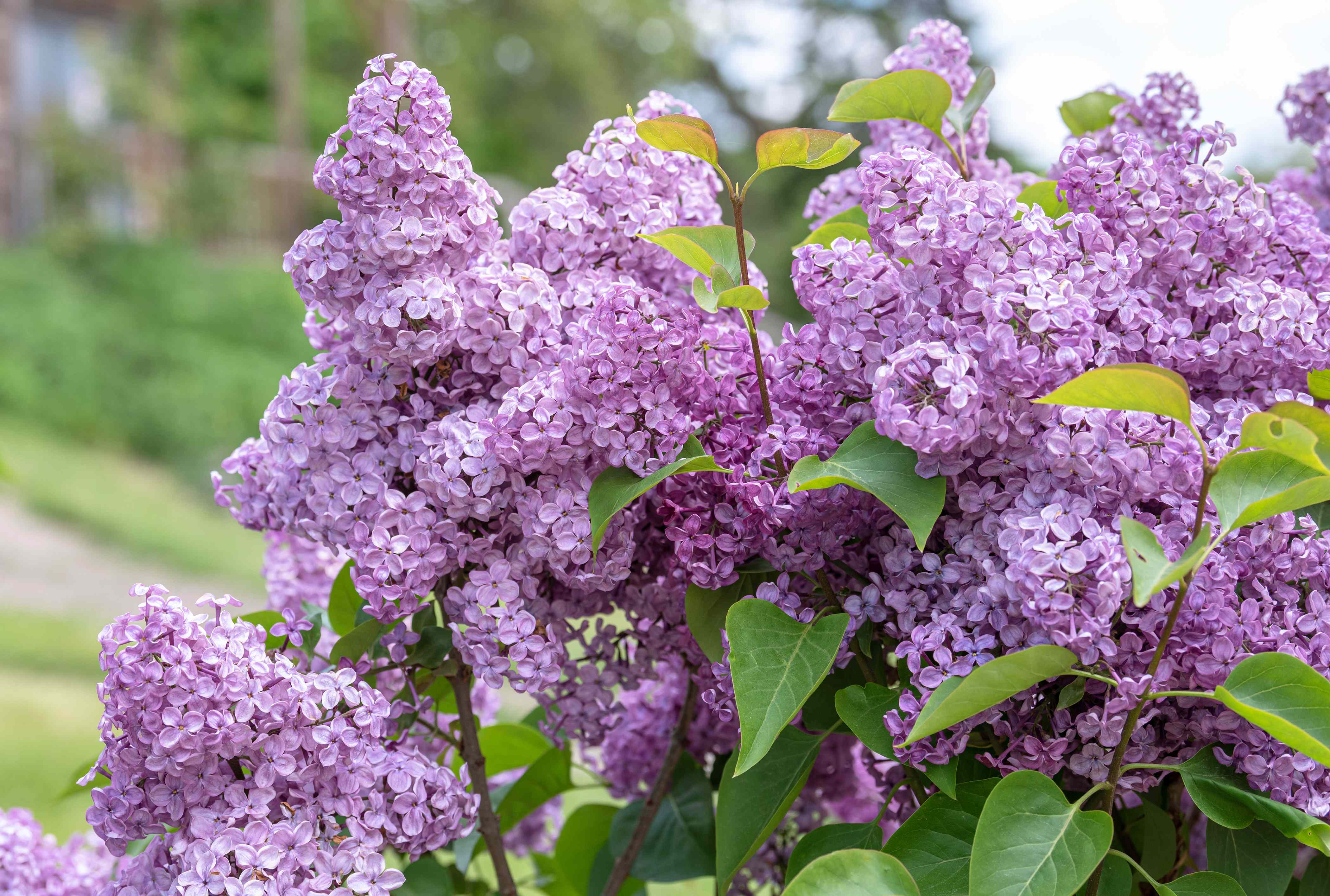
If scent is your love language, lilac belongs on your list. A good lilac in bloom can perfume an entire section of the yard and make you walk outside just to sniff the air like a suspicious but delighted detective.
Lilacs are best for gardeners with full sun, good drainage, and enough winter chill. They tend to shine in colder and moderate climates, and they are not always thrilled by hot, humid southern conditions. Give them air circulation, avoid soggy soil, and they will reward you with those classic spring flower clusters that feel timeless for a reason.
October is a smart planting window because it lets lilacs establish roots without battling midsummer heat. By spring, a newly planted lilac may not be huge, but it will already be better positioned to leaf out strongly and begin building into the fragrant anchor shrub it is meant to become. For smaller spaces, look for compact forms such as Meyer-type lilacs rather than planting a giant and pretending pruning will solve everything.
Best reason to plant in October: lilacs like a calm start, and fall gives them one.
3. Viburnum
If there were a “most useful overachiever” award in the shrub world, viburnum would be giving a very humble acceptance speech. Many viburnums offer spring flowers, fragrance, berries, handsome foliage, and solid structure, which is basically the shrub equivalent of bringing snacks, tools, and emotional support to the same event.
For a spring garden, fragrant types such as Korean spice viburnum, Judd viburnum, or Burkwood viburnum are especially worth considering. Their blooms arrive in spring and often smell far better than anything you can buy in a candle. Many also handle full sun to part shade and adapt to a range of soils, with some tolerating clay better than fussier shrubs.
Plant viburnum in October and you are setting up a shrub that can do more than one job. It can soften a foundation, anchor a mixed border, create a fragrant pause near a walkway, or act as a seasonal bridge between spring flowers and later berries. That is not just pretty. That is strategic gardening.
Best reason to plant in October: strong root establishment now often leads to a more vigorous, bloom-ready shrub later.
4. Forsythia
Forsythia is not subtle. It does not do “quiet elegance.” It explodes into yellow before many plants have even located their spring shoes. And honestly? Sometimes that is exactly what a garden needs.
This shrub is one of the earliest signs that winter is finally losing the argument. Its blooms appear before the leaves, which makes the flower display feel even louder. It works especially well at the back of a border, on a slope, or anywhere you want a dramatic early-season splash of color.
Forsythia likes full sun and benefits from room to arch naturally. That last part matters. Too many people plant it in a tight space, shear it into a grumpy cube, and then wonder why it looks offended. Let it have some space, prune right after flowering if needed, and treat it like the exuberant spring shrub it is.
Planting in October gives forsythia time to establish before its late-winter or early-spring bloom cycle kicks in. Just remember that it is strongest as an early-season performer, so combine it with later-blooming shrubs if you want the garden to keep going after the yellow fireworks are over.
Best reason to plant in October: it is one of the fastest ways to buy yourself an early spring wake-up call.
5. Fothergilla
Fothergilla is the shrub gardeners love to “discover,” then recommend with the energy of someone sharing a secret bakery. It deserves that enthusiasm. This underused beauty offers bottlebrush-like spring flowers, a sweet fragrance, and excellent fall color, which means it earns applause in more than one season.
Fothergilla works best in acidic, well-drained soil with consistent moisture, and it is happy in full sun to part shade. The flowers often appear before or with the leaves, giving the plant a clean, luminous look in spring. It feels refined without being fussy, which is a rare and beautiful personality trait, in plants and people.
This is an especially smart October shrub for gardeners who want something a little different from the usual azalea-lilac-forsythia lineup. It fits beautifully in native-leaning landscapes, mixed shrub borders, woodland edges, and foundation beds where you want texture as much as color.
Best reason to plant in October: it settles in beautifully during cool weather and rewards patience with elegant spring bloom.
6. Weigela
Weigela is one of those shrubs that knows how to make an entrance without turning the whole yard into a maintenance project. In mid to late spring, it covers itself in tubular flowers that can attract hummingbirds and other pollinators, and many newer cultivars also bring attractive foliage color through the growing season.
It generally performs best in full sun, though some light shade is tolerated. The more sun it gets, the better the flowering tends to be. Weigela also fits nicely into real-world gardens because it can work as a specimen, a foundation shrub, or part of a mixed border. Compact cultivars make it especially useful for smaller suburban lots where every square foot has opinions.
October planting helps weigela root in before it launches into spring bloom. Some types even offer a lighter rebloom later in the season, which makes them feel generous. Plant one near a patio, window, or path and you can actually enjoy the show instead of hearing about it later from the neighbors.
Best reason to plant in October: it gets a head start now and pays you back with pollinator-friendly color in spring.
7. Ninebark
Ninebark is the tough friend in the group. It handles clay better than many shrubs, tolerates difficult conditions once established, and still manages to bring flowers, foliage color, and exfoliating bark to the party. Not bad for a plant that is sometimes sold like an afterthought.
Native ninebark and its cultivars typically flower in late spring to early summer, often with white or pinkish clusters. Many varieties also have rich burgundy, copper, or chartreuse foliage, so even when the flowers are finished, the plant still contributes serious visual weight. In winter, the peeling bark adds texture when the garden looks half asleep.
Ninebark is a great October choice if you want a shrub that is handsome without being delicate. It works in borders, foundation plantings, native-inspired designs, and mixed screens. Just give it sun for the best color and flowering, and avoid over-pruning. It blooms on older growth, so a haircut at the wrong time can erase part of next year’s show.
Best reason to plant in October: it is durable, adaptable, and offers spring flowers without requiring princess-level care.
How to Plant October Shrubs So They Actually Look Amazing in Spring
Buying good shrubs is only half the job. Planting them correctly is what turns “nice idea” into “wow, that really worked.”
- Plant at the proper depth. The root flare should not be buried. A shrub planted too deep can struggle for years.
- Dig wide, not deep. Make the planting hole wider than the root ball so roots can move outward more easily.
- Backfill with your native soil. Do not create a luxury pocket of fluffy potting mix that roots never want to leave.
- Water deeply after planting. Then keep watering during dry spells. Fall-planted shrubs still need attention, even when the weather feels forgiving.
- Mulch lightly. A two- to three-inch layer helps regulate soil temperature and moisture, but keep mulch away from the stems.
- Skip heavy fall pruning. Many spring-flowering shrubs bloom on old wood, so wait until after flowering if shaping is needed.
- Do not push late fertilizer. You want roots to establish, not a burst of tender new top growth right before winter.
Common Mistakes That Can Ruin the Plan
The biggest October mistake is assuming cool weather means you can plant and forget. Not quite. New shrubs still need moisture. If autumn turns dry, water them. Another common error is choosing a shrub for the flower photo instead of the site conditions. A lilac in deep shade, an azalea in hot reflected afternoon sun, or a fothergilla in bone-dry alkaline soil is not a design statement. It is a future apology.
Also watch your pruning habits. Many of the best spring shrubs set buds ahead of time, so cutting them back in late fall, winter, or very early spring can remove the floral display you were counting on. Nothing says “lesson learned” like pruning off next season’s bloom and then staring at a leafy shrub in May with the expression of someone who trusted bad advice on the internet.
What Planting These Shrubs in October Feels Like in Real Life
Here is the part garden articles sometimes leave out: planting shrubs in October feels different from planting in spring. Spring planting is exciting, noisy, and full of urgency. The garden centers are packed, the weather changes every eleven minutes, and you feel like everything needs to happen immediately. October planting, on the other hand, is quieter. It feels almost secretive, like you are making an agreement with next year.
You dig the hole on a cool afternoon when the light gets softer earlier than you expect. The air is crisp enough to make work pleasant instead of sweaty. The soil is still workable, and there is a strange confidence that comes with putting a plant in the ground when the rest of the garden seems to be winding down. You are not chasing instant gratification. You are placing a bet on spring.
And then winter comes, and nothing dramatic happens for a while. That is the unnerving part. A newly planted shrub in December is not exactly thrilling entertainment. It just sits there looking like a collection of twigs and good intentions. But underground, roots are getting acquainted with the surrounding soil. The plant is settling in, slowly building the kind of foundation that never photographs well but matters more than anything.
By late winter, you start noticing little things. The azalea looks less like a nursery purchase and more like it belongs. The forsythia buds swell. The viburnum starts to seem sturdier. Then spring arrives and the whole point of October planting reveals itself. The shrubs do not react like brand-new houseguests. They behave like residents. They leaf out with more confidence. They hold moisture better. They seem a little less shocked by every sunny day and cold night.
That difference is especially noticeable in a mixed planting. A lilac planted in October can feel more settled by bloom time. A weigela seems quicker to fill out. Fothergilla can slide into the border without that awkward “temporary plant in a plastic pot” look that lingers after rushed spring installs. Even a tough shrub like ninebark looks more composed when it had the off-season to root first.
There is also an emotional advantage to October planting. Spring gardening often feels reactive. October gardening feels intentional. You are not buying whatever looks irresistible in full bloom at the nursery. You are making design decisions with structure, timing, and future performance in mind. That usually leads to better gardens. It also saves you from a yard full of random impulse buys that seemed charming until they all bloomed at once and then disappeared into chaos.
So yes, planting shrubs in October requires a little faith. You will not get instant fireworks. You will get the slower satisfaction of seeing spring arrive and realizing you prepared for it months ago. That first burst of lilac fragrance, that wall of azalea color, that weirdly cheerful yellow shout from the forsythia, that is the reward. It is one of the best feelings in gardening: the moment your past self did your future self a favor.
Conclusion
If you want a spring garden that looks full, layered, and intentional instead of rushed and random, October is the moment to act. Azalea, lilac, viburnum, forsythia, fothergilla, weigela, and ninebark all bring something valuable to the table, from fragrance and pollinator appeal to early color and strong structure. Plant them while the soil is still workable, match each shrub to the site, water them well, and resist the urge to over-prune. Come spring, your garden will not just wake up. It will make an entrance.