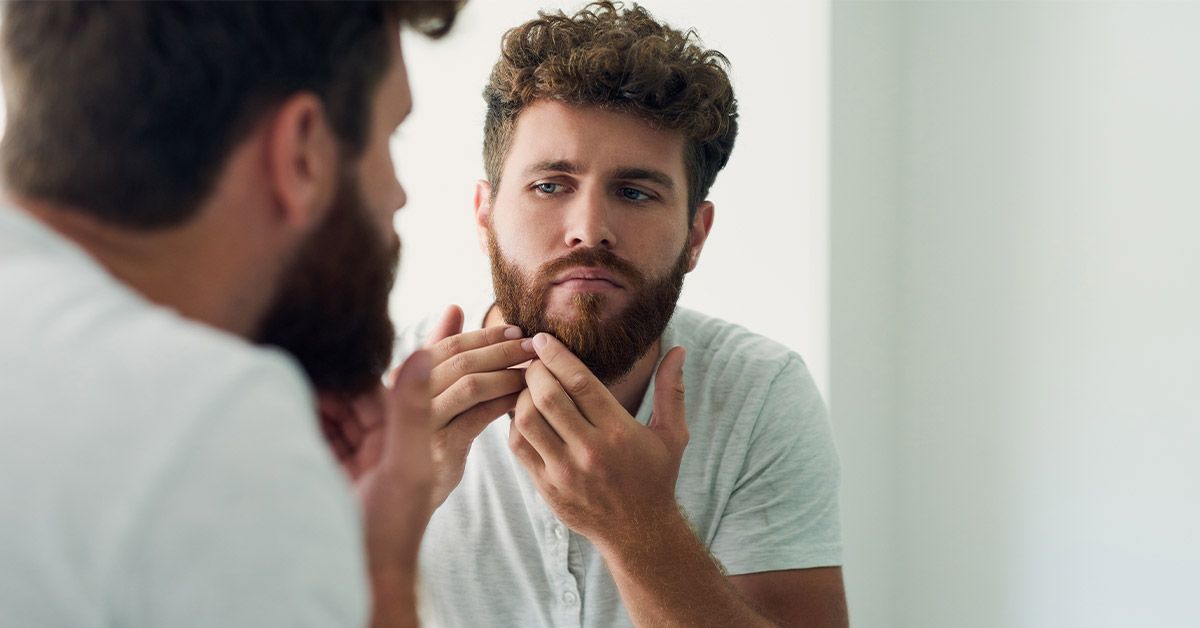
If you’ve ever stared into the mirror willing a “full Viking” beard to appear, you’re not alone. Beard growth can feel like a combination of genetics, patience, and whatever mysterious magic lives inside your barber’s clippers. Enter minoxidilthe active ingredient in Rogainea product famous for helping scalp hair regrow… and infamous for inspiring a very specific question: “Can I put this on my face and finally connect my mustache to my beard like nature intended?”
This article breaks down what minoxidil is, what the research actually says about beard and facial hair growth, what results you can realistically expect, and how to approach it safely if you and a dermatologist decide it’s worth trying. We’ll also talk about facial “health” (skin comfort, irritation, dryness) because nothing ruins a glow-up faster than turning your cheeks into a flaky snow globe.
What Is Minoxidil (Rogaine), and What Is It Approved For?
Minoxidil is a medication originally developed as an oral blood-pressure drug. Later, clinicians noticed an interesting side effect: hair growth. That discovery eventually led to topical minoxidil (foams and solutions) being widely used for androgenetic alopeciaaka pattern hair loss.
Here’s the key detail most beard-curious people miss: topical minoxidil is FDA-approved for scalp use (pattern hair loss), not specifically for beards. Using it on the beard area is considered off-label. Off-label use isn’t automatically dangerous or “wrong”it just means it’s not the use printed on the box, and the evidence base is smaller.
So… can it help your beard anyway?
Potentially, yesespecially for people trying to improve density in a patchy beard or encourage terminal hairs (thicker, darker hairs) to replace vellus hairs (peach fuzz). But it’s not a cheat code for rewriting genetics, and it’s not a great match for everyone (more on that soon).
How Minoxidil Might Promote Hair Growth (In Plain English)
Scientists still don’t have a single neat “one sentence” explanation for how minoxidil works everywhere it works. But the major themes are consistent: it appears to help shift follicles into (or keep them in) the anagen (growth) phase, and it’s associated with biological effects like potassium channel activity and changes around the follicle environment.
The practical takeaway: minoxidil can act like a “follicle encourager.” It doesn’t manufacture follicles where none exist, but it may help existing follicles produce stronger, more persistent growthassuming your follicles are capable of doing that.
Beard Hair Isn’t Scalp Hair (And That Matters)
Beard development is heavily influenced by androgens (particularly DHT sensitivity at the follicle level) and your genetic programming. That’s why two brothers can share a last name and a nose, but only one can grow a beard that looks like a renaissance painting.
Minoxidil is not a hormone, and it doesn’t directly “boost testosterone.” What it may do is help follicles on the face spend more time growing and produce more visible hairs. In other words: it may support the output, but it doesn’t rewrite the blueprint.
What Research Says About Minoxidil for Beard Growth
The beard-specific research is smaller than the mountain of evidence for scalp hair. Still, it’s not just internet folklore. A randomized, double-masked, placebo-controlled study (48 men, 16 weeks) found that applying 0.5 mL of 3% minoxidil twice daily led to a statistically significant increase in facial hair count compared with placebo. That’s a meaningful signal and it’s one reason this off-label use keeps coming up in dermatology conversations.
More recent reviews in the medical literature discuss minoxidil as a tool used off-label for facial hair enhancement (including beards and eyebrows), while emphasizing the same themes: the evidence is promising but limited, results vary, and side effects (especially irritation and unwanted hair growth outside the target zone) are real.
What this means in real life
- Minoxidil may improve beard density for some people, especially over months of consistent use.
- Expect variability: some see noticeable changes; others see mild improvement; some stop due to irritation.
- Time matters: beard changes tend to be slow, and “fast results” stories are the exception, not the rule.
Timeline: When Would You See Results?
Most people want a clean, simple answer like “Week 3: beard unlocked.” Unfortunately, biology doesn’t do shipping updates. What we can say is that minoxidil is typically a months-long project, not a weekend project.
Typical pattern (many users and clinicians report something like this)
- Weeks 1–4: You may notice dryness, mild irritation, or nothing at all. Some people also notice increased shedding in the area being treated (more common on scalp, but the “reset” effect is a known phenomenon with minoxidil).
- Months 2–4: Early visible changes may show up: darker peach fuzz, slightly better coverage, or less “see-through” patches under bright light.
- Months 4–6+: For responders, density and hair caliber may improve. Many clinicians suggest judging results on a longer horizonoften a 6–12 month trial for hair growth therapies.
Patience isn’t just motivational-poster advice hereit’s the difference between giving a treatment time to work and quitting right as the follicle is warming up.
Side Effects and Risks: The Stuff the Box Doesn’t Emphasize (Enough)
Topical minoxidil is generally well tolerated on the scalp, but the face is more sensitive for many people. The most common issues aren’t dramaticthey’re annoying: itching, redness, flaking, dryness, and irritation. Still, there are also rarer effects worth taking seriously.
Common side effects (especially with facial use)
- Irritation / dryness / flaking: Often related to the vehicle (alcohols, propylene glycol in many solutions).
- Contact dermatitis: Sometimes the culprit is not minoxidil itself, but ingredients like propylene glycol.
- Unwanted hair growth: Hair where you didn’t plan it (upper cheeks, forehead, temples) often from spreading or transfer.
- Acne-like bumps: Some people report breakouts or clogged pores in the application zone.
Less common but important “stop-and-think” symptoms
- Fast heartbeat, dizziness, swelling, shortness of breath: These are uncommon with topical use, but can indicate systemic effects. If this happens, stop and seek medical advice promptly.
- Facial swelling or severe rash: Could suggest an allergic reaction.
Also worth mentioning: if you stop using minoxidil, the gains you maintain may vary. On the scalp, it’s well-known that hair tends to revert toward baseline within months after stopping. Beard hair may be different for some people (especially if hairs have matured), but it’s not a guarantee. Think of it like going to the gym: some changes stick, some fade if you stop training.
Foam vs. Solution: Which Is Better for the Face?
Many people prefer foam for facial use because it often lacks propylene glycol, a common irritant in solutions. If you’re prone to sensitive skin, eczema, or dermatitis, foam is frequently the better-tolerated option.
Solutions can still work, but they’re more likely to sting, dry, or inflame facial skinespecially if you’re also using strong skincare actives (retinoids, acids, benzoyl peroxide). In short: the more “spicy” your skincare routine already is, the more careful you should be about adding minoxidil to the party.
How to Use Minoxidil for Beard Growth More Safely (If You Go Off-Label)
Because facial use is off-label, the safest move is to talk with a dermatologistespecially if you have skin conditions, cardiovascular history, or you’re using other medications. If you do proceed, smart technique can reduce irritation and accidental spread.
Practical, harm-reducing habits
- Start low and slow: Consider once daily at first to see how your skin reacts, then increase only if tolerated.
- Use the smallest effective amount: More product doesn’t mean more folliclesoften it just means more dryness.
- Avoid lips, nostrils, eyes: Treat the beard area, not your mucous membranes (they are not fans of minoxidil).
- Wash hands after application: This reduces transfer to other areas (and to other people).
- Let it dry fully: Transfer is a big reason people get “bonus hair” in unwanted places.
- Moisturize strategically: Use a gentle moisturizer after it dries if your skin gets tight or flaky.
- Patch test mindset: If you’re sensitive, test a small area for several days before going all-in.
Household safety (seriously)
Keep minoxidil away from children. Ingestion is dangerous. Also be cautious with petsespecially catsbecause exposure to minoxidil can be harmful. Store it like you’d store a serious medication, not like a casual grooming product.
One more modern safety note: in early 2026, U.S. safety authorities reported recalls of some minoxidil-containing hair/beard growth serums sold online due to child-resistant packaging concerns. Translation: buy reputable brands, store them safely, and don’t treat “beard serum” like it’s just scented water.
Who Should Probably Skip Minoxidil-on-the-Face?
There are plenty of people who try minoxidil and do fine. There are also people who try it and immediately become the star of a low-budget horror film called The Itchy Cheeks. Consider skippingor at least getting medical guidanceif any of these apply:
- You have eczema, psoriasis, rosacea, or very reactive facial skin.
- You’ve had contact dermatitis from topical products before.
- You have a history of heart rhythm issues, unexplained swelling, or dizziness.
- You can’t reliably keep the product away from kids or pets.
- You’re hoping it will create a beard where you have almost no folliclesgenetics still sets boundaries.
“Does Minoxidil Age Your Face?” The Viral Worry, Explained
This question pops up a lot online. There isn’t strong clinical evidence that minoxidil “ages the face” in a direct, predictable way. What’s more plausible is indirect: irritation, dryness, and inflammation can make skin look worse temporarily. If you’re dry, flaky, and constantly rubbing your cheeks, you can look more tiredbecause your skin is irritated, not because you unlocked secret wrinkle juice.
If facial “health growth” matters to you (aka you want the beard without sacrificing comfortable skin), prioritize gentleness: choose a better-tolerated formulation, moisturize, and don’t mix minoxidil with an aggressive skincare routine unless a clinician tells you how to do that safely.
Alternatives and Add-Ons (Without the Snake Oil)
If minoxidil isn’t a good fitor you want a broader planthere are other ways to improve beard appearance and growth potential:
Options that make sense
- Time and age: Many men see beard density improve into their late 20s and 30s.
- Dermatology evaluation for patchy loss: If you have sudden bald patches, it may be a condition like alopecia areata, which needs a different approach than minoxidil.
- Skin barrier care: If irritation is the main barrier, improving your skin’s tolerance can help you stay consistent.
- Cosmetic solutions: Smart trimming, shaping, and even beard fillers can create a denser look while you work on growth.
You’ll also hear about microneedling, combined topicals, or prescription approaches. Some may help in certain cases, but they can increase irritation or risk if done incorrectlyso treat them as “ask a professional” territory, not “random TikTok tutorial” territory.
Conclusion: Can Rogaine Help Beard Growth?
YesRogaine (minoxidil) can help beard growth for some people, and there is clinical research supporting a measurable increase in facial hair count with consistent use. But it’s still off-label for the beard, the evidence base is smaller than scalp hair loss data, and results vary widely.
The best way to approach it is like a responsible experiment: start with realistic expectations, prioritize skin tolerance, use careful technique to prevent unwanted spread, and take side effects seriously. Your goal isn’t just “more hair.” It’s more hair without turning your face into a dry, itchy complaint letter.
Real-World Experiences: What People Commonly Report (About )
Talk to enough users (and enough dermatology clinics), and you start to see repeating patterns. Not guaranteespatterns. Think of these as the “most common plotlines” in the minoxidil-for-beard story.
1) The “Nothing’s Happening” Phase (and the urge to panic-buy more)
Many people report that the first few weeks feel uneventful. They apply carefully, stare at their cheeks under five different bathroom light settings, and conclude: “This is just expensive water.” That impatience often leads to using too much. Ironically, over-applying tends to produce more dryness than growth. The folks who do best usually treat it like a long game: consistent, measured use, and a willingness to judge progress by photos taken a month apartnot by hourly mirror negotiations.
2) Dryness and Flaking Are the #1 Buzzkill
The most common complaint is simple: dry, flaky skinespecially with liquid solutions. Users often describe a “tight” feeling in the beard area, mild stinging, or peeling that looks like an awkward sunscreen failure. A lot of people say switching to foam, reducing frequency temporarily, and adding a gentle moisturizer after the product dries makes the routine sustainable. The takeaway: tolerance beats intensity. A routine you can keep doing is more powerful than a routine you quit in week two.
3) Accidental Spread Creates “Bonus Hair” in Weird Places
A surprisingly common experience is unwanted hair growth at the edges: upper cheeks, near the eyes, or along the temples. Most users chalk this up to transferapplying then touching the face elsewhere, not washing hands, or lying down before it dries. People who avoid this tend to be almost comically disciplined: wash hands, let it dry, don’t rub the face, and keep it away from pillowcases until fully dry. Yes, it’s annoying. So is plucking hairs off your cheekbone like you’re auditioning for a role as “confused werewolf.”
4) The “Oh! There It Is.” Moment Usually Takes Months
When success happens, it’s often gradual: peach fuzz looks darker, coverage improves in patchy areas, and the beard appears less see-through under direct light. People commonly report that months 3–6 are when changes become easier to notice. Some users say hairs feel coarser and more “beard-like,” while others describe more subtle filling-in. Progress tends to be uneven one side catches up before the other, or the chin improves while the cheeks lag. That’s normal for facial hair development in general, minoxidil or not.
5) Stopping the Routine Can Change the Story
Many people experiment with stopping after visible gains. Some claim their beard “stayed,” especially if hairs became terminal and they maintained a grooming routine. Others report partial shedding or a slow fade in densitysimilar to what’s known to happen on the scalp. The common theme is uncertainty: no one can promise permanence. That’s why many experienced users treat minoxidil as a trial with check-in points (photos, skin condition, and realistic goals), rather than an indefinite forever plan.