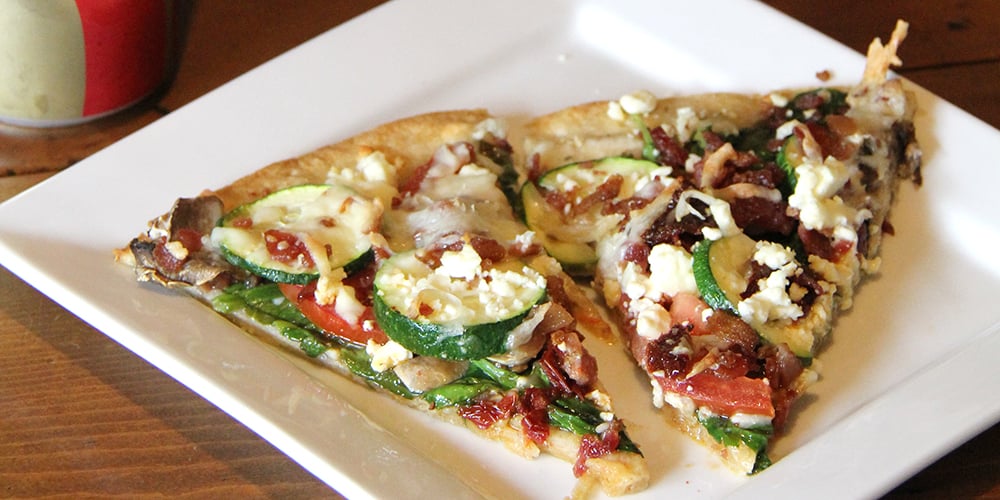
Bacon and veggie pizza is the edible proof that balance exists. You get smoky, crispy bacon doing its salty little victory dance, while colorful vegetables bring freshness, sweetness, texture, and the comforting illusion that you are making a responsible dinner decision. This homemade pizza recipe is hearty enough for bacon lovers, bright enough for vegetable fans, and simple enough for a weeknight when your brain has already left the building.
The secret is not complicated: start with a good crust, use a flavorful sauce, pre-cook the bacon, manage moisture-heavy vegetables, and bake the pizza hot enough to crisp the base before the toppings get gloomy. Many homemade pizzas fail because the toppings are piled on like a garage sale. This recipe keeps things generous but strategic, so every bite has cheese pull, bacon crunch, roasted veggie flavor, and a crust that does not collapse like a folding chair at a family barbecue.
Why This Bacon and Veggie Pizza Recipe Works
This recipe uses classic pizza-building logic: a chewy crust, a thin layer of sauce, low-moisture mozzarella, cooked bacon, and vegetables that either roast quickly or benefit from a quick pre-cook. Bacon adds smoke, fat, salt, and crispness. Vegetables add contrast. Bell peppers bring sweetness, red onion brings sharpness, mushrooms add earthy depth, and spinach gives the pizza a fresh finish without taking over the whole operation.
The result is a pizza that tastes indulgent but not heavy. It is the kind of dinner that makes people hover near the cutting board pretending they are “just checking if it cooled.” Spoiler: they are stealing corner pieces.
Ingredients for Bacon and Veggie Pizza
For the Pizza
- 1 pound pizza dough, homemade or store-bought, at room temperature
- 1 tablespoon olive oil, plus more for brushing
- 1/2 cup pizza sauce or marinara sauce
- 1 1/2 cups shredded low-moisture mozzarella cheese
- 1/4 cup grated Parmesan cheese
- 6 slices bacon, cooked until crisp and chopped
- 1/2 cup sliced mushrooms
- 1/2 cup thinly sliced bell pepper, red, yellow, or green
- 1/3 cup thinly sliced red onion
- 1/2 cup baby spinach, roughly chopped
- 1/2 teaspoon dried oregano
- 1/4 teaspoon garlic powder
- 1/4 teaspoon crushed red pepper flakes, optional
- Fresh basil or parsley, optional for garnish
Optional Add-Ins
- Cherry tomatoes, halved and patted dry
- Roasted zucchini slices
- Black olives
- Jalapeños for heat
- Goat cheese or feta for a tangy finish
- A drizzle of hot honey after baking
Best Crust for Bacon and Veggie Pizza
A bacon and veggie pizza works beautifully with either homemade pizza dough or refrigerated dough. For a crispier crust, use a thinner stretch and bake on a preheated pizza stone, baking steel, or hot sheet pan. For a softer, breadier bite, use a medium-thick crust and let the dough rest for a few minutes after shaping.
Room-temperature dough is much easier to stretch than cold dough. If the dough keeps snapping back like it has personal boundaries, let it rest for 10 minutes, then try again. Gluten relaxes with time, and so do cooks when dinner starts behaving.
How to Make Bacon and Veggie Pizza
Step 1: Preheat the Oven
Preheat your oven to 475°F. If using a pizza stone or baking steel, place it in the oven while it preheats for at least 30 minutes. A hot surface helps the crust cook quickly and evenly, giving you a crisp bottom instead of a pale, floppy situation.
Step 2: Cook the Bacon
Cook the bacon in a skillet over medium heat or bake it in the oven until crisp. Transfer it to a paper towel-lined plate, then chop it into bite-size pieces. Pre-cooking bacon is important because pizza usually bakes too quickly for raw bacon to fully crisp. It also lets you control the grease, which means flavor without turning the pizza into an oil slick.
Step 3: Prep the Vegetables
Slice the mushrooms, bell pepper, and red onion thinly. If your mushrooms are especially moist, sauté them for 3 to 4 minutes in a dry skillet or with a tiny splash of olive oil. This removes excess water and concentrates their flavor. If using zucchini or tomatoes, salt them lightly, let them sit for 10 minutes, and pat them dry before adding them to the pizza.
Step 4: Shape the Dough
Lightly flour your work surface and stretch the dough into a 12- to 14-inch round or rectangle. Transfer it to parchment paper or a lightly oiled baking sheet. Brush the outer edge with olive oil for better browning.
Step 5: Add Sauce and Cheese
Spread the pizza sauce evenly over the dough, leaving about 1/2 inch around the edge for the crust. Keep the sauce layer thin. Pizza sauce should support the toppings, not flood the neighborhood. Sprinkle mozzarella over the sauce, then add Parmesan for a salty, nutty boost.
Step 6: Add Bacon and Veggies
Scatter the cooked bacon, mushrooms, bell pepper, red onion, and spinach evenly over the cheese. Sprinkle with oregano, garlic powder, and crushed red pepper flakes if you like a little heat. Avoid building a mountain of toppings. A pizza with too many toppings may look exciting before baking, but after baking it can become soggy, uneven, and difficult to slice cleanly.
Step 7: Bake Until Golden
Bake for 10 to 14 minutes, depending on your oven and crust thickness. The pizza is ready when the crust is golden, the cheese is bubbling, and the vegetables are tender around the edges. If you like extra browning, broil for 30 to 60 seconds at the end, watching carefully. Broilers are useful, but they have the patience of a raccoon in a snack cabinet.
Step 8: Rest, Slice, and Serve
Let the pizza rest for 3 to 5 minutes before slicing. This helps the cheese settle and keeps the toppings from sliding off in one dramatic landslide. Garnish with fresh basil, parsley, or a light drizzle of olive oil if desired.
Recipe Card: Bacon and Veggie Pizza
Quick Details
- Prep time: 20 minutes
- Cook time: 12 minutes
- Total time: About 32 minutes
- Servings: 4
- Best for: Weeknight dinner, game day, family pizza night, casual entertaining
Directions Summary
- Preheat oven to 475°F.
- Cook bacon until crisp, drain, and chop.
- Slice vegetables thinly and remove excess moisture if needed.
- Stretch dough into a 12- to 14-inch pizza base.
- Spread sauce, then add mozzarella and Parmesan.
- Top with bacon, vegetables, and seasonings.
- Bake 10 to 14 minutes until golden and bubbling.
- Rest briefly, slice, and serve warm.
Tips for the Best Homemade Bacon and Veggie Pizza
Use Low-Moisture Mozzarella
Fresh mozzarella is delicious, but it contains more water. For a classic homemade pizza with a stretchy cheese pull and less sogginess, low-moisture mozzarella is the safer choice. If you do use fresh mozzarella, tear it into small pieces and pat it dry before adding it.
Do Not Overload the Pizza
More toppings do not always mean more flavor. Too many vegetables release too much moisture, and too much bacon can make the pizza overly salty. A balanced topping layer gives you better texture and cleaner slices.
Pre-Cook Watery Vegetables
Mushrooms, zucchini, onions, and peppers can release water as they bake. A quick sauté or roast helps remove moisture and improves flavor. This is especially helpful if you prefer a crisp crust.
Add Delicate Greens Late
Spinach can go on before baking if it is chopped and used lightly. Arugula, however, is better added after baking so it stays fresh and peppery. Think of arugula as a garnish, not a sauna enthusiast.
Flavor Variations
Bacon Ranch Veggie Pizza
Replace the tomato sauce with a thin layer of ranch dressing or garlic ranch sauce. Top with mozzarella, bacon, red onion, bell pepper, and broccoli florets. This version is creamy, savory, and very popular with people who believe ranch should be classified as a love language.
BBQ Bacon Veggie Pizza
Use barbecue sauce instead of pizza sauce. Add bacon, red onion, bell pepper, mushrooms, mozzarella, and a little smoked cheddar. Finish with cilantro after baking for a sweet-smoky twist.
Spicy Bacon and Jalapeño Veggie Pizza
Add sliced jalapeños, crushed red pepper, and a drizzle of hot honey. The heat balances the salty bacon and sweet bell peppers beautifully.
White Bacon Veggie Pizza
Skip the red sauce and use a garlic olive oil base or a light Alfredo-style sauce. Top with mozzarella, Parmesan, mushrooms, spinach, bacon, and red onion. This version is rich, cozy, and perfect for people who like their pizza a little fancy but still want bacon involved.
What to Serve with Bacon and Veggie Pizza
This pizza is satisfying on its own, but it pairs well with simple sides. A crisp green salad with lemon vinaigrette cuts through the richness. Roasted broccoli, garlic knots, tomato soup, or a cucumber salad also work well. For a party, serve it alongside wings, veggie sticks, deviled eggs, or a second pizza with a different flavor profile.
For drinks, try sparkling water with lemon, iced tea, lemonade, beer, or a light red wine such as Pinot Noir. Bacon and vegetables are flexible enough to play nicely with many flavors.
How to Store and Reheat Leftover Pizza
Store leftover bacon and veggie pizza in an airtight container in the refrigerator for up to 3 to 4 days. To reheat, use a skillet over medium-low heat for a crisp bottom, or bake slices at 375°F until warmed through. The microwave works in emergencies, but it can make the crust chewy. Sometimes the microwave turns pizza into a hot napkin with cheese, and nobody asked for that.
You can also freeze cooked pizza slices. Wrap them tightly and freeze for up to 2 months. Reheat from frozen in a 375°F oven until hot and crisp around the edges.
Common Mistakes to Avoid
Using Raw Bacon
Raw bacon may not cook properly during a short pizza bake. It can also release too much fat onto the pizza. Cook it first for better texture and flavor control.
Adding Wet Vegetables
Fresh vegetables are wonderful, but excess moisture is the enemy of crisp pizza. Pat vegetables dry, slice them thinly, and pre-cook the watery ones when possible.
Using Too Much Sauce
A thin layer of sauce is enough. Too much sauce can make the center soggy and overpower the bacon and vegetables.
Cutting the Pizza Immediately
Letting the pizza rest for a few minutes helps the cheese firm slightly. This small pause makes the slices cleaner and the toppings less likely to escape.
Nutrition and Balance
Bacon and veggie pizza is still pizza, which means it is meant to be enjoyed. The vegetables add fiber, color, and nutrients, while the bacon provides bold flavor in a relatively small amount. You can make the pizza lighter by using turkey bacon, center-cut bacon, part-skim mozzarella, a whole-wheat crust, or extra vegetables. You can make it more indulgent with extra cheese, garlic butter crust, or a drizzle of ranch. Your kitchen, your rules.
Personal Experience: Why Bacon and Veggie Pizza Always Wins
The best thing about making bacon and veggie pizza at home is how forgiving it feels once you understand the basic rhythm. The first time I made a version like this, I treated it like a refrigerator clean-out project. There were a few strips of bacon, half a bell pepper, a lonely mushroom container, and a bag of spinach doing that dramatic “use me today or regret everything tomorrow” routine. Pizza dough became the solution, as pizza dough often does.
The big lesson from that first attempt was moisture control. I sliced the vegetables too thick, used too much sauce, and added the bacon without draining it well. The flavor was good, but the center of the pizza was soft enough to require a fork. That is not a tragedy, but it is also not the crispy homemade pizza dream. The next time, I sautéed the mushrooms, sliced the peppers thinner, chopped the bacon smaller, and used less sauce. Suddenly, the pizza tasted brighter, crispier, and more intentional.
Another experience worth sharing: bacon does not need to dominate the pizza to make the whole thing taste like bacon. Six slices are plenty for one large pizza. When the bacon is crisp and scattered evenly, every bite gets smoky flavor without turning the meal into a salt festival. The vegetables actually make the bacon taste better because they create contrast. Sweet peppers, sharp onions, earthy mushrooms, and mild spinach all help the bacon stand out.
This recipe also works well for families because it is easy to customize. One half can have mushrooms and onions, while the other half can stick to bell peppers and spinach. If someone refuses vegetables on principle, sprinkle a little extra cheese on their section and move forward peacefully. Pizza night is not the time to deliver a TED Talk about fiber, even if you are technically correct.
For parties, I like cutting this pizza into smaller squares instead of large wedges. Smaller pieces make it feel more snackable, and guests are more likely to try it even if they normally reach for plain pepperoni. A finishing touch, such as fresh basil, hot honey, or grated Parmesan, makes the pizza feel restaurant-style without much extra effort.
The real charm of bacon and veggie pizza is that it sits right between comfort food and freshness. It is casual but not boring, colorful but not fussy, and satisfying without requiring a culinary degree or a wood-fired oven imported from Naples. It is the kind of recipe you make once, then start adapting based on what is in your fridge. And honestly, any recipe that helps use leftover vegetables while involving crispy bacon deserves a permanent spot in the dinner rotation.
Conclusion
This bacon and veggie pizza recipe brings together everything people love about homemade pizza: crisp crust, bubbling cheese, smoky bacon, colorful vegetables, and enough flexibility to match your mood. The key is to pre-cook the bacon, keep moisture under control, use a hot oven, and avoid overloading the dough. Whether you serve it for a weeknight dinner, a game-day snack, or a relaxed weekend meal, this pizza delivers big flavor without unnecessary fuss.
Note: This article is written as original, publication-ready HTML content based on established U.S. cooking guidance, recipe testing principles, and widely used pizza-making best practices.