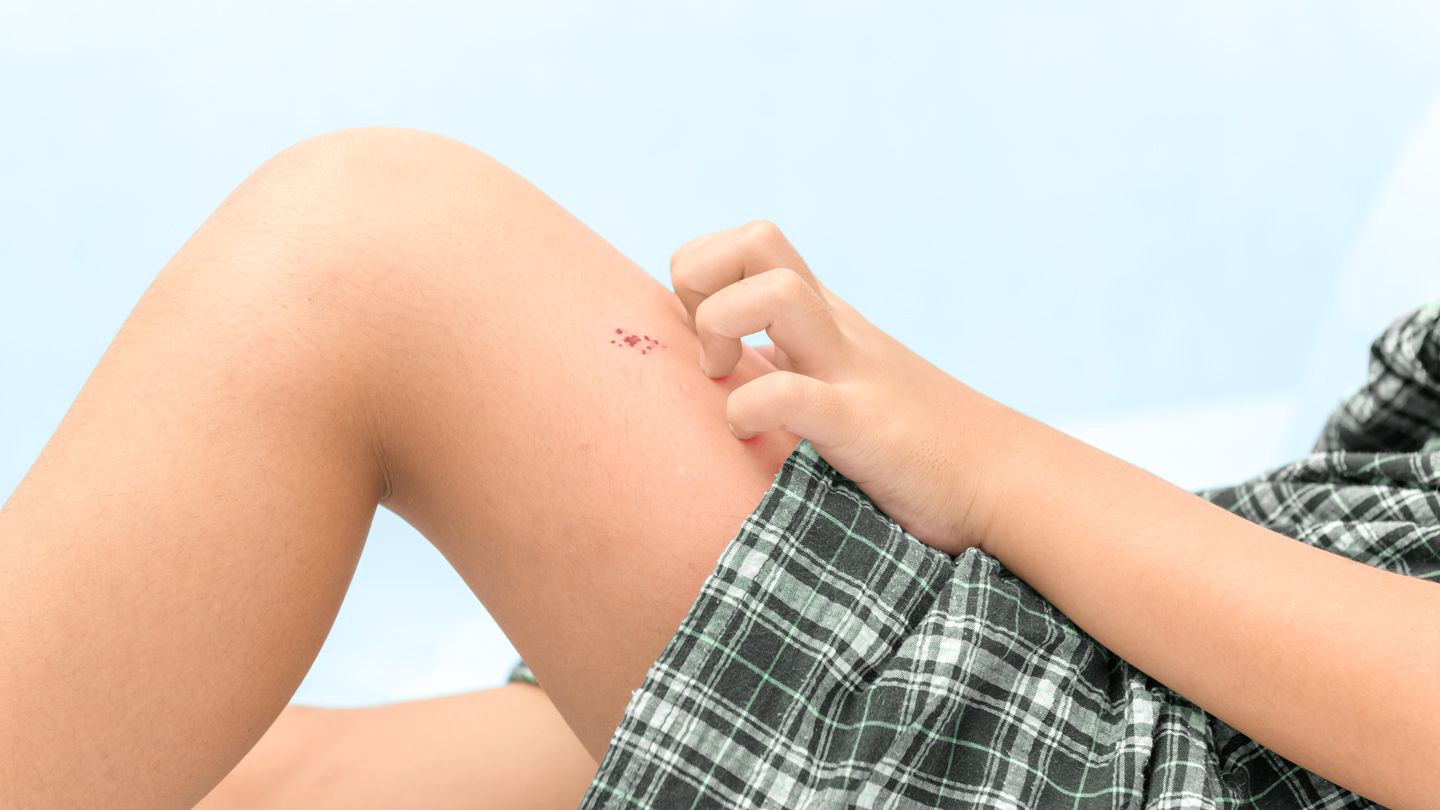
Scabs are one of the body’s least glamorous miracles. They show up uninvited, look a little dramatic, itch at the worst possible moment, and somehow make you want to poke them like a mystery button. Unfortunately, that “just one tiny pick” habit can turn a simple scrape into a longer, messier healing process. If you’ve ever peeled off a scab only to find fresh skin underneath saying, “Excuse me, I was still working,” you already know the problem.
Picking scabs can delay healing, increase the risk of infection, and make scarring more likely. In some cases, frequent picking is not just a bad habit but part of a bigger pattern called skin-picking disorder, also known as excoriation disorder. The good news is that there are better ways to handle the itch, the urge, and the boredom that often lead to picking in the first place.
This guide explains what scabs do, what happens when you keep pulling them off, and what to do instead if you want your skin to heal with less drama and fewer unwanted souvenirs.
What a Scab Actually Does
A scab is part of your body’s repair crew. When skin gets cut, scraped, or irritated, your blood clots to stop the bleeding. As that clot dries, it forms a scab. Think of it as a temporary roof over a construction site. It helps protect the skin underneath while new tissue forms.
That said, wound healing is more complicated than “make scab, wait, done.” Your body moves through several stages: stopping the bleeding, managing inflammation, rebuilding tissue, and strengthening the repaired area. During this process, collagen forms, new skin grows, and the wound gradually becomes stronger. The repair job takes time, and the new skin underneath a scab is usually more delicate than it looks.
Here is the twist that surprises many people: while scabs are protective, modern wound care for many minor skin injuries usually works best when the area is kept clean, slightly moist, and covered rather than dry and crusty. That is one reason repeated scab picking is such a problem. It interrupts healing and keeps resetting the clock.
Why Picking Scabs Is So Tempting
Scab picking happens for all kinds of reasons. Sometimes the scab itches. Sometimes it feels rough and impossible to ignore. Sometimes people pick while watching TV, working at a desk, driving, or zoning out on the couch. Other times, it starts with acne, mosquito bites, ingrown hairs, dry skin, or healing scratches.
For some people, the urge is more intense than simple curiosity. Picking may happen during stress, anxiety, frustration, or boredom. It may bring a short burst of relief or satisfaction, which makes the behavior easier to repeat. Over time, that loop can become stubborn.
When It Is More Than a Habit
If you repeatedly pick at your skin, cause damage, try to stop, and still feel unable to, the issue may be excoriation disorder. This condition falls under body-focused repetitive behaviors. It can lead to sores, bleeding, discoloration, infection, shame, and a lot of time spent hiding or “fixing” the skin. In other words, it is not about poor self-control or laziness. It is a real health issue, and help is available.
The Effects of Picking Scabs
1. Slower Healing
When you pick off a scab before the skin underneath is ready, you can reopen the wound. That means your body has to restart part of the healing process. Instead of moving forward, the skin goes back to managing fresh damage. This can turn a minor scrape into a lingering sore that hangs around like an overstaying houseguest.
2. Higher Risk of Infection
Your fingers are not sterile, even if they look innocent. Picking introduces bacteria, irritates the wound, and may create a larger opening in the skin. Once that protective barrier is disrupted, germs have an easier path in. A picked area may become redder, more painful, warm, swollen, or start draining fluid or pus.
3. More Scarring
Repeated trauma to healing skin increases the chance of a more noticeable scar. Every time you tear at the area, you risk damaging new tissue and the collagen framework that is trying to rebuild the skin. The result can be a deeper mark, a rougher texture, or a scar that sticks around longer than the original injury deserved.
4. Dark Spots or Lingering Discoloration
Even if a wound does not leave a classic scar, picking can trigger post-inflammatory hyperpigmentation or lingering dark marks. On some skin tones, these spots may look brown, purple, gray, or darker than the surrounding skin. They can take weeks or months to fade, which is frustrating because the original scab might have healed much faster if left alone.
5. More Itching and Irritation
Picking can create a cycle: the wound itches, you pick it, it gets more irritated, then it itches even more. That loop is rude, persistent, and surprisingly good at ruining your afternoon.
6. Bleeding and Pain
Freshly picked skin can bleed again and become tender. If the area is on a joint, lip, scalp, or around the nose, it may crack repeatedly with normal movement. That is why some small picked spots seem weirdly determined to stay open.
7. Emotional Stress
Scab picking is not just a skin issue. It can affect confidence, mood, and daily life. People may feel embarrassed by visible sores or scars, avoid social situations, or spend extra time covering the area with makeup, clothing, or bandages. If the picking feels compulsive, it can also create guilt and frustration.
What to Do Instead of Picking Scabs
The better strategy is not to “have more willpower.” It is to make healing easier and picking harder.
Keep the Area Clean
Wash minor wounds gently with mild soap and water. Skip harsh scrubbing, and do not attack the area like it insulted your family. Gentle cleansing helps remove debris and lowers the risk of infection without causing more damage.
Keep It Moist
Apply a thin layer of plain petroleum jelly. This helps prevent the wound from drying out too much and can reduce cracking, itching, and oversized scabs. Many experts recommend plain petroleum jelly rather than routine antibiotic ointment for minor wounds, unless a clinician tells you otherwise.
Cover It
A clean bandage does more than hide the scab from your wandering fingers. It protects the area from friction, dirt, and casual scratching. If the spot is on your face, arms, or somewhere easy to reach, a hydrocolloid dressing or simple bandage can be a huge help.
Trim Nails and Create Friction
Short nails do less damage. If you tend to pick absentmindedly, covering the area or even wearing a bandage, finger cover, or soft gloves at home can interrupt the behavior long enough for your brain to catch up with your hands.
Use a Replacement Action
If the urge to pick shows up during stress or boredom, swap it for something else: squeeze a stress ball, rub a smooth stone, knit, doodle, use fidget tools, or put on hand lotion and massage your hands instead. A replacement action may sound simple, but simple is often exactly what works.
Reduce Triggers
Mirrors, bright bathroom lighting, rough skin, acne bumps, and idle screen time can all trigger picking. Try limiting mirror inspections, treating dry skin early, managing acne with appropriate skin care, and noticing when you pick most often. Awareness matters. A lot of people do not realize how automatic the behavior has become until they start tracking it.
Calm the Itch
Healing skin often itches. A cool compress, proper moisturizing, and keeping the wound covered can help. If itching is intense, persistent, or related to eczema, allergies, or another skin condition, it is worth checking with a clinician instead of scratching and hoping for the best.
When to See a Doctor
Get medical attention if a wound is deep, keeps reopening, will not stop bleeding, or may need stitches. You should also seek care if the area becomes increasingly red, swollen, warm, painful, or starts draining pus. Fever, red streaks, foul-smelling drainage, or skin that is not healing are also warning signs.
If you have diabetes, circulation problems, a weakened immune system, or wounds that heal slowly, do not play the “maybe it will sort itself out” game for too long. Healing can be slower and complications can be more serious.
When to Get Help for Compulsive Skin Picking
If you pick often, feel unable to stop, or the behavior is causing sores, scarring, distress, or avoidance, professional help is a smart move. Treatment may include cognitive behavioral therapy, especially habit reversal training, which helps you identify triggers and replace picking with a competing action. For some people, medication may also be part of treatment.
Support can come from a primary care clinician, dermatologist, therapist, or psychiatrist. If the picking starts with acne, eczema, psoriasis, allergies, or another itchy skin problem, treating the underlying condition can make a big difference. You do not have to solve the skin issue and the urge issue separately forever.
How to Help a Child or Teen Stop Picking Scabs
Kids and teens pick scabs for many of the same reasons adults do: itching, curiosity, boredom, and stress. The best approach is calm, not constant scolding. Clean the wound, keep it moist, cover it, and gently redirect their hands when needed. Praise helps more than lectures. So does making the replacement behavior easy, such as giving them a fidget item, keeping nails trimmed, and using bandages they do not hate on sight.
If a child seems unable to stop, picks during stress, or has frequent sores or scars, talk with a pediatrician or mental health professional. The goal is support, not shame.
Practical Daily Routine for Healing Without Picking
Morning
Clean the area gently, apply a thin layer of petroleum jelly, and cover it with a fresh bandage if needed.
Afternoon
If the urge to pick shows up while working or scrolling, use a replacement action right away. The sooner you interrupt the loop, the easier it is.
Evening
Check the wound once, not seventeen times under bright lighting. Reapply moisture if the area looks dry, then cover it for overnight healing.
All Day
Notice your triggers without judging yourself. Awareness is not failure. It is useful information.
Experiences Related to Picking Scabs: What People Commonly Go Through
Many people who struggle with picking scabs describe the same strange mix of logic and impulse. They know picking makes the wound worse, but the urge still feels immediate, almost magnetic. One common experience starts with a tiny scrape on the knee, a popped pimple on the chin, or a mosquito bite on the ankle. The area starts to heal, a little crust forms, and then the fingers begin to “check” it. At first it is just touching. Then rubbing. Then one small peel. Then suddenly the spot is open again, bleeding a little, and the person is annoyed with themselves because the whole process has to start over.
Another experience people describe is absentminded picking. They may not even realize they are doing it until they notice blood under a fingernail or feel a sting on the skin. This often happens while watching videos, reading, studying, driving, or talking on the phone. In those moments, picking is less about appearance and more about automatic behavior. People often say, “I didn’t decide to do it. I just noticed I was already doing it.” That can be frustrating because it makes the habit feel sneaky.
Stress-related picking is also common. A person may go through a tense work week, an argument, exam season, or a stretch of poor sleep and suddenly notice more scabs, rough patches, or healing acne spots being picked apart. The act can provide a quick sense of relief, almost like releasing pressure from a valve. But that relief is short-lived, and it is often followed by regret. Some people then spend extra time trying to hide the spot with long sleeves, bandages, or makeup, which adds another layer of stress.
People with repeated scab picking also talk about embarrassment. They may worry others will notice marks on their arms, legs, scalp, or face. Some cancel plans, avoid swimsuits, or feel uncomfortable in bright lighting. Even when the physical wound is small, the emotional effect can be much bigger. That is especially true when picking leads to scars or dark marks that last longer than the original injury would have.
On the positive side, many people report real improvement once they stop relying on willpower alone and start using practical systems. Bandages, hydrocolloid patches, trimmed nails, fidget tools, and therapy techniques often make a noticeable difference. A lot of people also say the biggest mindset shift is realizing the goal is not perfection. It is catching the behavior earlier, healing the skin more consistently, and treating themselves with less shame. That is often when progress finally starts to stick.
Conclusion
Picking scabs may seem harmless, but it can slow healing, raise the risk of infection, and increase the chance of scars or lingering discoloration. The better move is simple: clean the wound, keep it slightly moist, cover it, and give your skin time to do its job. If picking has become frequent, automatic, or emotionally draining, it may be more than a habit, and getting help can make a real difference.
Your skin does not need a micromanager. It needs a calm work environment, fewer interruptions, and maybe a bandage between you and your latest “just checking on it” impulse.