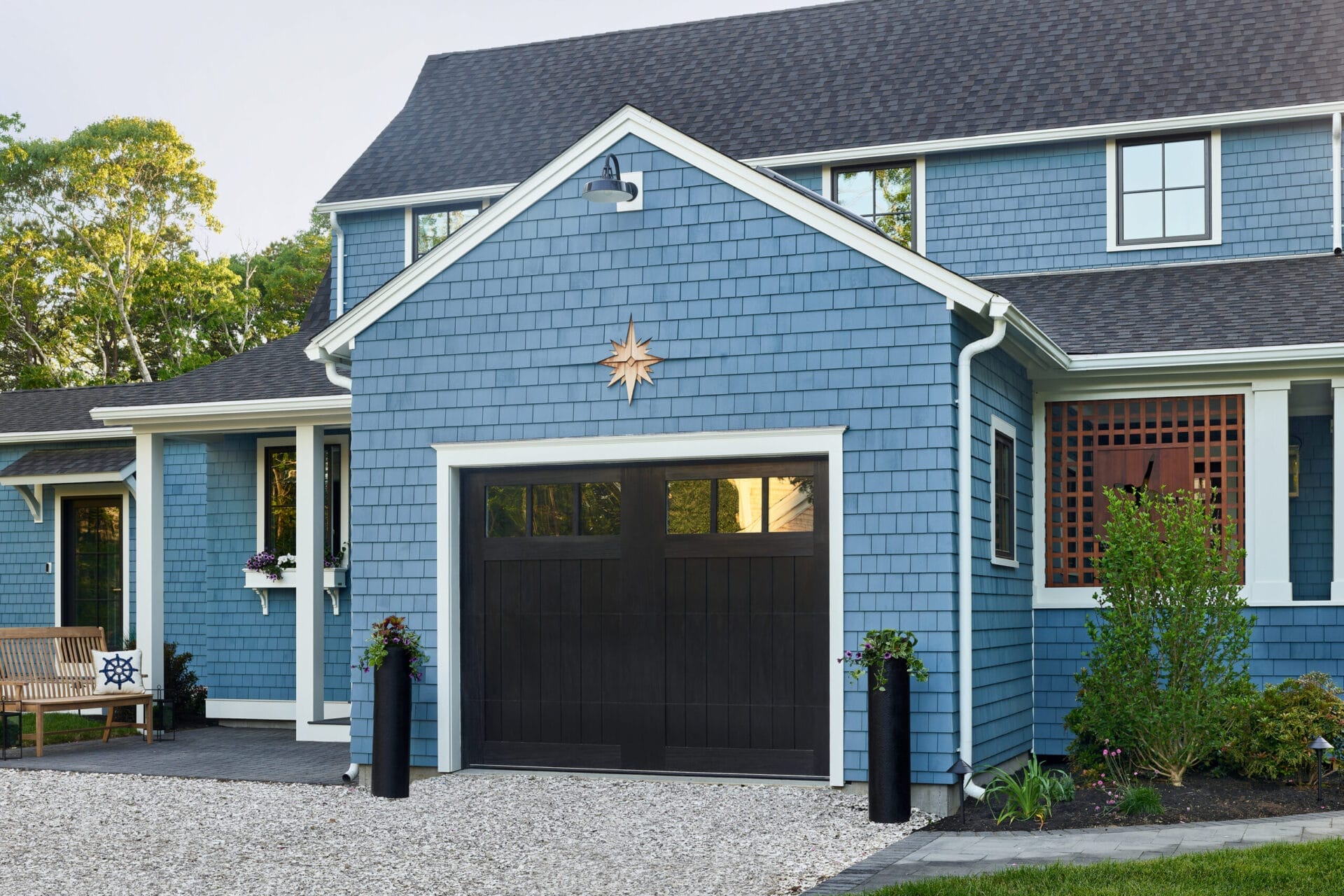
Few exterior materials say “coastal charm” as naturally as cedar shingles. They do not shout. They do not arrive wearing sunglasses indoors. They simply settle onto a home with quiet confidence, like a weathered beach chair that somehow looks better every year. Whether you are refreshing a Cape Cod cottage, dressing up a lake house, or giving a plain suburban exterior a breezy shoreline personality, cedar shingle siding can add warmth, texture, and timeless curb appeal.
Cedar shingles are especially loved on coastal homes because they create a soft, layered look that pairs beautifully with salt air, white trim, blue doors, hydrangeas, stone paths, and that one neighbor who insists every house looks better with a lantern by the garage. Beyond the look, cedar is lightweight, naturally durable, easy to shape around architectural details, and flexible enough for both traditional and modern designs.
Still, cedar shingles are not a “install it and forget it until your grandchildren inherit the porch swing” material. They need smart installation, proper finishing, and regular maintenance. Treat them well, and they reward you with character. Ignore them completely, and they may develop stains, curling, uneven weathering, or mildew faster than you can say, “Maybe vinyl was less dramatic.”
Why Cedar Shingles Feel So Perfectly Coastal
Coastal style is about more than seashell decorations and blue-and-white pillows. At its best, it feels relaxed, natural, and connected to the landscape. Cedar shingles fit this mood because they bring organic texture to a home’s exterior. Unlike flat siding panels, individual shingles create shadow lines and subtle movement. Sunlight changes the look throughout the day, and over time the material develops a lived-in beauty.
On many American coastal homes, especially in New England, cedar shingles have become part of the architectural language. They suit Cape Cod, Shingle Style, Colonial Revival, cottage, farmhouse, and transitional homes. They also work on newer builds that want authenticity without looking like they were assembled from a catalog titled “Beach House, But Make It Expensive.”
The Beauty of Natural Weathering
One of the most recognizable cedar shingle looks is the soft silver-gray patina that develops when cedar is left unfinished. This weathered finish is a major reason homeowners choose cedar near the coast. It blends with dunes, driftwood, stone, cloudy skies, and weather-beaten docks. The result feels natural rather than forced.
However, natural weathering is not perfectly uniform. South-facing walls may lighten faster because of sun exposure. North-facing walls may stay darker and collect more moisture. Shaded areas under trees can develop mildew. This does not mean cedar has failed; it means nature has opinions. If you want a very even color, consider a factory-applied finish, semi-transparent stain, bleaching oil, or solid stain instead of leaving the shingles completely bare.
Cedar Shingles vs. Cedar Shakes: What Is the Difference?
People often use the words “shingles” and “shakes” as if they are twins wearing the same sweater, but they are not identical. Cedar shingles are typically sawn on both sides, giving them a more uniform, refined appearance. Cedar shakes are usually thicker and may have a more rustic split-face texture. For coastal siding, shingles are often chosen when the goal is crisp, classic charm. Shakes are useful when a homeowner wants a bolder, more rugged look.
For exterior walls, cedar shingles can be installed in straight courses for a clean traditional appearance, staggered for a casual cottage feeling, or patterned with details such as flared corners, woven corners, or decorative cuts. Those small design decisions can completely change the personality of the house.
Best Design Ideas for Adding Coastal Charm With Cedar Shingles
Cedar shingles are wonderfully versatile, but the secret is balance. Too little texture and the house may look flat. Too much decorative detail and suddenly your cottage looks like it is auditioning for a gingerbread competition. Here are practical ways to get the coastal look right.
1. Pair Cedar Shingles With Crisp White Trim
White trim is the classic partner for cedar shingles. It sharpens the edges, frames windows beautifully, and gives the exterior that clean coastal contrast. White fascia, porch columns, window casings, and railings can make weathered gray shingles feel intentional rather than neglected.
For a softer look, choose warm white rather than icy white. Warm whites pair especially well with natural cedar tones, creamy stone, and sandy landscaping. If the shingles will weather to gray, test trim colors outdoors before committing. Paint chips behave very differently in sunlight than they do under hardware-store lighting, where everything looks either perfect or suspicious.
2. Add a Coastal Front Door Color
A cedar shingle exterior creates the ideal backdrop for a charming front door. Navy, sea-glass blue, muted teal, sage green, coral, black, and deep red all work beautifully depending on the home’s style. A painted door gives personality without overwhelming the natural siding.
For a traditional Cape Cod feel, try navy or black with brass hardware. For a cheerful beach cottage, seafoam or turquoise can add energy. For a more elegant coastal home, soft gray-green or deep charcoal keeps the look refined.
3. Use Shingles as an Accent, Not Just Full Siding
You do not have to cover the entire house in cedar shingles to enjoy the look. Cedar shingles can be used on gables, dormers, porch walls, bump-outs, or second-story sections. This is a smart approach when budget is limited or when you want texture without making the home feel too rustic.
For example, a white clapboard house with cedar shingle gables can feel instantly more coastal. A modern farmhouse with shingles on the upper level can look warmer and more custom. Even a garage or guest cottage can benefit from shingle accents, especially when tied back to the main house with matching trim or roof colors.
4. Consider Decorative Shingle Patterns
Traditional cedar shingles are usually rectangular, but decorative patterns can add charm. Fish-scale, diamond, arrow, and round-cut shingles are often used in gables or small accent areas. The key is restraint. A small decorative section can look handcrafted and historic. Covering every wall in multiple patterns can make the house look like it lost a bet with a Victorian dollhouse.
Use decorative shingles where the eye naturally lands: above a porch, under a roof peak, around a dormer, or on a small cottage façade. Keep the rest of the siding simple so the detail feels special.
Choosing the Right Cedar Shingle Finish
The finish you choose affects both appearance and maintenance. Cedar can be left unfinished, treated with bleaching oil, protected with transparent or semi-transparent stain, coated with solid-color stain, or painted. Each option has a different personality.
Natural Unfinished Cedar
Unfinished cedar gradually turns gray when exposed to sunlight and weather. This is the easiest look emotionally, because the goal is aging gracefully. It is not always the easiest look practically, because uneven exposure can create color variation. If you love driftwood tones and accept natural variation, unfinished cedar may be perfect.
Semi-Transparent Stain
Semi-transparent stains add color while allowing the grain and texture of cedar to show through. This is a strong choice for homeowners who want a natural wood look with more color control. Warm browns, coastal grays, and soft weathered tones are popular options.
Solid Stain
Solid stain gives more color coverage while still behaving differently from paint. It is useful when you want a uniform exterior color but still want the texture of individual shingles. Soft gray, charcoal, white, taupe, and muted blue are popular coastal choices.
Painted Cedar Shingles
Paint can create a crisp, polished look, but cedar must be prepared carefully. Proper priming, high-quality exterior coatings, and attention to all exposed edges matter. Painted cedar can be beautiful, especially on historic or formal coastal homes, but it usually requires more commitment than letting shingles weather naturally.
Installation Details That Make Cedar Shingles Last
Good cedar shingle siding is not just about what you see from the street. The hidden details behind the shingles often decide whether the siding ages beautifully or becomes a maintenance headache.
Use Proper Fasteners
Coastal homes face moisture, salt air, and wind. Corrosion-resistant fasteners are essential because ordinary fasteners can stain the wood and weaken over time. Stainless steel nails are commonly recommended for cedar shingle siding, especially in coastal environments. Nails should be driven flush, not overdriven, because crushing the shingle can invite problems.
Allow for Expansion and Drainage
Cedar is a natural material, so it expands and contracts with moisture. Proper spacing between shingles helps prevent buckling, curling, and “fishmouthing,” which is the charmingly weird term for shingles that start to bow outward. Behind the siding, a drainage plane or rainscreen helps moisture escape instead of getting trapped.
A rainscreen is especially valuable in coastal and humid climates. It creates a small air gap behind the shingles, encouraging drying after wind-driven rain. Think of it as giving your house a chance to breathe after being slapped in the face by a storm.
Protect Vulnerable Areas
Pay close attention to corners, window trim, roof intersections, decks, and areas near grade. These spots collect water or experience splashback. Shingles should not sit directly against roofing, soil, or flat surfaces where moisture lingers. Proper flashing, clearances, and trim details can add years to the life of the siding.
Maintenance Tips for Coastal Cedar Shingle Siding
Cedar shingles do not require constant fussing, but they do appreciate a little attention. A simple seasonal inspection can prevent small issues from becoming expensive repairs.
Clean Gently
Use gentle cleaning methods rather than aggressive pressure washing. High-pressure water can damage cedar fibers and force moisture behind the siding. A soft brush, mild cleaner, and garden hose are usually safer. For mildew, use a cleaner appropriate for wood siding and follow the manufacturer’s directions carefully.
Watch for Mildew and Algae
Shaded walls, damp corners, and areas under trees are more likely to develop mildew or algae. Trim back vegetation to improve airflow. Keep gutters clear so water does not pour down the siding. If your cedar shingles are trying to grow their own ecosystem, it is time to intervene.
Inspect After Storms
Coastal storms can loosen shingles, damage trim, or push moisture into vulnerable joints. After heavy wind or rain, walk around the house and look for lifted shingles, missing pieces, stains, or areas where flashing has shifted. Early repairs are usually simpler and less expensive.
Refresh Finishes as Needed
Stained or painted shingles need periodic recoating. The exact schedule depends on exposure, climate, product quality, and surface preparation. South and west elevations may need attention sooner than protected walls. Do not wait until the finish is completely gone; maintenance is easier when the coating is only beginning to wear.
How Cedar Shingles Improve Curb Appeal
Cedar shingles add curb appeal because they create depth. Flat siding can look clean, but shingles create rhythm. Each course adds a line of shadow. Each wall feels handmade. This texture photographs well, looks inviting in person, and pairs with many exterior materials.
For coastal homes, cedar shingles work beautifully with stone foundations, brick chimneys, metal roof accents, painted shutters, divided-light windows, pergolas, and natural landscaping. They also soften large houses. A big home covered in flat siding can feel boxy, while cedar shingles break up the mass and make the structure feel more connected to its surroundings.
Common Mistakes to Avoid
The first mistake is choosing cedar shingles only for the look and ignoring the maintenance. Cedar is lovely, but it is still wood. If you want a perfectly uniform, low-maintenance exterior with minimal upkeep, synthetic shingle-style siding or fiber cement may be worth comparing.
The second mistake is poor installation. Cedar shingles need correct spacing, appropriate fasteners, drainage, and flashing. Hiring a contractor with actual cedar shingle experience matters. This is not the time to choose someone whose main qualification is owning a ladder and saying, “How hard can it be?”
The third mistake is choosing a finish without testing samples. Always view samples outdoors, at different times of day, against your roof, trim, and hardscape. Coastal light can make colors look cooler and brighter, while shaded lots can make the same color appear darker.
Where Cedar Shingles Work Best
Cedar shingles are ideal for beach cottages, lake homes, historic renovations, coastal farmhouses, and traditional homes that need texture. They are also excellent for homeowners who value natural materials and are willing to maintain them. In dry, well-ventilated conditions, cedar can perform beautifully for many years. In humid or storm-prone coastal areas, success depends heavily on design details and upkeep.
If your home is close to salt water, discuss fasteners, finishes, ventilation, and maintenance plans with a knowledgeable contractor. Salt air is tough on exterior materials, and cedar shingles need the right supporting details to perform their best.
Experience Section: What Living With Cedar Shingles Really Feels Like
Adding cedar shingles to a home is not just a design decision; it is an experience. The first thing most homeowners notice is how much texture changes the entire mood of the house. A plain exterior can suddenly feel warmer, older, and more settled. The home stops looking like a structure placed on a lot and starts looking like it belongs there. That is the quiet magic of cedar.
In real life, the best cedar shingle projects often begin with a small moment of doubt. You hold a sample board in your hand and wonder whether it is too rustic, too gray, too brown, or too expensive. Then you see it installed across a full wall, and the material starts doing what tiny samples never can: creating depth. Morning light catches the edges. Afternoon shadows settle into the courses. Rain darkens the surface, then the sun slowly brings it back. It feels alive in a way manufactured siding rarely does.
One practical experience many homeowners share is that cedar shingles make exterior color choices easier and harder at the same time. Easier, because cedar pairs beautifully with classic coastal colors. Harder, because the shingles change over time. A trim color that looks bold against fresh golden cedar may feel softer once the siding turns gray. That is why sample testing matters. Paint a few boards, place them near the shingles, and look at them in morning sun, afternoon shade, and cloudy weather. The house will tell you what works, although sometimes it whispers.
Maintenance is also part of the experience. Cedar shingles encourage homeowners to pay attention to their homes. You start noticing which walls dry quickly after rain, where shrubs are too close, which gutters overflow, and where salt spray leaves a faint film. This may sound annoying, but it can actually be useful. A cedar exterior teaches you the microclimate of your property. The north wall behaves differently from the south wall. The porch corner under the big tree may need more cleaning. The sunny gable may weather faster. The house becomes less of an object and more of a relationship.
There is also a satisfaction in small repairs. Replacing a damaged shingle is not glamorous, but it is refreshingly understandable. One piece comes out, another goes in, and the wall keeps its character. With careful matching, repairs can blend naturally over time. This is one reason cedar shingles remain popular in historic and coastal communities: they can be repaired in pieces rather than treated as one giant disposable skin.
The biggest lesson is to choose cedar shingles because you enjoy natural character, not because you expect perfection. Cedar will weather. It will vary. It may show the story of sun, rain, salt, and seasons. For some homeowners, that is exactly the point. Coastal charm is not about looking brand-new forever. It is about aging beautifully, like a favorite dock, a canvas tote, or a porch rocker that has earned its place. Cedar shingles bring that feeling home, one overlapping course at a time.
Conclusion
Adding coastal charm with cedar shingles is one of the most effective ways to give a home warmth, texture, and timeless character. Cedar shingle siding can make a new house feel established, help an older home regain its original personality, and turn simple architecture into something memorable. The look is relaxed but refined, natural but polished, traditional but still flexible enough for modern design.
The key is to treat cedar as both a design feature and a building material. Choose the right grade, finish, fasteners, spacing, drainage, and maintenance plan. Think about how the shingles will weather, how they will pair with trim and roof colors, and how your local climate will affect performance. Done well, cedar shingles do more than decorate a home. They give it a coastal soul, and frankly, most houses could use a little more soul and a little less beige plastic energy.
Note: This article is intended for general homeowner education. For installation, code compliance, structural details, and coastal exposure requirements, consult a qualified local siding contractor or building professional.