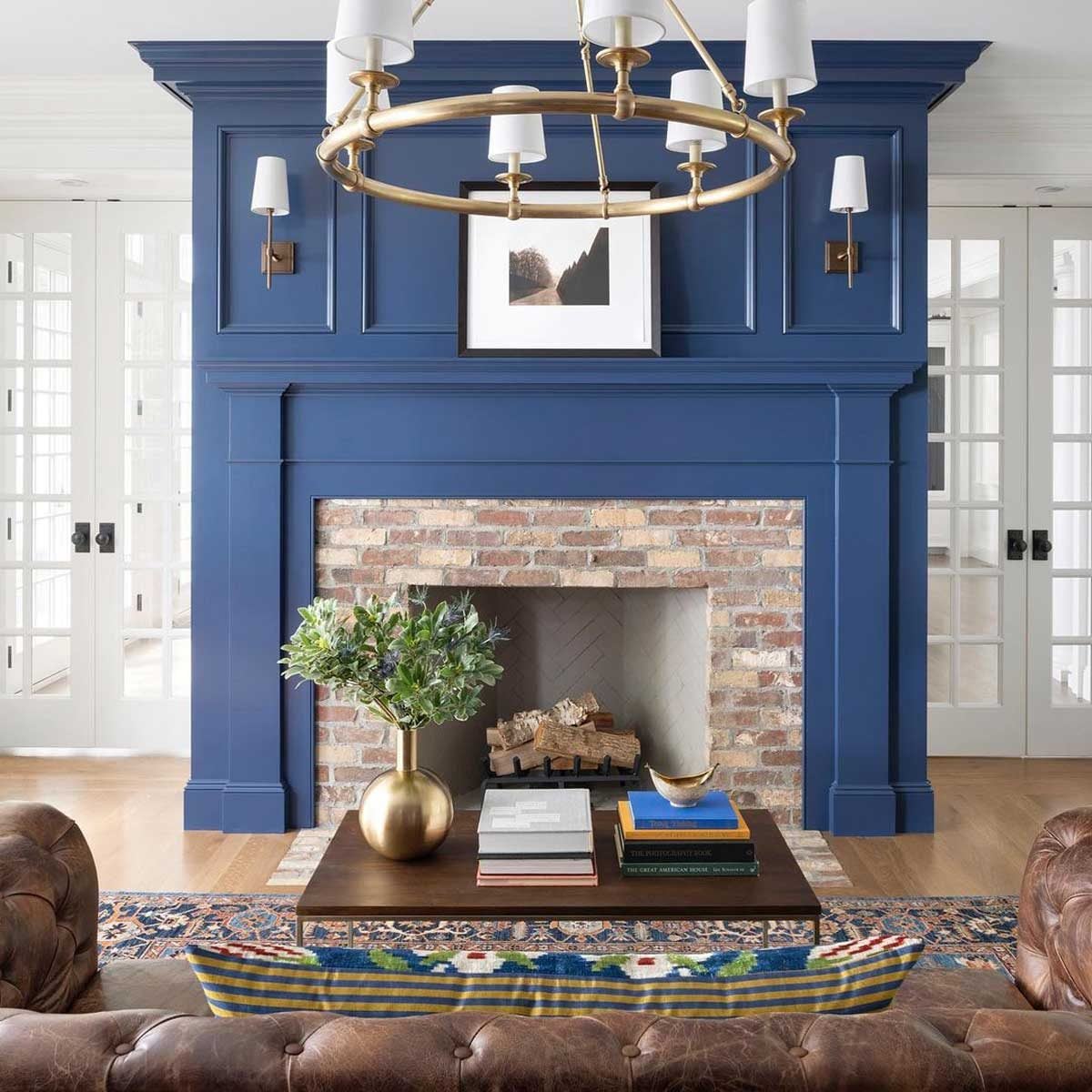
A fireplace already has one enormous decorating advantage: it arrives with built-in drama. Even when it is not blazing, it naturally pulls attention, anchors furniture, and whispers, “Yes, this room has a personality.” The challenge is making that focal point look intentional rather than like a shelf where three candles, an old remote, and somebody’s unopened mail formed a tiny government.
The best fireplace decor ideas work with the architecture, scale, materials, and function of the fireplace. A traditional carved mantel may need only a mirror and two substantial accents, while a clean-lined electric fireplace can handle modern art, sculptural objects, or an entire wall treatment. Across leading U.S. design publications, the recurring advice is consistent: begin with one strong anchor, vary height and texture, repeat a few colors, and leave enough open space for the arrangement to breathe.
Decorate the Entire Fireplace, Not Just the Mantel
A successful fireplace display includes four visual zones: the wall above, the mantel shelf, the surround, and the hearth. Treating all four as one composition prevents the common mistake of piling everything onto the mantel while the rest of the fireplace looks forgotten.
Start by identifying what deserves attention. Is it original brick, dramatic stone, a handsome wood mantel, colorful tile, or a sleek black insert? When the architecture is already beautiful, use fewer accessories. When the fireplace is visually plain, bring in contrast through paint, wallpaper, art, lighting, or a decorative screen. Designers frequently recommend considering the fireplace as a whole, including the firebox and hearth, rather than styling only the eye-level shelf.
1. Choose One Strong Anchor Piece
The easiest route to a polished mantel is to begin with one dominant object. An oversized mirror, framed painting, textile, sculptural panel, or large photograph gives the eye somewhere to land. Without an anchor, small objects tend to line up like nervous contestants at a school talent show.
How Large Should the Anchor Be?
Choose a piece that feels substantial without extending awkwardly beyond the mantel. In many rooms, an anchor roughly two-thirds the width of the mantel creates pleasing proportion, although the architecture and ceiling height should guide the final decision. A vertical piece emphasizes a tall chimney breast, while wide horizontal artwork can balance a long, low mantel.
A mirror is especially useful in a compact or darker room because it reflects light and visually expands the space. Artwork brings more personality and can establish the room’s palette. Pull two or three colors from the art into nearby pillows, books, pottery, or flowers for a coordinated look that does not feel aggressively matched.
2. Try Layered Artwork for a Collected Look
Instead of hanging one piece, lean two or three framed works against the wall and overlap them slightly. Place the largest piece in back, shift it a little off-center, and add smaller frames in front. This creates depth and makes it easy to rotate art seasonally without turning the wall into Swiss cheese.
Layering works best when the pieces share at least one relationship: a similar color family, matching frame finish, repeated subject, or consistent mood. Combine a landscape with a small abstract and a vintage photograph, for example, but avoid using three unrelated pieces that appear to have met five minutes ago in a thrift-store parking lot. HGTV, Better Homes & Gardens, and Real Simple all highlight overlapping or leaned art as a flexible way to create dimension.
3. Use Asymmetry to Make the Mantel Feel Relaxed
Asymmetrical fireplace decor feels casual, modern, and collected over time. Begin with an off-center anchor. On one side, add a tall vase with branches or a slender candlestick. On the other, create a lower grouping using a stack of books, a small bowl, and one sculptural object.
The goal is visual balance, not identical weight. A tall, airy arrangement on one side can be balanced by several shorter, denser objects on the other. Leave visible gaps between groups. Negative space is not unfinished space; it is the part that keeps your mantel from looking like a yard sale with excellent lighting.
4. Choose Symmetry for Traditional Elegance
Symmetry is ideal for formal living rooms, classic interiors, and fireplaces with strong architectural lines. Center a mirror or painting, then flank it with matching sconces, vases, lamps, or candlesticks. The result feels calm and orderly.
To prevent the arrangement from becoming stiff, make the center slightly less predictable. Place a low floral arrangement, decorative box, or small piece of art beneath the anchor. You can also use near-symmetry: matching tall objects on both ends with slightly different smaller accents between them. That keeps the room polished without making it feel as though the decor is standing at attention.
5. Upgrade the Fireplace With Paint or Wallpaper
Sometimes the best fireplace decor is not an object at all. Paint can transform dated brick, highlight mantel molding, or turn the entire fireplace wall into a dramatic feature. Deep charcoal, inky blue, forest green, warm taupe, and creamy off-white can all work, depending on the room.
Three Paint Approaches That Work
- Monochromatic: Paint the mantel, surround, trim, and wall the same color for a tailored, color-drenched effect.
- High contrast: Use a dark fireplace against light walls, or a pale surround against a saturated wall.
- Architectural emphasis: Paint only the mantel or chimney breast to sharpen its outline and showcase molding.
Wallpaper above or around the fireplace adds pattern without occupying mantel space. A botanical print suits traditional or cottage rooms; grasscloth adds texture; geometric paper can modernize plain brick. Major design sources also suggest using saturated paint to emphasize fireplace details and treating the wall above the mantel as an active decorating surface.
6. Add Natural Texture With Greenery and Branches
Greenery softens hard surfaces such as brick, stone, tile, and metal. A tall vase of leafy branches adds height without requiring many accessories. Smaller potted plants, dried grasses, magnolia leaves, olive branches, or seasonal stems can introduce color and movement.
7. Make the Hearth Part of the Design
The hearth is not merely the mantel’s downstairs neighbor. A beautiful screen, sturdy tool set, and well-proportioned log holder can make a working fireplace look finished even when the fire is out. Black iron accessories create graphic contrast, while brass or bronze adds warmth.
Beside a nonworking fireplace, a low basket may hold folded blankets, magazines, or decorative logs. For an active fireplace, however, keep the hearth and nearby floor free of combustible decor and loose household items. Bob Vila specifically advises keeping the hearth clear of objects that could fall and ignite, while chimney-safety guidance warns against combustible materials placed too close to a fire.
8. Style a Nonworking Firebox Creatively
An unused fireplace is not a design failure; it is a shadow box with excellent architectural credentials. Paint the firebox matte black to create depth, then fill it with something substantial rather than many tiny objects.
Good options include stacked birch logs, an arrangement of flameless LED candles, a large piece of pottery, framed art, a basket of blankets, sculptural branches, or a small collection of books. A decorative screen can make the opening feel complete. For a faux fireplace, subtle lighting under the mantel can spotlight art or objects inside the opening. The Spruce, House Beautiful, Bob Vila, Real Simple, and Apartment Therapy all feature nonworking fireboxes used as display space for art, pottery, logs, or candles.
9. Decorate Around a TV Without Creating Visual Chaos
A television above the fireplace is sometimes unavoidable, especially in smaller homes. The trick is to stop fighting the black rectangle and integrate it into the composition.
Keep mantel decor low so it does not block the screen. Use one compact object on each side, or skip objects and add interest through tile, paint, wallpaper, built-ins, or sconces. A dark fireplace wall can reduce contrast when the TV is off. Art-display modes can also help the screen visually participate in the room.
Before mounting a TV above any working fireplace, check the fireplace and television manufacturers’ instructions, heat output, mantel projection, ventilation, wiring, and required clearances. Design publications note that a mantel may help deflect heat, but professional installation and model-specific guidance remain important.
10. Rotate Seasonal Decor Without Rebuilding the Room
Seasonal fireplace decor works best when the permanent foundation stays in place. Keep the main mirror or artwork, then swap smaller elements:
- Spring: Flowering branches, pale ceramics, botanical art, and woven texture.
- Summer: Clear glass, shells used sparingly, bright art, and airy greenery.
- Fall: Copper, amber glass, dried leaves, small pumpkins, and warm textiles.
- Winter: Evergreen branches, pinecones, brass, wood tones, and flameless candlelight.
Limit each seasonal update to two or three motifs. A mantel does not need pumpkins, leaves, acorns, scarecrows, plaid ribbon, wheat, miniature trucks, and a sign explaining that fall has arrived. The weather already sent a memo.
11. Create Style-Specific Fireplace Decor
- Modern: One large abstract artwork, one sculptural vessel, clean lines, and generous negative space.
- Farmhouse: Reclaimed wood, handmade pottery, simple greenery, and a black metal screenedited, not overloaded.
- Traditional: Symmetry, framed art, classic mirrors, brass candlesticks, porcelain, and scaled flowers.
- Bohemian: Layered art, ceramics, plants, woven accents, and repeated earthy colors.
- Coastal: Pale woods, soft blues, linen, clear glass, and one or two natural objects rather than a seashell convention.
Fireplace Decorating Safety Comes First
Beautiful decor should never interfere with safe operation. Keep combustible materials away from the opening and hot surfaces, do not allow garlands or stockings to dangle near flames, and remove nearby holiday decorations before lighting a working fireplace. Follow the appliance manufacturer’s instructions and local code because required clearances vary by fireplace type, mantel projection, construction, and installation.
Use an appropriate fireplace screen, keep the hearth clear, and have wood-burning systems inspected and maintained by a qualified professional. Burn only suitable, properly seasoned wood and never treat the firebox as a place to burn household trash. Maintain working smoke and carbon-monoxide alarms. U.S. Fire Administration, EPA, and chimney-safety resources emphasize careful fuel use, professional inspection, clear space around heat sources, and working safety equipment; current expert guidance also warns against leaving stockings and garlands in place while a fireplace is operating.
Budget-Friendly Fireplace Decor Ideas
A good mantel does not require a shopping spree. Start by “shopping” your own home. Move a framed print from a hallway, borrow a vase from the dining room, stack two attractive books, or display a small object that has genuine meaning. Thrift stores are excellent sources for mirrors, brass candlesticks, frames, pottery, baskets, and old books.
A Practical 15-Minute Mantel Formula
- Clear everything from the mantel and clean the surface.
- Place one large anchor at the center or slightly off-center.
- Add one tall object to establish height.
- Add a lower group of two or three objects on the opposite side.
- Repeat one color or material at least twice.
- Step back, remove one item, and check the result again.
Experience Notes: What a Realistic Fireplace Makeover Teaches
Consider a common composite experience drawn from the kinds of fireplace makeovers homeowners frequently attempt. The room begins with a red-brick fireplace, a narrow oak mantel, a television above it, and a heroic collection of small decor: six framed photos, three candles, a faux plant, two souvenir signs, and one mysterious ceramic bird. Nothing is individually terrible, but together they create visual static.
The first improvement is not shopping. It is subtraction. Once the mantel is cleared, the proportions become obvious: the television is visually heavy, the mantel is too crowded, and the hearth has become accidental storage. Removing the small pieces immediately makes the room calmer. This is the first practical lesson: photograph the fireplace before changing anything, then clear it completely. A photo reveals clutter and imbalance more ruthlessly than the human eye, which is emotionally attached to that ceramic bird.
The second step is choosing a limited palette. In this example, the room already contains warm oak, cream upholstery, black window frames, and muted green pillows. The new fireplace scheme repeats those colors through two low black candlesticks, a cream ceramic bowl, and a small green branch. Because the television occupies the main anchor position, the objects remain low. The effect is coordinated without being perfectly matched.
The third lesson is that scale matters more than quantity. One substantial vessel usually looks better than five tiny accessories. A wide mantel can support a tall branch arrangement, but a shallow shelf may require a narrow vase and restrained stems. Before buying anything, homeowners benefit from testing sizes with cardboard, books, or objects from another room. This low-tech rehearsal prevents the classic mistake of ordering an “oversized” mirror that arrives roughly the dimensions of a polite dinner plate.
The fourth lesson involves the hearth. Once a bulky basket and loose firewood are removed, a simple black screen and compact tool set make the fireplace look cleaner and more architectural. In a nonworking fireplace, that same opening could hold stacked logs or a group of flameless candles. Function determines decor; Pinterest does not get the final vote.
The fifth lesson is to live with the arrangement for several days. Morning light, evening lamplight, and an active fire can change how materials and colors appear. Shiny brass may feel elegant by day but overly bright at night. A plant may look perfect until warm air dries it out. A framed print leaned on the mantel may reflect the TV or block a remote sensor. Small adjustments after real use are not failures; they are part of good design.
The finished fireplace in this composite makeover is not complicated: a simplified palette, two or three correctly scaled objects, a clear hearth, and materials repeated elsewhere in the room. Yet the entire living space feels more intentional. That is the lasting experience behind effective fireplace styling: the goal is not to decorate every inch. It is to help the fireplace connect the architecture, furniture, color, and personality of the room.
Conclusion
The best fireplace decor ideas begin with proportion, purpose, and restraint. Use one strong anchor, create balance through varied heights, repeat colors and materials, and style the mantel, surround, hearth, and nearby wall as one composition. Add seasonal touches in small doses, make nonworking fireboxes useful, and adapt the design to the way your household actually lives.
Most importantly, preserve safe clearances and follow professional guidance whenever the fireplace is operational. A mantel should create warmth visuallynot create the kind of warmth that requires everyone to exit through the nearest door.
Note: Decorative recommendations are general. For a working wood, gas, or electric fireplace, follow the manufacturer’s instructions, local building and fire codes, and advice from a qualified fireplace or chimney professional.