Launching a video game into a crowded marketplace requires more than just flawless code and stunning visual fidelity; it demands a deep, continuous user experience analysis to ensure players remain engaged from their very first session. In today’s digital ecosystem, a single design oversight or an unoptimized control scheme can instantly tank your application metrics. When players encounter friction, frustration quickly translates into a scathing gameplay review, dragging down overall store standing and suffocating organic growth.
Understanding how to systematically evaluate and refine player interaction is no longer optional for modern developers—it is the bedrock of sustained commercial success. By examining actual player sentiment derived from community feedback and targeted Game Reviews, studios can pinpoint precise pain points before they cause mass player churn. In this guide, you will learn how to bridge the gap between technical performance and emotional engagement, leveraging actionable data frameworks to systematically elevate your product’s standing and foster a deeply loyal player base.
1. Mastering User Experience Analysis to Optimize Game Performance and Ratings
1.1 The Strategic Importance of Game UX in Today’s Competitive Market
1.1.1 Why player retention and app store ratings are tied to psychological satisfaction
In the modern gaming landscape, user experience analysis goes far beyond mere bug testing. App store algorithms heavily weigh user sentiment, meaning that average star ratings dictate visibility, organic reach, and initial player trust. When players leave a negative gameplay review, it is rarely due to a single isolated glitch; rather, it stems from unmet psychological expectations. Gamers seek competence, autonomy, and relatedness. If an interface feels hostile or confusing, it directly damages that sense of psychological satisfaction, leading straight to uninstalls and bruised game ratings.
1.1.2 The financial impact of UX debt on long-term project viability
Ignoring foundational interface design creates what developers call UX debt. Fixing structural control issues or poorly explained mechanics post-launch costs exponentially more than addressing them during pre-production. For live-service titles and indie releases alike, poor initial reviews permanently sink conversion rates. Prospective buyers inspect public Game Reviews meticulously before downloading, turning poor usability metrics into a direct threat to studio revenue and long-term project viability.
1.2 Establishing a Framework for Comprehensive User Experience Analysis
1.2.1 Differentiating between technical performance and perceived player experience
A game can run at a flawless sixty frames per second yet still feel completely unresponsive to the player. Technical performance measures hardware output, whereas perceived experience measures psychological resonance. A comprehensive audit must separate raw frame drops from input lag that disrupts player rhythm. Understanding this nuance helps developers isolate whether a sudden wave of negative feedback stems from GPU bottlenecks or confusing game loop pacing.
1.2.2 Mapping the player journey from first launch to long-term mastery
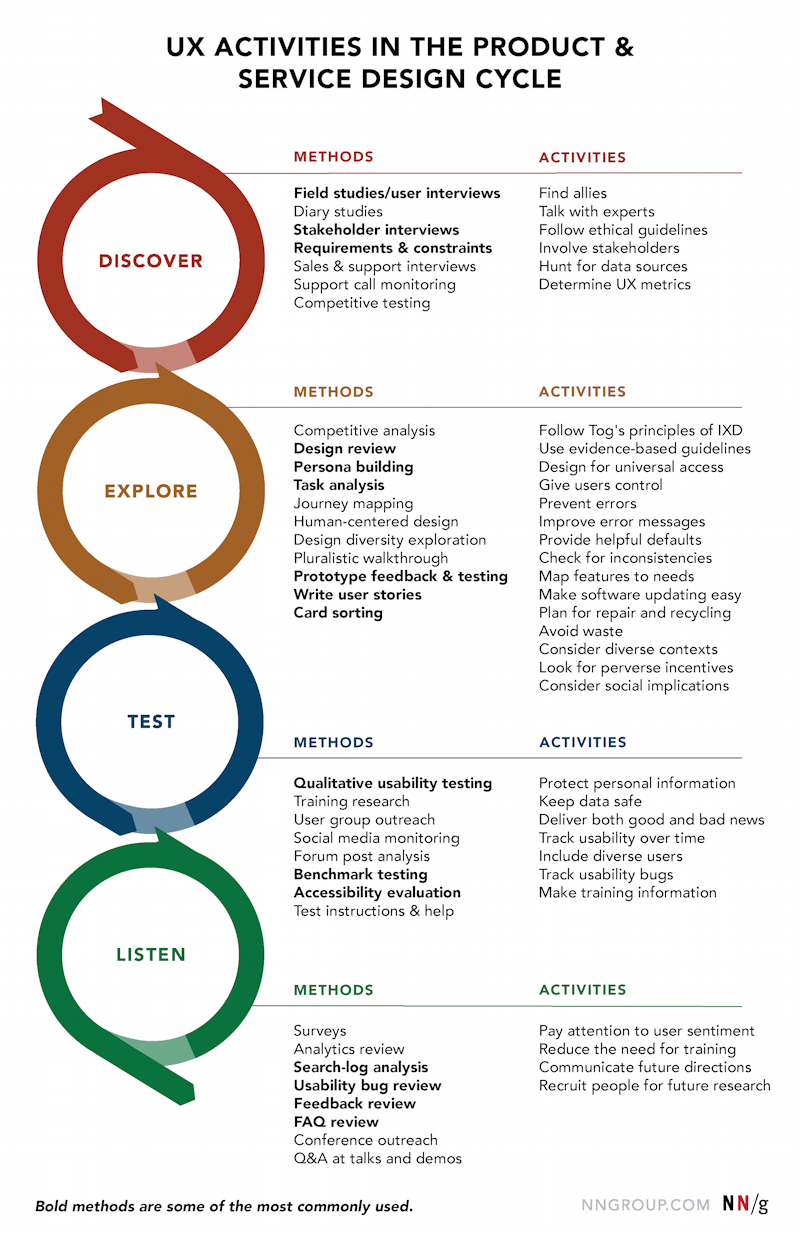
Every successful title relies on a clearly mapped player journey. This trajectory begins at the title screen, extends through tutorial phases, and eventually reaches endgame mastery. Conducting a thorough evaluation at each milestone ensures that difficulty curves and feature unlocks align seamlessly with the player’s growing skill set.
1.3 Core Pillars of High-Performing Game Interfaces and Mechanics
1.3.1 Usability versus emotional resonance in game design
Functional clarity ensures players can easily navigate menus, while emotional resonance makes them care about the world. A stellar inventory screen must balance clean utility with artistic immersion. Striking this delicate balance prevents interface elements from breaking the narrative spell.
1.3.2 Identifying the friction points that trigger negative reviews
Friction points are the invisible barriers that frustrate players, ranging from unskippable cutscenes to convoluted upgrade trees. Analyzing public feedback helps isolate these exact pain points, allowing development teams to deploy targeted patches that directly improve public perception.
1.4 Tools and Methodologies for Modern UX Audits
1.4.1 Balancing quantitative telemetry with qualitative observational data
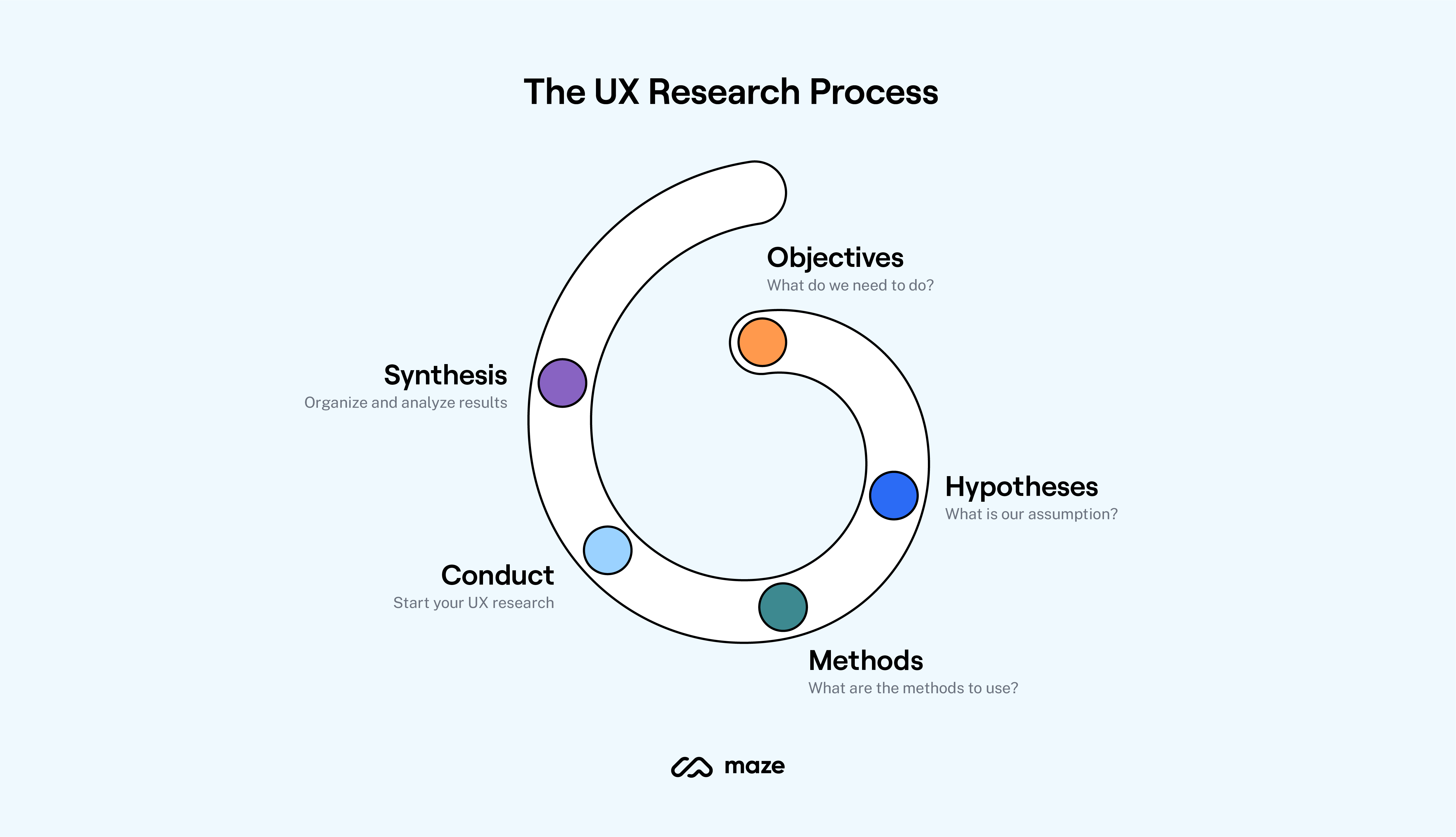
Quantitative telemetry reveals where players die or drop off, but it rarely explains why. Pairing telemetry heatmaps with qualitative user testing provides a complete picture of player behavior.
1.4.2 Applying heuristic evaluation to measure game interface accessibility
Heuristic evaluations allow design teams to measure their interfaces against established usability principles. This practice ensures that typography, color contrast, and control mapping remain accessible to all players, paving the way for sustained, positive community sentiment.
2. Transforming UX Data into Measurable Rating Improvements
2.1 Solving Technical and Design Bottlenecks Through Diagnostic Research
2.1.1 Reducing onboarding friction to prevent early player churn
The first few minutes of a title often dictate its public reception. When a game forces unskippable tutorials or buries players in walls of text, early reviews suffer dramatically. Streamlining the onboarding sequence ensures players reach the core mechanics quickly, directly protecting your app store standing and overall game ratings.
2.1.2 Optimizing control schemes and input latency across diverse hardware
Technical performance heavily influences public perception. Even a brilliant concept will earn a scathing
gameplay review
if inputs feel sluggish or unsupported on common setups. Prioritizing hardware compatibility and responsive control mapping eliminates a primary source of hardware-related player frustration.
2.1.3 Streamlining information architecture to reduce UI clutter and cognitive load
Overburdening the screen with unnecessary menus or chaotic heads-up displays overwhelms users. A clean, intuitive interface lets players focus on the core challenge rather than fighting the menu layout, which consistently translates to higher community
Game Reviews
over time.
2.1.4 Balancing difficulty curves to eliminate unfair frustration loops
Spikes in difficulty without adequate preparation cause abrupt player drop-off. Conducting a thorough user experience analysis helps developers identify where players get stuck, allowing for better pacing that keeps engagement high and negative reviews low.
2.2 Implementing Behavioral Psychology to Drive Positive Player Sentiment
2.2.1 Leveraging flow states and reward schedules to boost intrinsic motivation
Designing mechanics that keep users in a state of deep focus creates positive psychological rewards. Well-timed feedback and milestones encourage longer play sessions and foster the kind of satisfaction that drives organic, enthusiastic ratings.
2.2.2 Using predictive data science to map friction points in real-time
Advanced telemetry allows teams to track exact moments where users struggle or quit. Fixing these invisible roadblocks before they trigger public complaints is a hallmark of proactive studio management.
2.2.3 Developing adaptive difficulty systems to support variable skill levels
Not every gamer has the same reflexes or tactical experience. Implementing subtle scaling keeps casual players from feeling alienated while still offering seasoned veterans a satisfying challenge.
2.3 Creating a Continuous Feedback Loop for Sustained Growth
2.3.1 Mining community feedback from Discord, Reddit, and store pages
Public forums provide a wealth of unfiltered player sentiment. Regularly analyzing these digital spaces reveals recurring pain points that automated metrics might miss entirely.
2.3.2 Prioritizing the development backlog based on player sentiment severity
Not all bugs or design flaws carry equal weight. Sorting your update pipeline by how heavily an issue impacts user happiness ensures your patches deliver maximum value where it counts most.
2.3.3 Establishing A/B testing protocols to validate UX changes against rating metrics
Before rolling out major interface overhauls to your entire audience, test variations on a subset of users. Measuring how these tweaks influence retention and satisfaction guarantees your updates achieve their intended goals.
Mastering a meticulous user experience analysis is no longer just a nice-to-have for developers; it is the ultimate differentiator between a title that fades into obscurity and one that dominates game reviews and app store rankings. By systematically diagnosing onboarding friction, refining control schemes, and addressing the root causes behind a critical gameplay review, development teams can transform frustration into genuine player delight. Ultimately, the journey to higher game ratings relies on treating player sentiment not as a moving target, but as actionable data that guides every iteration of your design backlog.
Sustaining this success requires building permanent feedback loops that bridge the gap between studio metrics and community expectations. When you prioritize empathy alongside telemetry, you create stable environments where players feel heard, valued, and immersed. Whether you are prepping for a major launch or patching a live-service ecosystem, keeping your finger on the pulse of player experience ensures long-term retention and lasting commercial viability.