Remember the exact moment in a game when you casually selected a response, only to watch in absolute horror hours later as your favorite companion packed their bags and left forever? That visceral punch is the power of dialogue choice consequences at work. In rich narrative environments, particularly within Adventure Games and sprawling role-playing epics, what we say often carries far more weight than any sword we swing or spell we cast. These pivotal conversation moments transform passive players into active co-authors of a virtual history, where a single ill-advised remark can turn a steadfast ally into a bitter rival.
Whether you are analyzing the psychological drivers behind player agency, trying to map out complex branching storylines, or simply wondering why your active quest log management suddenly looks entirely different, understanding how developers weave decisions into dialogue is fascinating. In this deep dive, we will explore how writers balance emotional stakes with technical limitations, examine real-world examples from industry-defining titles, and look at practical ways to navigate these branching narratives without losing your mind—or your favorite save file.
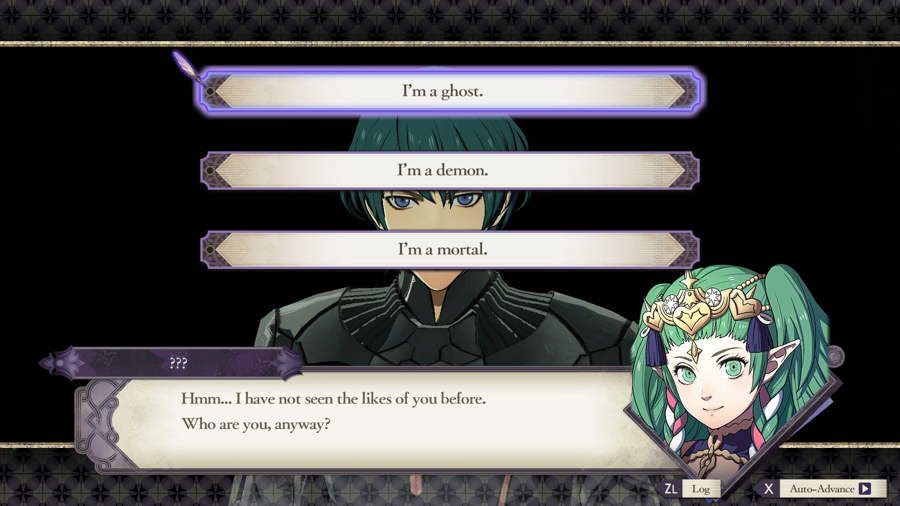
1. Understanding the Mechanics of Dialogue Choice Consequences in Modern RPGs
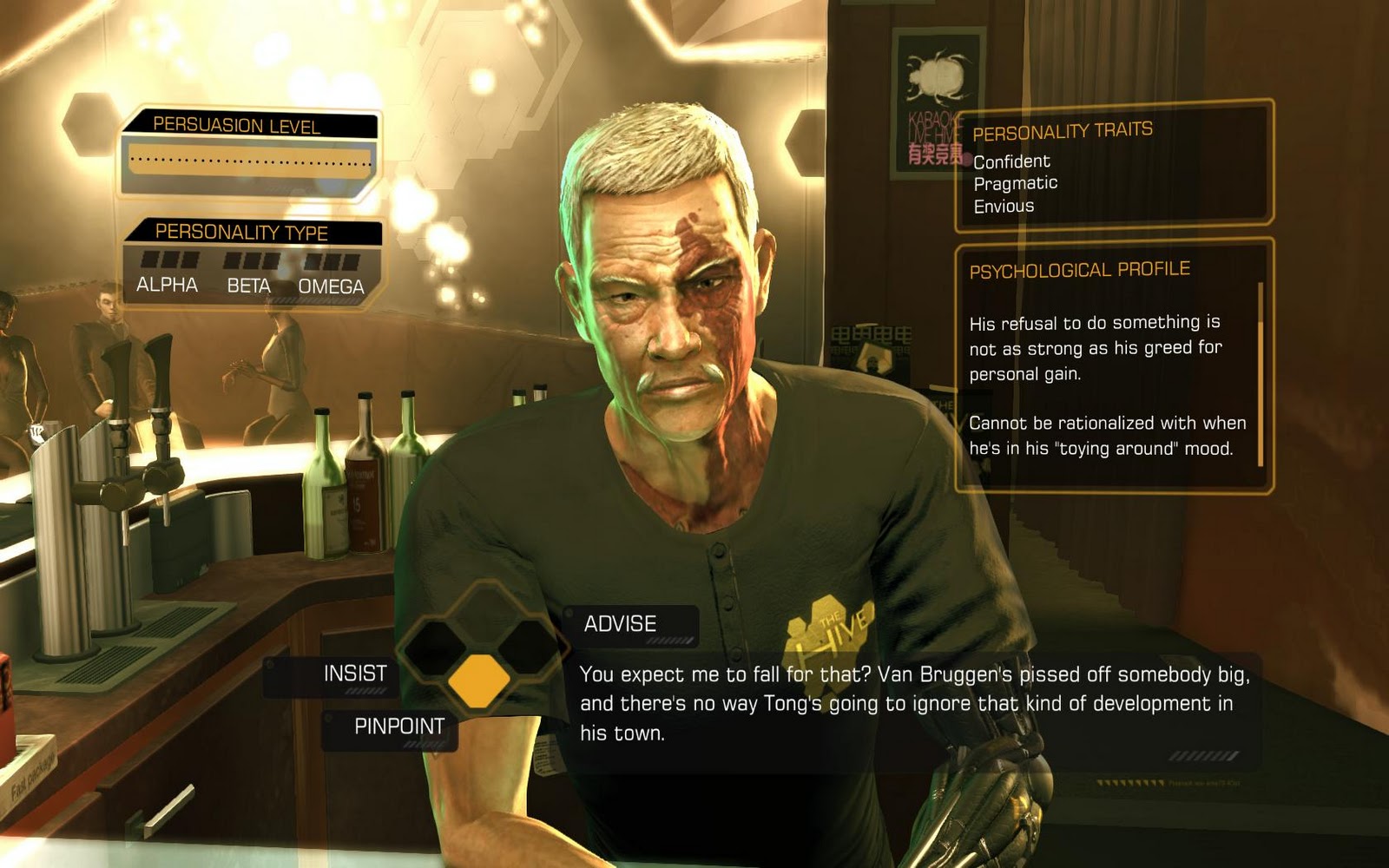
1.1 The Psychological Drivers of Player Agency
1.1.1 How emotional stakes influence long-term player commitment
When players invest dozens of hours into Adventure Games, their engagement relies heavily on emotional resonance. Dialogue choice consequences act as the primary catalyst for this investment. If a conversational slip-up leads to the permanent loss of a beloved companion, the player feels genuine regret rather than casual annoyance. This psychological weight transforms a routine gaming session into a deeply personal journey, elevating the narrative from a passive story to an active, high-stakes experience.
1.1.2 Balancing player curiosity with the desire for authentic outcomes
Developers constantly navigate a delicate psychological balance. Players want the freedom to explore wild conversational paths out of pure curiosity, yet they simultaneously crave authentic, logical reactions from the virtual world. When a game respects player choices by delivering uncompromised, realistic fallout—even harsh or unintended ones—it validates their curiosity without breaking immersion or cheapening the emotional stakes of the overarching plot.
1.2 Categorizing Dialogue Consequences by Narrative Impact
1.2.1 Cosmetic choices versus path-altering branches
Not all decisions carry the same weight within a script. Cosmetic choices alter an immediate line of text or a character’s fleeting mood without changing the macro story. Conversely, path-altering branches rip up the script entirely, locking out entire regions or shifting the ultimate destination of the campaign. Recognizing this spectrum helps players manage their expectations and helps designers allocate their writing resources efficiently.
1.2.2 The difference between immediate reactions and delayed world-state shifts
Immediate reactions provide instant gratification, such as an NPC gasping or drawing a weapon right on the spot. Delayed world-state shifts, however, plant narrative seeds that might not sprout until ten or twenty hours later. A seemingly innocuous conversation in the first act might unexpectedly determine the fate of an entire kingdom during the finale, rewarding attentive players with profound continuity.
1.2.3 Utilizing invisible state variables and hidden affinity systems
Beneath the surface of complex branching narratives lie invisible state variables. Instead of broadcasting every statistical impact, games often track subtle behavioral trends, such as your tendency toward mercy or pragmatism. These hidden affinity systems quietly orchestrate future encounters, ensuring that dialogue choice consequences feel organic rather than overtly mechanical or predictable.
1.3 Essential Design Principles for Branching Narratives
1.3.1 Managing scope to prevent exponential writing bloat
Writing a fully branching story can quickly spiral out of control due to exponential math. If every conversation splits into three distinct paths, the script volume multiplies with every single node. Smart narrative designers utilize intelligent convergence points and modular writing techniques to keep scope manageable without sacrificing the illusion of infinite player freedom.
1.3.2 Techniques for merging disparate story threads without diminishing player agency
To prevent development bloat, writers must eventually funnel divergent paths back toward a common narrative trunk. The secret to doing this successfully lies in how the game acknowledges the player’s unique journey. Even if two different choices lead to the same fortress siege, the dialogue leading up to it must reflect how you got there, validating your prior decisions.
1.3.3 Establishing clear feedback loops so players recognize the results of their decisions
Dialogue choice consequences lose their impact if players cannot connect the dots between cause and effect. Establishing robust feedback loops—whether through updated quest logs, altered merchant inventories, or direct NPC callouts—ensures that players clearly recognize the tangible results of their past conversations.
2. Avoiding Common Pitfalls and Optimizing Choice-Driven Design
2.1 Addressing the Illusion of Choice and Player Frustration
2.1.1 Preventing the feeling of narrative invalidation when choices converge
When players invest emotional energy into branching narratives, realizing that distinct decision paths ultimately lead to the exact same bottleneck can feel deeply unsatisfying. To prevent this narrative invalidation, designers must ensure that convergence points acknowledge prior actions. Even if the overarching plot requires two paths to meet, the emotional tone, acquired resources, or status of minor factions should reflect how the player arrived there. This preserves a sense of individual agency within complex Adventure Games.
2.1.2 Ensuring dialogue prompts accurately reflect the intended character action
A frequent source of player friction occurs when a short, ambiguous dialogue wheel prompt results in a spoken line that completely misaligns with player intent. Precision in writing is paramount. If a prompt reads as a mild disagreement, it should not trigger an aggressive verbal assault or an accidental betrayal. Clear communication between interface designers and writers ensures that what players think they are saying matches the actual consequences unfolding on screen.
2.1.3 Mitigating player disappointment when choices lead to unforeseen outcomes
Subverting expectations is a staple of compelling storytelling, but sudden, arbitrary punishments for logical choices breed resentment. When dialogue choice consequences result in negative outcomes, the game should ideally lay subtle narrative groundwork beforehand. Players accept tragic losses if they feel they missed warning signs through environmental storytelling or companion hints, turning initial disappointment into a motivating drive for future playthroughs.
2.2 Real-World Applications and Successful Industry Frameworks
2.2.1 Analyzing the node-based narrative structures of Baldur’s Gate 3
Modern masterpieces like Baldur’s Gate 3 demonstrate how intricate node-based writing can accommodate thousands of micro-decisions without collapsing under its own weight. By treating dialogue options as dynamic flags that alter world states, developer frameworks allow players to bypass entire combat encounters, deceive major antagonists, or reshape political landscapes entirely through conversation.
2.2.2 Integrating gameplay repercussions like lock-outs and combat environmental changes
Meaningful narrative design extends far beyond cutscenes. When words carry weight, they directly influence mechanical systems. A poorly chosen insult can lock players out of lucrative vendor inventories, while convincing an NPC to abandon their post might alter structural layouts or enemy placements during subsequent combat sequences.
2.2.3 Creating memorable companion loyalty arcs through consistent dialogue interactions
Companion relationships thrive on consistency. Rather than relying on a single major decision, memorable loyalty arcs evaluate accumulated dialogue choices over dozens of hours. Players must carefully navigate quest log management while balancing party member approvals, ensuring that every casual camp conversation or tense roadside negotiation reinforces long-term bonds.
2.3 Strategic Best Practices for Game Writers and Players
2.3.1 Best approaches for writers to maintain thematic consistency across multiple endings
Writers must establish core thematic pillars early in development to anchor divergent storylines. Whether exploring themes of sacrifice, corruption, or redemption, every branch must speak to that central thesis. This discipline ensures that regardless of which final dialogue option a player selects, the conclusion feels like a natural thematic capstone rather than a random permutation.
2.3.2 Why players should embrace organic outcomes over save-scumming or guides
While reloading saves to witness every possible outcome is tempting, it often strips choice-driven mechanics of their authentic emotional weight. Embracing unexpected failures and imperfect resolutions fosters a deeply personal story. Engaging with the narrative organically transforms mistakes into memorable, defining chapters of the player’s unique journey.
2.3.3 Balancing linear main quest requirements with open-ended dialogue freedom
A successful narrative framework achieves harmony between a driving central plot and player expression. While the destination may remain fixed to serve the overarching epic, the journey must bend to accommodate player choice. By granting absolute freedom in how characters converse, investigate, and negotiate, developers craft immersive worlds where every word leaves a lasting mark.
Crafting compelling branching narratives is a delicate balancing act between technical design and creative writing. When handled with care, dialogue choice consequences breathe life into Adventure Games and epic role-playing journeys, transforming passive viewers into invested active participants. From managing invisible affinity meters to designing meaningful world-state shifts, every decision a writer makes ripples through the player experience.
Ultimately, the true magic of interactive storytelling lies in honoring player agency without letting narrative scope spiral out of control. By focusing on authentic emotional stakes, clear feedback loops, and organic outcomes rather than illusionary shortcuts, developers can create unforgettable journeys. Whether you are a writer shaping your next branching script or a player diving into your next virtual adventure, embracing the unpredictable weight of your words makes every playthrough genuinely your own.