There is a unique kind of tension that comes with watching your inventory space dwindle while a harsh digital storm rolls in across the horizon. Effective resource scarcity survival requires more than just aggressive looting; it demands a disciplined mindset where every single nail, bandage, and scrap of metal carries a measurable value. In the vast and unforgiving landscape of open world survival titles, the line between thriving and restarting from scratch often boils down to how carefully you manage your dwindling supplies.
Whether you are navigating a radioactive wasteland or building a homestead from the ground up, random scavenging will eventually lead to frustration and inventory bloat. To truly master these mechanics, players must learn to treat their virtual environments through the lens of environmental storytelling, using visual cues and map layouts to predict where valuable loot is actually hidden rather than blindly searching every corner. Over the course of this guide, you will learn how to optimize your inventory economy, establish reliable extraction loops, and turn desperate survival situations into predictable, long-term success.
1. Strategic Fundamentals of Resource Scarcity Survival in Open World Games
1.1 Mastering Inventory Economy and Item Prioritization
1.1.1 The Mathematics of Inventory Slots and Weight Limits
Successful open world survival relies entirely on how you treat every square inch of your backpack. Game economies are built on strict carrying capacities, meaning every piece of junk you pick up comes at the direct expense of high-tier crafting components or ammunition. Treat your inventory slots as a finite budget where raw weight equates to stamina drain and movement speed.
1.1.2 Categorizing Essential Survival Gear Versus Luxury Loot
To avoid becoming overburdened mid-exploration, you must ruthlessly categorize your finds. Absolute essentials like healing poultices, clean water, and repair kits take priority over high-value trade trinkets. If an item does not directly keep you alive, extend your operational range, or solve an immediate environmental hazard, leave it behind or scrap it on the spot.
1.1.3 Implementing Tactical Consumption Over Hoarding Behaviors
Hoarding rare items for a hypothetical boss fight that may never happen is a classic trap. Instead, adopt a philosophy of tactical consumption. Using a rare buff potion to clear a dangerous dungeon exploration loot run quickly often nets you far more resources than you expend, keeping your net inventory growth positive.
1.2 Developing Efficient Scavenging and Extraction Cycles
1.2.1 Mapping High Yield Resource Nodes for Optimal Travel Routes
Wandering aimlessly drains your caloric intake and durability meters. Instead, study your map to plot loops that connect high-yield resource nodes, safe zones, and extraction points. Efficient travel minimizes exposure to hostile wildlife and unpredictable weather anomalies.
1.2.2 Establishing Centralized Base Operations and Secure Storage Networks
Your pockets cannot hold everything, so establishing a central base is non-negotiable. Build secure storage containers near fast-travel points or high-traffic regions to offload surplus materials. A well-organized base transforms chaotic survival into a streamlined industrial logistics loop.
1.2.3 Transitioning from Manual Foraging to Sustainable Automated Farming
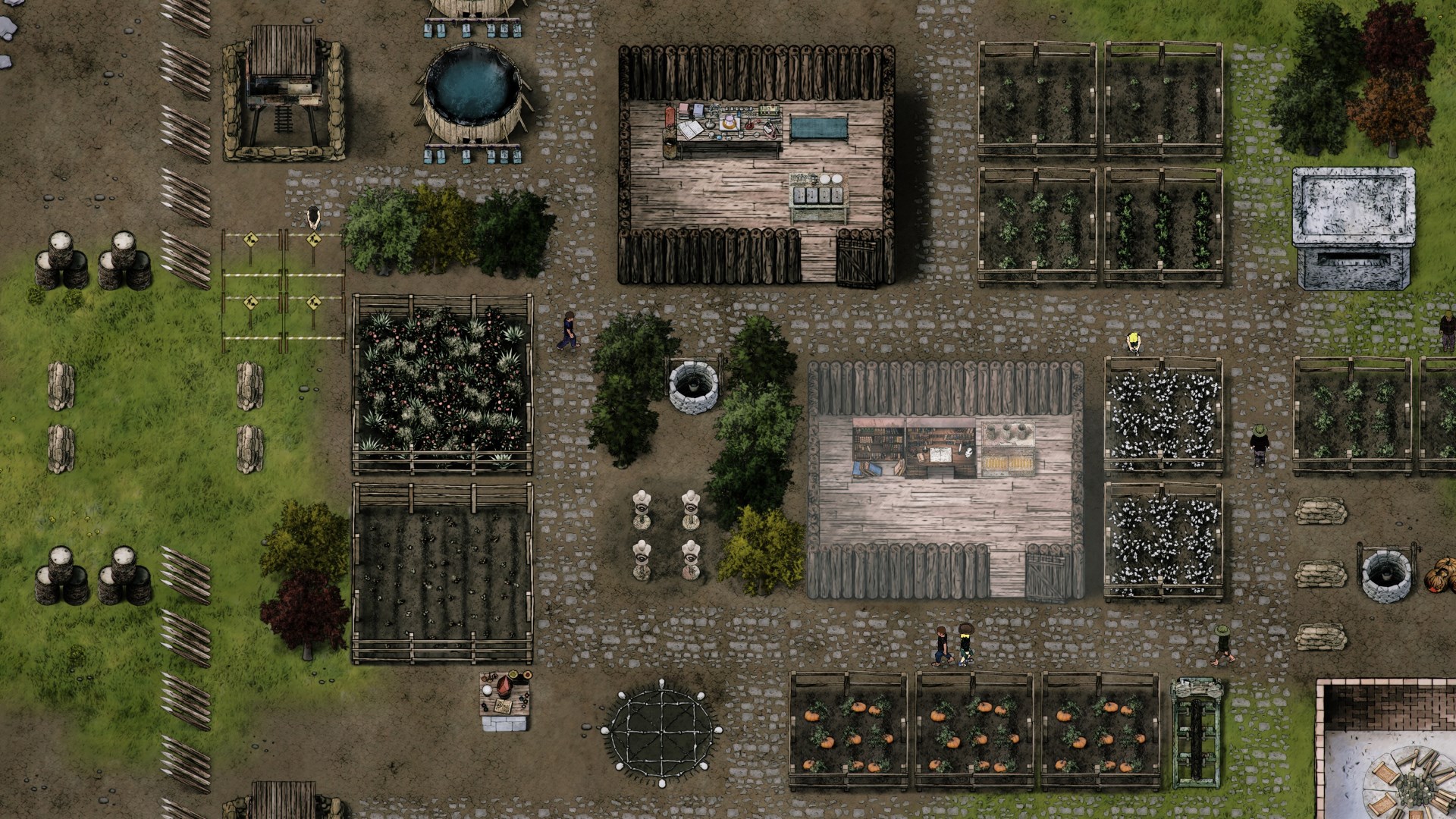
Manual foraging is a temporary early-game fix. Long-term stability requires shifting toward automated resource generation, such as rain collectors, animal traps, and crop plots. Once your base runs itself, you can focus entirely on high-risk expeditions rather than daily survival chores.
1.3 Mitigating Risks During Resource Depletion Events
1.3.1 Identifying Non-Replenishable Materials and Unique Endgame Assets
Not all resources regenerate. Certain unique components, legendary crafting materials, and quest-locked items exist in strictly limited quantities per playthrough. Catalog these rare assets immediately and check out resources like this guide on best sandbox simulation games to understand how different titles handle long-term world decay and item permanence.
1.3.2 Building Decision Matrices for High Stakes Bartering and Trading
When supplies run dry, bartering becomes your lifeline. Construct a mental decision matrix based on current needs: trade away surplus common materials only when your health or ammunition reserves hit critical thresholds. Never trade away items required for base maintenance or medical crafting.
1.3.3 Strategies to Prevent Catastrophic Loss Upon Character Death
Death in hardcore survival games often strips you of everything you carry. Mitigate this devastation by stashing backup gear kits in your base locker. Furthermore, always pack a lightweight emergency escape kit containing a teleport scroll or emergency rations to ensure you can retreat safely when a scavenging run goes sideways.
2. Advanced Adaptation Strategies for Resource Scarcity Survival Across Genres
2.1 Applying Tactical Resource Mastery to Specific Game Environments
Mastering resource scarcity survival requires shifting your mindset depending on the digital landscape you inhabit. Mechanics that keep you alive in a lush wilderness sandbox will often fail miserably in a gritty urban wasteland.
2.1.1 Navigating Post-Apocalyptic Wasteland RPGs
In post-apocalyptic settings, your primary enemies are radiation, structural decay, and a severe lack of pre-war currency or clean water. Open world survival in these environments relies heavily on scavenging ruined corporate offices, abandoned highways, and decaying fallout shelters. Because vendors are few and far between, every rusty bolt and roll of duct tape must be evaluated for its long-term crafting utility rather than its immediate market value.
2.1.2 Managing Crafting Loops in Wilderness Survival Sandboxes
Wilderness sandboxes turn nature itself into your harshest opponent. Here, the focus shifts to maintaining core physiological meters—hunger, thirst, core temperature, and stamina. You need to establish sustainable crafting loops early, turning raw timber, stone, and animal hides into wearable shelter and reliable tools. Neglecting basic shelter maintenance before exploring deep into unknown biometrics usually results in a swift, frustrating death far from your spawn point.
2.1.3 Thriving in Hardcore Strategy and Depletion Simulators
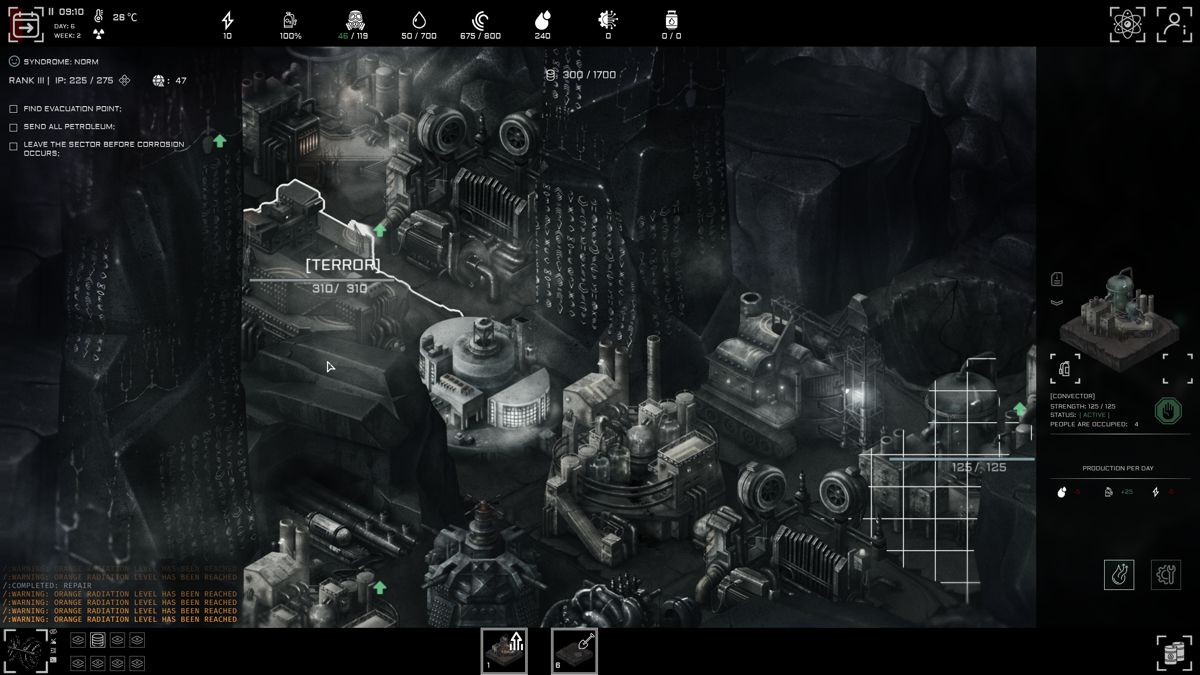
Strategy and depletion simulators test your logistical foresight. Instead of managing a single avatar, you often oversee communities, supply lines, or sprawling technological bases. Success depends on projecting consumption rates over dozens of in-game days. If you fail to balance workforce allocation with raw material input, your entire operation will collapse into a cascading economic failure.
2.2 Resolving Common Resource Management Challenges
Even seasoned players hit roadblocks when inventory bloat and poor logistical planning begin to choke their progression. Overcoming these hurdles separates casual explorers from true survivors.
2.2.1 Techniques for Eliminating Inventory Overload and Clutter
Inventory management is a puzzle of prioritization. Stop hoarding low-tier materials that you can easily acquire on demand. Streamline your carrying capacity by regularly dumping non-essential items into secure storage bins and packing only emergency rations, bandages, and primary defense tools.
2.2.2 Determining When to Deploy Rare Consumables Against Bosses
Many players fall into the trap of saving rare stims, explosive charges, and top-tier elixirs for a hypothetical “later” moment that never arrives. If a boss encounter is stalling your progress, or if environmental hazards threaten total gear destruction, deploy your assets. Survival games are designed to drain your reserves, and hoarding rare gear offers zero value if you are dead.
2.2.3 Differentiating Between Procedurally Regenerated and Finite Nodes
Always study the economic rules governing your game map. Procedurally generated resource nodes will return over time, making them safe targets for regular harvesting loops. In contrast, unique endgame assets and high-tier melee weapon upgrades often rely on finite spawn points. Protect your finite materials fiercely, reserving them strictly for crucial milestone upgrades.
2.2.4 Choosing Optimal Base Locations to Minimize Logistics Downtime
Your base camp should never be tucked away in a visually pleasing but geographically isolated corner of the map. Build your operational headquarters near intersecting trade routes, water sources, and diverse resource biomes. Minimizing transit time between your storage containers and active scavenging zones ensures you spend less time walking and more time surviving.
Mastering resource scarcity survival in open world games transforms how you experience virtual landscapes, turning moments of panic into calculated triumphs. By shifting your mindset from a panicked hoarder to a strategic supply chain manager, you gain the upper hand against unforgiving environments, punishing weight limits, and relentless enemies.
Whether you are navigating post-apocalyptic ruins, surviving deep wilderness sandboxes, or managing intricate crafting loops, success relies entirely on deliberate preparation. Remember that every item has a cost, every journey requires a purpose, and tactical restraint will always outlast impulsive consumption. Embrace the challenge, plan your extraction routes with precision, and let every hard-fought victory remind you that in the world of open world survival, ingenuity is your greatest asset.