Editor’s note: This Backyard Discovery Greenhouse review is based on current product specifications, retailer listings, expert greenhouse-buying guidance, and real owner feedback from U.S. shopping and home-improvement sources.
If you have ever tried to start tomato seedlings on a windowsill, you already know the emotional arc: optimism, overcrowding, one mysterious gnat, and a basil plant leaning toward the light like it is auditioning for community theater. That is where a backyard greenhouse starts looking less like a luxury and more like a very reasonable life upgrade.
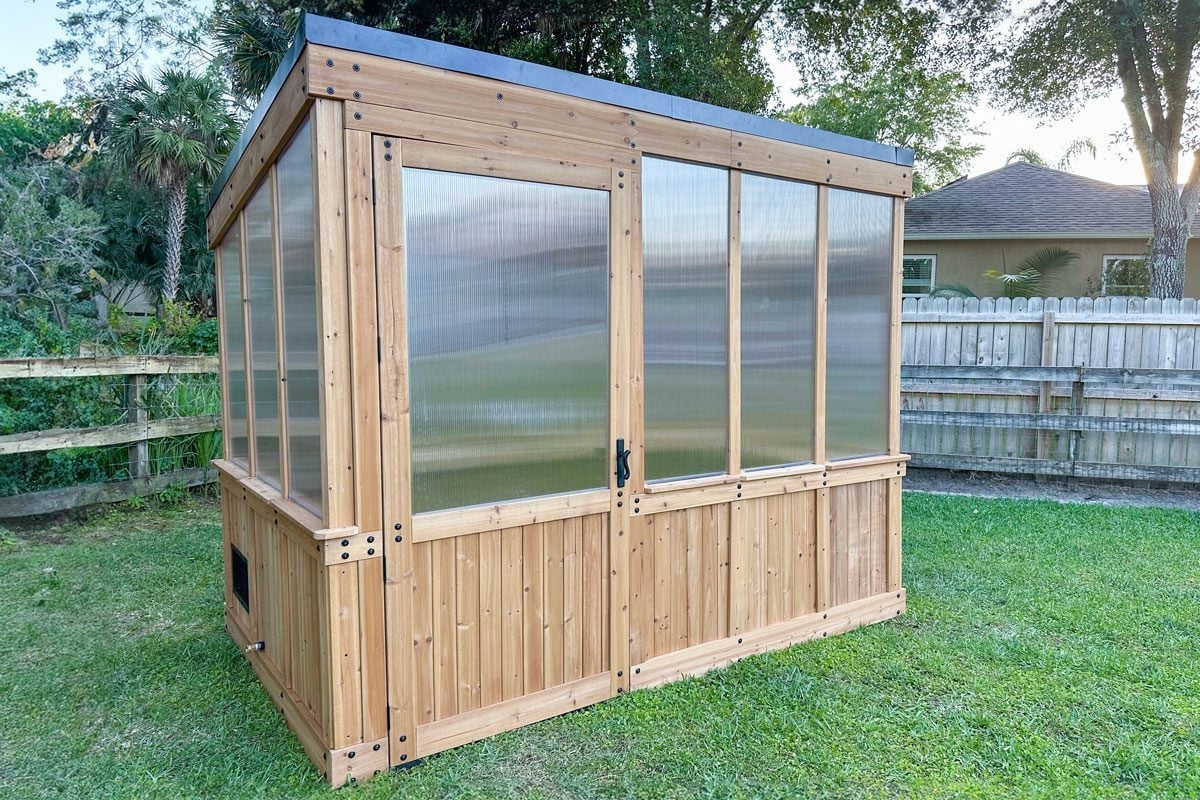
The Backyard Discovery greenhouse line has become popular because it looks less like a plastic tent and more like a tiny garden cottage that accidentally became useful. With cedar framing, polycarbonate panels, built-in shelving, ventilation, hose hookups, and a power station, it promises a polished growing space for herbs, vegetables, flowers, seed starts, and year-round gardening projects.
But does it actually deliver? After evaluating the Backyard Discovery Willow and Bellerose-style greenhouses, comparing specifications, digging through owner reviews, and studying assembly feedback, here is the honest verdict: this is a sturdy, attractive, feature-rich greenhouse kit for gardeners who want a long-term structurenot a quick weekend pop-up. It is not cheap. It is not tiny. It is not something you casually assemble between brunch and a nap. But for the right backyard, it can be a genuinely impressive upgrade.
What Is the Backyard Discovery Greenhouse?
The Backyard Discovery greenhouse is a ready-to-assemble outdoor greenhouse kit made primarily from cedar wood and commercial-grade polycarbonate panels. Depending on the model, the line includes compact options like the Willow 9×6 greenhouse, traditional models such as the Bellerose, and larger builds like the Bellerose XL.
The big appeal is that Backyard Discovery does not sell a bare-bones shell and then make you buy every useful feature separately. Many models include a temperature-activated exhaust fan, passive ventilation windows, staging shelves, a workstation, interior and exterior hose hookups, and the brand’s PowerPort system with electrical outlets and USB ports. The power source itself is not included, but the setup makes it easier to add fans, misters, lights, heaters, or seedling mats.
In plain English, it is designed for people who want a real gardening workspace, not just a transparent box where plants go to contemplate their life choices.
Backyard Discovery Greenhouse Specs and Features
The exact specifications depend on the model, but several features appear across the greenhouse lineup.
Cedar Wood Frame
The frame is made from cedar, a popular outdoor wood because it is naturally resistant to rot and decay. Cedar also gives the greenhouse its good looks. Instead of the industrial silver frame found on many aluminum kits, the Backyard Discovery greenhouse has a warmer, more finished garden-room style.
Polycarbonate Panels
The greenhouse uses multi-wall polycarbonate panels rather than glass. Polycarbonate is lighter, more impact-resistant, and better suited to many residential kits. Backyard Discovery promotes its 10mm commercial-grade four-wall polycarbonate panels as improving heat retention compared with standard double-wall panels, which matters if you want to extend your growing season in spring and fall.
Ventilation System
Ventilation is one of the strongest parts of the design. Many greenhouses fail not because they are too cold, but because they become plant saunas on sunny days. Backyard Discovery models commonly include a temperature-activated exhaust fan plus operable windows for passive airflow. That combination helps reduce heat buildup and gives gardeners more control over humidity.
Built-In Shelving and Workspace
The Willow model offers a compact footprint with staging shelves and a built-in workstation. Larger models, including Bellerose versions, provide more linear shelf space and more flexibility for trays, pots, tools, and overwintering plants. This is a major advantage over budget greenhouse kits where shelving often feels like an afterthoughtor like it was designed by someone who has never met a watering can.
PowerPort and Hose Hookups
The PowerPort includes three electrical outlets and three USB ports on many models, allowing gardeners to power accessories such as fans, grow lights, misters, or heat mats once connected to a proper power source. Interior and exterior hose hookups also make watering easier, especially if you dislike dragging a hose through the door like a soggy garden snake.
Weather Ratings
Backyard Discovery publishes structural ratings for its greenhouse models. The Willow is commonly listed with resistance to winds up to 100 mph and roof weight capacity in the roughly 2,800-pound range. Some Bellerose models are rated higher, and the Bellerose XL is marketed with much larger roof-load capacity. These ratings assume proper anchoring and assembly according to the manual, which is not optional unless you enjoy chasing your greenhouse across the yard during a storm.
Assembly: Easy Instructions, Big Project
The Backyard Discovery greenhouse is ready to assemble, but “ready” does not mean “effortless.” Most models come with pre-cut, pre-drilled, and pre-stained pieces, and the brand supports assembly through the BILT app with 3D interactive instructions. That is a real advantage. The instructions are generally praised by owners, and the parts are typically labeled clearly.
Still, this is a serious build. Depending on the model, you may be dealing with hundreds of parts and a mountain of hardware. Some owners finish in a long weekend; others spread the project over several days. Two adults are strongly recommended, especially when raising wall sections, aligning roof panels, and handling larger pieces.
Before assembly, plan your foundation carefully. A greenhouse needs a level, stable base. A wood platform, concrete pad, paver base, or framed foundation can work, depending on your yard and local conditions. The key is level, square, and secure. If the base is off, the greenhouse may fight you during assembly, and spoiler alert: the greenhouse usually wins.
Build Quality: Sturdy, Attractive, and Surprisingly Polished
The biggest compliment this greenhouse receives is that it feels like a real structure. Owners frequently mention the weight, solid cedar framing, tight-fitting parts, and finished appearance. Once assembled and anchored, the greenhouse feels far more permanent than thin-frame plastic or lightweight aluminum kits.
The cedar-and-polycarbonate combination also strikes a nice balance between durability and design. It looks good enough to place near a patio, raised-bed garden, or cottage-style backyard without making the space look like a science experiment escaped from a school fair.
That said, wood requires care. Even cedar benefits from sealing or staining, especially in wet climates. Some manuals and owner notes recommend sealant depending on the product and conditions. If you want a zero-maintenance greenhouse, wood may not be your love language. Expect to inspect seams, touch up stain or sealer, and keep water from sitting against the frame.
Performance for Real Gardening
For seed starting, the Backyard Discovery greenhouse is excellent. The shelves give you room for trays, the polycarbonate panels diffuse light, and the ventilation system helps prevent sudden overheating. Add a small fan, heat mat, or grow light through the PowerPort, and it becomes a very capable spring setup.
For vegetables, it depends on what you grow. Herbs, lettuce, peppers, tomatoes in containers, dwarf citrus, ornamentals, and seedlings all make sense. Taller indeterminate tomatoes may need careful pruning or larger models. The smaller Willow is best for organized gardeners who like trays, herbs, and compact crops. The Bellerose and XL models are better for gardeners who want more floor space and a greenhouse that can double as a peaceful retreat.
For winter gardening, expectations matter. A greenhouse improves protection, but it is not magic. In cold climates, you may still need supplemental heat, insulation strategies, frost cloth, thermal mass, or plant choices suited to cool weather. The polycarbonate panels help, but they do not turn Minnesota into Miami. Plants are optimistic, not delusional.
What We Liked Most
1. It Looks Beautiful
This greenhouse has curb appeal. The cedar frame, classic lines, and optional pergola-style details on some models make it feel like part of the landscape rather than an equipment shed.
2. The Features Are Practical
Ventilation, shelving, hose access, and power access are not gimmicks. They solve everyday greenhouse problems. You need airflow. You need water. You need places to put trays. You will eventually want to plug something in. Backyard Discovery clearly designed the greenhouse around how gardeners actually use these spaces.
3. The Structure Feels Substantial
Compared with budget greenhouse kits, the Backyard Discovery greenhouse feels more permanent. The published wind and roof-load ratings add confidence, provided the greenhouse is properly assembled and anchored.
4. The Instructions Are Better Than Average
The BILT app support is a major plus. For a kit with this many parts, interactive instructions can reduce confusion and prevent the classic DIY moment where two people silently stare at one bracket for 20 minutes.
What We Did Not Love
1. Assembly Takes Time
This is not a quick pop-up greenhouse. It is a construction project. If you dislike reading manuals, sorting hardware, or leveling foundations, budget for professional help or recruit a patient friend who owns a cordless drill and snacks.
2. It Is Expensive
Backyard Discovery greenhouses often cost far more than simple hoop houses or entry-level aluminum kits. The price reflects better materials, included features, and stronger construction, but it still requires a serious budget.
3. Wood Needs Maintenance
Cedar is durable, but it is not immortal. Sealing, staining, checking seams, and managing moisture will help extend the life of the greenhouse.
4. Some Owners Mention Water-Sealing Details
Most owner feedback is positive, but some reviews mention the importance of careful sealing around roof sections and joints. This is not unusual for greenhouse kits, but it is worth taking seriously. Do not rush the sealing steps. Water is patient, sneaky, and apparently has a personal vendetta against wood.
Backyard Discovery Greenhouse vs. Cheaper Greenhouse Kits
A budget greenhouse can absolutely work if your goal is short-term seed starting or light seasonal protection. Many under-$500 kits use steel tubing and plastic covers. They are affordable, portable, and useful, but they usually offer limited insulation, less stability, no built-in power, and a shorter lifespan.
The Backyard Discovery greenhouse sits in a different category. It is closer to a permanent backyard structure. You are paying for cedar, polycarbonate panels, integrated features, better appearance, and stronger structural ratings. If you only need a temporary spring seedling shelter, it may be overkill. If you want a backyard greenhouse that becomes part of your garden for years, the investment makes more sense.
Who Should Buy the Backyard Discovery Greenhouse?
This greenhouse is best for homeowners who garden regularly and want a long-term growing space. It is ideal for people who start seeds every spring, grow herbs and vegetables, overwinter plants, or want a beautiful garden feature that is also functional.
It is also a strong choice for gardeners who care about appearance. If your greenhouse will be visible from the patio, kitchen window, or outdoor seating area, the Backyard Discovery design is much more attractive than many utilitarian kits.
However, it is not the best choice for renters, very small patios, ultra-tight budgets, or anyone who wants a no-maintenance setup. It also may be more greenhouse than you need if you only grow two basil plants and one emotionally complicated succulent.
Tips Before You Buy
Measure More Than Once
Check the exterior dimensions, door swing, roof overhang, and walking space around the greenhouse. Leave room for hoses, maintenance, and airflow.
Plan the Foundation First
Do not order the greenhouse and then casually wonder where it will go. Pick a sunny, level location with good drainage. Most gardeners should aim for strong morning and midday light while avoiding low spots where water collects.
Think About Electricity
The PowerPort is useful, but you still need a safe power source. Use outdoor-rated cords and follow electrical safety guidelines. For a permanent setup, consult an electrician.
Seal Carefully
Take your time with any caulking, flashing, or sealing instructions. This is one area where patience pays off.
Use Shade Cloth in Summer
Even well-ventilated greenhouses can get hot. In warm climates, shade cloth, fans, open windows, and careful watering can protect plants from heat stress.
Final Verdict: Is the Backyard Discovery Greenhouse Worth It?
Yes, the Backyard Discovery greenhouse is worth it for serious home gardeners who want a durable, good-looking, feature-rich greenhouse kit. It combines the charm of cedar with the practicality of polycarbonate panels, built-in shelving, ventilation, hose access, and power options. It feels more permanent and polished than cheaper greenhouse kits, and the design is thoughtful enough to make daily gardening easier.
The tradeoffs are clear: it costs more, takes time to assemble, and requires a proper foundation and some maintenance. But if you want a backyard greenhouse that looks beautiful and functions like a real garden workspace, Backyard Discovery is one of the strongest ready-to-assemble options available.
Our honest rating: 4.6 out of 5 stars. It loses a few points for assembly time, price, and wood-maintenance needs, but it earns high marks for durability, design, included features, and everyday usability.
Additional Experience Notes: What It Feels Like to Use a Backyard Discovery Greenhouse
The best part of using a Backyard Discovery greenhouse is not the first day it is assembled. That day is mostly cleanup, cardboard management, and standing back with the facial expression of someone who has just survived a very polite construction marathon. The magic starts a few mornings later, when you walk outside with coffee, open the door, and feel that little pocket of warm, earthy air waiting for you.
Inside, the greenhouse quickly becomes more than a plant shelter. It becomes a routine. Seed trays line up on the shelves like tiny green employees reporting for duty. A watering can gets its permanent corner. Labels appear. Then more labels appear, because one tray of peppers looks suspiciously like another tray of peppers, and nobody wants to play “mystery vegetable” in June.
The shelving makes daily care easier because you are not crouching on the ground for every task. Seedlings sit at a comfortable height, tools stay within reach, and small pots do not vanish into the mulch. The built-in workspace is especially useful during repotting. Instead of balancing soil bags on a patio chair and hoping for the best, you have a dedicated place to work. It still gets messy, of course. A greenhouse without spilled potting mix is either brand new or owned by a wizard.
Ventilation becomes something you pay attention to very quickly. On cool mornings, the greenhouse feels cozy and protective. By afternoon, especially in full sun, it can warm up fast. The exhaust fan and windows help, but gardeners still need to monitor temperature. A simple thermometer or digital sensor is worth adding. In summer, shade cloth may become your best friend. In spring, the greenhouse can give seedlings a head start that feels almost unfairin the best possible way.
Water access is another feature that sounds ordinary until you use it. Having hose hookups near or inside the greenhouse cuts down on dragging, spilling, and accidental plant wrestling. It also encourages more consistent watering, which seedlings appreciate because they are tiny divas with roots.
The PowerPort is useful for practical upgrades. A small fan improves airflow. Heat mats help germination. String lights make the space charming in the evening, although your plants may not care about ambience as much as you do. Still, the greenhouse becomes a place you want to visit, not just a place you check off a chore list.
Over time, the greenhouse also changes how you garden. You may start more seeds instead of buying transplants. You may experiment with herbs earlier in the season. You may overwinter plants that previously had no chance. And yes, you may buy more pots than planned. This is not a product flaw. This is greenhouse ownership.
The biggest lesson is that the Backyard Discovery greenhouse rewards preparation. A level base, careful assembly, thoughtful sealing, and good ventilation habits make the experience much better. Treat it like a long-term garden structure, not a temporary accessory, and it can become one of the most enjoyable spaces in the yard.
In short, using it feels like upgrading from “I garden when the weather allows” to “I have a tiny plant headquarters.” And honestly, that is a delightful thing.