Ginger is a popular ingredient in both cooking and baking due to its unique spicy-sweet flavor. It’s often used to add depth and warmth to a variety of dishes, from stir-fries and soups to cookies and cakes. However, there are times when you might find yourself without fresh ginger on hand, or you might simply want to try something different. In such cases, it’s important to know what you can use as a substitute to achieve a similar flavor profile and texture. Whether you’re out of fresh ginger or just want to experiment with something new, this guide will help you find the best fresh ginger substitutes for baking and cooking.
Why Fresh Ginger is So Popular
Fresh ginger has a sharp, pungent, and slightly sweet flavor, which makes it an essential ingredient in many dishes. It’s not only used for its taste but also for its potential health benefits. Ginger is known for aiding digestion, reducing nausea, and providing anti-inflammatory properties. Its versatility in both savory and sweet dishes makes it a staple in many cuisines, especially in Asian, Indian, and Caribbean cooking. When it’s fresh, ginger brings a potent, aromatic kick to your recipes that other substitutes need to work hard to replicate.
Best Fresh Ginger Substitutes for Cooking
When fresh ginger isn’t available, don’t worry – there are plenty of alternatives you can turn to. Let’s dive into some of the best fresh ginger substitutes for cooking:
1. Ground Ginger
Ground ginger is the most common substitute for fresh ginger. It’s convenient, shelf-stable, and provides a similar, though more subdued, flavor. Ground ginger works well in cooking dishes like stir-fries, marinades, or sauces. While it’s not quite as strong or aromatic as fresh ginger, it can still deliver that essential spicy kick. For every tablespoon of fresh ginger, use about 1/4 teaspoon of ground ginger. Keep in mind that the flavor of ground ginger is more concentrated, so start with a smaller amount and adjust to taste.
2. Ginger Paste
Ginger paste is another great substitute for fresh ginger, especially if you’re looking for something that’s a bit closer in texture and consistency. It’s made by blending fresh ginger root into a smooth paste, often with a small amount of oil. Ginger paste works well in stir-fries, soups, and sauces, just as fresh ginger would. You can usually substitute ginger paste in a 1:1 ratio for fresh ginger, making it an easy swap.
3. Crystallized Ginger
If you’re baking and want to replicate the sweetness and spiciness of fresh ginger, crystallized ginger is a fantastic option. It’s ginger root that’s been candied, giving it a sweet, chewy texture. Crystallized ginger won’t provide the same fresh bite as raw ginger, but it can still add a nice touch of spice and sweetness. It works well in baked goods like gingerbread, cookies, and cakes. You can substitute crystallized ginger in a 1:1 ratio, but be mindful of its sweetness, as it may affect the balance of your dish.
4. Galangal
Galangal is often considered a cousin of ginger, though it has a more citrusy and pine-like flavor. It’s a common ingredient in Southeast Asian cooking, especially in Thai and Indonesian dishes. Galangal can be used as a fresh substitute for ginger in savory dishes, though the flavor is slightly different. Use fresh galangal in place of fresh ginger in a 1:1 ratio. Keep in mind that galangal is more floral and less sweet than ginger, so it will provide a unique twist to your dish.
5. Allspice
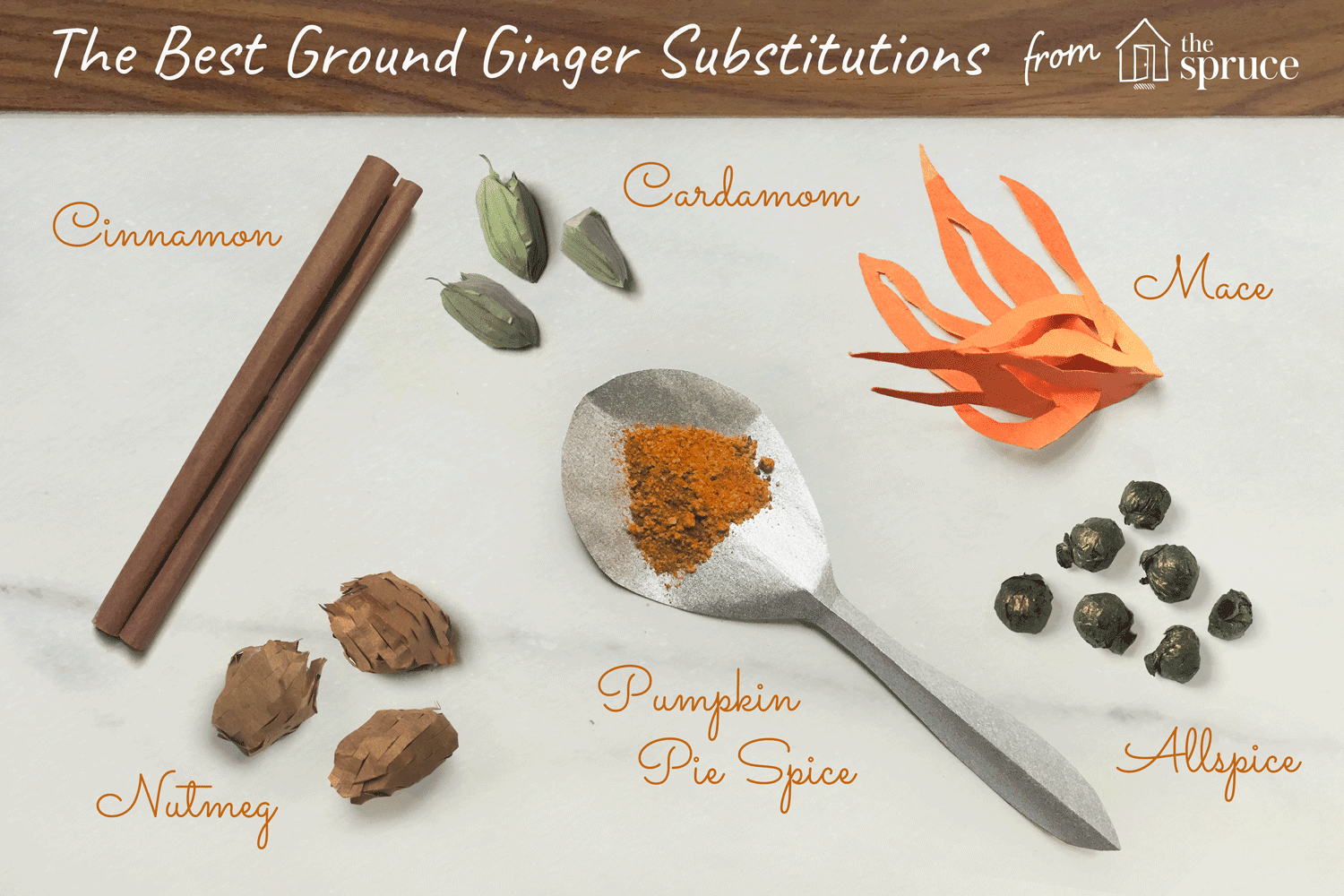
Allspice is a spice that combines the flavors of cinnamon, nutmeg, and cloves, and it has a mild peppery kick. While it’s not a direct flavor match for fresh ginger, it can be a good substitute in baked goods where a warm, aromatic flavor is desired. If you’re using allspice as a substitute for ginger, try using 1/2 teaspoon of ground allspice for every tablespoon of ginger. It works well in cakes, cookies, and pies, especially when combined with other spices like cinnamon or nutmeg.
6. Fresh Turmeric
Fresh turmeric has a flavor profile that is somewhat similar to ginger, though it’s less spicy and more earthy. It’s a common ingredient in curries and soups and can work well as a ginger substitute in savory dishes. While fresh turmeric isn’t as pungent as ginger, it will provide a bright, warm flavor to your dishes. Use it in a 1:1 ratio as a fresh substitute for ginger. If you don’t have fresh turmeric, ground turmeric can also be used, though it will have a less intense flavor.
Best Fresh Ginger Substitutes for Baking
Baking often calls for fresh ginger to provide that zesty, slightly spicy flavor that pairs so well with molasses, cinnamon, and brown sugar. But when fresh ginger is unavailable, here are some of the best substitutes to consider:
1. Ground Ginger
As mentioned earlier, ground ginger is a fantastic substitute for fresh ginger in baking. It’s easy to store and use, making it a popular choice for recipes like ginger cookies, cakes, and pies. Since ground ginger is more concentrated than fresh ginger, use about 1/4 teaspoon for every tablespoon of fresh ginger. This way, you’ll get the right amount of flavor without overpowering your dish.
2. Molasses and Cinnamon
Molasses and cinnamon can work together as a good substitute for fresh ginger in baked goods. Molasses adds a rich sweetness, while cinnamon brings a warm, spicy flavor. This combination is especially effective in recipes like gingerbread or ginger cookies. Use about 1 tablespoon of molasses and 1/2 teaspoon of cinnamon for each tablespoon of fresh ginger. It will give your baked goods a similar warming, spiced flavor without the bite of fresh ginger.
3. Lemon Zest
If you’re looking for a fresh, zesty flavor to replace ginger in baked goods, lemon zest is a good option. It won’t provide the same warmth as ginger, but it will give your dish a refreshing citrusy note. It’s particularly effective in recipes that already pair well with citrus, like lemon ginger cookies or cakes. Use 1 teaspoon of lemon zest for every tablespoon of fresh ginger in your recipe.
4. Chopped Fresh Fruit (Apples, Pears, or Pineapple)
Fresh fruit can help to add a different kind of sweetness and moisture to your baked goods. While it won’t replace the flavor of ginger, fruit like apples, pears, or pineapple can bring a fresh element that complements the dish. These fruits work well in fruit-based desserts like cakes or muffins, where you would otherwise use ginger for flavor. Try substituting fresh fruit in a 1:1 ratio with ginger, depending on the recipe.
How to Choose the Best Ginger Substitute
The key to choosing the right substitute for fresh ginger depends on the recipe you’re making. Consider the flavor profile of your dish: are you looking for something spicy and warm, or are you trying to balance the sweetness in your recipe? Ground ginger and ginger paste are the most straightforward substitutes, while alternatives like galangal, turmeric, or even lemon zest can offer a unique twist depending on the dish. If you’re baking, keep in mind that the sweetness of the dish might change if you opt for substitutes like molasses or crystallized ginger.
Experiences with Ginger Substitutes in the Kitchen
In my own cooking, I’ve often found myself in a pinch when fresh ginger wasn’t available. I first tried using ground ginger, and while it worked well in my stir-fry, I found that it wasn’t quite as fresh-tasting as I wanted. However, I did a bit of experimenting with ginger paste, and I was pleasantly surprised at how close it came to fresh ginger’s flavor. It’s perfect for savory dishes, and a little goes a long way.
When I baked ginger cookies without fresh ginger, I used crystallized ginger. The sweetness it added was delicious, but I quickly realized that I had to dial back on the sugar in the recipe to keep things balanced. It wasn’t the same as fresh ginger, but it was a fun twist that added an unexpected texture to the cookies.
For a more adventurous approach, I decided to try galangal in a Thai-inspired soup, replacing fresh ginger. The flavor was different but still worked well, providing a fresh citrusy kick that complemented the soup’s other flavors. I think I’ll use galangal again in the future, but maybe not as a one-to-one replacement for ginger in every recipe.
Conclusion
There are plenty of great substitutes for fresh ginger, and each one offers its own unique twist to cooking and baking. Whether you go with ground ginger for convenience, ginger paste for freshness, or opt for something more unconventional like galangal or allspice, you can still create dishes that are just as flavorful and satisfying. With the right substitute, you’ll never have to miss out on the aromatic, zesty flavor of fresh ginger.