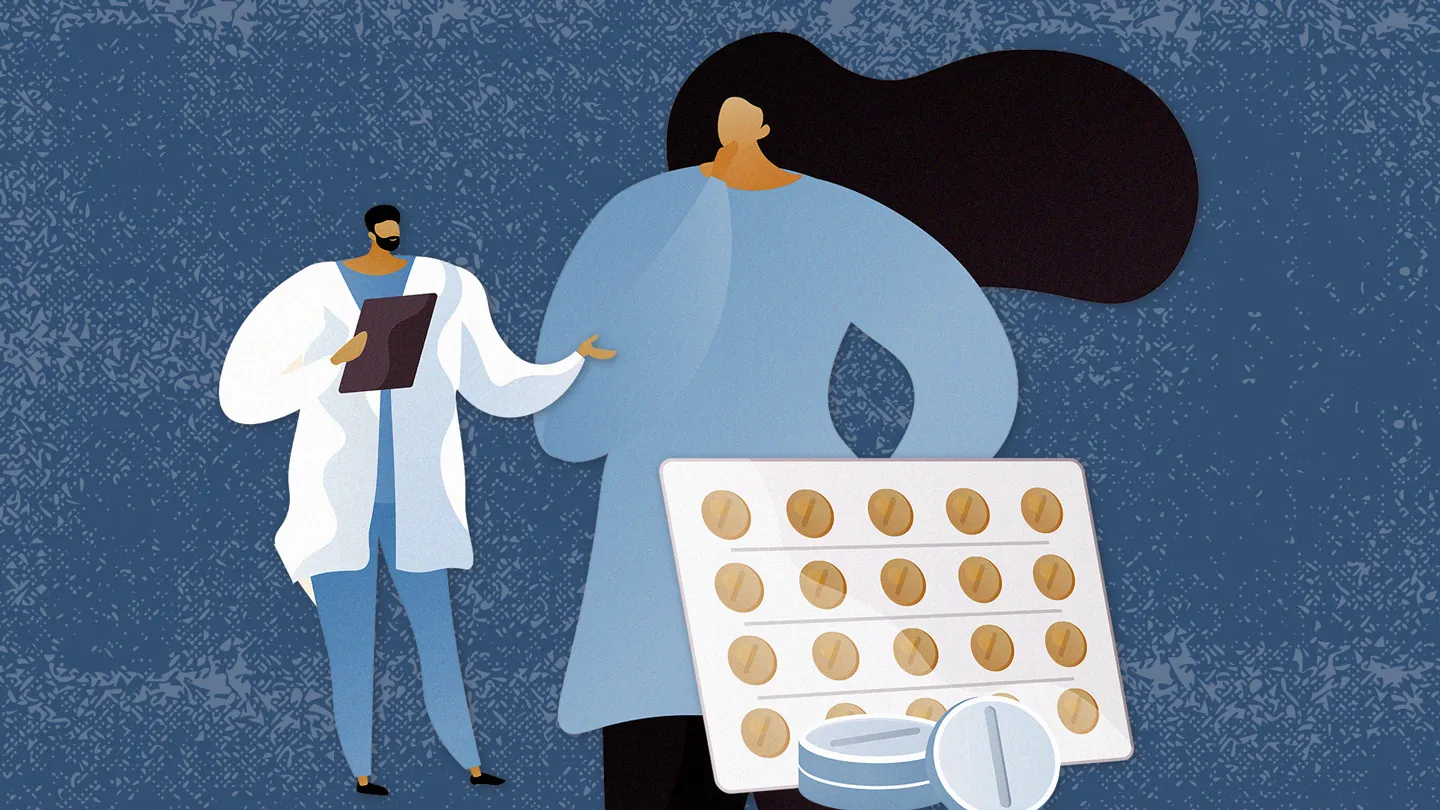
Getting a bipolar disorder diagnosis can feel like someone just handed you a 1,000-page instruction manual with half the pages missing. The good news: effective treatment absolutely exists, and millions of people live full, meaningful lives with bipolar disorder. Treatment usually isn’t about “fixing” you; it’s about giving your brain the support and structure it needs so you can show up as your real self more often.
In this guide, we’ll break down the main pillars of bipolar disorder treatmentmedication, psychotherapy, and everyday lifestyle strategiesso you can better understand your options and have more confident conversations with your care team.
What Is Bipolar Disorder, Briefly?
Bipolar disorder is a mood disorder that causes unusual shifts in mood, energy, and activity levels. These shifts include episodes of depression (feeling very down, low energy, loss of interest) and episodes of mania or hypomania (feeling extremely “up,” energized, irritable, or impulsive). There are several types, including bipolar I, bipolar II, and cyclothymic disorder, which differ mainly in the intensity and length of mood episodes.
Because these mood changes are driven by a complex mix of brain chemistry, genetics, and environment, treatment usually combines medication, psychotherapy, and lifestyle changesrather than relying on just one solution.
Why Long-Term Treatment Matters
Bipolar disorder is typically a lifelong condition, but it doesn’t have to mean lifelong chaos. Ongoing treatment can:
- Reduce how often mood episodes happen
- Make episodes milder when they do occur
- Protect your brain and body from the long-term effects of repeated mood swings
- Improve relationships, work, school, and daily functioning
Think of treatment as maintenance for your brainlike regular tune-ups for a car you really love and want to keep for a long time.
Medication Options for Bipolar Disorder
Medication is a cornerstone of bipolar disorder treatment. It helps stabilize mood, treat current episodes of mania or depression, and prevent new episodes from developing. Your exact regimen depends on your diagnosis, medical history, and how you respond over time.
Mood Stabilizers
Mood stabilizers help prevent extreme highs and lows. They’re often used as first-line treatment for bipolar I and bipolar II.
- Lithium: One of the oldest and best-studied mood stabilizers. It can reduce manic episodes and help prevent relapse. It also appears to lower suicide risk in people with mood disorders. Regular blood tests are needed to keep levels in a safe range and monitor kidney and thyroid function.
-
Anticonvulsants: Medications originally developed for seizures that also stabilize mood. Common options include:
- Valproate/divalproex (valproic acid): Often used to treat manic episodes and as a maintenance medication.
- Lamotrigine: Frequently used to help prevent bipolar depression and may be especially helpful for people who have frequent depressive episodes.
- Carbamazepine: Sometimes used when other mood stabilizers aren’t effective or tolerated.
Each mood stabilizer has potential side effectssuch as weight changes, tremors, digestive issues, or skin rashesso monitoring with your prescriber is essential.
Atypical Antipsychotics
Second-generation (atypical) antipsychotics are widely used in bipolar disorder. They can treat acute mania or hypomania, bipolar depression (for some agents), and help with long-term maintenance.
Examples your clinician might consider include:
- Quetiapine
- Olanzapine
- Risperidone
- Aripiprazole
- Ziprasidone
- Lurasidone
- Cariprazine
- Asenapine
These medications can be used alone or in combination with mood stabilizers. Common side effects may include drowsiness, weight gain, changes in cholesterol or blood sugar, and movement-related symptoms. Routine lab work and check-ins help catch problems early.
Antidepressants: Why They’re Tricky
Antidepressants can sometimes help depressive episodes, but they must be used with caution in bipolar disorder. On their own, they can trigger mania, hypomania, or rapid cycling in some people. Because of that, many guidelines recommend:
- Using antidepressants only together with a mood stabilizer or antipsychotic
- Avoiding them in people who have a history of switching into mania quickly
- Carefully monitoring for signs of increased energy, less sleep, impulsive behavior, or irritability
If you notice feeling suddenly “too good,” energized on very little sleep, or unusually confident after starting an antidepressant, that’s important information to share with your provider right away.
Other Helpful Medications
Depending on your specific symptoms, your prescriber might also consider:
- Anti-anxiety medications (like short-term benzodiazepines): Can help with severe agitation or insomnia in the short run, but are usually not a long-term solution due to risks like dependence and sedation.
- Sleep aids: Sleep is incredibly important in bipolar disorder, and short-term use of sleep medications may be part of a broader plan to stabilize sleep-wake cycles.
- Medications for co-occurring conditions: Many people with bipolar disorder also live with anxiety, ADHD, or physical health conditions like diabetes or thyroid disease, which may require their own treatments.
Medication plans evolve over time. It’s common to adjust doses, change medications, or try combinations as your life circumstances and symptoms change.
Psychotherapy: Tools Beyond the Pill Bottle
Medication is powerful, but it’s only one piece of the puzzle. Psychotherapy (talk therapy) teaches skills to manage stress, understand your thoughts and behaviors, improve relationships, and spot early warning signs of mood episodes.
Psychoeducation
Psychoeducation is exactly what it sounds like: education about the illness. In individual, family, or group sessions, you’ll learn:
- What bipolar disorder is (and what it isn’t)
- How to recognize your personal patterns and triggers
- Why sticking with medication and regular routines matters
- What to do when early warning signs pop up
It may sound basic, but understanding your condition deeply can be life-changing. Many treatment guidelines consider psychoeducation a first-line psychosocial intervention for bipolar disorder.
Cognitive Behavioral Therapy (CBT)
CBT focuses on the connection between your thoughts, feelings, and behaviors. With a therapist, you’ll work on:
- Identifying unhelpful thought patterns (“I always fail,” “I can’t be trusted with any decision”)
- Challenging and replacing them with more balanced thinking
- Building healthier routines, problem-solving skills, and coping strategies
For bipolar disorder, CBT is often used alongside medication and psychoeducation. It can be especially helpful for managing depressive symptoms, handling stress, and preventing relapse.
Interpersonal and Social Rhythm Therapy (IPSRT)
IPSRT looks at how your relationships and daily rhythmslike sleep, meals, and activity levelsaffect your mood. The goals include:
- Stabilizing your daily schedule (wake time, bedtime, meals, exercise)
- Improving communication and conflict-resolution skills
- Helping you adapt to life changes that might destabilize mood
Since disrupted sleep or irregular routines can trigger episodes in bipolar disorder, IPSRT can be a powerful tool for long-term stability.
Family-Focused Therapy (FFT) and Couples Therapy
Bipolar disorder doesn’t affect only one personit touches partners, children, and other loved ones. Family-focused therapy and couples therapy aim to:
- Improve communication and reduce blame
- Teach family members what bipolar disorder is and how to respond to symptoms
- Create a shared plan for early warning signs and crisis situations
These therapies can reduce relapse rates, improve family relationships, and make home life a safer, more supportive place to recover.
Other Therapies You Might Encounter
Additional therapeutic approaches can be tailored to your needs:
- Dialectical Behavior Therapy (DBT): Helpful for people who struggle with intense emotions, self-harm urges, or impulsivity. DBT teaches skills for mindfulness, distress tolerance, emotional regulation, and interpersonal effectiveness.
- Group therapy: Offers structured support and coping skills alongside other people living with mood disorders.
- Trauma-focused therapies: If you have a history of trauma or PTSD, targeted treatment may be important, since trauma can interact with bipolar symptoms.
Other Treatments You May Hear About
Electroconvulsive Therapy (ECT)
ECT is a medical treatment performed under anesthesia that uses controlled electrical stimulation of the brain. It can be considered for severe or treatment-resistant bipolar depression or mania, especially when:
- Symptoms are life-threatening (for example, severe suicidal thoughts or inability to eat or drink)
- Medications haven’t worked or can’t be safely used
- Rapid improvement is needed
Modern ECT is carefully monitored, and while it can cause temporary memory problems, it may be very effective for some people when other options are limited.
Hospitalization and Intensive Programs
Sometimes, the safest place to stabilize is a hospital or a structured program. Inpatient or intensive outpatient treatment can:
- Provide 24/7 safety monitoring during severe mood episodes
- Adjust medications quickly with close observation
- Offer intensive therapy and structured routines
Needing hospital-level care is not a failure; it’s a sign that you’re taking your health and safety seriously.
Daily Life Strategies That Support Treatment
Medication and therapy work best when they’re supported by everyday habits. Some practical strategies include:
Protect Your Sleep Like It’s Your Job
Irregular or reduced sleep can trigger mania or hypomania in many people with bipolar disorder. Helpful habits include:
- Keeping a consistent bedtime and wake time (even on weekends)
- Limiting caffeine and heavy meals late at night
- Creating a calming pre-sleep routine (dim lights, reading, gentle stretching)
Keep a Mood and Medication Journal
Tracking your mood, sleep, medications, and major events can reveal patterns over time. You can use:
- A paper notebook
- A mood-tracking app
- A spreadsheet or digital journal
Sharing this information with your provider can help fine-tune treatment more quickly.
Limit Alcohol and Avoid Recreational Drugs
Alcohol and drugs can:
- Destabilize mood
- Interact dangerously with medications
- Make it harder to recognize early warning signs
If cutting back is difficult, bringing it up with your provider is a brave and important step. There are treatments specifically designed to address substance use along with bipolar disorder.
Move Your Body (Without Turning It Into a Punishment)
Regular physical activitywalking, dancing, swimming, yoga, or whatever you’ll actually docan support mood, sleep, and overall health. You don’t have to be an athlete; even 10–20 minutes of movement most days is a win.
Build a Support Network
Support can come from many places:
- Trusted friends and family
- Support groups (local or online) for people with bipolar disorder
- Peer specialists who have lived experience and training
Having at least one person who “gets it” and can help you notice early signs of mood changes can make a big difference.
Building Your Bipolar Treatment Team
Most people do best with a team-based approach. Your team might include:
- A psychiatrist or other prescribing clinician (such as a psychiatric nurse practitioner)
- A therapist (psychologist, licensed counselor, social worker, or marriage and family therapist)
- Your primary care provider, to help coordinate physical health and medications
- Family members or close friends who support your treatment plan
It’s completely okayand actually encouragedto ask questions, request explanations in plain language, and collaborate on decisions. You are the expert on your own experience; your providers are experts on the treatments. Working together is the goal.
If you ever have thoughts of harming yourself or others, or feel completely out of control, seeking immediate help (emergency services, crisis hotlines, urgent psychiatric care) is an important part of a safety plannot a sign of weakness.
Real-Life Experiences with Bipolar Disorder Treatment
Everyone’s journey with bipolar disorder is different, but some themes show up again and again. The following composite stories blend real-world patterns shared by many people (details changed for privacy). They’re not medical advice, but they might sound familiaror give you hope.
“I Thought Treatment Meant Losing My Personality” – Jordan’s Story
Jordan was in their early 20s, juggling school, a new job, and an impressive collection of impulsive decisions. When they were manic, life felt bright and fast, like every thought was a brilliant idea. When depression hit, it felt like moving through wet cement.
At first, Jordan resisted medication. They worried that mood stabilizers would turn them into a “zombie” or erase their creativity. After a severe manic episode led to financial trouble and a painful breakup, Jordan decided to try lithium in combination with therapy.
The first few months were rough: dose adjustments, side effects, lots of blood tests. But over time, the intensity of the highs and lows softened. Jordan’s therapist helped them grieve the “thrill” of mania while also recognizing how dangerous it had been. They built new routines around sleep, set boundaries around work hours, and slowly reconnected with hobbies in a more sustainable way.
Jordan likes to say, “Treatment didn’t take away my personalityit gave me a chance to actually use it consistently.”
“My Family Needed Treatment Too” – Maya’s Story
Maya had been cycling between severe depression and anger for years before she was diagnosed with bipolar II. Her family wanted to help, but didn’t know how. Arguments often escalated when she was irritable or withdrawing; everyone felt confused and blamed.
Her psychiatrist recommended family-focused therapy. At first, everyone was skeptical (“Do we really need to talk about feelings together?”), but the sessions gave them tools they’d never had before. They learned:
- How to tell the difference between symptoms and intentional behavior
- What early warning signs looked like for Maya
- How to set boundaries without shaming or dismissing her experience
The therapist also helped Maya’s partner create a step-by-step plan for what to do if her mood spiraledwho to call, when to bring in her doctor, and how to handle crises safely.
Over time, the home environment shifted from “walking on eggshells” to “we’re in this together.” The mood swings didn’t vanish, but the family no longer felt powerless.
“Therapy Was Where I Learned to Live Between Episodes” – Alex’s Story
Alex had been on medication for years and felt mostly stable, but life still felt dominated by bipolar disorder. They described themselves as “fine, but fragile”always bracing for the next episode.
In CBT and IPSRT, Alex worked on:
- Challenging thoughts like “I’m broken” and “I’ll ruin everything eventually”
- Building a realistic, routine-based schedule that protected sleep and reduced stress
- Learning to say no to extra commitments without feeling guilty
Therapy also helped Alex notice subtle early signs of mood shifts: slightly reduced sleep, more online shopping, or feeling unusually irritable. Instead of waiting for a full episode, Alex started implementing a “mini-plan” earlyreaching out to their therapist, tightening up bedtime, and checking in with their psychiatrist about whether medication tweaks were needed.
For Alex, treatment shifted from “putting out fires” to “fire prevention and smart fire alarms.”
What These Experiences Have in Common
While each story is unique, several themes repeat:
- Trial and error is normal. It’s rare to find the perfect medication or therapy combination immediately.
- Education is empowering. Understanding bipolar disorder helps people recognize patterns instead of feeling blindsided.
- Support systems matter. Family, friends, support groups, and peer specialists can make treatment feel less lonely.
- Stability doesn’t mean boring. Many people find that once constant crises calm down, they have more energy for creativity, relationships, and long-term goals.
Most importantly, these stories underline a hopeful reality: with the right mix of medication, psychotherapy, and lifestyle strategies, it is absolutely possible to build a life that’s bigger than bipolar disorder.
The Bottom Line
Bipolar disorder treatment is not one-size-fits-all. For many people, the most effective approach blends:
- Medication (such as mood stabilizers and atypical antipsychotics)
- Evidence-based psychotherapies (CBT, IPSRT, family-focused therapy, psychoeducation)
- Daily routines that protect sleep, reduce stress, and support physical health
- A strong support network and a collaborative relationship with your care team
This article is for education, not a substitute for professional medical advice. If you or someone you love is living with bipolar disorder, working closely with qualified mental health and medical professionals is the safest way to find a treatment plan that fits your body, your life, and your goals.