Your car battery is a little box of chemistry with a very dramatic personality. Treat it well, and it quietly starts your vehicle every morning like a loyal employee who never asks for a raise. Ignore it, and one day it will wait until you are late, it is raining, and you are parked three rows away from civilization before it decides to retire.
The good news is that car battery maintenance is not mysterious. Most modern batteries are considered “maintenance-free,” but that does not mean “ignore me until I become a paperweight.” Keeping your battery clean, charged, secure, and tested can help prevent no-start mornings, protect your alternator, extend battery life, and save you from awkwardly asking a neighbor for jumper cables while pretending you totally know what you are doing.
This guide explains practical, real-world car battery maintenance tips to keep your vehicle running smoothly, including how to spot warning signs, prevent corrosion, avoid battery drain, handle extreme weather, and know when replacement is smarter than another jump-start.
Why Car Battery Maintenance Matters
A car battery does far more than start the engine. It powers the starter motor, supports electronic systems when the engine is off, helps stabilize voltage, and works with the alternator once the vehicle is running. In modern vehicles filled with sensors, infotainment screens, security systems, heated seats, power liftgates, and enough computers to make your old laptop nervous, a weak battery can cause strange electrical behavior long before it completely dies.
Most conventional 12-volt car batteries last about three to five years, depending on climate, driving habits, battery type, and maintenance. Hot weather can speed up internal battery wear, while cold weather reduces available starting power. Short trips, long parking periods, loose terminals, corrosion, and charging system problems can shorten battery life even faster.
Think of battery care as cheap insurance. A few minutes of inspection every month can help you avoid towing bills, missed appointments, and the emotional damage of hearing only one sad “click” when you turn the key.
Know the Common Signs of a Weak Car Battery
Your vehicle usually gives warning signs before the battery fully gives up. The trick is not ignoring them because the car “still starts.” That is the same logic people use when walking around with one working phone charger held together by hope and electrical tape.
Slow Engine Cranking
If the engine turns over slowly, especially in the morning, your battery may not be delivering enough power. A healthy battery should start the engine confidently. A tired one sounds like it is negotiating with gravity.
Dashboard Battery or Charging Light
A battery warning light does not always mean the battery itself is bad. It can also point to an alternator, belt, wiring, or charging system issue. Either way, it deserves attention quickly because once the battery runs out of stored power, the vehicle may stop running.
Dim Lights and Electrical Weirdness
Dim headlights, flickering interior lights, slow power windows, malfunctioning accessories, or warning lights that appear and disappear can all be related to low voltage. Modern vehicles are sensitive to voltage drops, so a weak battery can create symptoms that look more complicated than they really are.
Frequent Jump-Starts
A jump-start should be an emergency solution, not a weekly ritual. If your vehicle repeatedly needs a jump, the battery may not be holding a charge, or something may be draining it while parked.
Swollen Battery Case or Rotten-Egg Smell
A swollen battery case can indicate heat damage or internal failure. A sulfur or rotten-egg smell may suggest a leaking or overcharging battery. Do not ignore these signs. Battery acid is dangerous, and a damaged battery should be inspected by a professional.
Keep Battery Terminals Clean and Corrosion-Free
Corrosion is one of the most common battery problems. It often appears as white, blue, or greenish powder around the terminals. It may look harmless, like your battery is growing tiny science-fair crystals, but corrosion increases electrical resistance and can prevent proper charging or starting.
To inspect the terminals, turn off the vehicle, open the hood, and look at the positive and negative battery posts. If you see corrosion, loose clamps, cracked cables, or frayed wires, it is time for cleaning or service.
How to Clean Battery Corrosion Safely
Wear gloves and eye protection before working around a battery. Battery acid can irritate skin and eyes, and metal tools can create sparks if used carelessly. If the battery is cracked, leaking, swollen, or severely corroded, skip the DIY cleaning and have it handled professionally.
For light corrosion, many drivers use a mixture of baking soda and water to neutralize acid buildup. Apply it carefully with a small brush, scrub the terminals, then wipe the area clean and dry. Commercial battery terminal cleaners are also available and usually include directions on the label. After cleaning, make sure the cable clamps are tight and properly seated.
A thin layer of battery terminal protectant or dielectric grease may help slow future corrosion. Do not overdo it. This is battery maintenance, not frosting a cupcake.
Make Sure the Battery Is Secure
A loose battery can vibrate while driving, and vibration is bad news for internal battery plates and connections. It can shorten battery life, damage cables, or create intermittent electrical problems. The battery should sit firmly in its tray with a working hold-down bracket.
During your monthly inspection, gently check whether the battery moves. It should not slide, bounce, or wiggle. If the hold-down hardware is missing or broken, replace it. This small part can prevent bigger problems, especially if you drive on rough roads or live somewhere potholes are treated as a local art form.
Test Your Battery Before It Fails
One of the smartest car battery maintenance tips is simple: test before trouble starts. A battery can seem fine one week and fail the next, especially when it is older than three years or exposed to harsh weather.
Many auto parts stores and service centers offer battery testing. A proper test can check voltage, cold cranking amps, and the battery’s ability to hold a load. For many vehicles, it is wise to have the battery tested at least once a year after it reaches the two- or three-year mark. If you live in a very hot or very cold climate, testing before summer and winter is even better.
Basic Voltage Numbers to Know
A fully charged 12-volt car battery usually reads around 12.6 volts when the engine is off. If it reads much lower, it may be partially discharged. With the engine running, a healthy charging system often measures roughly 13.5 to 14.5 volts at the battery terminals. Readings outside that range may point to charging system trouble.
A multimeter can provide useful clues, but voltage alone does not tell the whole story. A weak battery may show decent voltage while resting but fail under load. That is why a load test is so useful.
Avoid Short-Trip Battery Drain
Short drives are tough on batteries. Starting the engine uses a burst of power, and the alternator needs time to recharge the battery. If most of your driving consists of five-minute errands, school drop-offs, or coffee runs, the battery may never fully recover.
Occasional longer drives help the alternator restore charge. If your vehicle sits for days or weeks at a time, consider using a smart battery maintainer. Unlike an old-fashioned charger that can overcharge if misused, a quality maintainer monitors battery condition and supplies power only when needed.
This is especially helpful for seasonal vehicles, second cars, classic cars, motorcycles, RVs, and vehicles parked during long trips. A maintainer is much cheaper than a new battery and far less annoying than discovering your car has entered hibernation without asking permission.
Prevent Parasitic Battery Drain
Parasitic drain happens when something continues using power after the vehicle is turned off. Some draw is normal because clocks, security systems, keyless entry modules, and onboard computers need a small amount of power. The problem starts when a light, faulty module, aftermarket accessory, dash camera, charger, or wiring issue pulls too much current.
Common causes include leaving headlights or interior lights on, a glove box or trunk light that stays lit, phone chargers left plugged in, poorly installed audio equipment, or a failing relay. If your battery repeatedly dies overnight or after a few days of parking, do not keep blaming the battery without checking for a drain.
A technician can perform a parasitic draw test to find the circuit causing the problem. Replacing a battery without fixing the drain is like refilling a leaking bucket and calling it progress.
Protect Your Battery From Extreme Weather
Weather is one of the biggest factors in battery performance. Cold weather slows chemical reactions inside the battery and makes engines harder to crank. Hot weather can be even more damaging over time because heat accelerates internal corrosion and water loss inside certain battery designs.
Cold-Weather Battery Tips
Before winter, have the battery and charging system tested. Clean the terminals, check the cables, and make sure the battery is fully charged. Parking in a garage can help. If you drive in very cold regions, consider a battery blanket or engine block heater if recommended for your vehicle.
Also, turn off accessories before starting the car. Heated seats, headlights, defrosters, and the radio all use power. Give the battery the best chance to focus on the starter first. Your playlist can wait eight seconds.
Hot-Weather Battery Tips
In hot climates, park in shade when possible and keep the battery clean. Heat can shorten battery life, so testing before summer road trips is smart. If your battery is already old, extreme heat may push it over the edge.
Many drivers think batteries only fail in winter, but summer heat often causes the internal damage that shows up later. In other words, August may commit the crime, and January gets blamed.
Check the Charging System
A new battery will not stay healthy if the alternator, belt, or charging system is not working properly. If your battery keeps dying even after long drives, the issue may not be the battery at all.
Signs of charging system trouble include a battery light while driving, dimming lights, whining noises, burning smells, repeated dead batteries, or voltage readings outside the normal charging range. A slipping belt or failing alternator can leave the battery undercharged. Overcharging can also damage the battery.
When replacing a battery, it is smart to test the charging system at the same time. Otherwise, you might install a fresh battery only to let a bad alternator chew through it like an expensive snack.
Use the Right Battery for Your Vehicle
When it is time to replace your battery, do not choose based only on price or whatever happens to be sitting closest to the register. Your vehicle needs the correct group size, terminal placement, cold cranking amps, reserve capacity, and battery type.
Many newer vehicles use absorbed glass mat batteries, commonly called AGM batteries. AGM batteries are often required for vehicles with start-stop systems, heavy electrical loads, or advanced electronics. Installing the wrong type can cause performance problems or reduce battery life.
Always check your owner’s manual or use a reliable fitment guide. If your vehicle requires battery registration or system reset after replacement, have that done properly. Some modern cars monitor battery age and charging behavior, and skipping registration can affect how the charging system treats the new battery.
Drive Smart After a Jump-Start
Jump-starting can get you moving, but it does not magically fix the reason the battery died. After a successful jump, drive long enough to let the alternator restore some charge, or use a proper charger. A quick two-minute drive around the block may not be enough.
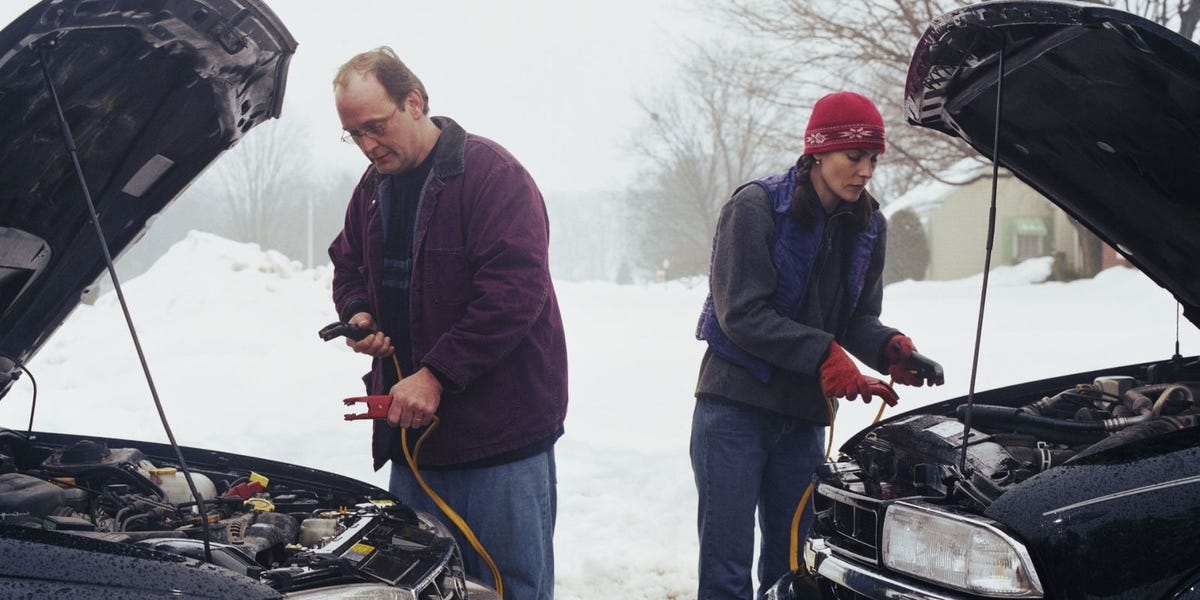
Follow your owner’s manual for jump-start instructions because modern vehicles can be sensitive to incorrect cable placement. In general, connect positive to positive, connect the negative cable to a proper ground point on the disabled vehicle, and remove cables in reverse order. If you are unsure, call roadside assistance. Pride is cheaper to repair than a fried electronic control module.
Recycle Old Batteries Properly
Car batteries should never go in household trash. Lead-acid batteries contain materials that can be harmful if handled improperly, but they are also highly recyclable. Most auto parts stores, repair shops, and recycling centers accept used automotive batteries. Many retailers charge a refundable core fee when you buy a new battery, which encourages you to bring the old one back.
Proper recycling keeps lead, plastic, and acid out of landfills and allows valuable materials to be reused in new batteries. It is one of the easiest environmentally responsible steps in vehicle maintenance: bring in the old battery, get it recycled, and feel briefly like the hero of a very practical superhero movie.
Monthly Car Battery Maintenance Checklist
You do not need to become a mechanic to maintain your battery. A simple monthly routine can catch most problems early.
- Inspect battery terminals for corrosion.
- Make sure cable connections are tight.
- Check that the battery is secure in its tray.
- Look for swelling, cracks, leaks, or unusual smells.
- Turn off lights and accessories before shutting down the vehicle.
- Drive long enough occasionally to recharge the battery.
- Test the battery yearly once it is more than two or three years old.
- Use a battery maintainer if the vehicle sits for long periods.
Real-Life Experiences: What Battery Problems Teach Drivers
One of the most common experiences with car batteries is the “it started yesterday” surprise. A driver may notice the engine cranking a little slower for weeks but dismiss it because the vehicle still starts. Then one morning, usually at the least convenient possible moment, the battery fails completely. The lesson is simple: slow cranking is not background music. It is a warning.
Another familiar story involves corrosion. A driver replaces a battery because the car struggles to start, only to discover later that the real issue was a poor connection at the terminals. Corrosion can block current flow even when the battery itself still has life left. Cleaning the terminals and tightening the clamps may restore reliable starts. That does not mean every no-start problem is corrosion, but it is one of the easiest things to check.
Short-trip driving is another sneaky battery killer. Someone who works from home, drives only to the grocery store, and uses the car for brief errands may assume low mileage is always good for the vehicle. In some ways it is, but the battery may suffer because it rarely gets a full recharge. A smart maintainer or occasional longer drive can make a noticeable difference.
Seasonal vehicles create their own lessons. Cars that sit unused for weeks or months often develop weak batteries, flat-spotted tires, stale fuel, and other storage-related issues. Owners of classic cars, convertibles, and RVs quickly learn that parking a vehicle is not the same as preserving it. A battery maintainer, clean terminals, and a dry storage area can save money and frustration when driving season returns.
Extreme weather also teaches hard lessons. In cold regions, a battery that seemed acceptable in fall may fail during the first serious freeze. In hot regions, batteries can die suddenly after long exposure to high temperatures. Many experienced drivers test their batteries before winter and summer because they know weather does not care about schedules, budgets, or whether you have a full cup of coffee.
Another real-world experience is the repeated jump-start trap. A driver jumps the car, drives away, and assumes the problem is solved. Two days later, the battery is dead again. This cycle often points to an aging battery, a charging system problem, or parasitic drain. The jump-start is only the rescue; diagnosis is the repair. Without testing, you are guessing.
Many drivers also learn that modern vehicles are less forgiving than older ones. A weak battery can trigger warning lights, disable start-stop systems, confuse sensors, or cause electronic features to act strangely. Replacing or properly charging the battery may clear up symptoms that seem unrelated at first. That is why technicians often begin electrical diagnostics by verifying battery health and charging system performance.
The biggest lesson from all these experiences is that car battery maintenance is not complicated, but it does reward consistency. Clean connections, regular testing, smart charging habits, and timely replacement can prevent most battery drama. Your vehicle does not need pampering. It just needs a little attention before the battery turns your morning commute into an unplanned roadside podcast episode.
Conclusion
Car battery maintenance is one of the simplest ways to keep your vehicle reliable. Clean terminals, tight connections, regular testing, smart driving habits, weather preparation, and proper recycling all help extend battery life and reduce the chance of sudden failure. Even maintenance-free batteries need attention, especially as they age or face extreme temperatures.
The best strategy is prevention. Check your battery monthly, test it before harsh seasons, avoid repeated short trips when possible, and do not ignore slow starts or dashboard warning lights. A few small habits can keep your car starting confidently and help you avoid the dreaded click-click-click soundtrack of a dead battery.
Note: This article synthesizes current, practical guidance from reputable U.S. automotive, consumer, safety, repair, and environmental resources, including national auto clubs, consumer testing organizations, federal safety agencies, battery manufacturers, auto parts retailers, and vehicle maintenance experts.