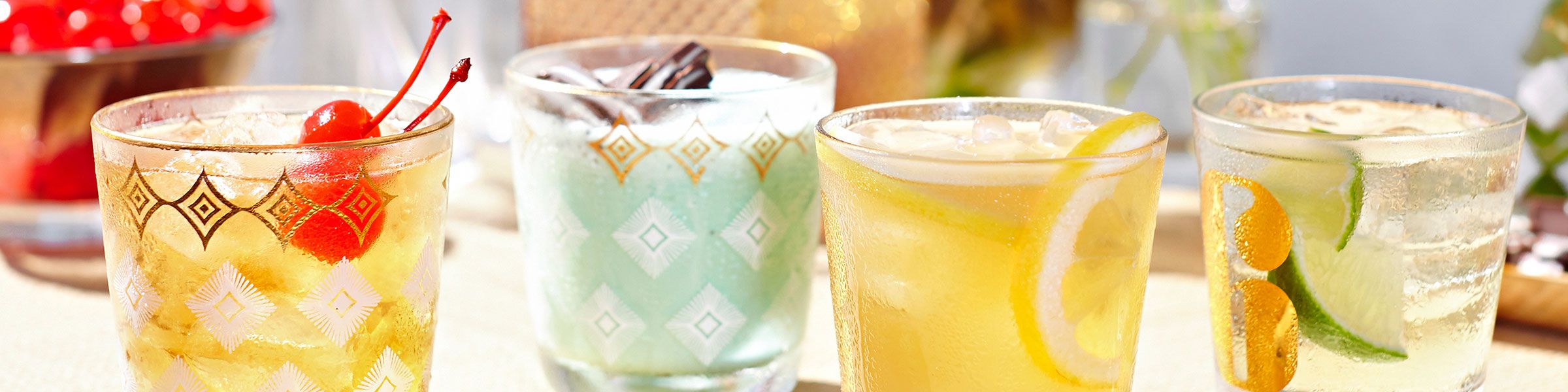
If the phrase cocktail recipes makes you picture a bartender in suspenders giving a citrus peel a dramatic little twist like it’s auditioning for Broadway, you’re not alone. But great cocktails are not magic tricks. They are delicious little equations. Once you understand balance, dilution, sweetness, acidity, and spirit choice, your home bar stops feeling intimidating and starts feeling like the best seat in town.
This guide is built for curious home bartenders, casual hosts, and anyone who has ever looked at a bottle of vermouth and whispered, “Now what?” We’ll cover what makes cocktail recipes work, which classics are worth mastering first, how to avoid common mistakes, and why a few smart techniques can make your drinks taste cleaner, brighter, and far more expensive than they actually are. Your wallet may still be dramatic, but your drinks do not have to be.
Why Great Cocktail Recipes Work
The best cocktail recipes usually follow a simple principle: balance. A good drink is rarely just “strong.” It is structured. Bright citrus keeps sweetness in check. Bitters add depth. Vermouth softens hard edges. Ice does more than chill; it also dilutes, which is not a bug but a feature. When dilution is right, flavors open up instead of punching you in the forehead.
Most cocktails also belong to recognizable families. A sour combines spirit, citrus, and sweetener. A spirit-forward drink leans on the base liquor with modifiers like vermouth, bitters, or liqueurs. Tall drinks add bubbles or extra dilution for refreshment. Once you understand the family, learning new recipes gets much easier. It is the difference between memorizing random numbers and finally understanding the math teacher who ruined seventh grade.
The Cocktail Recipes Every Home Bartender Should Know
You do not need to master fifty drinks before inviting people over. You need a smart, flexible lineup that covers different moods, spirits, and occasions. These classics earn their place because they teach technique while also being genuinely crowd-pleasing.
1. Margarita
The Margarita is bright, citrusy, and almost impossible to hate unless someone turns it into a sugar bomb the size of a flower vase. The classic version is clean and balanced.
- Ingredients: 2 oz tequila, 1 oz orange liqueur, 1 oz fresh lime juice
- Method: Shake with ice, strain into a salt-rimmed rocks glass over fresh ice, garnish with lime.
- Why it works: Tequila brings earthiness, lime adds snap, and orange liqueur rounds out the edges.
2. Old Fashioned
If cocktails had a board of directors, the Old Fashioned would chair the meeting. It is spirit-forward, restrained, and proof that a few ingredients can do a lot when handled well.
- Ingredients: 2 oz bourbon or rye, 1 sugar cube or 1/4 oz simple syrup, 2 to 3 dashes bitters
- Method: Stir with ice, strain over a large cube, garnish with orange peel.
- Why it works: The sugar softens the whiskey, bitters add complexity, and the citrus oils make the whole drink smell like confidence.
3. Martini
The Martini is elegant, minimalist, and endlessly debated by people who somehow become very emotional about olive brine. A classic gin Martini is crisp and aromatic, with dry vermouth providing structure rather than getting shoved into the room and ignored.
- Ingredients: 2 1/2 oz gin, 1/2 oz dry vermouth, dash of orange bitters optional
- Method: Stir with ice until well chilled, strain into a chilled coupe, garnish with a lemon twist or olive.
- Why it works: Botanical gin and dry vermouth create a sharp, savory profile with impressive clarity.
4. Daiquiri
No, not the neon blender situation from a beach resort menu printed in waterproof regret. The classic Daiquiri is one of the purest rum cocktails around: simple, tart, and deeply refreshing.
- Ingredients: 2 oz white rum, 1 oz fresh lime juice, 3/4 oz simple syrup
- Method: Shake with ice, strain into a chilled coupe.
- Why it works: It is the sour format at its most elegant, with rum’s gentle sweetness carrying the drink.
5. Negroni
The Negroni is the cocktail equivalent of wearing black in a room full of floral prints. Bitter, bracing, and stylish, it is not trying to please everyone. That is exactly why people love it.
- Ingredients: 1 oz gin, 1 oz Campari, 1 oz sweet vermouth
- Method: Stir with ice, strain over fresh ice in a rocks glass, garnish with orange peel.
- Why it works: Equal parts make it easy to remember, while bitterness, sweetness, and herbal notes stay in tension.
6. Manhattan
The Manhattan is smooth, rich, and a little more dressed up than the Old Fashioned. It is whiskey in a tuxedo, but one that still knows how to enjoy itself.
- Ingredients: 2 oz rye whiskey, 1 oz sweet vermouth, 2 dashes bitters
- Method: Stir with ice, strain into a chilled coupe, garnish with a cherry.
- Why it works: Vermouth brings sweetness and spice, while rye keeps the drink dry and assertive.
7. Mojito
The Mojito is summer in a glass, assuming summer has fresh mint and a better personality than most weather apps. The key is freshness. Dull mint equals a sad Mojito.
- Ingredients: 2 oz white rum, 3/4 oz lime juice, 3/4 oz simple syrup, mint leaves, club soda
- Method: Gently muddle mint with syrup, add rum and lime, shake lightly or build in glass, add ice, top with soda.
- Why it works: Mint, lime, sugar, and bubbles create a crisp, cooling drink that is easy to sip.
8. Whiskey Sour
The Whiskey Sour proves that whiskey does not always need to brood in a corner. It can be lively, citrusy, and charming too. Add egg white if you want a silkier texture and a foamy top.
- Ingredients: 2 oz bourbon, 3/4 oz lemon juice, 3/4 oz simple syrup, egg white optional
- Method: Dry shake if using egg white, then shake with ice and strain into a rocks glass or coupe.
- Why it works: It balances whiskey’s warmth with bright acidity and enough sweetness to keep it inviting.
9. Cosmopolitan
The Cosmopolitan has had its pop-culture moments, but dismissing it is a rookie mistake. Done right, it is tart, crisp, and a lot more balanced than its pink reputation suggests.
- Ingredients: 1 1/2 oz vodka, 1 oz orange liqueur, 1/2 oz cranberry juice, 1/2 oz fresh lime juice
- Method: Shake with ice, strain into a chilled cocktail glass, garnish with orange twist.
- Why it works: Citrus drives the drink, cranberry adds color and tartness, and the orange liqueur smooths it out.
10. Aperol Spritz
Not every cocktail needs to arrive like a dramatic monologue. The Aperol Spritz is light, bubbly, and easy to build, making it perfect for brunches, patios, and guests who claim they “don’t really do cocktails” right before requesting a second one.
- Ingredients: 3 oz prosecco, 2 oz Aperol, 1 oz soda water
- Method: Build over ice in a wine glass, stir gently, garnish with orange slice.
- Why it works: Bitter orange notes, sparkling wine, and low-effort assembly make it ideal for relaxed entertaining.
How to Read Cocktail Recipes Like a Pro
Before you buy unusual liqueurs with labels that look like they belong in a haunted apothecary, learn how to decode the recipe itself. First, identify the base spirit. That tells you the drink’s backbone. Next, look for the balancing element: citrus, vermouth, bitters, soda, syrup, or liqueur. Then pay attention to technique. If a recipe says shake, it usually contains citrus, dairy, egg white, or juice. If it says stir, the drink is typically all-spirit and benefits from clarity and a silky texture.
Glassware matters too, though not enough to justify a midlife crisis at a kitchen store. Coupes are great for drinks served without ice. Rocks glasses work for spirit-forward cocktails or drinks built over ice. Tall glasses suit fizzy or lengthened cocktails. The right glass changes the temperature, aroma, and pacing of the drink, which means it changes the whole experience.
Common Mistakes That Ruin Good Cocktail Recipes
Using bad ice
Tiny, wet freezer pebbles melt too fast and wreck dilution. Use fresh, solid ice. For spirit-forward drinks, large cubes are especially helpful.
Skipping fresh citrus
Bottled lime juice has all the charm of an office microwave fish lunch. Fresh lemon and lime juice taste brighter, cleaner, and more alive.
Ignoring vermouth storage
Vermouth is wine-based and should be refrigerated after opening. Leaving it in a warm cabinet for months is a fast way to turn a Martini into a chemistry experiment.
Over-muddling herbs
Mint should be pressed gently, not demolished like it owes you money. Bruised herbs can become bitter and grassy.
Free-pouring too early
Confident bartenders make it look easy because they learned precision first. Use a jigger. Your future self will thank you, and your Margarita will stop tasting like two unrelated beverages in one glass.
The Best Starter Home Bar for Cocktail Recipes
You do not need a cart that looks like it belongs in a magazine spread called Minimalist Billionaire Evenings. Start with versatile basics:
- Gin
- Bourbon or rye whiskey
- White rum
- Tequila
- Dry vermouth
- Sweet vermouth
- Orange liqueur
- Angostura bitters
- Simple syrup
- Fresh lemons, limes, and oranges
- Club soda or sparkling water
With that lineup, you can make a surprising number of classic cocktail recipes without spending your entire grocery budget on one mysterious bottle that gets used twice a year and then judges you from the shelf.
How to Make Cocktail Recipes More Interesting Without Getting Weird
Once you’ve mastered the classics, riffs become much easier. Swap bourbon for rye in an Old Fashioned to make it spicier. Use mezcal in a Margarita for smoke. Add a splash of sparkling wine to citrusy drinks for lift. Infuse syrup with rosemary, ginger, or honey. Try a different bitters style in a Manhattan. None of this requires smoke guns, edible glitter, or a dehydrator that sounds like a small airplane. Small changes can create big differences.
The smartest experimentation still respects structure. If you understand why a Daiquiri works, you can adjust sweetness or change the rum style and still land on a drink that tastes intentional. Great cocktail recipes do not demand chaos. They reward attention.
Conclusion
The world of cocktail recipes is much more approachable than it looks from the outside. A few strong foundations go a long way. Learn the sour formula. Learn one spirit-forward drink. Learn one bubbly refresher. Keep fresh citrus on hand, use good ice, store vermouth properly, and measure with care. From there, you are not just following recipes; you are building taste, technique, and confidence.
The best part is that great cocktails are not only about what is in the glass. They shape the mood of a dinner party, turn a quiet evening into an occasion, and give even a regular Tuesday a little extra ceremony. And frankly, if Tuesday has made you answer emails for six straight hours, Tuesday has earned a proper drink.
Experience: What You Really Learn From Making Cocktail Recipes at Home
Anyone who starts exploring cocktail recipes at home usually begins with optimism, a bag of limes, and a wildly inaccurate sense of how much ice one household can go through in a weekend. The first lesson is humbling: cocktails are simple, but they are not careless. The difference between “pretty good” and “where did you learn to make this?” often comes down to tiny details that seem boring until they suddenly matter a lot.
At first, most people assume the recipe is the whole story. Then they make a Daiquiri with bottled lime juice and wonder why it tastes like a sad airport lounge. Next attempt: fresh juice, colder glass, better rum, measured syrup. Suddenly the drink snaps into focus. That moment changes everything. You realize cocktail recipes are less about collecting fancy ingredients and more about respecting the basics. It is thrilling, slightly annoying, and very educational.
There is also the social side. Making cocktails for friends teaches you that people say they like “not too sweet” and then light up when handed something balanced and citrusy. Someone always claims they hate gin until a well-made Martini or Tom Collins changes their mind. Someone else says they only drink wine and then quietly adopts the Aperol Spritz as a personality trait. Cocktail recipes become conversation starters, little acts of hospitality, and, occasionally, a harmless excuse for arguing about whether a Manhattan is better with rye or bourbon.
Home bartending also sharpens your instincts in ways you do not expect. You start noticing texture, aroma, dilution, temperature, and pacing. You learn that a large ice cube is not a pretentious accessory but a practical tool. You learn that mint must be treated gently. You learn that vermouth is not immortal. Most importantly, you learn that good drinks make people slow down. Even simple cocktail recipes can create a small ritual at the end of a long day, a pause that feels deliberate instead of rushed.
And yes, mistakes happen. You will overshake something. You will under-dilute something else. You will buy a bottle because one recipe requested 1/4 ounce of it and then spend six months wondering whether it counts as decor. But that is part of the experience too. Cocktail recipes reward repetition. The more you make them, the more natural the process feels. Eventually, you stop reading every line like a nervous exam candidate and start moving with confidence: jigger, shaker, strain, garnish, done.
That is the real charm of learning cocktail recipes. It is not about turning your kitchen into a speakeasy cosplay set. It is about gaining a useful, pleasurable skill that blends craft and generosity. You make something with your hands. You share it. People smile. The room softens. Even the ice sounds more sophisticated. And in a world full of rushed meals, constant notifications, and endless tabs open in your brain, there is something deeply satisfying about producing one balanced, beautiful drink on purpose.