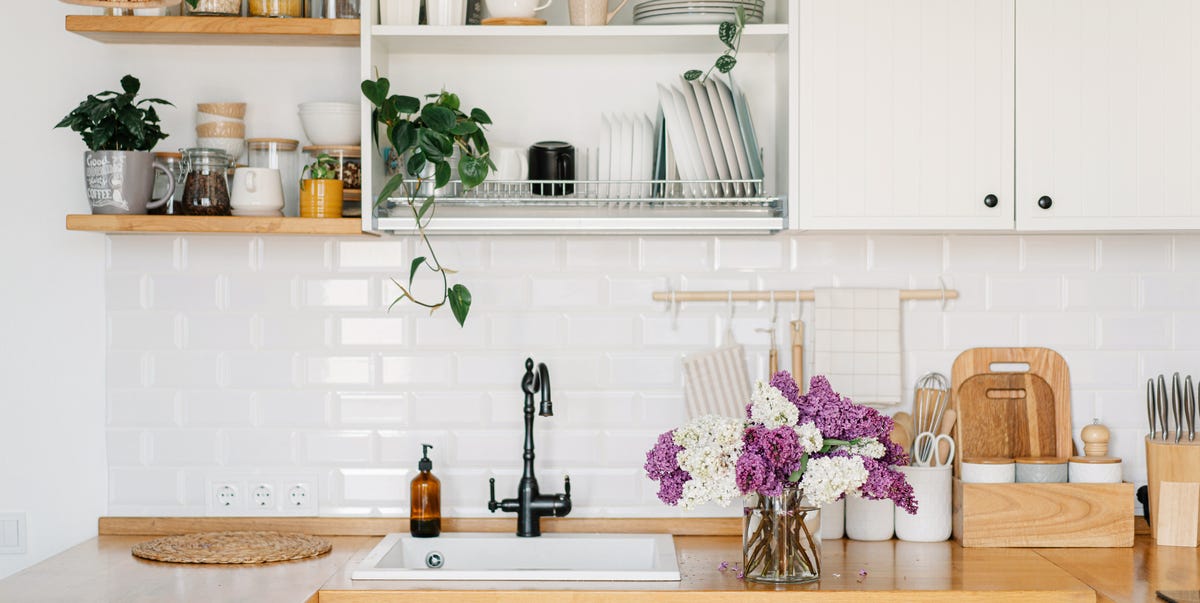
Some kitchens look calm and magazine-ready. Others look like a spatula convention collided with a cereal-box avalanche. If yours belongs to the second group, congratulations: you have a real kitchen. Real kitchens cook, snack, spill, host, rush, and occasionally hide three half-used bags of brown sugar behind the rice cooker.
The good news? You do not need a full remodel, a walk-in pantry, or a suspiciously perfect lifestyle to create a more organized kitchen. You need a smarter system. The best kitchen storage solutions are not just pretty bins and matching labels, although those certainly help. They are practical tools and habits that make food easier to find, counters easier to clean, cabinets less chaotic, and meal prep less like an archaeological dig.
This guide breaks down innovative, realistic ways to declutter your kitchen, maximize storage, and make your space work harder without making you work harder. Whether you have a spacious kitchen, a tiny apartment setup, or cabinets that seem designed by someone who has never owned a frying pan, these ideas will help you reclaim order.
Why Kitchen Clutter Happens So Fast
The kitchen is one of the busiest rooms in the home. It stores food, cookware, appliances, cleaning supplies, lunch boxes, water bottles, spices, pet bowls, coupons, takeout menus, and that one mystery lid that belongs to absolutely nothing. Because the kitchen handles so many jobs, clutter builds quickly when every item does not have a clear home.
Most kitchen clutter comes from four common problems: too many duplicates, poor cabinet visibility, wasted vertical space, and items stored far from where they are used. When your baking sheets live under the slow cooker, your spices are scattered across three shelves, and your pantry has no categories, cooking becomes slower and messier than it needs to be.
The solution is not to throw away everything and live with one fork like a minimalist monk. The solution is to build zones, use organizers that improve visibility, and make everyday items easy to reach.
Start with a Smart Kitchen Decluttering Reset
Empty One Zone at a Time
Do not begin by emptying the entire kitchen unless you enjoy standing in a sea of mugs questioning every life choice. Start with one zone: one drawer, one cabinet, one pantry shelf, or one section of the fridge. Remove everything from that area and group similar items together.
For example, if you are tackling a pantry cabinet, create groups such as breakfast foods, baking supplies, snacks, pasta and grains, canned goods, condiments, and “eat first” items. Once everything is visible, it becomes much easier to spot duplicates, expired food, and products you bought with great optimism but zero actual meal plan.
Use the Keep, Relocate, Donate, Toss Method
Every item should go into one of four categories. Keep what you use regularly. Relocate items that belong elsewhere. Donate safe, unopened food or duplicate kitchen tools you will not use. Toss expired food, broken containers, warped lids, chipped dishes, and anything that has crossed the line from “maybe useful” into “why is this sticky?”
Small appliances deserve special honesty. If you have not used a gadget in the last year or two, it may not deserve prime kitchen real estate. A waffle maker you use every Sunday earns its spot. A novelty quesadilla machine from 2017 may be ready for a new adventure.
Create Kitchen Zones That Match How You Cook
One of the most effective ways to declutter your kitchen is to organize it by activity. This is called zoning, and it turns your kitchen from a scavenger hunt into a workflow.
The Main Kitchen Zones
Create a prep zone near your cutting boards, knives, mixing bowls, and measuring tools. Keep cooking utensils, oils, spices, and pans near the stove. Store plates, bowls, glasses, and flatware close to the dishwasher or dining area. Keep food storage containers near the fridge so leftovers can be packed quickly. Cleaning supplies should stay under the sink or in a dedicated cleaning cabinet, safely away from food.
Zoning saves time because your hands naturally reach for what they need. It also reduces counter clutter because items are easier to return after use. The best organizing system is not the prettiest one; it is the one you can maintain on a busy Tuesday night when dinner is slightly burning.
Innovative Cabinet Storage Solutions
Pull-Out Shelves for Deep Cabinets
Deep lower cabinets are famous for swallowing cookware. A pull-out shelf turns that dark cave into usable storage. Instead of kneeling on the floor and reaching past three pots to find the Dutch oven, you slide the shelf forward and see everything at once.
Pull-out shelves are especially useful for pots, pans, small appliances, pantry staples, and cleaning supplies. They are also a strong option for people who want better accessibility without changing the entire cabinet layout.
Tiered Shelf Risers
Tiered shelf risers are small but mighty. Use them for spices, cans, mugs, bowls, and small pantry items. They create levels, so items in the back do not disappear behind taller products. A spice cabinet with a tiered riser is the difference between “Ah, there’s the cumin” and buying your fourth jar of cumin because the first three joined a witness protection program.
Turntables for Corners and Awkward Shelves
Turntables, often called lazy Susans, are excellent for oils, vinegars, sauces, condiments, baking extracts, vitamins, and small pantry staples. They work well in corners, upper cabinets, refrigerators, and pantry shelves.
The key is not to overload them. A turntable should spin smoothly. If it sounds like a shopping cart with a broken wheel, remove a few items.
Vertical Dividers for Baking Sheets and Cutting Boards
Flat items are difficult to store when stacked. Vertical dividers solve this by letting you file baking sheets, muffin tins, cooling racks, cutting boards, serving trays, and lids upright. This makes each item easy to grab without causing a metal landslide.
You can install permanent dividers inside cabinets or use freestanding organizers. Either way, vertical storage makes narrow cabinet spaces far more functional.
Pantry Storage Ideas That Actually Work
Clear Containers for Dry Goods
Clear airtight containers are popular for a reason. They make it easy to see how much flour, rice, cereal, pasta, or oats you have left. They also reduce messy bags and awkward boxes. For best results, choose containers that stack well and fit your shelves before buying an entire matching set.
Decanting is useful, but it should be practical. Keep cooking instructions, expiration dates, or allergen information by cutting labels from the original package and taping them to the back or bottom of the container. Beautiful storage should never turn dinner into a guessing game.
Pantry Bins by Category
Bins are perfect for grouping smaller items. Create categories such as snacks, breakfast, baking, pasta night, lunch supplies, sauces, and backstock. If your household includes kids or busy snackers, a grab-and-go snack bin can prevent the daily pantry explosion.
For deep shelves, use long clear bins with handles. They work like drawers, allowing you to pull items forward instead of losing them in the back.
The “Eat First” Bin
An “eat first” bin is one of the simplest ways to reduce food waste. Place opened snacks, soon-to-expire items, or half-used ingredients in one visible container. When someone says, “There’s nothing to eat,” you can point dramatically toward the bin like a game show host revealing a prize.
Door Racks for Extra Storage
The back of a pantry or cabinet door is valuable storage space. Use door racks for spices, foil, plastic wrap, snacks, oils, cleaning cloths, or small pantry items. This is especially helpful in small kitchens or apartments where every inch matters.
Before installing a rack, measure carefully. Make sure the door can close fully without crashing into shelves. Organization is less charming when it prevents basic door function.
Countertop Decluttering Solutions
Keep Only Daily-Use Items on the Counter
Kitchen counters are work surfaces, not storage units with granite tops. Keep only the items you use every day or almost every day. This might include a coffee maker, toaster, knife block, fruit bowl, or utensil crock. Everything else should earn its place or move into a cabinet.
Clear counters make a kitchen look cleaner instantly. They also make cooking easier because you do not have to move mail, vitamins, and a suspicious pile of charging cables before chopping an onion.
Use Wall-Mounted Storage
When counter space is limited, think vertically. Wall-mounted rails, shelves, hooks, magnetic knife strips, and pegboards can hold utensils, mugs, pans, cutting boards, and spices. This is especially useful for renters because many options are removable or require minimal installation.
A pegboard wall can be both functional and stylish. Hang frequently used tools where you can see them. Just avoid turning the wall into a hardware store display. Leave some breathing room so the setup looks intentional.
Add a Rolling Cart
A slim rolling cart can act as a mobile pantry, coffee station, baking station, produce holder, or lunch-packing center. It is ideal for small kitchens because it can move where needed and tuck away when not in use.
Use the top tier for daily items, the middle tier for grouped supplies, and the bottom tier for heavier backstock. Add small bins or cups so items do not roll around like they are training for a kitchen obstacle course.
Drawer Organizers That Save Time
Expandable Utensil Trays
Kitchen drawers become messy when tools of different sizes pile together. Expandable trays allow you to customize compartments for flatware, serving utensils, measuring spoons, peelers, and gadgets. The best drawer organizer should fit the drawer snugly and leave room for unusual items.
Deep Drawer Peg Systems
If you have deep drawers, peg systems can separate plates, bowls, pots, or food storage containers. Adjustable pegs keep stacks from sliding around. This is a great solution for lower drawers because heavy dishes are easier to lift from drawer height than from a high cabinet.
Food Container Lid Organizers
Food storage lids are the socks of the kitchen: always missing, oddly shaped, and somehow multiplying. A lid organizer with slots can bring peace to the chaos. Store containers nested by shape and keep lids upright in one dedicated area.
Declutter first by matching every container with a lid. Recycle or repurpose loners when possible. No lid, no mercy.
Under-Sink Storage Without the Chaos
The under-sink cabinet is tricky because pipes, garbage disposals, and cleaning products compete for space. Use stackable bins, pull-out drawers, tension rods, adhesive hooks, and clear caddies to create structure.
Store dish soap, dishwasher tablets, sponges, brushes, trash bags, and cleaning sprays by category. Keep frequently used items in a handled caddy so you can grab them easily. If children or pets are in the home, use child-safe locks and store hazardous products securely.
Refrigerator Organization for Less Waste
Use Clear Bins in the Fridge
Clear refrigerator bins help group yogurts, condiments, cheeses, produce, lunch items, and leftovers. They prevent small items from drifting into the cold unknown. Label bins if helpful, but do not overcomplicate the system.
Follow Food Safety Basics
Kitchen decluttering is not only about looks. It is also about safety. Refrigerate perishable foods promptly, and avoid letting foods that need refrigeration sit out for more than two hours. Store leftovers in shallow, airtight containers and use most refrigerated leftovers within three to four days.
A simple label with the date can save you from playing the dangerous game of “Is this still good?” Your nose is helpful, but it is not a certified food safety inspector.
Create a Leftovers Shelf
Designate one shelf or bin for leftovers. This keeps them visible and encourages your household to eat them before cooking more food. Pair this with a weekly fridge check before grocery shopping to avoid buying duplicates.
Small Kitchen Storage Solutions
Use the Space Above Cabinets
If your cabinets do not reach the ceiling, use the top area for rarely used items such as holiday platters, large serving bowls, extra paper towels, or specialty cookware. Store items in attractive baskets or lidded bins to reduce visual clutter.
Install Under-Shelf Baskets
Under-shelf baskets slide onto existing shelves and create an extra layer of storage. Use them for wraps, napkins, small plates, dish towels, snacks, or lightweight pantry goods. They are a renter-friendly way to add storage without tools.
Choose Nesting and Collapsible Items
Nesting bowls, stackable measuring cups, collapsible colanders, and compact food containers save space. When replacing old items, look for designs that store neatly. Innovation does not always mean high-tech; sometimes it means a colander that stops taking up half a cabinet.
Storage Solutions for Renters
Renters need storage ideas that are effective but reversible. Try freestanding shelves, rolling carts, adhesive hooks, magnetic racks, over-the-door organizers, tension rods, and removable cabinet shelves. These options can dramatically improve storage without drilling into walls or angering a landlord.
A freestanding baker’s rack can serve as extra pantry storage, a microwave station, or a coffee bar. Use matching bins to make open storage look calm instead of chaotic. The secret to open shelving is not perfection; it is consistency.
How to Maintain a Decluttered Kitchen
Use the One-Minute Rule
If a task takes less than one minute, do it immediately. Put the spice jar back. Rinse the measuring cup. Toss the empty box. Return the cutting board. Tiny resets prevent weekend-long cleanup marathons.
Reset Counters Every Night
A quick nightly counter reset makes mornings better. Put away food, load the dishwasher, wipe surfaces, and return stray items to their zones. You do not need a perfect kitchen. You need a kitchen that does not greet you at 7 a.m. with yesterday’s crumbs and emotional damage.
Review Storage Every Season
Kitchen needs change. Holiday baking supplies may take over in winter. Smoothie gear might become more important in summer. Review your pantry, fridge, and cabinets every few months so your storage keeps matching real life.
Best Innovative Storage Solutions to Try First
If you want quick wins, start with these high-impact kitchen organizers:
- Pull-out cabinet shelves for deep lower cabinets
- Tiered risers for spices and cans
- Clear pantry bins with labels
- Vertical dividers for baking sheets and cutting boards
- Turntables for oils, sauces, and condiments
- Over-the-door pantry racks
- Drawer organizers for utensils and food container lids
- Rolling carts for flexible small-space storage
- Wall-mounted rails, pegboards, or magnetic strips
- Clear refrigerator bins and a dedicated leftovers zone
You do not need to buy everything at once. In fact, you should not. Declutter first, measure your space, then choose organizers that solve specific problems. Buying bins before decluttering is how people end up with clutter stored inside prettier clutter.
Common Kitchen Organization Mistakes to Avoid
Buying Organizers Before Measuring
Measure shelves, drawers, cabinet doors, and pantry depth before purchasing storage products. A beautiful bin that does not fit is just another object needing storage.
Over-Decanting Everything
Decanting can make a pantry look polished, but not every item needs a new container. If your household eats a box of cereal in two days, the original package may be fine. Use containers where they improve freshness, visibility, or stacking.
Ignoring Daily Habits
Your kitchen should support how you actually live. If your family drops lunch boxes by the door, create a lunch-packing zone nearby. If you make coffee every morning, keep mugs, filters, sweeteners, and beans together. Organization fails when it is designed for an imaginary version of your life who calmly prepares soufflés while wearing linen.
Experience-Based Tips: What Really Works in Everyday Kitchens
After working through real kitchen organization projects, one lesson becomes clear: the best storage solution is the one that removes friction. People often think decluttering is about discipline, but it is mostly about design. If putting something away is annoying, that item will probably stay on the counter. If the lid organizer is too tight, lids will end up in a pile. If snacks are stored on a high shelf, kids will create a climbing expedition worthy of a documentary.
One practical experience is to start with the “pain point cabinet.” Every kitchen has one. It might be the cabinet where pans get stuck, the drawer that jams because of too many utensils, or the pantry shelf where bags of chips collapse like exhausted balloons. Fixing that one area often creates momentum. A vertical pan divider can make cooking feel easier overnight. A clear snack bin can stop daily pantry digging. A pull-out shelf under the sink can transform cleaning supplies from a messy pile into a usable station.
Another useful lesson is that labels work best when they are simple. Labels such as “snacks,” “baking,” “breakfast,” and “pasta” are easy for everyone to follow. Overly specific labels can backfire. If a bin says “organic roasted lightly salted almonds,” no one knows what to do when the cashews arrive. Broad categories are more flexible and realistic.
Clear storage also matters more than people expect. When food is visible, it gets used. When food is hidden, it becomes pantry archaeology. Clear bins in the fridge are especially helpful because refrigerated items expire faster. A bin labeled “eat first” can reduce waste because it turns forgotten food into a visible priority. This works well for half-used produce, yogurt cups, deli items, and leftovers.
Countertops require a slightly different mindset. Many people try to organize countertop clutter instead of removing it. A tray can make oils and seasonings look neat, but if the tray becomes home to vitamins, receipts, keys, and three pens, it has become a clutter island. The better approach is to decide what truly belongs on the counter. Daily coffee supplies? Yes. A food processor used twice a month? Probably not. Random mail? Absolutely not, unless you enjoy seasoning your electric bill with garlic powder.
Small kitchens benefit from mobile and vertical storage. A rolling cart can hold pantry overflow, school lunch supplies, or baking tools. Wall hooks can hold mugs or utensils. A magnetic knife strip frees drawer or counter space. Over-the-door racks are excellent for renters and anyone without a full pantry. The trick is to keep these systems tidy because visible storage needs editing. If everything is displayed, the kitchen can quickly feel crowded.
The most successful kitchen decluttering projects also include a maintenance habit. A five-minute nightly reset is more powerful than a massive monthly cleanout. Put items back in zones, wipe counters, check leftovers, and reset the sink area. This small routine keeps clutter from rebuilding. It also makes the kitchen more pleasant in the morning, which is a gift to your future self before coffee has fully activated your personality.
Finally, remember that your kitchen does not have to look like a showroom. It has to work. A functional kitchen has clear counters, visible food, reachable tools, and storage that matches your routines. If your system helps you cook dinner faster, waste less food, and open a cabinet without fear, it is a success.
Conclusion
Decluttering your kitchen is not about creating a perfect space where no crumb dares to exist. It is about building a kitchen that supports real life. Innovative storage solutions such as pull-out shelves, clear bins, tiered risers, turntables, vertical dividers, rolling carts, and wall-mounted organizers can help you use every inch more wisely.
Start small, focus on one zone, and choose storage tools that solve actual problems. When your kitchen has clear categories, visible food, practical zones, and easy-to-maintain systems, cooking becomes smoother, cleaning becomes faster, and your cabinets stop behaving like tiny escape rooms.
Note: This article is based on current kitchen organization, pantry storage, small-space design, and food safety best practices from reputable U.S. home, lifestyle, and public health resources. It has been fully rewritten for original web publication without source-link clutter.