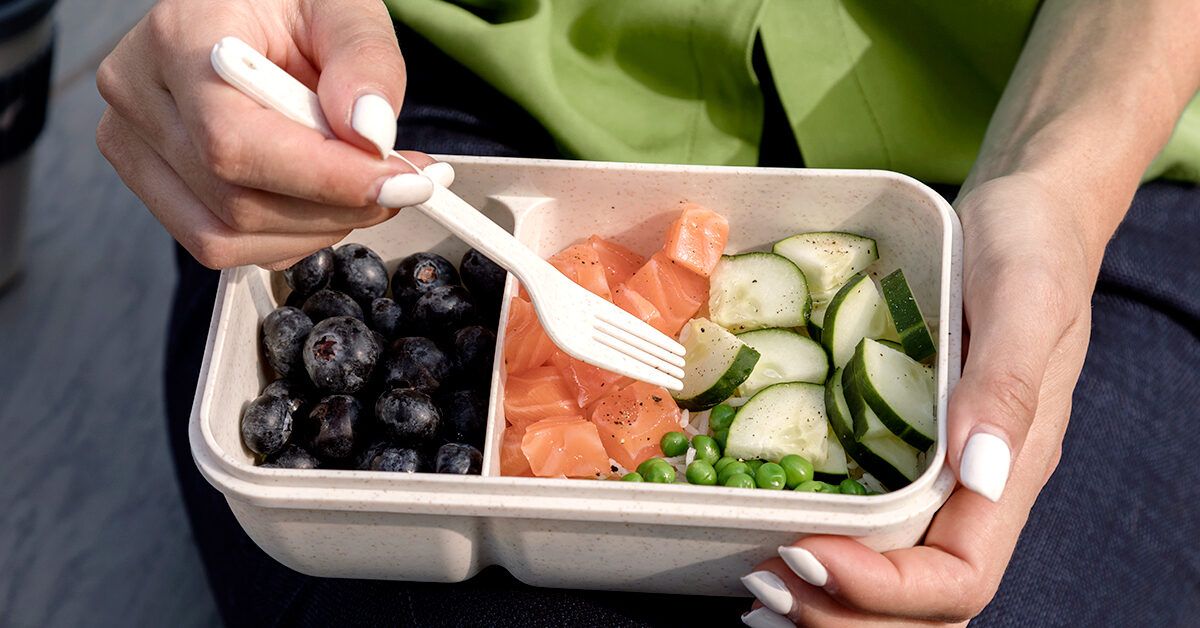
Trying to figure out the best EPI diet can feel a little like being told to solve a puzzle while hungry. One person says, “Cut all fat.” Another says, “No, eat more.” Then someone else throws the words pancreatic enzymes into the mix and suddenly lunch feels like homework.
Here’s the good news: eating with exocrine pancreatic insufficiency (EPI) does not have to become a full-time job. In most cases, the goal is not a trendy or punishing meal plan. It is a practical, sustainable way of eating that helps you digest food better, maintain your weight, reduce symptoms, and actually enjoy meals again. That usually means pairing the right foods with the right routine, especially if your clinician has prescribed pancreatic enzyme replacement therapy (PERT).
This guide breaks down the foods to eat, the foods to limit, how fat and fiber fit into the picture, and the everyday strategies that make an EPI diet more realistic in real life.
What is EPI, and why does diet matter so much?
EPI happens when the pancreas does not make enough digestive enzymes to properly break down food. Since those enzymes help digest fat, protein, and carbohydrates, a shortage can lead to malabsorption. In plain English: you may be eating, but your body is not getting the full benefit of what is on your plate.
That is why people with EPI may deal with greasy or loose stools, bloating, gas, cramping, diarrhea, and unplanned weight loss. Over time, poor absorption can also affect nutrition status, including levels of fat-soluble vitamins such as vitamins A, D, E, and K. In some people, EPI is linked to chronic pancreatitis. In others, it may be related to cystic fibrosis, pancreatic surgery, pancreatic cancer, celiac disease, inflammatory bowel disease, or diabetes.
So when people search for an “EPI diet,” what they usually need is not a magic list of superhero foods. They need a meal pattern that supports digestion, minimizes triggers, and helps them get enough calories and nutrients without making symptoms worse.
What to eat on an EPI diet
The best foods for EPI are usually nutrient-dense, easy to tolerate, and balanced. Think less “internet cleanse” and more “food your body can actually work with.”
1. Lean proteins that are easier to build meals around
Protein matters because unintentional weight loss and muscle loss can happen when EPI is not well managed. Good options include:
- Skinless chicken or turkey
- Fish and seafood
- Eggs, if tolerated
- Tofu, tempeh, and edamame
- Greek yogurt or cottage cheese, if dairy sits well
- Beans and lentils in portions you tolerate comfortably
If you notice that very fibrous legumes trigger bloating, do not panic and break up with all beans forever. Smaller portions, softer preparations, and spacing them throughout the week may work better.
2. Fruits and vegetables
Most people with EPI benefit from fruits and vegetables because they provide vitamins, minerals, fluids, and antioxidants. Cooked vegetables may be easier to handle than huge raw salads if your stomach is acting dramatic. Smart choices include:
- Bananas
- Berries
- Melons
- Applesauce or peeled apples
- Cooked carrots
- Zucchini
- Sweet potatoes
- Spinach
- Green beans
If raw produce makes you feel like your abdomen is auditioning for a drum solo, try steaming, roasting, or blending fruits and vegetables into soups and smoothies.
3. Whole grains and easy carbohydrates
Carbohydrates help provide energy, which matters when EPI has been draining your calorie intake. Good choices can include:
- Oatmeal
- Rice
- Quinoa
- Whole grain toast
- Pasta
- Potatoes
- Low-sugar cereals
Whole grains can be a good fit, but keep a close eye on how much fiber you are eating at one time. Some people do great with moderate fiber. Others find that very high-fiber meals make symptoms or enzyme timing trickier.
4. Healthy fats in the right amount
This is where EPI nutrition gets a little more nuanced. Fat is not the villain. Your body needs it for energy and for absorbing certain vitamins. The problem is that fat is often the hardest nutrient to digest when pancreatic enzymes are low.
For many adults with EPI, especially when chronic pancreatitis is involved, a moderate-fat approach works better than both extremes. That means not drowning everything in butter, but also not trying to survive on dry toast and sadness.
Better fat choices include:
- Avocado in modest portions
- Olive oil used lightly
- Nut butters in small amounts
- Seeds and nuts, if tolerated
- Fatty fish such as salmon
One important note: some people with cystic fibrosis and EPI may be told to eat a higher-calorie, higher-fat diet. That is why a truly effective EPI diet is often individualized. The best fat target depends on your symptoms, your cause of EPI, your weight trends, and your enzyme plan.
5. Low-fat or moderate-fat dairy, if tolerated
Dairy is not automatically off-limits. Some people do fine with milk, yogurt, kefir, or cheese, while others also have lactose intolerance or find richer dairy foods harder to digest. You may do better with:
- Low-fat yogurt
- Lactose-free milk
- Cottage cheese
- Small servings of cheese
If dairy consistently triggers cramping, bloating, or diarrhea, it may be worth discussing lactose intolerance with your clinician instead of blaming every symptom on EPI alone.
6. Fluids and gentle hydration
Diarrhea and poor intake can leave you feeling wiped out. Water matters. So do broths, smoothies, and lower-sugar electrolyte drinks when needed. Staying hydrated will not cure EPI, but it can make the whole situation less miserable.
Foods to avoid or limit with EPI
There is no universal banned-food prison for EPI, but certain foods and habits commonly make symptoms worse.
1. Alcohol
Alcohol is one of the clearest things to avoid, especially if EPI is related to pancreatitis. The pancreas has already been through enough. It does not need cocktails to make the plot twist worse.
2. Deep-fried, greasy, and very heavy meals
Large amounts of fried chicken, fast-food burgers, loaded fries, creamy sauces, or super-greasy takeout can be hard to handle. These meals may worsen bloating, diarrhea, cramping, and steatorrhea, which is the medical term for fatty stools.
3. Very large meals
Even if the food itself is fine, a giant meal can overwhelm digestion. Many people with EPI feel better with smaller, more frequent meals instead of two or three huge ones.
4. Ultra-processed foods with lots of fat and little nutrition
Packaged snack cakes, greasy chips, and heavily processed frozen meals may be high in fat and calories without giving you much nutritional payoff. If you are trying to protect your weight and nutrient status, these foods are usually poor value.
5. Very high-fiber meals or fiber supplements, in some cases
Fiber is not bad. In fact, fiber-rich foods can be part of a healthy EPI diet. But some people find that very high-fiber meals or fiber supplements seem to reduce how well enzymes work, especially if they are still having greasy stools despite treatment. If that sounds familiar, do not eliminate every whole grain in your kitchen. Instead, talk with your dietitian or gastroenterologist about timing, portion size, and whether your enzyme regimen needs adjustment.
6. Foods that are personal triggers
For one person, tomato cream soup is comfort food. For another, it is a full-body regret. Keep track of your own trigger foods. Common suspects include very spicy foods, rich desserts, heavy cream sauces, and oversized restaurant meals.
How pancreatic enzymes fit into the EPI diet
If you have EPI, food alone is often only half the plan. Pancreatic enzyme replacement therapy (PERT) is a major piece of treatment. These prescription enzymes are taken with meals and snacks so your body can better digest what you eat.
This is why the “perfect EPI diet” on paper can still flop in real life if enzyme timing is off. You can eat grilled salmon, brown rice, and roasted vegetables like a wellness influencer, but if you are not taking enzymes as prescribed, your body may still struggle to absorb nutrients properly.
Practical tips include:
- Take PERT exactly as prescribed with meals and snacks
- Do not skip enzymes for “just a small bite” if that bite contains fat or protein
- Tell your clinician if symptoms continue despite using PERT
- Ask whether vitamin supplements are appropriate, especially vitamins A, D, E, and K
If you are still having oily stools, unexpected weight loss, or ongoing bloating, that is not your body being “difficult.” It may mean the plan needs adjustment.
A sample day of EPI-friendly eating
Here is what a balanced day might look like for someone using enzymes and aiming for moderate, steady digestion:
- Breakfast: Oatmeal with banana slices, a spoonful of peanut butter, and low-fat Greek yogurt
- Snack: Crackers with cottage cheese or a smoothie made with lactose-free milk and berries
- Lunch: Grilled chicken, rice, cooked green beans, and a small drizzle of olive oil
- Snack: Applesauce and a boiled egg
- Dinner: Baked salmon, mashed sweet potatoes, and roasted zucchini
- Evening option: Toast with avocado or yogurt, depending on what feels best
This is only an example, not a rigid script. The best EPI meal plan is the one your body tolerates and you can actually maintain.
When to ask for more help
Reach out to your healthcare team if you have:
- Greasy, floating, or unusually foul-smelling stools
- Persistent diarrhea or bloating
- Unplanned weight loss
- Signs of vitamin deficiency or poor nutrition
- Fatigue, dizziness, or trouble maintaining your usual intake
An EPI diet works best when it is guided by a clinician or registered dietitian who understands pancreatic disease. That is especially true if you also have diabetes, chronic pancreatitis, cystic fibrosis, celiac disease, or another digestive condition that changes your nutrition needs.
The bottom line on the EPI diet
The smartest approach to an exocrine pancreatic insufficiency diet is not to declare war on food. It is to build meals that are nutritious, manageable, and realistic while using enzymes and medical follow-up to support absorption.
For most people, that means choosing lean proteins, fruits, vegetables, practical carbohydrates, and moderate portions of healthy fats; avoiding alcohol and very greasy meals; eating smaller, more frequent meals; and working with a clinician on PERT and vitamin support. It is less about eating “perfectly” and more about making food work with your body instead of against it.
And honestly, that is a much more useful goal than memorizing a list of foods that the internet swears you must never touch again.
Real-life experiences people often have with an EPI diet
Many people living with EPI say the hardest part is not just the food itself. It is the trial-and-error phase. At first, meals can feel unpredictable. A breakfast that seemed harmless yesterday may lead to bloating today. A restaurant dinner may look normal on the table but turn into cramping, loose stools, or that uncomfortable “my body did not sign off on this” feeling a few hours later. That unpredictability can make people anxious around food, especially in public or while traveling.
Another common experience is frustration over mixed advice. Some people are told to cut fat, while others hear that they still need enough fat and calories to maintain weight. That can be confusing until they learn the bigger truth: EPI diets are individualized. Once people understand that success depends on their diagnosis, symptoms, enzyme use, and nutrition goals, food often starts making more sense.
People also describe a major mental shift when they begin taking pancreatic enzymes correctly. Before diagnosis, meals may have felt like a gamble. After diagnosis and treatment, eating often becomes more predictable. Not perfect, but better. Some say they finally realize they do not need to fear every meal; they need a routine. That routine might include carrying enzymes in a bag, keeping snacks nearby, eating smaller meals, and not pretending they can power through symptoms on willpower alone.
Weight changes are another big part of the experience. Some people feel alarmed when they lose weight without trying, while others feel constantly hungry because their body is not absorbing nutrients well. Once treatment and diet improve, people often say they feel steadier. Energy may improve. Meals become less exhausting. The bathroom stops feeling like the main character in the story.
Social life can be tricky too. EPI does not always look serious from the outside, which means other people may not understand why someone is reading menus carefully, eating slowly, or taking capsules before a snack. Some people feel awkward explaining it. Others get tired of hearing suggestions from friends who mean well but think a juice cleanse, cutting all carbs, or “going natural” will solve a pancreatic enzyme deficiency. Spoiler: it will not.
Over time, though, many people find a rhythm. They learn which foods are worth it, which foods are not, and how to adjust when symptoms flare. They figure out whether cooked vegetables feel better than raw ones, whether rich desserts are manageable in tiny portions, and whether restaurant meals need a little strategy. They often become more tuned in to their bodies without becoming obsessed.
One of the most encouraging experiences people describe is the return of confidence. Food stops feeling like a mystery and starts feeling manageable again. Not carefree, necessarily, but manageable. And when you are dealing with a condition like EPI, that kind of progress matters a lot. It means dinner can go back to being dinner, not a science experiment with emotional consequences.