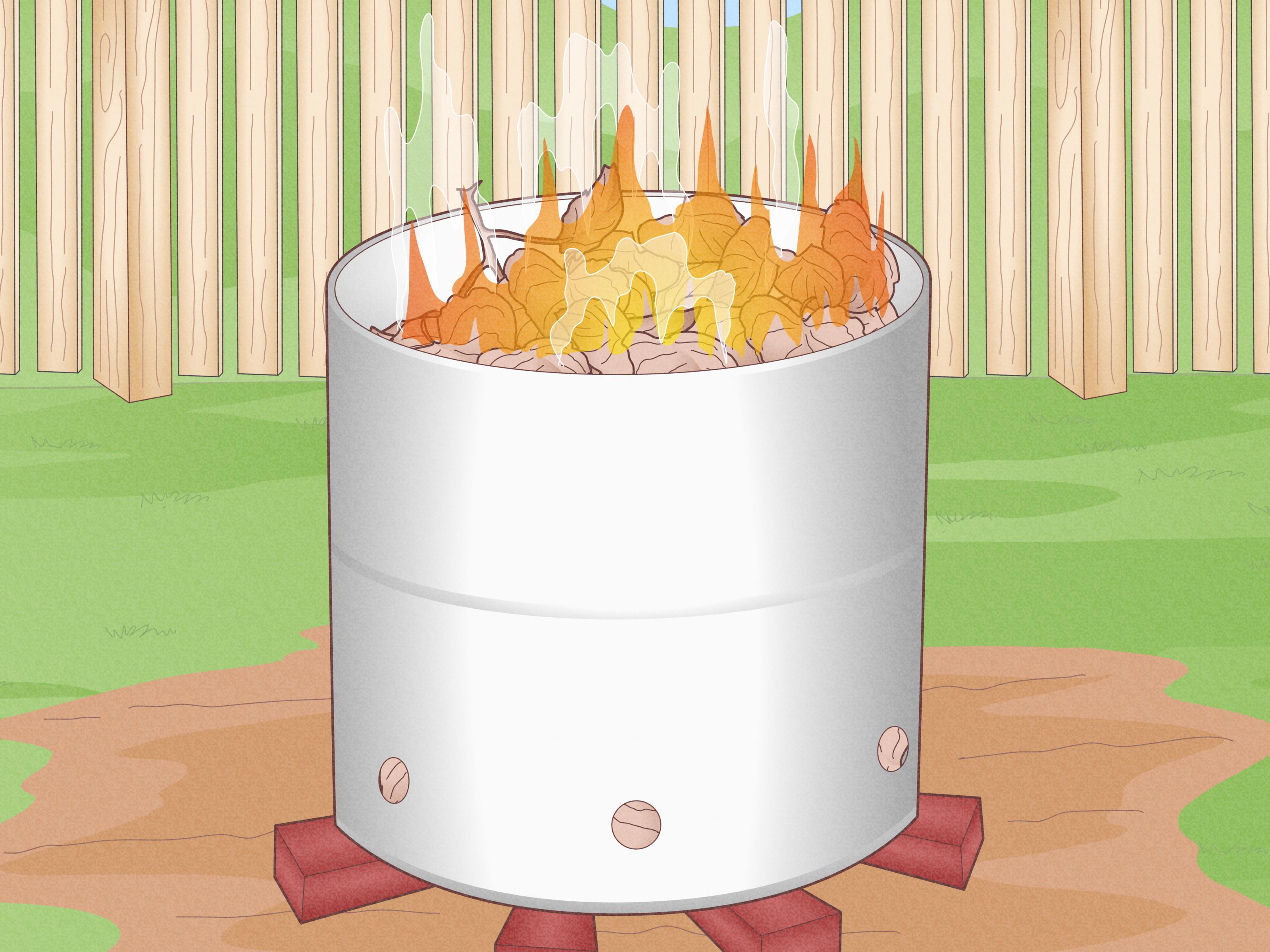
If you searched for how to make a garden incinerator, you are probably not dreaming of a glamorous weekend project. You are staring at a pile of branches, weeds, soggy leaves, and mystery trimmings that somehow multiplied overnight like a yard-waste soap opera. Fair enough. But before you turn your backyard into a tiny medieval furnace, there is a smarter route.
For many homeowners, the real goal is not building a fire device. It is getting rid of garden debris efficiently, legally, and without annoying the neighbors, scaring the dog, or perfuming your laundry with smoke. The good news is that you can handle yard waste beautifully without burning it. In fact, the alternatives are usually cleaner, more useful, and much better for the long-term health of your garden.
This guide walks you through six practical steps to manage yard waste safely and effectively. You will still get the satisfaction of a tidy yard, but instead of ending with ash and smoke, you can end with mulch, compost, healthier soil, and fewer headaches. That is what I call a glow-up for your garden.
Why Skip a Garden Incinerator?
Let’s be honest: the appeal of burning yard waste is obvious. Fire makes a mess disappear fast. But “fast” is not always the same as “smart.” A garden incinerator may seem like a cheap DIY solution, yet it creates a long list of problems. Smoke drifts. Ash blows. Branches pop. Neighbors complain. Local rules may be stricter than people realize. And even when burning is technically allowed somewhere, it may only apply to limited materials or certain seasons.
There is also a gardening downside. When you burn leaves, clippings, and plant trimmings, you destroy organic matter that could have gone back into the soil. In other words, your yard produces free future mulch and compost, and burning throws that away. It is the landscaping equivalent of shredding cash and then buying fertilizer later.
So instead of asking, “How do I build an incinerator?” a better question is, “How do I process yard waste in a way that is efficient, useful, and easy to live with?” That question leads to better answers. Let’s get into them.
Step 1: Sort Your Garden Waste Like a Pro
The fastest way to make yard cleanup harder is to treat everything as one giant, tangled category called “plant stuff.” Different materials break down at different speeds, serve different purposes, and belong in different systems. So your first move is simple: sort the pile.
Make four basic categories
- Soft green waste: grass clippings, fresh weeds, spent annuals, soft stems
- Brown dry material: dry leaves, straw, dead stems, small twigs
- Woody debris: branches, shrub prunings, thicker canes
- Questionable material: diseased plants, invasive weeds, seed-heavy weeds, chemically treated material
This one habit changes everything. Soft greens are excellent for compost. Dry leaves can become mulch or carbon-rich compost ingredients. Woody debris can be chipped, stacked, or sent to municipal green-waste services. The “questionable” pile requires more thought, because you do not want to spread problems back into your garden.
Sorting also helps you estimate volume. A few bags of leaves need one solution. Half a hedge and a downed branch from last night’s storm need another. Once you know what you have, the rest becomes easier.
Step 2: Turn Leaves and Clippings Into Compost
If there is a superstar in the yard-waste world, it is compost. Composting transforms scraps and trimmings into dark, crumbly material that improves soil structure, helps soil hold moisture, and supports healthier plant growth. That is a much better finale than a pile of soot.
What works well in a compost system
- Leaves
- Grass clippings in moderate amounts
- Small weeds that have not gone to seed
- Spent flowers and annual plants
- Vegetable garden leftovers
- Small, chopped prunings
What to avoid
- Diseased plant material
- Weeds loaded with seeds
- Thick woody branches
- Plants treated recently with products you would not want concentrated in compost
The easiest beginner system is a simple compost bin or open pile with a balance of “greens” and “browns.” Greens provide moisture and nitrogen. Browns add carbon and help prevent the pile from turning into a soggy science experiment. A rough rule is to mix more browns than greens, especially if you have a lot of fresh grass clippings.
If your pile smells bad, it usually needs more dry material and air. If it looks dry and inactive, it may need moisture and more green matter. Think of compost as less of a strict recipe and more of a lazy stew that occasionally appreciates being stirred.
Step 3: Use Mulch Instead of Making Smoke
One of the most underrated yard-waste strategies is simply keeping more material on site and using it as mulch. Shredded leaves, chipped twigs, and small prunings can protect soil, reduce weeds, and help garden beds stay cooler and more evenly moist.
If you already buy bags of mulch every year, this step is where your wallet starts clapping.
Great ways to use homemade mulch
- Around shrubs and trees
- On garden paths
- In ornamental beds
- Over bare soil between perennials
- As a top layer over sheet mulching projects
Leaves work especially well when shredded first. Whole leaves can mat down and behave like a damp blanket nobody asked for. Shredded leaves are easier to spread and break down more evenly. Small twiggy material also works if chipped or chopped into manageable pieces.
Mulch looks neat, improves the garden over time, and saves hauling. Compared with burning, it is a no-contest win. One gives you smoke. The other gives you soil protection. Your tomatoes know which side they are on.
Step 4: Chip, Chop, or Stack Woody Debris
Branches are usually the main reason people start fantasizing about fire. They are bulky, awkward, and somehow manage to poke you in the shin no matter how carefully you move them. But woody debris still has options besides burning.
Best solutions for branches and prunings
- Chip them: Rent or borrow a chipper if you have a lot of material and know how to use one safely.
- Cut them down: Use pruners or a saw to shorten branches for yard-waste bins or bundles.
- Stack them: Neat brush piles can be a short-term holding method while you decide whether to chip, haul, or schedule pickup.
- Create habitat: In larger landscapes, a carefully placed brush pile can support wildlife while slowly breaking down.
If you have only a small amount of woody waste, hand-cutting it into shorter lengths is often enough. If you have a major pruning job or storm cleanup, chipping becomes more attractive. The resulting wood chips can be used on paths, under shrubs, or in low-traffic areas.
The secret is not letting woody debris become a permanent backyard monument. Process it quickly. The longer it sits, the more annoying it becomes and the more likely you are to make a rushed decision later.
Step 5: Know What Should Not Go Back Into the Garden
Not every pile of plant waste deserves a second life. Some materials can spread disease, create weed problems, or just refuse to break down on a homeowner-friendly schedule. This is the point where a little caution saves a lot of regret.
Use extra care with these materials
- Diseased leaves and stems: These may belong in municipal disposal rather than backyard compost.
- Invasive weeds: Some species reroot or spread from tiny fragments.
- Weeds full of seeds: Composting them poorly is basically free advertising for next season’s weed crop.
- Thorny or spiky debris: Better chopped, bagged, or handled separately.
- Very large branches: Better for pickup, drop-off, or chipping than compost.
When in doubt, be selective. Garden cleanup is not only about getting materials out of sight. It is about making choices that do not create new messes later. A sloppy compost pile can become tomorrow’s weed patch. A thoughtful disposal plan becomes tomorrow’s healthier bed.
This is where local green-waste programs shine. Many towns and cities offer seasonal pickup, compost facilities, or drop-off sites for leaves, branches, and other yard trimmings. If your property produces more debris than you can reasonably reuse, that service can save enormous time and effort.
Step 6: Build a Yard-Waste Routine You Can Actually Keep Up With
The best yard-waste system is not the fanciest one. It is the one you will actually use in July when the weeds are winning, the shrubs need trimming, and you are already sweaty before breakfast. A sustainable routine beats a heroic one-time cleanup every single time.
Create a simple system
- Keep one container for compostables
- Keep one area for dry leaves and browns
- Keep one plan for branches: chip, bundle, or haul
- Schedule regular cleanup instead of giant seasonal panic sessions
- Check local collection dates before major pruning weekends
A practical routine might look like this: soft trimmings go straight into compost, dry leaves get shredded for mulch, and woody prunings go into a stacking area until pickup day. Once you set up those lanes, the work moves faster because every item has a destination.
That routine also reduces temptation. When yard waste has a system, you are less likely to look at a heap of branches and think, “Maybe I should build a metal barrel of questionable destiny.” Progress.
Common Mistakes to Avoid
Trying to compost everything
Not all debris belongs in one bin. Thick branches, diseased plants, and aggressive weeds often need different handling.
Letting leaves sit in soggy bags forever
Leaves are useful, but not when they become a swampy project from three seasons ago. Shred them, mulch with them, or compost them promptly.
Making mulch too thick
A mulch mountain around trunks and stems can trap too much moisture and cause problems. Keep it moderate and sensible.
Ignoring local disposal services
Many homeowners work harder than necessary because they forget city or county yard-waste programs exist. A quick check can save hours.
Waiting until the pile gets enormous
Small, steady handling is easier than one huge cleanup marathon. Yard waste is a chore that rewards consistency.
The Better Backyard Mindset
A garden is a living cycle, not a one-way trash factory. Leaves fall, plants fade, branches get pruned, and all that material can either become a nuisance or become a resource. Once you start thinking of yard waste as future compost, future mulch, or future soil improvement, your whole cleanup strategy changes.
This mindset also makes gardening more affordable. Store-bought compost, bagged mulch, and disposal fees add up. Reusing suitable material on site can lower costs and improve your landscape at the same time. That is not just practical. It is elegant.
And there is something satisfying about a yard that feeds itself. Instead of removing organic matter only to buy replacement products later, you keep the cycle moving in your favor. The result is a cleaner yard, richer soil, and a routine that feels less wasteful.
Experiences and Lessons Gardeners Commonly Share
Talk to enough gardeners and you will hear the same confession again and again: the first instinct is usually to get rid of yard debris as quickly as possible. People trim shrubs, rake leaves, pull spent annuals, and then look at the pile like it personally insulted them. That emotional moment is when bad ideas become tempting. The fantasy is simple: one dramatic solution, one smoky afternoon, one pile gone forever. But experienced gardeners often say the real win came when they stopped thinking about “disposal” and started thinking about “conversion.”
One common story goes like this: someone begins with a tiny compost pile in a corner they assume will fail. It looks unimpressive. It is not glamorous. It definitely does not make anyone feel like a landscaping wizard. Then, months later, that pile turns into dark material that makes flower beds look better and vegetable plants grow stronger. Suddenly the same gardener who once wanted to burn everything is protecting bags of leaves like treasure.
Another frequent lesson comes from people who start mulching with shredded leaves. At first, they worry the yard will look messy or cheap. Then summer hits. The mulched beds stay more even, weeds are easier to pull, and watering becomes less dramatic. The gardener realizes the “waste” was doing useful work the whole time. That is usually the turning point. Once a homeowner sees that fallen leaves can save money and labor, it becomes much harder to justify sending them up in smoke.
Gardeners with larger properties often talk about branches as the hardest category. A heap of prunings can look like a problem with attitude. But even here, experience tends to produce the same advice: process woody material quickly and it stops feeling overwhelming. Small branches become bundle-sized. Larger ones become wood chips. Even a temporary brush pile feels more manageable when it is neat and intentional instead of chaotic.
There is also the neighbor factor, which seasoned gardeners understand better than beginners. A tidy compost area, mulch pile, or scheduled yard-waste pickup rarely starts drama. Smoke, odors, drifting ash, and surprise crackling sounds from a backyard burn absolutely can. Experienced homeowners usually learn that peaceful gardens are not just about plants. They are about routines that fit comfortably into a neighborhood.
Perhaps the most useful lesson is that the best garden systems are rarely the most dramatic. They are the repeatable ones. A bin for greens. A space for leaves. A plan for branches. A habit of dealing with debris before it becomes a monster pile with emotional baggage. That is the kind of system people stick with year after year. It is not flashy, but it works.
So if you came here thinking you needed a garden incinerator, the better answer may be that you needed a simpler system. Most gardeners who switch to composting, mulching, chipping, or municipal yard-waste programs do not miss the fire idea for long. They usually end up with cleaner beds, healthier soil, and fewer moments of standing in the yard asking, “Why did I let this pile get so big?” That alone is worth the upgrade.
Conclusion
If your original plan was to build a garden incinerator, consider this your friendly intervention. You do not need a backyard furnace to manage leaves, clippings, and branches well. You need a system that turns waste into something useful. Sort the material, compost what you can, mulch with what helps, process branches promptly, keep risky plant debris separate, and use local yard-waste services when needed. Those six steps will give you a cleaner yard and a smarter garden without the smoke, hassle, or regret.
In the end, the best garden cleanup method is the one that improves your landscape instead of just erasing a pile. Fire makes things disappear. Good gardening makes them useful.