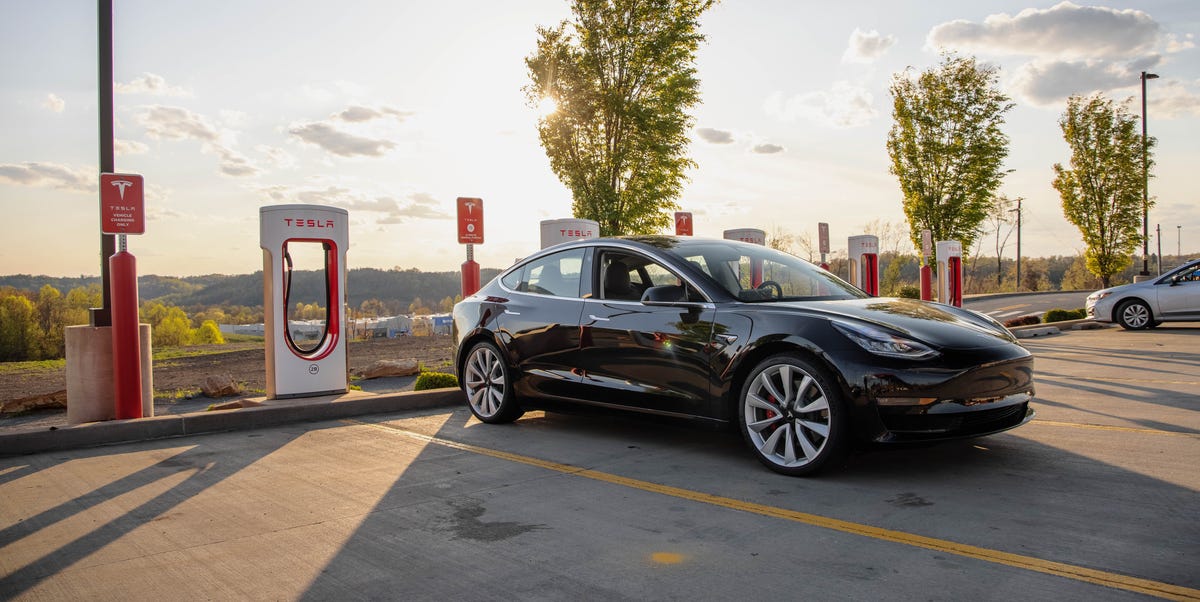
Charging an electric vehicle sounds simple until you ask the one question every normal human asks before buying one: “So… how much is this going to add to my electric bill?” The honest answer is: it depends. The useful answer is: for many U.S. drivers, charging at home costs roughly $45 to $75 per month, while heavy use of public fast chargers can cost two to three times more.
The good news is that EV charging costs are not mysterious. They are just electricity math wearing a futuristic jacket. Once you know three numbersyour electric rate, your car’s efficiency, and how many miles you driveyou can estimate your electric vehicle charging cost with surprising accuracy. No crystal ball required. No engineering degree. Just a calculator and maybe a cup of coffee.
This guide breaks down the real cost to charge an electric vehicle at home, at public Level 2 stations, and at DC fast chargers. We will also compare EV charging with gasoline, explain why location matters, and show simple examples you can use before buying your first electric car.
The Simple Formula for EV Charging Cost
The easiest way to calculate the cost to charge an electric vehicle is:
Charging cost = kilowatt-hours used × electricity price per kWh
A kilowatt-hour, usually written as kWh, is the unit your utility company uses to bill electricity. Think of it like the “gallon” of the EV world. Gas cars drink gallons; electric cars sip kilowatt-hours. The difference is that your EV usually sips much more politely.
For example, if your EV needs 60 kWh to fill the battery and your electricity rate is $0.18 per kWh, the math looks like this:
60 kWh × $0.18 = $10.80
That means a near-full home charge would cost about $10.80 before accounting for small charging losses. Real-world charging is not perfectly efficient, so adding 5% to 15% for energy loss is reasonable. Even with that adjustment, home charging is often far cheaper than filling a gas tank.
Average Cost to Charge an EV at Home
As of March 2026, the U.S. residential electricity average was about 18.83 cents per kWh. Using that rate, a typical electric car using around 30 kWh per 100 miles costs about $5.65 to drive 100 miles.
Here is the basic math:
- Efficient EV: 25 kWh per 100 miles × $0.1883 = about $4.71 per 100 miles
- Average EV: 30 kWh per 100 miles × $0.1883 = about $5.65 per 100 miles
- Large electric SUV or pickup: 45 kWh per 100 miles × $0.1883 = about $8.47 per 100 miles
If you drive 1,000 miles per month in an EV that averages 30 kWh per 100 miles, you will use around 300 kWh monthly. At the U.S. average residential rate, that equals about $56.49 per month. Add charging losses, and a realistic monthly estimate lands around $60 to $65.
Home Charging Example by Battery Size
Battery size matters, but it does not tell the whole story. A bigger battery costs more to fill from empty, but most drivers rarely charge from 0% to 100%. In daily life, many EV owners plug in at 30%, stop at 80%, and go about their day.
| Battery Size | Estimated Home Cost at $0.1883/kWh | Typical Vehicle Type |
|---|---|---|
| 40 kWh | About $7.53 | Small EV or older compact EV |
| 60 kWh | About $11.30 | Compact or midsize EV |
| 80 kWh | About $15.06 | Midsize crossover or performance EV |
| 100 kWh | About $18.83 | Large SUV, luxury EV, or electric truck |
Again, those numbers are for the energy itself. If your charger is less efficient or you are charging in extreme cold, the effective cost can rise. Winter is when batteries act a little dramatic, like they forgot they were invented by science.
Cost to Charge an EV by State
Where you live can dramatically change your EV charging cost. A driver in Washington, Oregon, North Dakota, or Nebraska may pay much less than a driver in California, Hawaii, Connecticut, Massachusetts, or New York.
Using recent EIA residential electricity prices, North Dakota was around 11.95 cents per kWh, while Hawaii was above 42 cents per kWh. California was above 33 cents per kWh. That means the same 60 kWh home charging session could cost about $7.17 in North Dakota, about $20.01 in California, and about $25.34 in Hawaii.
This is why national averages are helpful but not personal. Your actual electric bill is the boss. Look at the “price per kWh” on your utility bill, including delivery charges, supply charges, and taxes. If your bill is confusing, congratulations: you have discovered that utility bills are written in the ancient language of “please don’t read this.”
Level 1, Level 2, and DC Fast Charging: What They Cost
Level 1 Charging: Cheapest, Slowest, and Surprisingly Useful
Level 1 charging uses a standard 120-volt household outlet. It is slow, usually adding only a few miles of range per hour, but it can work for low-mileage drivers. If you drive 25 to 40 miles per day and plug in every night, Level 1 may cover most of your routine.
The cost of Level 1 charging is basically your home electricity rate. The downside is time. A large EV battery can take a very long time to recharge this way. Level 1 is like filling a swimming pool with a garden hose. It works, but you may grow a beard while waiting.
Level 2 Charging: The Sweet Spot for Most Homes
Level 2 charging uses a 240-volt connection, similar to what an electric dryer uses. It is the most common home-charging upgrade because it can typically charge a battery-electric vehicle overnight. For many households, Level 2 charging turns EV ownership from “interesting experiment” into “why didn’t we do this sooner?”
The electricity cost is still your home rate, but you may need to pay for equipment and installation. A Level 2 charger can cost a few hundred dollars to more than $1,000, while installation may range from a simple outlet job to a more expensive panel upgrade. Homes with an existing 240-volt circuit usually have an easier time. Older homes may require more electrical work.
DC Fast Charging: Convenient, Fast, and Usually More Expensive
DC fast charging is what you use on road trips or when you need a quick charge away from home. It can often bring a battery from 10% to 80% in under an hour, depending on the car, charger speed, battery temperature, and charging curve.
Public DC fast charging is usually more expensive than charging at home. Many stations fall around $0.40 to $0.60 per kWh, though pricing varies by network, location, membership plan, idle fees, demand charges, and time of day. At $0.50 per kWh, adding 60 kWh costs $30. That is still not outrageous, but it is much closer to gasoline pricing than home charging is.
Home Charging vs. Public Charging
Home charging is where EV owners usually save the most money. Public charging is useful, sometimes essential, but it should not be your only plan unless you have carefully checked local prices.
Here is a simple comparison for a driver using 300 kWh per month:
- Home charging at $0.1883/kWh: about $56.49 per month
- Public Level 2 at $0.35/kWh: about $105 per month
- DC fast charging at $0.50/kWh: about $150 per month
That difference adds up quickly. Over one year, the home-charging driver may spend around $680 before charging losses. The DC-fast-charging driver may spend around $1,800 for the same energy. That is still potentially competitive with gasoline, but it narrows the savings gap.
Is Charging an EV Cheaper Than Buying Gas?
For most drivers who can charge at home, yes. EV charging is usually cheaper than buying gasoline. The exact savings depend on gas prices, electricity rates, vehicle efficiency, driving style, and how often you use public charging.
Let’s compare two vehicles over 1,000 miles:
- Gas car: 30 mpg at $3.50 per gallon = about $116.67
- EV at home: 30 kWh per 100 miles at $0.1883/kWh = about $56.49
- EV on DC fast charging: 30 kWh per 100 miles at $0.50/kWh = about $150
The lesson is simple: home charging can beat gasoline comfortably. Public fast charging can be more expensive than gas in some situations. That does not make EVs bad; it just means the cheapest EV ownership experience usually starts in your driveway or garage.
What Affects the Cost to Charge an Electric Vehicle?
1. Your Electricity Rate
This is the biggest factor. A household paying 12 cents per kWh has a completely different EV budget from a household paying 35 cents per kWh. Always use your real utility rate, not a national average, when estimating your own cost.
2. Your EV’s Efficiency
EV efficiency is often listed as kWh per 100 miles. Lower is better. A sleek sedan might use 25 to 30 kWh per 100 miles, while a large electric pickup or three-row SUV may use 40 to 50 kWh per 100 miles. Aerodynamics matter. A giant electric truck pushing air down the highway is still pushing air, even if it does so quietly.
3. How Much You Drive
A driver who travels 600 miles per month may spend around $35 to $45 charging at home. A commuter driving 1,500 miles per month may spend closer to $85 to $110. Mileage is the volume knob on your charging bill.
4. Time-of-Use Rates
Some utilities offer cheaper electricity during off-peak hours, often late at night. If your utility has a time-of-use plan, scheduling your EV to charge after midnight can reduce costs. Smart chargers and vehicle apps make this easy. The car sleeps, you sleep, and your wallet gets a small but satisfying nap too.
5. Charging Losses
Not every kWh pulled from the wall ends up in the battery. Some energy is lost as heat during charging. Level 2 charging is often more efficient than Level 1. Cold weather can also reduce efficiency because the vehicle may use energy to warm the battery and cabin.
6. Public Charging Fees
Public stations may charge by kWh, by minute, by session, or include idle fees if you remain plugged in after charging is complete. Some networks offer memberships that reduce the per-kWh price. Before a road trip, checking prices inside charging apps can save real money.
Does Installing a Home EV Charger Save Money?
A Level 2 home charger does not usually make the electricity itself cheaper, but it makes EV ownership more convenient and can help you use off-peak rates. If you can plug in overnight and wake up with the range you need, you are less likely to rely on costly public charging.
The federal Alternative Fuel Vehicle Refueling Property Credit may help eligible homeowners with charger costs. For qualifying property placed in service at a main home from January 1, 2023, through June 30, 2026, the credit equals 30% of the cost, up to a maximum credit of $1,000 per item. Eligibility rules depend on location and other requirements, so homeowners should confirm details before making a purchase.
Even without a tax credit, a Level 2 charger can be worthwhile for drivers with longer commutes, multiple EVs, or limited public charging nearby. The best financial case happens when home charging replaces frequent DC fast charging.
How to Estimate Your Personal Monthly EV Charging Cost
Use this quick method:
- Find your electricity price per kWh on your utility bill.
- Find your EV’s efficiency in kWh per 100 miles.
- Estimate your monthly miles.
- Divide monthly miles by 100.
- Multiply by your EV’s kWh per 100 miles.
- Multiply that number by your electricity rate.
- Add 5% to 15% for charging losses.
Example: You drive 1,200 miles per month. Your EV uses 32 kWh per 100 miles. Your electricity rate is $0.18 per kWh.
1,200 ÷ 100 = 12
12 × 32 kWh = 384 kWh
384 × $0.18 = $69.12
Add 10% for charging losses, and your estimated monthly cost is about $76.
Ways to Lower Your EV Charging Cost
- Charge at home when possible. Home charging is usually the cheapest option.
- Use off-peak electricity. Schedule charging when rates are lower.
- Avoid frequent DC fast charging. Save it for road trips and urgent stops.
- Keep tires properly inflated. Efficiency matters in EVs just like gas cars.
- Precondition while plugged in. Heating or cooling the cabin while connected can preserve battery range.
- Compare utility EV plans. Some power companies offer special rates for EV owners.
- Check public charging prices before plugging in. Two stations across the street from each other can have very different rates.
So, How Much Does It Really Cost?
For a typical U.S. EV driver charging mostly at home, a realistic monthly charging cost is often around $50 to $80. Efficient EVs in low-cost electricity states may cost less. Large electric trucks, high-mileage commuters, or drivers in expensive electricity markets may spend more.
If you rely heavily on DC fast charging, your monthly cost may rise to $120, $150, or even more. Public charging is valuable, but it is best treated like airport food: convenient, sometimes necessary, and rarely the cheapest choice in town.
The clearest takeaway is this: the cost to charge an electric vehicle is usually lowest when you charge at home, drive efficiently, and take advantage of off-peak rates. EVs do not magically make transportation free, but they can make fueling costs much more predictableand often much lower.
Real-World Experience: What EV Charging Costs Feel Like After the First Month
The first month with an electric vehicle often feels like learning a new household rhythm. Instead of stopping at a gas station, you come home, plug in, and walk away. At first, many new EV owners check the app every ten minutes like they are watching bread rise. After a few weeks, the habit becomes boring in the best possible way.
The biggest surprise is usually not the cost; it is the convenience. A driver who charges at home may stop thinking in terms of “filling up” and start thinking in terms of “topping off.” The car does not need to reach 100% every night. If tomorrow’s routine is school drop-off, work, groceries, and a quick coffee run, charging to 70% or 80% may be more than enough. That mental shift helps reduce battery stress and avoids unnecessary energy use.
Another common experience is the joy of skipping gas stations. Nobody misses standing outside in cold wind while the pump plays an advertisement at full volume. Home charging turns fueling into background noise. The EV charges while dinner is cooking, while the dog is judging your life choices, or while everyone is asleep.
Road trips feel different. They require more planning, especially for drivers used to treating gas stations as random roadside miracles. With an EV, you check charger locations, speeds, prices, and reliability. A fast-charging stop may take 20 to 40 minutes, which sounds long until you realize that bathrooms, snacks, stretching, and deciding which terrible road-trip coffee to buy can easily consume half that time anyway.
Cost awareness also becomes sharper. Gas drivers usually notice only the price per gallon. EV drivers notice price per kWh, charging speed, idle fees, and whether a charger is worth the stop. A 50-cent-per-kWh station may be fine on a vacation, but painful as a daily routine. That is why apartment dwellers and urban drivers should investigate charging options before buying an EV. Public-only charging can work, but the savings are not as automatic.
Seasonal changes are another learning curve. In winter, range can drop and charging may take longer. Heating the cabin uses energy, and cold batteries are less efficient. Experienced EV drivers learn to precondition while plugged in, keep a small range buffer, and avoid arriving at a charger with 2% battery unless they enjoy emotional cardio.
After the first few months, most owners develop a simple rule: charge cheaply at home, charge quickly on trips, and do not overthink every percentage point. The cost to charge an electric vehicle becomes part of the household budget, like internet service or groceries. Except unlike groceries, your EV will not mysteriously vanish because someone ate the “road trip snacks” three days early.
Conclusion
The cost to charge an electric vehicle depends on your electricity rate, vehicle efficiency, battery size, driving habits, and charging location. At home, many U.S. drivers can expect to spend roughly $50 to $80 per month for typical driving. Public charging costs more, and DC fast charging can approach or even exceed gasoline costs in certain situations.
For the best savings, charge at home, use off-peak rates, choose an efficient EV, and reserve fast charging for road trips. The math is simple once you know your numbers: kWh used times price per kWh. That small formula can tell you whether an EV fits your budget better than any flashy commercial ever could.