Cooking vegetables and fruit sounds simple until you meet the real villains of the kitchen: soggy broccoli, mushy zucchini, apples that turn into beige sadness, and that one pan of roasted carrots that somehow managed to be both burned and undercooked. If this has happened to you, congratulationsyou are a normal human being. The good news is that learning how to cook vegetables and fruit well is not some mystical chef talent. It is mostly about choosing the right method, using heat wisely, and knowing when to stop before your produce waves a tiny white flag.
When prepared well, vegetables and fruit can be flavorful, colorful, affordable, and genuinely exciting to eat. They can add fiber, vitamins, minerals, and variety to meals while making your plate look less like a beige apology. Better yet, many of the best cooking methods are simple: steam, roast, microwave, grill, sauté, poach, or bake. The trick is not to treat every vegetable or fruit the same. A sweet potato wants something very different from spinach. A peach deserves a different strategy than cauliflower. Your produce has personality. Respect it.
Why Cooking Vegetables and Fruit Matters
Raw produce absolutely has its place, but cooking can improve flavor, texture, digestibility, and convenience. Heat softens tough fibers, mellows bitterness, and coaxes out natural sweetness. Roasting makes Brussels sprouts nutty. Grilling gives peaches a smoky edge. Steaming keeps green beans bright and tender. Microwaving can rescue dinner on a chaotic Tuesday when you have exactly nine minutes and one clean bowl.
Cooking also helps many people eat more produce overall, which is the bigger nutritional win. If roasted carrots make you happy while a raw carrot stick makes you feel like a disappointed rabbit, roast the carrots. The healthiest vegetable is often the one you will actually eat.
Start Smart: Choose, Store, and Prep Produce Correctly
Buy with a plan
Choose produce that looks fresh and undamaged. If you are buying pre-cut fruit or bagged vegetables, make sure they are refrigerated. If you know you will not use fresh produce quickly, frozen and canned options can be excellent backups. They save prep time, reduce waste, and make it easier to keep fruits and vegetables in the house without staging a dramatic fridge funeral every Friday.
Wash the right way
Before cooking, wash produce under running water. Skip the soap, detergent, bleach, and any magical potion marketed by someone who also probably sells moon crystals. Plain running water works. Scrub firm produce like melons, potatoes, and cucumbers with a clean brush. Even if you plan to peel something, wash it first so dirt and bacteria do not hitchhike from the outside to the inside when your knife cuts through.
Prevent cross-contamination
Keep fruits and vegetables separate from raw meat, poultry, and seafood. Use clean cutting boards and utensils. If one board just hosted raw chicken, it is not also the VIP lounge for your salad ingredients. This is not being fussy. This is food safety doing its job.
Store wisely
Perishable produce such as berries, lettuce, herbs, mushrooms, and cut fruit should be refrigerated. Whole produce varies: some items do well on the counter, while others belong in the fridge. If you buy more than you can use, freeze some before it spoils. Future You will be thrilled when smoothie fruit or stir-fry vegetables appear like kitchen time travelers.
The Best Ways to Cook Vegetables
1. Steaming: the gentle overachiever
Steaming is one of the best methods for vegetables that need to stay tender-crisp and vibrant. Because the vegetables do not sit in water, more water-soluble nutrients are retained compared with boiling. Steaming works beautifully for broccoli, green beans, carrots, asparagus, snow peas, and cauliflower.
How to do it: Cut vegetables into similar-size pieces so they cook evenly. Steam them just until tender and brightly colored. Then season immediately with olive oil, lemon juice, herbs, garlic, black pepper, or a pinch of salt. Under-seasoned vegetables are often why people think they “do not like vegetables.” In reality, they just do not like sadness.
2. Microwaving: fast, practical, unfairly judged
Microwaving vegetables is not culinary cheating. It is efficient, and it can preserve nutrients well because cooking time is short and little water is needed. This method is ideal for busy weeknights and for vegetables like broccoli, green beans, carrots, peas, corn, spinach, and sweet potatoes.
How to do it: Place vegetables in a microwave-safe dish with a small splash of water. Cover loosely and cook until just tender. Stir or rotate during cooking if needed. Finish with butter, olive oil, fresh herbs, chili flakes, sesame oil, or a squeeze of citrus.
3. Roasting: the flavor magician
Roasting transforms vegetables through caramelization. High heat drives off moisture, concentrates flavor, and turns edges golden and delicious. This is the method that has converted countless vegetable skeptics. If steaming is the sensible shoes of vegetable cooking, roasting is the leather jacket.
Best for: Brussels sprouts, carrots, cauliflower, broccoli, sweet potatoes, squash, onions, bell peppers, beets, and mushrooms.
How to do it: Toss vegetables with a light coating of oil and spread them in a single layer so they roast instead of steam. Use a hot oven and avoid overcrowding the pan. Add spices based on the mood you want: smoked paprika and cumin for warmth, garlic and Parmesan for comfort, or chili flakes and honey for sweet heat.
4. Stir-frying and sautéing: quick and flexible
Fast cooking over relatively high heat works well for vegetables that benefit from a little browning but still need crispness. Stir-frying is especially useful when your refrigerator contains a random mix of odds and ends that need a purpose. Bell peppers, snap peas, bok choy, mushrooms, onions, zucchini, cabbage, broccoli, and carrots all shine here.
How to do it: Cut everything into bite-size pieces. Start with the vegetables that take longest, then add quicker-cooking ones later. Use a modest amount of oil and keep the food moving. Finish with ginger, garlic, soy sauce, citrus, toasted sesame seeds, or fresh herbs. Stir-fry is the kitchen’s version of making a great outfit from leftovers.
5. Grilling: smoky and summer-friendly
Grilling gives vegetables char, depth, and a slightly sweet edge. Corn, zucchini, eggplant, onions, peppers, asparagus, and mushrooms are especially good candidates. A grill basket helps with smaller pieces. Keep the oil light and the seasoning simple, because fire already brings a lot to the party.
Tip: Vegetables grill well, but they still need attention. Walk away too long, and you are no longer making dinner. You are making carbon.
6. Boiling and blanching: useful, but be strategic
Boiling has a place, especially for potatoes, corn, and some starchy vegetables, but it can cause more nutrient loss than methods with less water exposure. For many vegetables, a short blanch in boiling water followed by an ice bath is better when you want to preserve color and texture before freezing, meal prepping, or finishing with another cooking method.
Blanching is especially handy for green beans, broccoli, peas, and asparagus. It stops enzyme activity, helps maintain quality, and gives you a head start for future meals.
The Best Ways to Cook Fruit
Fruit deserves more than smoothie duty and a decorative role beside pancakes. Cooking fruit intensifies sweetness, softens texture, and creates easy desserts, sauces, toppings, and savory pairings. If vegetables are the reliable coworkers of produce, fruit is the charismatic friend who shows up smelling like cinnamon.
1. Baking and roasting fruit
Baking is ideal for apples, pears, peaches, plums, figs, bananas, and berries. Roasted fruit becomes softer, sweeter, and slightly jammy. Apples and pears pair beautifully with cinnamon, nutmeg, ginger, vanilla, oats, chopped nuts, or a spoonful of yogurt. Roasted berries can become a quick topping for oatmeal, toast, pancakes, or plain Greek yogurt.
Easy idea: Halve peaches or nectarines, remove the pits, sprinkle with cinnamon, and roast until tender. Suddenly dessert seems much more organized.
2. Grilling fruit
Grilling works especially well for firm fruits like peaches, pineapple, mango, pears, and even watermelon. The heat caramelizes the natural sugars and adds smoky contrast. Grilled fruit can be served with yogurt, cottage cheese, oatmeal, salads, tacos, grilled chicken, or a small scoop of ice cream if the evening has been long and your spirit requires support.
3. Poaching fruit
Poaching is a gentle cooking method that works beautifully for pears, apples, quince, and stone fruit. Simmer fruit in water or juice with cinnamon sticks, citrus peel, vanilla, or ginger until tender. The result feels fancy, even if you are eating it in sweatpants while standing near the stove.
4. Sautéing fruit
Quick sautéing is perfect for sliced apples, bananas, pears, and pineapple. A small amount of butter or oil, plus cinnamon or cardamom, creates a fast topping for toast, waffles, oatmeal, or yogurt bowls. It also rescues fruit that is slightly too soft for eating fresh but not ready for the compost bin.
Common Mistakes When Cooking Vegetables and Fruit
Overcooking
This is the giant mistake. Vegetables lose texture, color, and sparkle when cooked too long. Fruit can go from luscious to collapsed in record time. Watch closely and taste often.
Using too much water
If you boil vegetables in a small lake, flavor and some nutrients can drift away into that water. Use less water when possible, or choose steaming, microwaving, roasting, or stir-frying instead.
Under-seasoning
Produce loves seasoning. Salt, pepper, lemon, lime, vinegar, herbs, garlic, onion, chili flakes, cumin, paprika, cinnamon, ginger, and a little healthy fat can make a huge difference. “Healthy” should not taste like punishment.
Overcrowding the pan
When roasting, crowding leads to steaming instead of browning. Give your vegetables space. They are not on public transit.
Ignoring texture differences
Not all produce cooks at the same speed. Dense vegetables like carrots and potatoes need more time than leafy greens. Soft fruits like berries need gentler treatment than apples or pineapple. Cut ingredients according to how quickly they cook so everything finishes together.
Easy Pairings and Practical Ideas
- Roasted vegetables + grain bowl: cauliflower, sweet potato, and chickpeas over brown rice or quinoa.
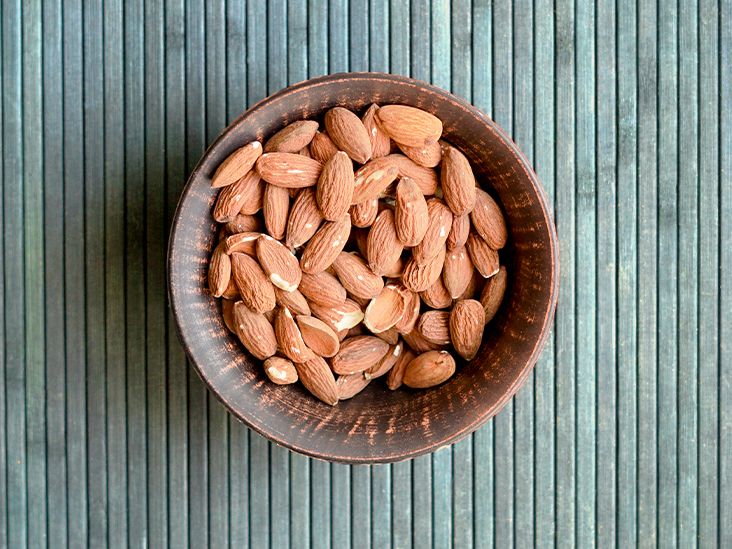
- Steamed green beans + lemon + almonds: simple, bright, and classic.
- Stir-fried vegetables + tofu or chicken: a weeknight hero.
- Baked apples + yogurt + oats: breakfast pretending to be dessert.
- Grilled peaches + salad greens + nuts: summer on a plate.
- Sautéed bananas + peanut butter toast: suspiciously easy and annoyingly good.
- Microwaved sweet potato + black beans + salsa: fast, filling, and budget-friendly.
How to Make Produce Taste Better Without Complicating Your Life
You do not need twelve sauces and a culinary degree. Keep a few flavor builders around: olive oil, garlic, lemons, vinegar, black pepper, Parmesan, chili flakes, cinnamon, ginger, and fresh herbs. Also remember contrast. Sweet fruit loves acidity and spice. Earthy vegetables love brightness and crunch. Try roasted carrots with lemon, grilled pineapple with chili, broccoli with garlic and Parmesan, or sautéed apples with cinnamon and a pinch of salt.
And yes, frozen vegetables and fruit are absolutely welcome here. They are convenient, often affordable, and can be nutritious choices. Just choose options with little or no added sodium, sugar, or heavy sauces when possible.
Kitchen Experiences: What You Learn When You Actually Cook Vegetables and Fruit Often
The most useful lessons about cooking produce usually do not come from fancy recipes. They come from regular life: a rushed Tuesday, a nearly empty refrigerator, a bag of spinach that needs immediate attention, and three bananas turning spotty on the counter like they are trying to get your attention. Cooking vegetables and fruit consistently teaches you that perfection matters much less than rhythm. The people who get good at it are usually not doing anything dramatic. They are just doing it often.
One common experience is realizing how much flavor depends on texture. Many people think they dislike certain vegetables when what they really dislike is how those vegetables were cooked. Mushy broccoli can make a person suspicious for years. Then one day they try broccoli roasted until the edges crisp up, and suddenly they are acting like they discovered treasure. The same thing happens with carrots, Brussels sprouts, cabbage, and even green beans. Texture is not a side issue. Texture is half the romance.
Fruit teaches a similar lesson. Fresh fruit is wonderful, but cooked fruit can feel more generous somehow. A raw apple is a snack. A baked apple with cinnamon feels like someone cared. Peaches grilled for a few minutes become deeper, sweeter, and almost luxurious. Bananas that were one hour away from being ignored forever can become a warm topping for oatmeal, pancakes, or toast. Cooking fruit often reveals that “too ripe” is not failure. It is frequently the beginning of a better idea.
Another real-life experience is discovering that simple methods win more often than complicated ones. A tray of vegetables with oil, salt, and pepper will outperform an overdesigned recipe surprisingly often. A bowl of steamed green beans with lemon can be more satisfying than a casserole with seventeen ingredients and emotional baggage. This is especially true on busy days when your energy level is somewhere between “functioning adult” and “blank stare at refrigerator.”
There is also the practical joy of learning how produce fits into everyday routines. Once people get comfortable, they start seeing vegetables and fruit less as separate health projects and more as useful ingredients. Spinach gets tossed into eggs. Frozen berries go into yogurt. Roasted vegetables become tomorrow’s grain bowl. Extra mushrooms sneak into pasta sauce. Apples get sautéed while coffee brews. Produce stops being something you “should” eat and becomes something that genuinely helps meals come together.
Perhaps the most encouraging experience is realizing that your preferences can change. Someone who once hated cauliflower may end up loving it roasted with garlic. A person who never thought fruit belonged in savory meals might start putting mango in salsa or grilled peaches in salad. Repetition creates familiarity, and familiarity often becomes enjoyment. Not every experiment will be a winner, of course. Sometimes zucchini becomes too soft. Sometimes the pears are still weirdly firm. Sometimes you forget the tray in the oven and invent a new color. But even those moments teach timing, balance, and how to recover. That is cooking. Not flawless performancejust better instincts, one pan at a time.
Conclusion
If you want to cook vegetables and fruit well, start with three goals: keep them safe, keep them flavorful, and keep them from becoming mushy little cautionary tales. Use methods that match the produce. Steam or microwave when you want speed and tenderness. Roast when you want bold flavor. Stir-fry when you want flexibility. Grill when you want smoke and sweetness. Bake, poach, or sauté fruit when you want comfort and depth.
The best part is that none of this requires a restaurant kitchen or a heroic amount of time. A cutting board, a pan, a microwave, an oven, and a little seasoning can do a lot of heavy lifting. Once you learn how vegetables and fruit respond to heat, your meals become easier, more colorful, and far less boring. And honestly, that is a pretty good deal for something that started as produce.