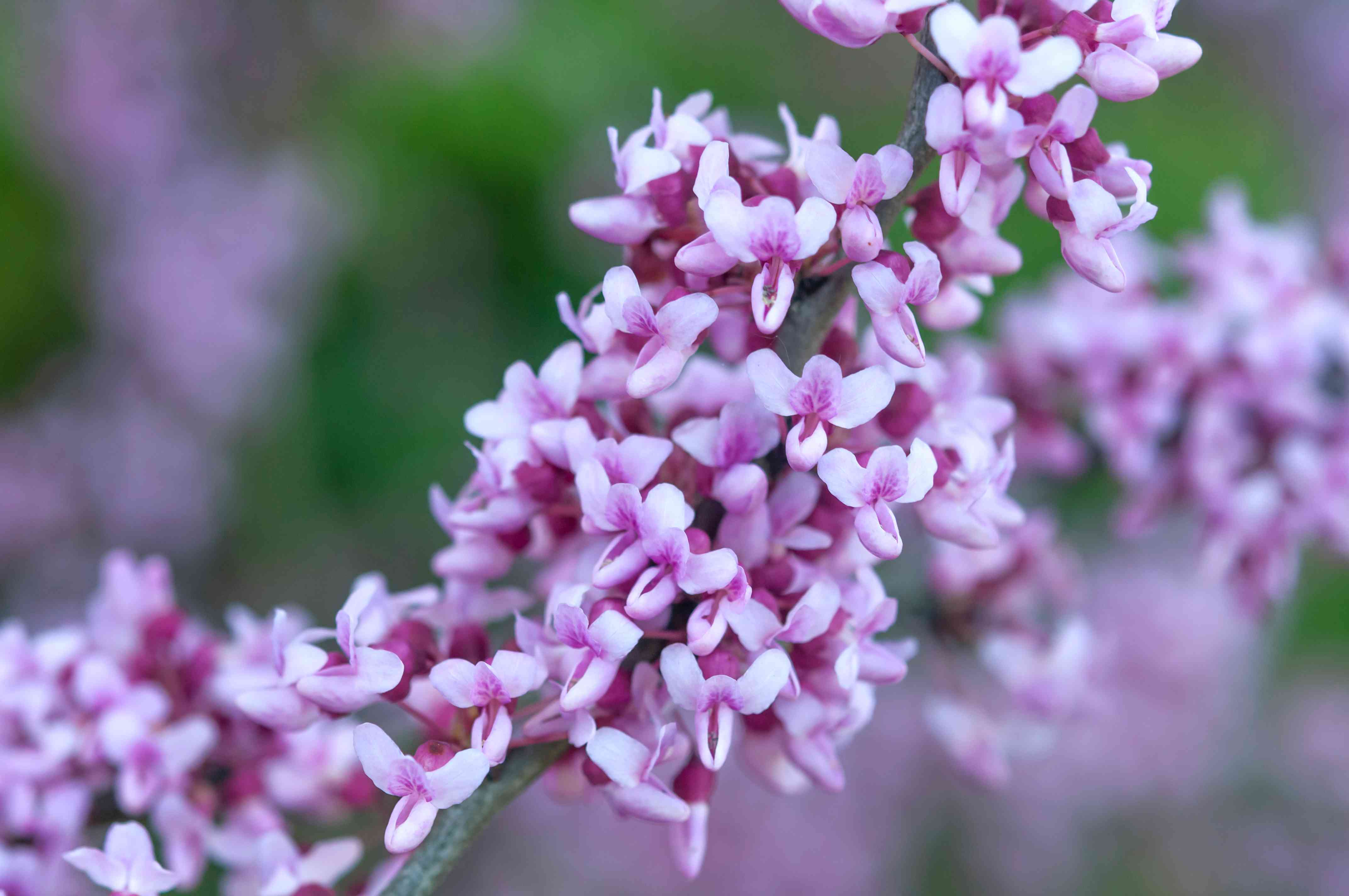
Eastern redbud (Cercis canadensis) is that one neighbor who shows up in early spring, throws a confetti party of pink blooms, and then somehow stays charming all year without asking you to “like and subscribe.” If you want a small ornamental tree that looks fancy but doesn’t require a horticulture degree (or a daily pep talk), the eastern redbud is a top-tier choice.
In this guide, you’ll learn how to plant, grow, prune, and troubleshoot eastern redbud tree careplus real-world experiences many gardeners run into (the good, the “oops,” and the “why is this branch suddenly crispy?”).
Meet the Eastern Redbud (Cercis canadensis)
The eastern redbud is a native understory tree across much of the eastern and south-central United States. It’s best known for early spring flowers that pop before many trees leaf out, creating that “is it spring yet?” moment we all desperately need. Mature size is typically in the small-tree categoryoften around 20–30 feet tall with a similar spread, depending on variety and growing conditions.
Beyond the blooms, redbuds bring heart-shaped leaves, interesting branching, and seed pods that dangle like little botanical zipper pouches. They also support pollinators, which is the gardening equivalent of being a great host and providing snacks.
Quick-Start Cheat Sheet (For Busy Humans)
- Common name: Eastern redbud
- Botanical name: Cercis canadensis
- USDA hardiness zones: Typically 4–9
- Light: Full sun to partial shade (more sun = more blooms)
- Soil: Moist, well-drained is ideal; adaptable but hates “wet feet”
- Water: Regular watering while establishing; moderate once mature
- Biggest headache to prevent: Stress (especially drought) leading to canker/dieback
Choosing the Right Spot
Sunlight: Bloom Power vs. Heat Protection
Eastern redbuds grow well in full sun to partial shade. In cooler climates, full sun usually means the best flower show. In hotter regions, a little afternoon shade can reduce stress and help the tree look less like it just ran a marathon in a wool sweater.
Soil and Drainage: Your Redbud’s Non-Negotiable
Redbuds are adaptable to different soil types (including clay), but they perform best in moist, deep, well-drained soil. Avoid low spots that stay soggy. Poor drainage is the slow-motion villain in many redbud tragedies. If you can squish water out of the soil like a sponge, pick a higher spot or improve drainage.
Space and Placement
Give your tree room to spread. A mature redbud can create a graceful canopy, so don’t plant it where it will eventually “hug” your roofline, crowd a walkway, or start a long-term relationship with your power lines. Redbuds shine near patios, along woodland edges, or as a focal point in a front yard.
Bonus Tip: Choose a Young Tree and Leave It Be
Redbuds can be picky about transplanting, especially when older. Plant young, keep the root system as undisturbed as possible, and avoid future “let’s move it 10 feet to the left” impulses.
How to Plant an Eastern Redbud (So It Actually Likes You)
- Plant at the right time. Early spring or fall is typically best, depending on your region. Mild weather helps roots establish before summer heat or deep cold.
- Dig a wide hole, not a deep one. Aim for a hole about 2–3 times as wide as the root ball but only as deep as the root ball’s height.
- Find the root flare. The root flare (where trunk widens into roots) should sit at or slightly above the surrounding soil line. Planting too deep is a common mistake that can cause long-term stress.
- Backfill gently. Use the native soil you removed (unless it’s truly terrible). Break up large clods, remove rocks, and firm lightly to eliminate air pocketsno stomping like you’re crushing grapes.
- Water thoroughly. Soak the root zone after planting. Consistent moisture during establishment is key.
- Mulch like a pro. Add 2–3 inches of mulch over the root zone, but keep it a few inches away from the trunk. “Mulch volcanoes” look dramatic and are also a great way to invite rot.
- Stake only if needed. If the site is windy or the tree is top-heavy, stake loosely for the first season. Remove stakes as soon as the tree can stand on its own.
Watering: From “Baby Tree” to “Independent Adult”
The first year is where good habits pay off. Water deeply and consistently, especially during dry stretches. A simple test: stick your finger a couple inches into the soil near the root zoneif it’s dry, it’s time to water.
Once established, eastern redbud is more drought tolerant, but it will look and perform better with occasional deep watering during prolonged heat or drought. Stress is strongly linked to disease issues like canker and dieback, so watering isn’t just about growthit’s also prevention.
Mulch, Fertilizer, and Soil TLC
Mulch: The Low-Effort, High-Reward Move
Mulch moderates soil temperature, holds moisture, and reduces lawn competition. Keep mulch off the trunk and refresh yearly as it decomposes. Your redbud will thank you by not dropping leaves in a dramatic faint mid-summer.
Fertilizer: Don’t Overfeed the Introvert
Redbuds are not heavy feeders. In average garden soil, they often do fine without much fertilizer. If growth is weak or leaves look pale, a slow-release, balanced fertilizer in early spring can helpbut avoid overdoing it. Too much nitrogen can push lots of leafy growth at the expense of flowers and may increase stress or pest pressure.
Soil pH and Adaptability
Redbuds tolerate a range of soil pH and types, but many guides note they do well in slightly acidic to slightly alkaline conditions (often cited around pH 6.5–8.0). More important than “perfect pH” is drainage and steady moisture.
Pruning and Training: The Secret to a Strong, Beautiful Redbud
Many redbuds naturally form multiple trunks and a picturesque, branching silhouette. That’s part of their charm. But a little early training improves structure and reduces breakage later.
When to Prune Eastern Redbud
A commonly recommended time to prune is right after flowering finishes, when you can still enjoy the bloom show and avoid removing next year’s flower buds. Remove dead, damaged, or diseased wood any time you see it.
How to Prune (Without Making It Mad)
- Start young: Shape the tree early. Correcting structure later is harder and more stressful.
- Avoid weak crotches: Branch unions shaped like a tight “V” can be weaker than more open “U”-shaped unions. Encourage good spacing and strong attachments.
- Remove crossing and rubbing branches: Friction creates woundswounds invite problems.
- Cut back to a branch collar: Don’t leave stubs. Clean cuts help reduce entry points for pests and disease.
- Keep airflow in mind: A little thinning reduces humidity in the canopy and helps with leaf spot issues.
Common Problems (and How to Keep Them from Moving In)
Redbuds are generally easygoing, but stress can open the door to diseases and insects. Think of prevention as “keeping your tree’s immune system happy.”
Canker and Dieback (Often Botryosphaeria)
Botryosphaeria canker/dieback is frequently mentioned as a major issue for redbuds, especially when trees are drought-stressed. The frustrating part: a tree can look fine, then a branch suddenly wilts and dies like it rage-quit.
What to do: Prune out dead/dying branches back to healthy wood, dispose of prunings (don’t compost if disease is suspected), and reduce stress with consistent watering and mulch. Also avoid wounding the tree and practice good pruning techniquedisease organisms often exploit openings.
Verticillium Wilt
Verticillium wilt is another disease sometimes listed for redbud. Symptoms can include wilting, branch dieback, and leaf discoloration. Because it’s soil-borne, management focuses on overall tree health and, in severe cases, replacement with a different species better suited to the site.
Leaf Spots, Mildew, and Blights
Leaf spot and other foliar issues can appear in humid weather or when airflow is poor. Usually these are cosmetic unless severe. Prevention: Water at the base (not overhead), clean up fallen leaves, and avoid overcrowding plants around the canopy.
Insect Pests: The Usual Suspects
Several sources list pests like Japanese beetles, leafhoppers/treehoppers, caterpillars, borers, webworms, and scale. Occasional feeding is often tolerable, but heavy infestations can stress the tree.
Smart approach: Monitor regularly, keep the tree vigorous with proper watering, and prune out severely affected branches. If chemical control is necessary, follow local extension guidance for your region and timingblanket spraying is rarely the best first move.
Best Eastern Redbud Varieties (So You Can Pick the Right Personality)
One reason gardeners love redbuds is the variety. Here are a few commonly discussed cultivars:
- ‘Forest Pansy’: Purple foliage that can shift toward greener tones in summer, especially in hotter climates.
- ‘Lavender Twist’ (aka ‘Covey’): A compact weeping form often trained to show off its structure.
- White-flowering forms: Classic redbud shape with creamy-white blooms for a softer spring look.
Pro tip: buy from local or region-appropriate sources when possible. Trees grown far from your area may not match your climate needs as well as locally adapted stock.
Seasonal Care Calendar
Spring
- Enjoy the flowers (you’ve earned it).
- Water if spring is unusually drynew leaves + flower production take energy.
- Prune lightly after bloom to shape and remove problems.
- Refresh mulch and check for early pest activity.
Summer
- Deep-water during heat waves and droughtstress prevention is huge.
- Watch for sudden dieback (often tied to canker on stressed trees).
- Keep mulch in place and avoid lawn equipment injuries to the trunk.
Fall
- Clean up fallen leaves if leaf spot was an issue.
- Water before the ground freezes if fall is dry (especially for young trees).
- Admire seed pods and interesting branchingredbuds have year-round charisma.
Winter
- Prune only if needed for dead/damaged wood (avoid heavy pruning that removes flower buds).
- Protect young trunks from mechanical damage and, in some areas, browsing.
Landscape Design Ideas (Where Redbuds Look Like They Belong on a Magazine Cover)
Redbuds naturally fit woodland gardens and understory plantings, but they also work as specimen trees in smaller yards. Try pairing them with:
- Spring bulbs (daffodils, crocus) to stack bloom seasons
- Native perennials for pollinators
- Evergreen shrubs behind them to make those spring blooms pop
- Groundcovers to reduce mowing close to the trunk (less chance of string-trimmer tragedy)
Propagation: Can You Grow Your Own Eastern Redbud?
Yesmost commonly from seed. Many references note that redbud cuttings are difficult, so seed is the usual route. Seeds often need scarification and/or a cold period to germinate well. A simple, natural approach is fall sowing outdoors so winter provides stratification. Seedlings that pop up near mature trees can sometimes be moved when very small, but remember: older redbuds don’t love transplanting.
FAQ: Fast Answers to Common Eastern Redbud Questions
Does eastern redbud need full sun?
It grows in full sun to partial shade. Full sun usually gives the heaviest flowering, while partial shade can help in hot climates.
How fast does an eastern redbud grow?
Growth rate is often described as moderate. Good soil moisture, decent drainage, and the right light make a big difference.
Why are branches dying on my redbud?
Sudden branch dieback is frequently associated with canker/dieback (often Botryosphaeria), especially when the tree has been drought-stressed. Prune out dead wood and focus on reducing stress with proper watering and mulching.
Conclusion: The “Low Drama” Plan for a High-Impact Tree
If you want a tree that delivers spring fireworks without demanding constant attention, eastern redbud is a fantastic pick. Give it what it loveswell-drained soil, consistent moisture while establishing, and a site that’s sunny enough to bloom but not so harsh it gets stressed. Prune thoughtfully (especially when young), avoid trunk injuries, and treat drought like the real enemy it is. Do that, and your redbud will reward you for years with blooms, beauty, and the quiet confidence of a plant that knows it’s the main character.
Common Gardener Experiences (The Real-Life Stuff Nobody Mentions on the Plant Tag)
Experience #1: “It bloomed like crazy… then looked tired by July.”
A very common redbud story starts with a gorgeous spring display, followed by midsummer leaf droop or early leaf drop. In many cases, the tree is simply telling you it’s thirsty or stressed. New redbuds have smaller root systems and can dry out fast, especially if planted in a sunny spot with reflective heat from pavement. Gardeners who fix this usually do three things: they widen the mulch ring (keeping it off the trunk), switch to deeper watering less often (instead of quick splashes), and reduce competition from turfgrass. The “before” and “after” can be dramaticby late summer, the tree holds its leaves better and looks less like it’s negotiating for a vacation.
Experience #2: “One branch just… died. Overnight.”
This is the redbud jump-scare. The canopy looks fine, then one branch wilts and turns brown. Gardeners often assume insect invasion first, but many extension resources point to canker/dieback issues that hit harder when the tree is stresseddrought stress is a frequent trigger. People who get ahead of it usually prune back to healthy wood (no stubs), clean up debris, and then focus on stress reduction: regular deep watering during dry periods, keeping mower and trimmer damage away from the trunk, and avoiding unnecessary wounding. The biggest lesson gardeners share: if your redbud is stressed, treat the stressnot just the symptom.
Experience #3: “I planted it, and it just sat there.”
Establishment can look like “nothing is happening” for a season, especially if the tree is busy building roots. Gardeners often report better second-year growth when they resist the urge to overfertilize. Instead, they keep soil moisture consistent, check that the root flare isn’t buried, and make sure mulch isn’t piled against the trunk. A surprisingly common “aha” moment is discovering the tree was planted too deep. After gently correcting soil grade and exposing the root flare, some redbuds respond with more vigor the following season.
Experience #4: “My ‘Forest Pansy’ isn’t as purple as I expected.”
Purple-leaf cultivars can shift color with heat, sun intensity, and stress. Many gardeners in warmer climates notice the foliage fades toward greenish-purple in summer. The fix is usually not a miracle productit’s microclimate management: morning sun with a bit of afternoon shade, consistent moisture, and avoiding reflected heat. Some also learn to embrace the color change as part of the cultivar’s seasonal personality rather than a flaw.
Experience #5: “I pruned it and now it looks… offended.”
Redbuds can look awkward if pruned like a shade tree with a strict “one trunk, perfect lollipop” goal. Gardeners who end up happiest typically prune for structure and health rather than forcing a rigid form. That means removing dead and crossing branches, improving spacing, and encouraging strong branch unionswhile letting the tree keep some of its naturally artistic branching. The best feedback you’ll hear is, “It still looks like a redbudjust a stronger, cleaner version.”
Experience #6: “My redbud is near the lawn and it keeps getting nicked.”
This one is sneaky but common: repeated mower or string-trimmer injuries at the base stress the tree and create entry points for disease. Gardeners who solve it expand the mulch ring and/or add a groundcover bed around the tree, turning “maintenance danger zone” into a no-mow space. It’s a simple change that can seriously improve long-term health.
If you want the short version of all these experiences, it’s this: eastern redbud is easy to grow, but it has a low tolerance for chronic stress. Keep it watered during establishment, protect it from injuries, avoid wet feet, and prune thoughtfully. Most “mystery problems” become a lot less mysterious when you zoom out and ask, “What’s stressing the tree?”