See the words “low red blood cell count” on your lab report and suddenly your energy levels
make a lot more sense. Maybe you’re tired all the time, get winded climbing the stairs, or
feel like your brain’s running on airplane mode. The good news: in many cases, the right
combination of medical care, diet, and lifestyle tweaks can help support healthier red blood
cells (RBCs) and get you feeling more like yourself again.
This guide walks you through what a low red blood cell count actually means, which foods
and habits support red blood cell production, when supplements and medical treatments come
into play, and answers to the questions people ask most. Think of it as a friendly,
science-backed roadmap you can use when you talk with your healthcare provider.
What does a low red blood cell count actually mean?
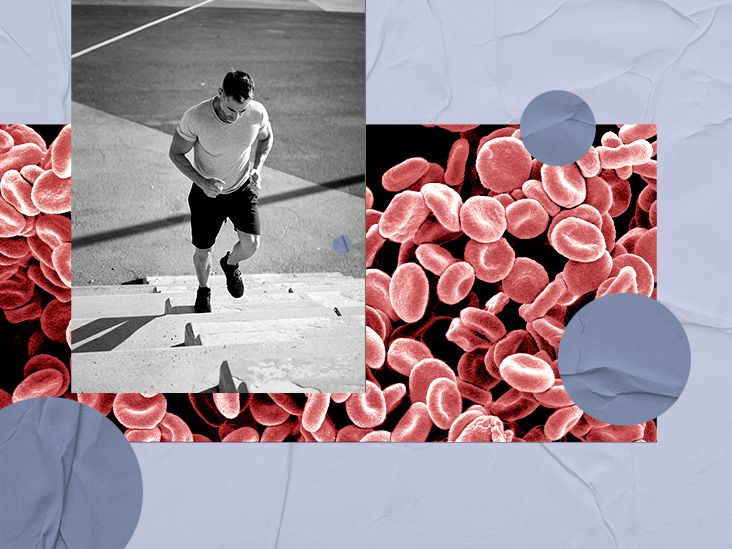
Red blood cells are tiny, flexible disks that act like delivery drivers for oxygen. They
carry oxygen from your lungs to every tissue in your body and haul carbon dioxide back to
your lungs so you can exhale it. A low red blood cell count usually shows up on a complete
blood count (CBC) and often goes hand in hand with low hemoglobin and hematocrit.
When you don’t have enough healthy red blood cells, your body struggles to move oxygen
efficiently. That’s why symptoms of anemia (the medical term for a low red blood cell
count) often include:
- Fatigue and low stamina
- Shortness of breath with activities that used to feel easy
- Dizziness or feeling lightheaded
- Headaches, brain fog, or difficulty concentrating
- Pale or yellowish skin
- Cold hands and feet, or a racing heart
A low red blood cell count is a sign, not a diagnosis by itself. Many things
can cause it: low iron intake, vitamin B12 or folate deficiency, chronic kidney disease,
blood loss (heavy periods, surgery, digestive bleeding), bone marrow disorders, certain
medications, inherited conditions like sickle cell disease, and more. That’s why step one
is always the same: work with a healthcare professional to find out why your RBC count is low
before you start self-treating with supplements or extreme diet changes.
First things first: when you need medical help
It’s tempting to jump straight into “Which foods should I eat?” but there are times when
food alone is not enough or when delaying proper treatment can be dangerous.
Call or see a doctor promptly if you:
- Are extremely tired, short of breath at rest, or feel like you might pass out
- Have chest pain, rapid heartbeat, or new/worsening confusion
- Notice black, bloody, or tarry stools, or vomit that looks like coffee grounds
- Have very heavy menstrual bleeding that soaks through pads or tampons quickly
- Have been diagnosed with a condition that affects the bone marrow, kidneys, or immune system
Your provider may order blood tests to look at your hemoglobin, hematocrit, iron studies,
vitamin B12 and folate levels, kidney function, and sometimes the shape and size of your
red blood cells under a microscope. Depending on the cause, treatment might include iron
tablets, B12 or folate supplements, hormone therapy for heavy periods, medicines for
chronic diseases, or in severe cases, blood transfusions or injections that stimulate the
bone marrow.
Once you know what you’re dealing with, diet and lifestyle changes become powerful
tools to support your red blood cell count and help you maintain results over time.
Diet strategies to support a healthy red blood cell count
Your bone marrow is essentially a tiny blood factory, and like any factory, it needs raw
materials. For red blood cells, the VIP nutrients are:
iron, vitamin B12, folate (vitamin B9),
vitamin C, vitamin A, and copper.
1. Iron: the building block of hemoglobin
Iron is a core component of hemoglobin, the protein in red blood cells that binds oxygen.
Without enough iron, your body simply cannot produce adequate healthy RBCs. Iron comes in
two forms:
-
Heme iron (from animal foods) – found in red meat, poultry, and seafood.
This type is easier for your body to absorb. -
Non-heme iron (from plant foods) – found in beans, lentils, tofu, nuts,
seeds, and leafy greens. It’s still valuable, just a bit pickier about how it’s absorbed.
Iron-rich food ideas include:
- Lean beef, lamb, or pork
- Chicken or turkey thighs
- Oysters, clams, sardines, and other shellfish
- Beans, lentils, chickpeas, and soy products like tofu or tempeh
- Dark leafy greens such as spinach, collard greens, and Swiss chard
- Iron-fortified cereals and whole-grain breads
- Pumpkin seeds, cashews, and other nuts and seeds
If you eat a mostly plant-based diet, you can still get enough ironit just takes a bit more
planning and some smart pairing with vitamin C, which we’ll get to next.
2. Vitamin C: iron’s best friend
Vitamin C dramatically boosts the absorption of non-heme iron from plant foods. Think of it
as the helpful friend who gets you past the VIP rope at the club.
Easy vitamin C boosters:
- Citrus fruits: oranges, grapefruits, tangerines
- Strawberries, kiwi, mango, and pineapple
- Bell peppers, broccoli, tomatoes, and Brussels sprouts
- Fresh lemon or lime juice squeezed over meals
Simple hack: pair beans and leafy greens with tomatoes, peppers, or citrus.
For example, a lentil salad with bell peppers and lemon dressing, or oatmeal topped with
berries and orange slices.
3. Vitamin B12: essential for red blood cell formation
Vitamin B12 helps your body build red blood cells and maintain healthy nerve function.
A deficiency can lead to a specific type of anemia where red blood cells become large and
fragile. B12 is mostly found in animal foods, so people who are vegan, have digestive
issues, or are older may be at higher risk of deficiency.
B12-rich food choices:
- Fish and shellfish (salmon, tuna, mackerel, clams, crab)
- Meat and poultry (beef, lamb, chicken, turkey)
- Eggs and dairy (milk, yogurt, cheese)
- Fortified plant milks and breakfast cereals
- Fortified nutritional yeast (popular in vegan cooking)
If your levels are low, your provider may recommend B12 tablets, high-dose oral
supplements, or injections, especially if absorption is an issue due to stomach or
intestinal conditions.
4. Folate (vitamin B9): another key partner
Folate works closely with B12 in red blood cell production and DNA synthesis. Low folate
can also cause anemia. Fortunately, it’s abundant in many plant foods.
Folate-rich foods include:
- Dark leafy greens (spinach, romaine lettuce, kale)
- Lentils, black beans, pinto beans, and chickpeas
- Asparagus, Brussels sprouts, beets, and broccoli
- Avocado, oranges, and fortified grains or cereals
Women who are pregnant or may become pregnant usually need more folate, so they’re often
advised to take prenatal vitamins. For everyone else, food plus a standard multivitamin is
usually enough unless your provider says otherwise.
5. Vitamin A and copper: the supporting cast
Vitamin A helps move iron from storage sites into red blood cells, and copper assists in
iron metabolism and hemoglobin production. You don’t need huge amountsjust a balanced
diet.
Good sources include:
- Vitamin A: carrots, sweet potatoes, pumpkin, leafy greens, apricots
- Copper: shellfish, nuts, seeds, whole grains, and cocoa
6. A sample “blood-friendly” day of eating
Here’s what a day could look like if you’re trying to support a low red blood cell count
through food (adjust portions and choices to your needs, allergies, and preferences):
-
Breakfast: Iron-fortified oatmeal cooked with milk or fortified plant
milk, topped with sliced strawberries, pumpkin seeds, and a glass of orange juice. -
Lunch: Lentil and spinach salad with cherry tomatoes, bell peppers,
olive oil, and lemon vinaigrette; whole-grain bread on the side. - Snack: Handful of nuts and a small yogurt (or fortified soy yogurt).
-
Dinner: Grilled salmon or tofu, sautéed kale, roasted sweet potatoes,
and a side of black beans with salsa. - Evening: A piece of dark chocolate and a kiwi or orange slice.
This type of pattern gives you a steady stream of iron, B12, folate, vitamin C, and other
micronutrients your bone marrow loves.
Lifestyle changes that can help your red blood cell count
1. Move your bodybut pace yourself
Exercise can stimulate the body to produce more red blood cells over time, especially
aerobic activities like walking, cycling, or swimming. But if your RBC count is low,
your “gas tank” is already limited, so this is not the moment for a hardcore boot camp.
Practical approach:
- Start with short walks or gentle movement a few times a day.
-
Use the “talk test”: you should be able to speak in full sentences. If you’re gasping
for air, slow down. -
Gradually increase duration and intensity only as your energy and lab results improve
under your provider’s guidance.
2. Prioritize sleep and stress management
Your body does a lot of its repair work while you sleep, including building new cells.
Aim for 7–9 hours of consistent, good-quality sleep. Chronic stress and constant “fight
or flight” mode can also affect hormones and appetite, making it harder to eat well and
recover.
Gentle stress-management toolslike deep breathing, stretching, yoga, or simply spending
a few minutes outsidewon’t magically raise your red blood cell count overnight, but they
support your overall recovery and resilience.
3. Go easy on alcohol and smoking
Excessive alcohol can interfere with red blood cell production and the absorption of key
nutrients such as folate and B vitamins. Smoking decreases oxygen delivery and damages
blood vessels. Cutting back (or quitting, if you’re ready and able) gives your red blood
cells and your heart-lung system a much better environment to work in.
4. Watch medications and supplements
Some medications, including certain chemotherapy drugs, immune-suppressing medications,
and others, can lower red blood cell counts. You should never stop or change a prescription
on your own, but it’s important to let your healthcare provider know if you’re taking
over-the-counter medicines, herbal supplements, or high-dose vitamins. They’ll help you
decide what’s safe given your lab values and medical conditions.
When food and lifestyle are not enough
Sometimes increasing a low red blood cell count requires more than nutrition and gentle
exercise. Depending on the cause, your provider may recommend:
-
Prescription-strength iron or intravenous (IV) iron if oral tablets
cause severe side effects or aren’t absorbed well. -
Vitamin B12 injections when absorption in the stomach or intestines
is impaired. -
Erythropoiesis-stimulating agents (medicines that encourage the bone
marrow to produce more RBCs), often used in certain kidney diseases or chemotherapy. -
Blood transfusions in severe anemia or acute blood loss, where a quick
boost in oxygen-carrying capacity is needed.
These treatments always require medical supervision. The goal is to correct the underlying
cause and then use diet and lifestyle strategies as long-term support.
FAQ: Common questions about increasing a low red blood cell count
How long does it take to raise my red blood cell count?
It depends on the cause and how low your levels are. For iron-deficiency anemia treated
with iron supplements and diet changes, many people start to feel better within a few
weeks, but it can take several months of consistent treatment to fully rebuild iron stores
and red blood cells. Other types of anemia may improve faster or slower.
Can I fix a low red blood cell count with diet alone?
Sometimes yes, sometimes no. Mild anemia due to low iron or folate intake may respond well
to dietary changes plus a basic supplement. But if you have significant blood loss,
absorption problems, chronic disease, or bone marrow disorders, you’ll almost certainly
need medical treatment in addition to diet. Food is powerful, but it’s not a replacement
for professional care.
Are iron supplements safe to take on my own?
It’s usually better not to self-prescribe high-dose iron. Too much iron can cause digestive
upset, constipation, or more serious issues, including iron overload in people with certain
genetic conditions. Always ask a healthcare professional before starting iron pills, and
follow the dose they recommend for your situation.
What if I’m vegetarian or vegan?
You can absolutely support healthy red blood cells on a plant-based diet, but you’ll need
to be intentional. Focus on iron-rich legumes, tofu, tempeh, seeds, nuts, whole grains, and
leafy greens, always paired with vitamin C-rich foods. Because B12 is mostly found in
animal products, you’ll likely need B12-fortified foods and often a supplement. Regular
blood tests are helpful to make sure your levels stay in a healthy range.
Can I exercise if my red blood cell count is low?
Gentle movement is often encouraged, but intensity matters. Walking, light cycling, and
stretching are usually safe starting points as long as you listen to your body and stop
if you feel dizzy, short of breath, or unwell. High-intensity workouts or heavy lifting
might need to wait until your levels improve. Your provider can give you personal advice
based on your labs and symptoms.
Which drinks should I avoid?
Coffee and tea are fine in moderate amounts, but they contain compounds (like tannins)
that can reduce iron absorption if you drink them right with meals. Try to enjoy them
between meals instead. Heavy alcohol intake is a bigger problemit can interfere with
nutrient use and red blood cell productionso cutting back or stopping is often part of
the plan.
Real-life experiences and practical tips
It’s one thing to know the science and another to live with low red blood cell counts
while juggling work, family, and everything else. Here are some experience-based tips and
scenarios that might feel familiar.
Imagine someone who has been dragging for months, chalking it up to “being busy.” After
finally getting lab work, they find out their hemoglobin is low and iron stores are
depleted. Their provider prescribes iron supplements and recommends an iron-rich diet.
At first, taking the pills is easy to forget, and constipation becomes a new annoyance.
So they adjust: taking iron with a small snack and vitamin C, drinking more water, and
adding fiber from fruits, vegetables, and whole grains. Within a few weeks, they notice
that climbing stairs no longer feels like hiking a mountain.
Another person might discover their red blood cell count is low due to B12 deficiency.
Maybe they shifted from a meat-heavy diet to a mostly plant-based one, but didn’t add
fortified foods or a B12 supplement. After some tingling in their hands and feet and
worsening fatigue, blood tests reveal the issue. With B12 shots or high-dose oral B12 at
first, followed by a regular supplement, their levels slowly normalize. They learn to keep
B12-rich foods and fortified plant milks on their grocery list the same way they’d never
forget toilet paper.
For many people, practical success comes from turning the “good for red blood cells”
advice into tiny habits:
-
Keeping a container of washed spinach or salad greens in the fridge so they’re easy
to toss into omelets, soups, or sandwiches. -
Pairing iron-rich foods with vitamin C: think bean chili topped with salsa or a
squeeze of lime, or a simple snack of nuts with an orange. -
Setting a phone reminder for supplements taken at the same time each day (for example,
after brushing your teeth at night). -
Planning light movement breaks instead of one intense workoutfive to ten minutes of
walking or stretching several times a day can feel much more doable when you’re
fatigued.
Emotional health is part of the picture too. Living with low energy can be frustrating
and isolating. It’s normal to feel annoyed that your body isn’t doing what you want it
to do. Sharing how you feel with trusted friends or family, joining an online group for
people with anemia or chronic illness, or working with a mental health professional can
make the journey less lonely and more sustainable.
Most importantly, remember that progress with red blood cell counts is often gradual.
You might not feel dramatically different overnight, but small improvements add up: fewer
afternoon crashes, less breathlessness with daily tasks, a clearer head. Celebrate those
milestones. They’re signs that the combination of medical treatment, food choices, and
lifestyle shifts is working together in your favor.
Used thoughtfully and under medical guidance, diet and lifestyle are powerful allies in
improving a low red blood cell count. They don’t replace professional carebut they give
your body everything it needs to use that care to its full advantage.