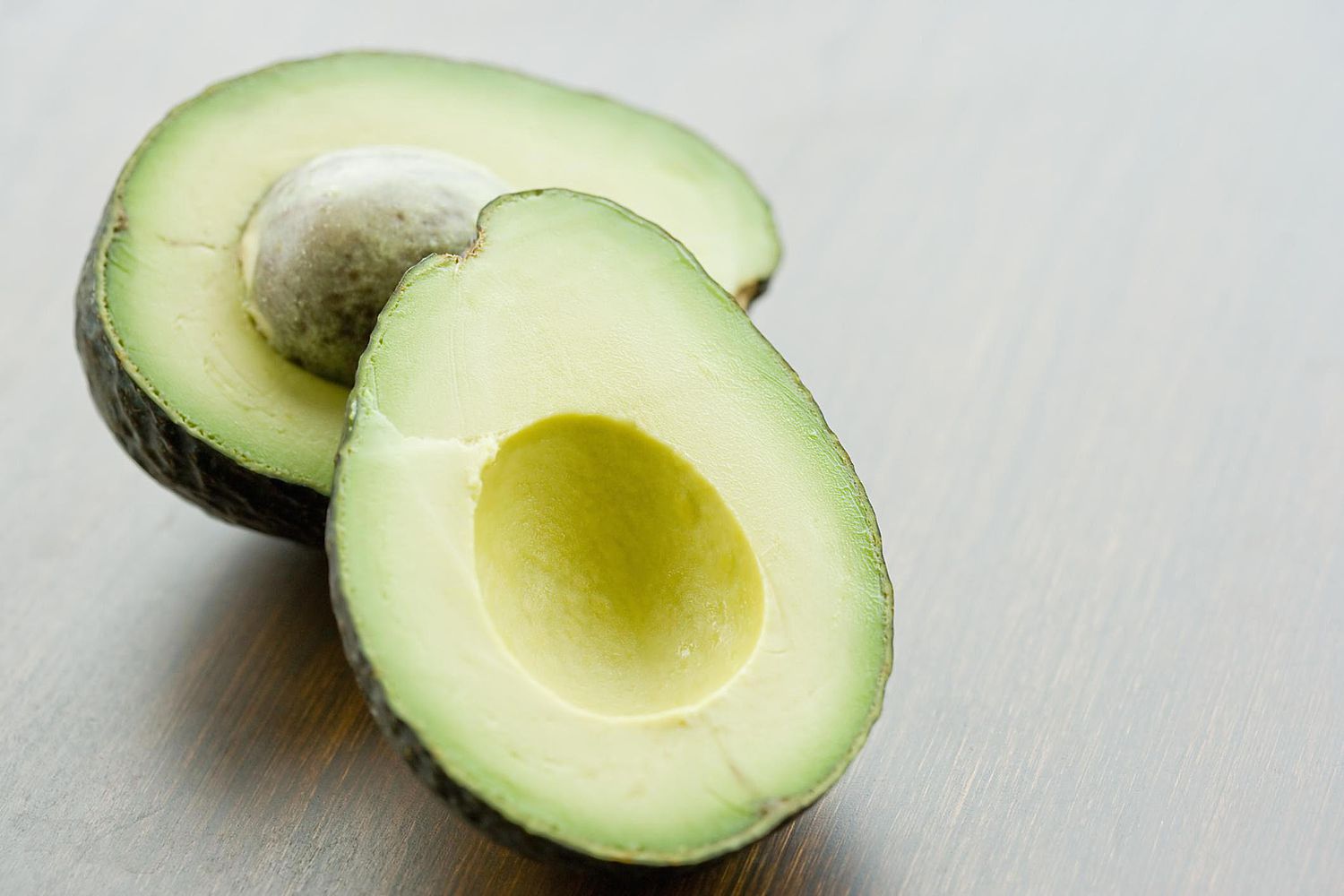
Avocados are the divas of the produce drawer. One minute they are creamy, dreamy, and ready for toast glory. The next minute they look like they just went through an emotional breakup. If you have ever sliced open a perfect avocado, used half, and returned later to find a sad brown surface staring back at you, welcome to the club. Membership includes disappointment, a spoon, and a lot of muttering.
The good news is that keeping an avocado from turning brown is not some mystical kitchen art passed down by guacamole wizards. It mostly comes down to understanding why avocado browning happens and using a few simple storage tricks that reduce air exposure, slow enzyme activity, and buy you extra time. Not forever, because avocados still enjoy being dramatic, but long enough to save your leftovers and your grocery budget.
In this guide, you will learn how to keep an avocado from turning brown, which methods actually work, which internet tricks deserve side-eye, and how to store avocado halves, slices, and guacamole so they stay greener and more appetizing for longer.
Why Do Avocados Turn Brown So Fast?
Let’s blame chemistry. Once you cut an avocado, the flesh is exposed to oxygen. That exposure kicks off enzymatic browning, a natural reaction that darkens the surface. It is similar to what happens when apples, bananas, or potatoes sit out too long after being cut.
The brown layer is usually not dangerous by itself. In many cases, it is mostly a cosmetic issue at first. Underneath that top layer, the avocado is often still green, creamy, and perfectly usable. Still, nobody gets excited about brown guacamole. It looks tired. It tastes less fresh. It gives “forgotten lunch” energy.
So the goal is simple: limit oxygen, add a little acid when appropriate, refrigerate promptly, and use the avocado within a reasonable amount of time.
The Best Ways to Keep an Avocado From Turning Brown
1. Brush the exposed flesh with lemon or lime juice
This is the classic trick for a reason. A light coating of lemon or lime juice helps slow browning because the acid reduces the enzyme activity that causes discoloration. In plain English, citrus tells the avocado to calm down.
If you are storing half an avocado, squeeze or brush a small amount of lemon or lime juice over the exposed surface. You do not need to drown it. A thin layer is enough. This method works especially well when the avocado is headed for savory dishes anyway, because the flavor blends right in.
Best for: avocado halves, slices, and guacamole.
Watch out for: adding too much juice can overpower the flavor, especially if you plan to use the avocado in a smoothie, dessert-style dish, or something delicate.
2. Press plastic wrap directly against the surface
If oxygen is the enemy, the smartest move is to block it. Wrap the avocado tightly so the plastic touches the flesh itself, not just the container. A loose covering leaves tiny pockets of air, and tiny pockets of air are enough to start the browning parade.
For an avocado half, wrap the entire piece tightly, skin and all. For mashed avocado or guacamole, smooth the top first, then press plastic wrap directly onto the surface before adding a lid. That extra step matters more than most people think.
Best for: cut avocado and guacamole you plan to eat soon.
Why it works: less air contact means slower oxidation.
3. Store it in an airtight container in the refrigerator
Refrigeration will not stop browning completely, but it slows the overall process. Once an avocado is ripe, the fridge is your best friend. Once it is cut, the fridge is basically your avocado’s emergency room.
Use a small airtight container when possible. Less empty space inside the container means less air circulating around the avocado. If you have an avocado saver, great. If not, a regular food storage container works just fine. Avocados are fancy, but not that fancy.
Best for: ripe whole avocados, halves, slices, and guacamole.
4. Leave the pit in if you are storing half
The avocado pit is not a magical freshness wizard. It does not send protective anti-brown vibes through the fruit. What it does do is cover part of the flesh, which means that section is not exposed to oxygen. That is helpful, just limited.
So yes, leave the pit in the unused half. Just do not rely on it as your only preservation strategy. Think of it as a supporting actor, not the star of the show.
Best for: avocado halves only.
5. For guacamole, make the surface smooth and sealed
Guacamole turns brown fastest on the top layer because that is where it meets the air. Before storing it, smooth the surface with a spoon so there are no peaks and valleys. Then either press plastic wrap directly against the surface or add a thin layer of lime juice before sealing.
This is one of the easiest ways to keep guacamole from turning brown. A bumpy surface traps more air. A smooth surface is easier to protect. Your guac deserves a clean finish, not tiny oxygen caves.
Methods That Can Help a Little, but Are Not the Main Event
Olive oil or avocado oil
A thin layer of oil can create a barrier between the avocado and the air. This can help for a short period, especially with avocado halves. The downside is that it can change the texture, add a slight oily feel, and may not work as well as citrus plus tight wrapping.
If you are out of lemons and limes, oil is a decent backup plan. It is not the superhero of avocado storage, but it can wear the cape for a few hours.
Onions in the container
Some cooks swear by storing cut avocado with slices of red onion in the same airtight container. The idea is that the onion fumes help slow browning. This can be useful in savory applications, but it may lightly influence flavor and is not ideal for every recipe.
It is a niche method, not a universal one. If your avocado is destined for tacos, sure. If it is going into a chocolate smoothie, maybe do not invite onion to that party.
Methods You Should Not Trust Too Much
The pit-only myth
As mentioned above, the pit only protects the flesh it physically covers. The rest of the surface is still exposed. So if you store half an avocado with the pit and nothing else, you are basically protecting one small patch and wishing the rest luck.
The water-submersion hack
This trick made the rounds online because it can keep the surface looking green. But it is not a great idea for food safety, especially for extended storage. In short, keeping avocados submerged in water is not the smart shortcut the internet wanted it to be. Better options exist, and they do not come with the same concern.
If you want your avocado safe and appetizing, skip the bathtub treatment.
How Long Does a Cut Avocado Last?
Even when stored well, a cut avocado is still a short-term relationship. Here is a realistic timeline:
- Ripe whole avocado in the refrigerator: usually a few extra days after ripening.
- Cut avocado half: often best within 1 to 3 days, depending on ripeness and storage method.
- Guacamole: best the same day, but can hold up for 1 to 3 days with careful storage.
- Frozen avocado: useful for longer storage, though texture changes make it better for smoothies, dressings, or mash than neat slices.
If the avocado develops an off smell, slimy texture, widespread darkening throughout the flesh, or obvious spoilage, it is time to let it go. Not every avocado is meant to make it to breakfast.
Step-by-Step: How to Store a Leftover Avocado Half
- Leave the skin and pit in place.
- Brush the exposed flesh lightly with lemon or lime juice.
- Press plastic wrap directly against the flesh.
- Place it in a small airtight container if possible.
- Refrigerate immediately.
- Use it within 1 to 2 days for best texture and flavor.
When you are ready to eat it, scrape off any thin brown layer that may have formed. Underneath, the avocado is often still bright green and delicious.
Step-by-Step: How to Store Guacamole Without Browning
- Mix in enough lime or lemon juice for flavor and freshness.
- Spoon the guacamole into a container and pack it down firmly.
- Smooth the top completely.
- Press plastic wrap directly onto the surface, or add a very thin protective layer of citrus juice on top.
- Seal with a lid and refrigerate.
- Serve within 1 to 2 days for best quality, or up to 3 days if it still looks and smells fresh.
This method gives your guacamole its best shot at surviving until tomorrow’s snack attack.
Can You Freeze Avocado?
Yes, and it is a smart move if you bought too many or caught your avocados at peak ripeness before they turned moody. But frozen avocado is best used in recipes where texture is not everything.
To freeze avocado, mash or slice it, add a little lemon or lime juice, pack it in an airtight freezer-safe container or bag, and remove as much air as possible. Once thawed, it works well in smoothies, guacamole, spreads, and dressings. It is less wonderful in pristine salad slices, because freezing softens the texture.
Common Mistakes That Make Avocados Brown Faster
Waiting too long to refrigerate
Once an avocado is cut, do not leave it lounging around on the counter for hours. That is a fast track to discoloration.
Using a container that is too big
Extra space means extra air. Extra air means extra browning. This is not the kind of roominess you want.
Skipping acid when it fits the recipe
Lemon and lime juice are simple, affordable, and effective. If the flavor works with your dish, use them.
Trusting one trick to do everything
The best avocado storage usually combines methods. Acid plus direct contact wrapping plus refrigeration beats any single trick by itself.
Best Use Cases by Situation
If you are meal prepping avocado toast
Store the avocado half with citrus and tight wrap, then mash it fresh when ready. Pre-mashed avocado can work, but it browns faster than an intact half.
If you are packing lunch
Brush sliced avocado with lime juice, keep it cold, and place it in a small airtight container. Add it to your salad or sandwich right before eating if possible.
If you are making guacamole for a party
Make it as close to serving time as you can. If you need to prep ahead, use the smooth-surface method and press the wrap directly onto the dip.
If you have ripe avocados but no immediate plans
Move them to the refrigerator before they cross the line from perfect to pudding.
Frequently Asked Questions
Is brown avocado safe to eat?
Usually, a light brown top layer from oxidation is just a quality issue, not an immediate safety issue. Scrape it away and check the rest. If there is a bad smell, unpleasant taste, or slimy texture, toss it.
Does lemon work better than lime?
Both work well. Lime is often preferred for guacamole and savory dishes, while lemon is a little more neutral in some other recipes.
Can I keep avocado fresh without plastic wrap?
Yes, but you still need to limit air. Use a small airtight container and add citrus juice. Reusable wraps and snug silicone food covers can also help.
Should I cut avocado ahead of time?
Only if you need to. Whole avocados stay at their best longer than cut ones, so slicing close to serving time is always the easiest path to maximum freshness.
Final Thoughts
If you want the simplest answer to how to keep an avocado from turning brown, here it is: add a little lemon or lime juice, minimize air exposure, wrap or seal it tightly, and refrigerate it right away. That combination gives you the best chance of keeping the flesh green, appetizing, and ready for tomorrow’s lunch instead of tomorrow’s disappointment.
The pit can help a little. Oil can help a little. Fancy gadgets can help a little. But the real winners are acid, airtight storage, and speed. Avocados may be high-maintenance, but once you know the routine, they are much easier to manage. Basically, treat them like a celebrity on a tight schedule: keep them cool, protect them from the elements, and do not leave them exposed longer than necessary.
Real-Life Experiences: Lessons Learned From Keeping Avocados Green
I learned the avocado lesson the expensive way, which is really the avocado way. Years ago, I would slice one open for breakfast, use half, put the other half on a plate, and slide it into the fridge uncovered as if optimism alone could preserve it. By lunchtime, it looked like a prop from a low-budget zombie movie. I kept telling myself, “It’s probably fine,” while scraping off the top layer like an archaeologist excavating brunch.
Then came the phase where I trusted every hack on the internet. I tried leaving the pit in and doing absolutely nothing else. That worked on exactly one circular patch, while the rest of the avocado aged like it had seen things. I tried loose foil, giant containers, and one tragic experiment involving too much lemon juice, which left my avocado tasting like it had fallen into a citrus pool and never emotionally recovered.
The breakthrough happened during a meal-prep week when I actually paid attention to what made the biggest difference. I kept the pit in, brushed the surface lightly with lime juice, pressed wrap directly on the flesh, and tucked the half into a snug container. The next day, it was still green enough for toast, salad, and my general sense of personal victory. That was the moment I realized avocado storage is less about one magical trick and more about stacking small smart choices.
Guacamole taught me an even bigger lesson. I used to make it early for parties and just slap a lid on the bowl. By the time guests arrived, the top looked tired and slightly offended. Now I smooth the surface carefully, press wrap right against it, and refrigerate it immediately. The difference is dramatic. It still looks fresh enough that people assume I made it at the last minute, which is the kind of domestic illusion I fully support.
I have also learned that timing matters more than gadgets. You can buy special avocado keepers, and some are useful, but they are not miracle workers. If the avocado was already overripe, bruised, or left out too long after cutting, no cute container is going to ride in on a white horse and save the day. Good storage starts with good timing and a ripe avocado that has not already crossed into mush territory.
These days, I treat avocados with a healthy mix of respect and suspicion. I check them daily. I refrigerate them once ripe. I cut them as close to serving time as possible. And when I do have leftovers, I use the citrus-plus-contact-cover method without pretending I will remember some random viral hack later. The result is less waste, better meals, and far fewer moments of staring into the fridge wondering how something that looked perfect 14 hours ago now resembles swamp butter. Progress, in the avocado world, is beautiful and slightly green.