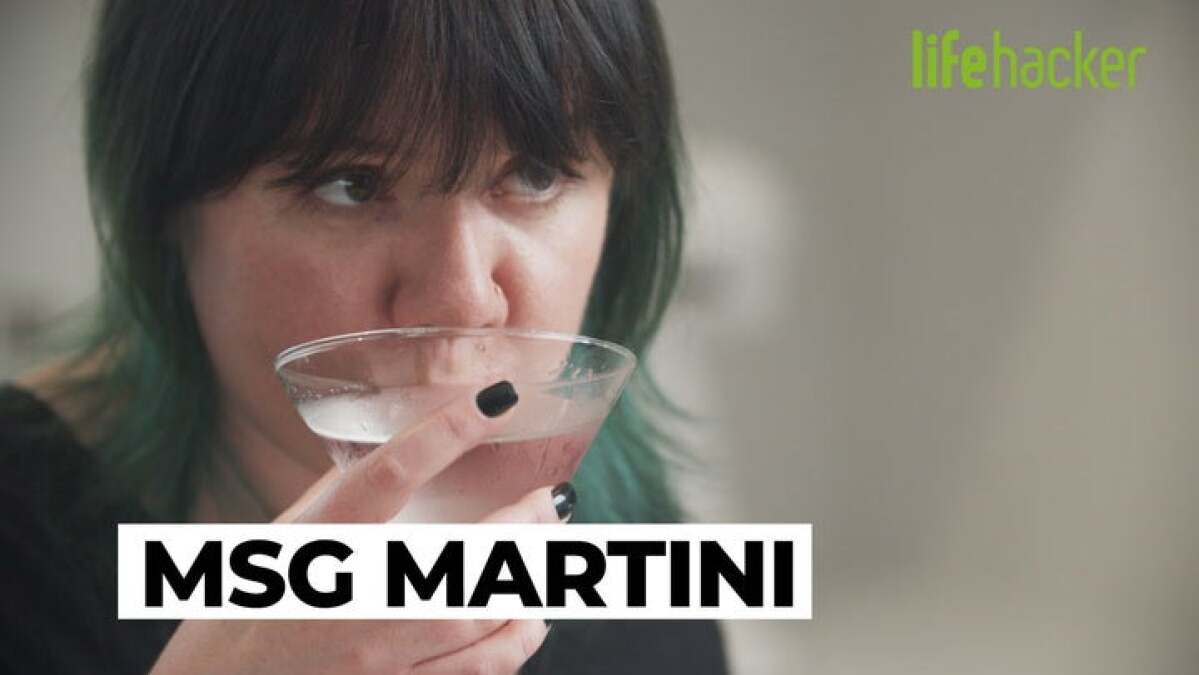
A dirty martini is not just a martini that fell into a jar of olives and decided to stay there. At its best, it is icy, savory, elegant, salty in the right places, and smooth enough to make you feel like you should be sitting at a polished bar telling a mysterious story in a low voice. At its worst, it tastes like cold vodka and panic poured over cafeteria olive juice. The difference comes down to balance.
The best dirty martini recipe starts with three simple ingredients: gin or vodka, dry vermouth, and olive brine. That sounds easy, and it is, but simple cocktails are wonderfully dramatic. There is nowhere for bad ice, tired vermouth, or aggressively salty brine to hide. A dirty martini is like a spotlight in a glass; every ingredient gets its moment, whether it deserves one or not.
This guide explains how to make the best dirty martini at home, from the classic ratio to the perfect garnish, plus smart variations for people who like their drink lightly dirty, extra dirty, or so filthy it should probably apologize to the glass.
What Is a Dirty Martini?
A dirty martini is a classic martini made with gin or vodka, dry vermouth, and olive brine. The word “dirty” refers to the cloudy, savory quality that olive brine adds to the drink. Instead of being purely crisp and botanical like a classic gin martini, the dirty version leans salty, briny, and umami-rich.
The standard dirty martini is usually built around a clean, spirit-forward base with a measured splash of olive brine. Too little brine and the drink whispers. Too much and it starts yelling in a deli accent. The goal is a chilled cocktail that tastes like a sophisticated conversation between booze, vermouth, and olivesnot a dare.
The Best Dirty Martini Recipe
Ingredients
- 2 1/2 ounces gin or vodka, preferably chilled
- 1/2 ounce dry vermouth
- 1/2 ounce high-quality green olive brine
- Ice
- 3 green olives for garnish
Instructions
- Place a martini glass or coupe in the freezer for at least 10 minutes.
- Add gin or vodka, dry vermouth, and olive brine to a mixing glass filled with ice.
- Stir for 25 to 35 seconds until the outside of the mixing glass feels very cold.
- Strain into the chilled glass.
- Garnish with three olives on a cocktail pick.
- Serve immediately while the drink is still icy and bright.
This ratio creates a balanced dirty martini: boozy enough to feel classic, briny enough to earn the name, and smooth enough to make a second sip inevitable. If you prefer a more intense olive flavor, increase the brine to 3/4 ounce. For an extra dirty martini, use 1 ounce of brine. Beyond that, you are entering “olive soup with ambitions” territory, which may be exactly your destiny.
Gin or Vodka: Which Makes the Best Dirty Martini?
The gin-versus-vodka debate is the martini world’s polite bar fight. Both work beautifully, but they create different drinks.
Use Gin for Complexity
Gin brings botanicals: juniper, citrus peel, herbs, spices, and sometimes floral notes. In a dirty martini, gin gives the drink more structure and personality. The olive brine plays against the botanicals, making the cocktail savory but still layered. If you like a martini that tastes crisp, aromatic, and a little old-school, gin is the move.
Use Vodka for Clean Brininess
Vodka makes a smoother, cleaner dirty martini where the olive brine takes center stage. This version is popular because it is direct, cold, and very easy to love. If gin sometimes tastes too piney or herbal to you, vodka lets the brine, vermouth, and olives do the talking.
The best answer? Try both. Make one gin dirty martini and one vodka dirty martini using the same brine and vermouth. Taste them side by side. Congratulations, you are now conducting important scientific research, and your lab coat is probably a cardigan.
Why Dry Vermouth Matters
Dry vermouth is often treated like a background character, but in a dirty martini it matters. Vermouth softens the spirit, adds subtle herbal and wine-like complexity, and helps keep the drink from tasting like straight alcohol wearing an olive hat.
For a classic dirty martini, 1/2 ounce of dry vermouth gives balance. If you like a drier drink, reduce it to 1/4 ounce or rinse the glass with vermouth and discard the excess before pouring in the martini. If you want something gentler and more aromatic, increase the vermouth slightly or try a 50/50-style dirty martini with equal parts spirit and vermouth plus a small splash of brine.
One important tip: refrigerate your vermouth after opening. Vermouth is wine-based, which means it can oxidize and lose freshness. If your vermouth has been sitting on top of the fridge since the last Olympics, it may be time to let it retire with dignity.
Choosing the Right Olive Brine
Olive brine is the soul of a dirty martini. It brings salt, acidity, and that savory punch that makes the drink so addictive. But not all brine is created equal. Some jarred brines are clean and bright; others are harsh, metallic, or so salty they could season a driveway in January.
Best Olives for Dirty Martinis
For a balanced drink, choose good green olives packed in a flavorful but not overpowering brine. Spanish queen, manzanilla, Castelvetrano, Cerignola, and Gordal olives are all popular choices. Castelvetrano olives are especially friendly for beginners because they are buttery, mild, and less aggressively salty than many standard cocktail olives.
Stuffed or Unstuffed?
Pimento-stuffed olives are classic and cheerful. Blue cheese-stuffed olives add a creamy, funky steakhouse vibe. Garlic-stuffed olives bring bold savory flavor. However, for the cleanest drink, start with quality unstuffed olives and brine. Stuffed olives can be delicious, but they may also add extra flavors that compete with the vermouth and spirit.
Can You Make Your Own Olive Brine?
Yes, and it can make your dirty martini taste more polished. A simple homemade brine can include water, salt, dry vermouth, a splash of vinegar, and good green olives. For more depth, add lemon peel, peppercorns, thyme, rosemary, or a tiny touch of umami seasoning. Keep it refrigerated and use it while it tastes fresh.
The big rule is simple: taste the brine before you pour it into the cocktail. If you would not want a small sip of it, do not trust it with your martini.
Should a Dirty Martini Be Shaken or Stirred?
Traditionally, martinis are stirred. Stirring chills and dilutes the drink while keeping the texture silky and clear. A stirred dirty martini feels smooth, elegant, and controlled.
Shaking creates a colder, cloudier, more aerated drink with tiny ice shards. Some people love that frosty texture, especially in a vodka dirty martini. Others feel shaking bruises the drink’s elegance. The truth is less dramatic: shaking and stirring simply create different experiences.
Stir If You Want Smooth and Classic
Stirring is best when using gin, high-quality vermouth, and a balanced brine. It keeps the drink crisp and refined.
Shake If You Want Frosty and Bold
Shaking works if you enjoy an extra-cold dirty martini with more dilution and a lively texture. If you shake, double strain the drink to catch ice chips unless you enjoy crunching your cocktail like a snow cone in formalwear.
How Dirty Should a Dirty Martini Be?
The answer depends on your salt tolerance and olive obsession. Here is a simple scale:
- Lightly dirty: 1/4 ounce olive brine
- Classic dirty: 1/2 ounce olive brine
- Extra dirty: 3/4 to 1 ounce olive brine
- Filthy: 1 ounce or more, preferably with a less-salty brine
If you are making dirty martinis for guests, start with 1/2 ounce of brine. Then offer a chilled sidecar of extra olive brine so people can adjust their drink. This makes you look generous, thoughtful, and suspiciously competent.
Common Dirty Martini Mistakes
Using Warm Ingredients
A dirty martini should be brutally cold. Chill the glass, chill the spirit if possible, and use plenty of fresh ice. A lukewarm martini is not a cocktail; it is a cry for help.
Adding Too Much Brine Too Soon
Olive brine is powerful. Add it with intention. You can always add more, but you cannot politely ask the salt to leave once it has moved in.
Ignoring the Vermouth
Skipping vermouth completely can make the drink feel flat and hot. Even a small amount adds balance. If you prefer a very dry dirty martini, try a vermouth rinse instead of eliminating it entirely.
Using Bad Ice
Ice chills and dilutes the drink, which is essential. Old freezer ice can taste stale and absorb odors. Fresh, solid ice makes a cleaner martini.
Choosing Random Olive Juice
The liquid in a cheap jar of olives may be too salty, dull, or muddy. Buy olives you actually enjoy eating. The garnish and brine should both taste good.
Best Dirty Martini Variations
Extra Dirty Martini
Use 2 1/2 ounces vodka or gin, 1/2 ounce dry vermouth, and 1 ounce olive brine. Garnish with three olives. This is for people who believe subtlety is nice, but olives are nicer.
Dry Dirty Martini
Rinse the chilled glass with dry vermouth, discard the excess, then stir 2 1/2 ounces gin or vodka with 1/2 ounce olive brine. This version is briny but very spirit-forward.
50/50 Dirty Martini
Use 1 1/2 ounces gin or vodka, 1 1/2 ounces dry vermouth, and 1/2 ounce olive brine. This is lower in alcohol intensity, more aromatic, and excellent before dinner.
Blue Cheese Dirty Martini
Make the classic recipe and garnish with blue cheese-stuffed olives. This version is rich, salty, creamy, and perfect with steakhouse snacks.
Pickle Dirty Martini
Replace some or all of the olive brine with pickle brine. It is sharper, tangier, and less traditional, but very fun if you like savory cocktails with attitude.
What to Serve with a Dirty Martini
A dirty martini loves salty, fatty, and savory foods. Pair it with oysters, smoked salmon, potato chips, deviled eggs, roasted nuts, charcuterie, steak, fried chicken, or a sharp cheese board. The salt in the drink wakes up rich foods, while the cold alcohol cuts through fat.
For a low-effort pairing, serve a bowl of good potato chips, Castelvetrano olives, and aged cheddar. It feels casual, but the flavors work beautifully. Also, nobody has ever looked sad holding a martini next to a bowl of chips. That is just science.
Hosting Tips for Dirty Martini Night
If you are making dirty martinis for a group, batching is your best friend. Combine gin or vodka, olive brine, and a little filtered water in a freezer-safe bottle. Keep vermouth separate if you want to rinse each glass before serving, or add it to the batch if everyone likes the same style. Chill the mixture thoroughly, then pour into frozen glasses and garnish.
For a party, create a small garnish bar with classic olives, blue cheese-stuffed olives, garlic olives, lemon twists, and cocktail onions. Guests can customize their drink without you having to perform full-time bartender theater in your own kitchen.
Just remember: dirty martinis are strong. Serve them in modest portions, offer food, and encourage responsible drinking. Elegance is charming. Falling into the snack table is less charming, though admittedly memorable.
Experience Notes: What Actually Makes a Dirty Martini Taste Better
The most useful lesson from making dirty martinis at home is that the drink rewards small adjustments. You do not need rare equipment, secret ingredients, or a mustache waxed by a professional bartender. You need cold ingredients, good olives, fresh vermouth, and the willingness to taste as you go.
One of the best ways to learn your ideal dirty martini is to make a mini tasting. Mix three small versions: one with 1/4 ounce brine, one with 1/2 ounce, and one with 3/4 ounce. Keep the spirit and vermouth the same. Taste them in order from lightest to saltiest. Most people quickly discover their preference. Some love the restrained version because the gin or vodka stays crisp. Others immediately point to the extra dirty glass and say, “That one understands me.”
Another experience-based trick is to test the garnish before choosing the brine. If the olive tastes flat, bitter, or harsh, the brine will probably bring those same problems into the drink. A buttery Castelvetrano olive creates a softer cocktail. A sharper Spanish olive creates a more classic bar-style dirty martini. Blue cheese-stuffed olives are delicious, but they can make the final sip richer and slightly cloudy, so they work best when you want a bold, steakhouse-style drink.
Temperature is the detail people underestimate most. A dirty martini that tastes excellent when ice-cold can taste heavy and salty once it warms up. That is why a chilled glass matters. It is also why smaller pours can be better than giant ones. A five-ounce martini may look impressive, but unless you drink quickly, the last third can become warm, briny, and bossy. A smaller, colder drink often feels more luxurious.
When serving guests, the safest move is not to guess their definition of “dirty.” People use that word differently. One person’s extra dirty is another person’s mild Tuesday. Make a balanced base recipe, then serve extra brine on the side in a tiny chilled pitcher. This lets everyone customize without forcing the host to remake drinks. It also turns the cocktail into a conversation, which is half the fun.
Finally, the best dirty martini is the one that tastes intentional. If you like gin, use gin. If vodka makes you happier, use vodka. If you want three olives, use three. If you want one dramatic blue cheese olive sitting in the glass like it owns waterfront property, do that. The dirty martini is classic, but it is also personal. Respect the balance, keep it cold, and let your olive-loving heart make the final call.
Conclusion
Learning how to make the best dirty martini is really learning how to balance strength, salt, chill, and texture. Start with 2 1/2 ounces of gin or vodka, 1/2 ounce dry vermouth, and 1/2 ounce olive brine. Stir it with plenty of ice, strain it into a frozen glass, and garnish with olives you would happily eat on their own. From there, adjust the brine, vermouth, and garnish until the drink tastes like your perfect version of savory sophistication.
A dirty martini should be cold, bracing, smooth, and unapologetically olive-forward. Make it carefully and it becomes more than a cocktail. It becomes a tiny ceremony with a garnish.