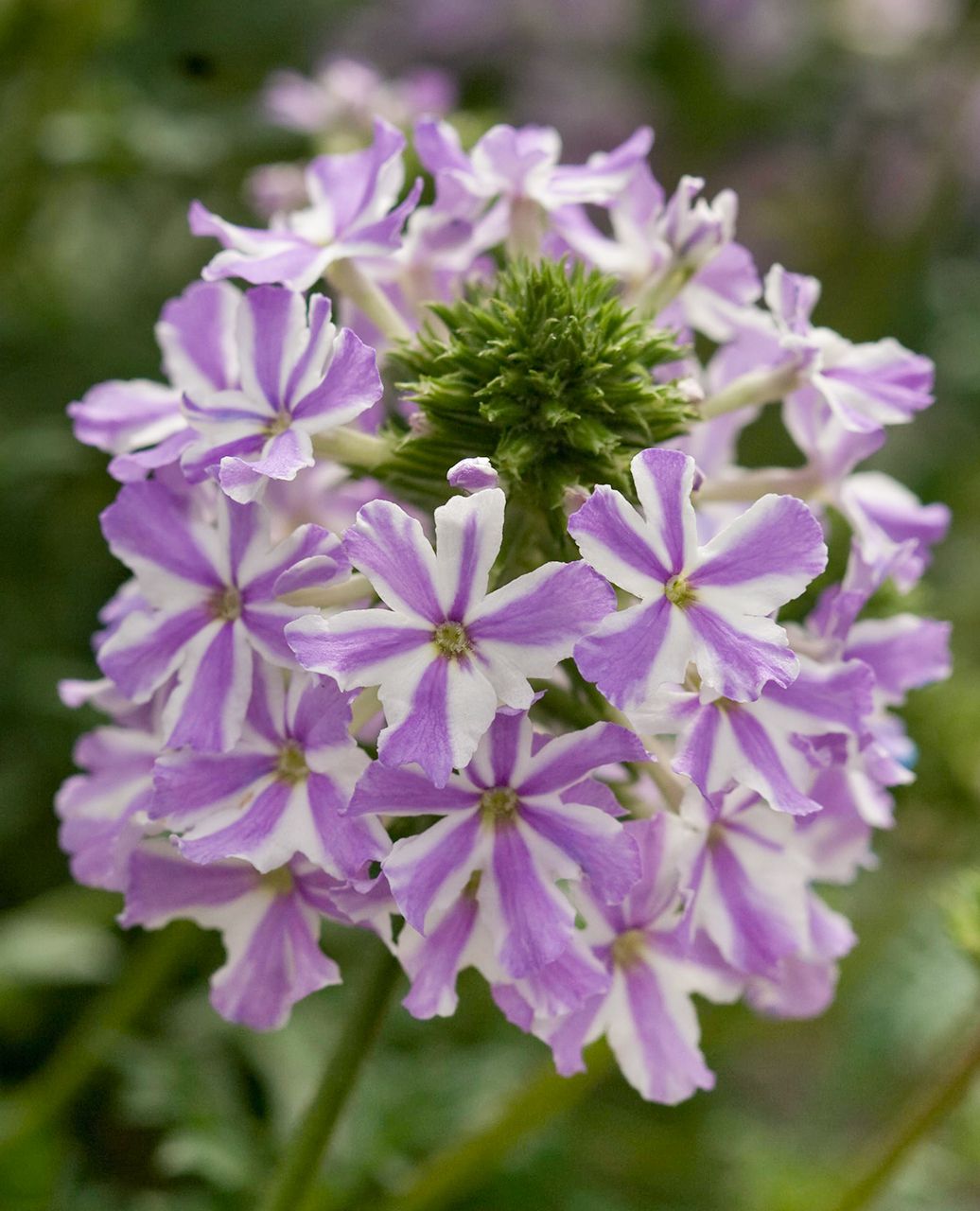
Verbena is the kind of flower that makes a gardener look more talented than they really are. It blooms for ages, laughs at summer heat, draws in butterflies like it is hosting a tiny backyard music festival, and spills beautifully from beds, borders, baskets, and containers. In other words, verbena is a show-off, and thankfully, it is a fairly easy one to live with.
If you have been eyeing those cheerful clusters of purple, pink, red, white, peach, or bi-color blooms and wondering whether verbena belongs in your garden, the answer is usually yes. The trick is not pampering it too much. This is not a flower that wants a swamp, a shady corner, or a steady buffet of fertilizer. Verbena likes sunshine, decent drainage, and a gardener who knows when to step in and when to back away slowly with the watering can.
In this guide, you will learn how to plant and grow verbena successfully, whether you are working with a sunny flower bed, a patio pot, a hanging basket, or a patch of ground that needs a little color therapy. We will also cover pruning, watering, seed starting, common problems, and simple ways to keep verbena blooming like it has a point to prove.
What Is Verbena?
Verbena is a broad group of flowering plants that includes both annual and perennial types. Some grow low and spread like a colorful carpet, while others stand tall and airy, waving above surrounding plants. Garden centers often sell hybrid garden verbena as a warm-season favorite, but native and perennial forms are popular too.
That variety is part of the charm. You can use trailing verbena in hanging baskets, mounding forms in containers, and taller types such as purpletop verbena in cottage gardens or pollinator borders. Many verbenas flower from late spring into fall, especially when grown in the right conditions and given an occasional haircut.
Annual vs. Perennial Verbena
Here is where things get slightly sneaky. Some verbenas are true perennials in warm climates but are grown as annuals in cooler parts of the country. In practical terms, what matters most is your USDA hardiness zone and the specific type you are planting.
If you live in a region with cold winters, many popular bedding verbenas are treated as annuals. In warmer zones, certain varieties may return year after year. Always read the plant tag, because verbena can range from short-lived annual charmers to dependable perennial performers.
Best Types of Verbena for Home Gardens
Picking the right type of verbena is half the battle and about 90% of the bragging rights.
Trailing Verbena
This is a great choice for hanging baskets, window boxes, raised beds, and retaining walls. It spills over the edges in a satisfyingly dramatic way and fills spaces with constant color.
Mounding Garden Verbena
These compact or spreading hybrids are popular in borders and containers. They bloom heavily and often come in bold, bright shades that look almost suspiciously cheerful.
Tall Verbena
Verbena bonariensis and similar tall types add height, movement, and pollinator appeal. They pair beautifully with ornamental grasses, coneflowers, black-eyed Susans, and salvias.
Native or Wild Verbena
Native species can be excellent for wildlife gardens, meadow plantings, and gardeners who prefer a looser, more natural look. Some tolerate dry, sandy soils surprisingly well.
Where to Plant Verbena
Verbena is not complicated, but it is opinionated. If it could talk, it would say, “Give me sun, give me drainage, and please do not stick me in a damp, crowded corner and act surprised later.”
Light Requirements
Most verbenas grow and bloom best in full sun. That means at least six hours of direct sunlight a day, though eight hours is even better. The more sun your plant gets, the better the flower production tends to be.
Soil Needs
Well-drained soil is the big one. Verbena does not want wet feet. It can manage in average garden soil, sandy soil, and even somewhat lean ground as long as excess water can move through. If your soil stays soggy after rain, improve it with organic matter or grow verbena in raised beds or containers.
Air Circulation Matters
Good airflow helps reduce disease issues, especially powdery mildew. Avoid cramming verbena into overcrowded beds where leaves stay damp and air gets stale. Flowers love romance; foliage does not love congestion.
When to Plant Verbena
Plant verbena outdoors after the danger of frost has passed in spring. The soil should be warming up, and nighttime temperatures should no longer be flirting with freezing. In warm climates, verbena may also be planted in fall or overwintered depending on the variety.
If you are starting from seed indoors, begin several weeks before your last expected spring frost. This gives young plants time to develop before they move outside.
How to Plant Verbena
Planting Nursery Transplants
- Choose a sunny site with well-drained soil.
- Loosen the soil and remove weeds or debris.
- Dig a hole about as deep as the root ball and slightly wider.
- Gently remove the plant from its pot and loosen circling roots if needed.
- Set the plant so the top of the root ball sits level with the surrounding soil.
- Backfill with soil and press lightly to remove air pockets.
- Water well after planting.
Space plants according to the mature width listed on the tag. Giving verbena room to breathe helps it fill out properly and reduces moisture-related problems.
Growing Verbena From Seed
Verbena can be grown from seed, but patience is part of the deal. Some types germinate slowly and unevenly. Start seeds indoors about 8 to 12 weeks before your last frost date if you want earlier blooms.
Use a seed-starting mix in trays or small pots. Many verbena seeds germinate better when lightly covered, since darkness can help. Keep the mix lightly moist but never soaked. Once seedlings emerge, provide strong light and good airflow. Harden them off before planting outdoors so they do not faint dramatically at their first encounter with real weather.
How to Care for Verbena
Watering
Newly planted verbena needs regular watering until it establishes roots. After that, many types become fairly drought tolerant. This is where gardeners often get into trouble: they continue watering like the plant is training for a rice paddy.
Water deeply, then allow the soil surface to dry somewhat before watering again. During long hot stretches with no rainfall, verbena may appreciate a thorough drink about once a week. In containers, check moisture more often because pots dry out faster.
Fertilizing
Verbena does not need heavy feeding. In fact, too much fertilizer can lead to lots of leafy growth and fewer flowers. A light application of balanced fertilizer or compost at planting time is usually enough. If the plant begins to look tired midseason, a small boost can help, but go easy. This flower is not trying to bulk up.
Mulching
A light layer of mulch can help conserve moisture and reduce weeds, but keep mulch from piling against the stems. Wet, crowded stems are basically a handwritten invitation to disease.
Pruning, Pinching, and Deadheading
One of the best things you can do for verbena is trim it when it starts looking stretched, sparse, or generally exhausted by its own greatness.
Pinching Young Plants
Pinching early growth can encourage branching and a fuller shape. This is especially helpful if your young plants look leggy or determined to become one long awkward stem.
Midseason Cutback
If blooming slows in midsummer, cut the plant back by about one-fourth. Water it well afterward and give it a light feeding if needed. In many cases, verbena rebounds with fresh growth and a new wave of flowers within a couple of weeks.
Deadheading
Some modern varieties are self-cleaning and do not need regular deadheading. Others bloom better and look tidier if you remove spent flower clusters. If you are not sure, simply trim faded blooms and observe how the plant responds. Gardening can be scientific, but it is also a little bit detective work.
Growing Verbena in Pots and Hanging Baskets
Verbena is excellent in containers, especially trailing forms. It mixes beautifully with calibrachoa, lantana, sweet potato vine, and other sun-loving annuals.
Container Tips
- Use a pot with drainage holes.
- Choose a high-quality potting mix rather than garden soil.
- Place containers in full sun.
- Water when the top inch of mix feels dry.
- Feed lightly during the growing season if blooming slows.
Containers dry out faster than garden beds, so potted verbena needs more frequent attention. That said, “more attention” does not mean “constant flooding.” Think attentive barista, not panicked lifeguard.
Common Problems When Growing Verbena
Poor Blooming
If your verbena has leaves but few flowers, it usually needs more sun, less fertilizer, or a good trim. Sometimes all three.
Powdery Mildew
This fungal issue often appears as a pale or powdery coating on leaves. It is more common where air circulation is poor, leaves stay damp, or plants are stressed. Improve spacing, avoid overhead watering, and cut back affected growth if needed.
Whiteflies and Other Pests
Whiteflies, aphids, and other sap-sucking pests can occasionally trouble verbena. Check leaf undersides if plants look sticky, weak, or dusty. A strong spray of water, insecticidal soap, and better airflow may help, depending on the severity.
Root or Crown Rot
This is often a drainage problem rather than a mystery. If the soil stays soggy, roots struggle. Improve drainage, water less often, and avoid planting in low spots that collect water.
How to Keep Verbena Blooming All Season
- Give it full sun.
- Plant it in well-drained soil.
- Water regularly at first, then more sparingly once established.
- Avoid overfeeding.
- Trim plants back when they get leggy.
- Remove spent blooms if the variety benefits from deadheading.
That is really the formula. Verbena is one of those plants that rewards smart basics more than fancy tricks.
Landscape Ideas for Verbena
Verbena is wonderfully flexible in the garden. Use low-growing forms to edge pathways, soften retaining walls, and spill out of containers. Tuck it into rock gardens where drainage is sharp and the sunlight is strong. Mix tall verbena into prairie-style borders for a light, floating look that never feels heavy.
It also works well in pollinator gardens. Butterflies, bees, and other beneficial insects are frequent visitors, especially on taller and nectar-rich types. Pair verbena with salvia, zinnia, coreopsis, yarrow, gaura, and echinacea for a long-blooming, heat-loving display.
Overwintering Verbena
In warm regions, perennial types may overwinter outdoors with minimal fuss. In colder climates, most bedding verbenas are grown as annuals. If you are attached to a favorite container plant, you can try bringing it into a protected location before frost, though results vary.
Some gardeners also let certain types self-seed. It is not guaranteed, but in the right conditions, verbena may surprise you by returning where you least expected it, usually with the confidence of a plant that pays no rent.
Final Thoughts
Learning how to plant and grow verbena is less about mastering a difficult flower and more about understanding its personality. This is a sun-loving, bloom-happy plant that performs best when conditions are bright, drainage is good, and care is steady but not smothering.
If you choose the right type for your space, plant it after frost, water it wisely, and give it an occasional trim, verbena can reward you with months of color. Whether you want a cascade of flowers in a hanging basket, a cheerful carpet at the front of a border, or a pollinator magnet waving above summer perennials, verbena earns its keep. And unlike some garden divas, it usually does so without a dramatic contract rider.
Gardener’s Experience: What Growing Verbena Really Feels Like
The first time I planted verbena, I made the classic beginner mistake of assuming more water meant more love. My poor plants responded by looking unimpressed, slightly sulky, and nowhere near as glamorous as the photos on the nursery tag. Once I moved the next batch into a sunnier, sharper-draining spot and backed off the watering routine, everything changed. Suddenly, I had flowers that just kept going and going, like they had discovered espresso.
What stands out most about growing verbena is how generous it feels once you understand it. You do not need an elaborate feeding schedule, a greenhouse, or a degree in horticulture. You mostly need sunshine, restraint, and the courage to trim it back when it starts looking lanky. That last part can feel wrong the first time. You look at the scissors, you look at the plant, and you think, “Am I helping, or have I become the villain?” Then two weeks later, it comes back thicker and bloomier than before, and suddenly you feel like a genius.
Verbena also teaches patience in a useful way. It is not always dramatic right after planting. In the beginning, it may sit there quietly, building roots and pretending not to care. Then warm weather arrives, the sun starts doing its job, and verbena begins to spread, mound, or trail depending on the variety. By midsummer, it often looks like it has settled into the garden and started paying attention to its personal brand.
I especially love verbena in containers because it softens the edges of pots so naturally. It can take a stiff arrangement and make it look more relaxed, more abundant, and more alive. In mixed planters, it plays well with others, but it also refuses to disappear into the background. That is a rare personality trait in both flowers and people.
In the ground, verbena can be even better. The low growers fill gaps beautifully, while the taller forms bring movement. On breezy evenings, tall verbena seems to hover over the garden rather than sit in it. Pollinators notice this immediately. Bees stop by, butterflies drift in, and the whole planting starts to feel less like decoration and more like a functioning little ecosystem.
Another thing gardeners appreciate is that verbena does not demand perfection. Miss a deadheading session? It will probably survive. Forget to fertilize? It can often cope. Go on vacation during a warm spell? If established and planted well, it has a decent chance of forgiving you. That kind of resilience builds confidence, especially for newer gardeners who are still recovering from the emotional damage of their first crispy fern.
Over time, growing verbena becomes one of those quietly satisfying garden habits. You start noticing where it performs best, which colors make neighboring plants pop, and how a simple trim can reset the whole plant. You learn to trust it in hot weather. You learn not to overdo the fertilizer. And maybe most importantly, you learn that some of the best garden success comes from matching the plant to the place instead of trying to force the place to behave differently. Verbena is a very good teacher that way, and fortunately, its lessons come with flowers.