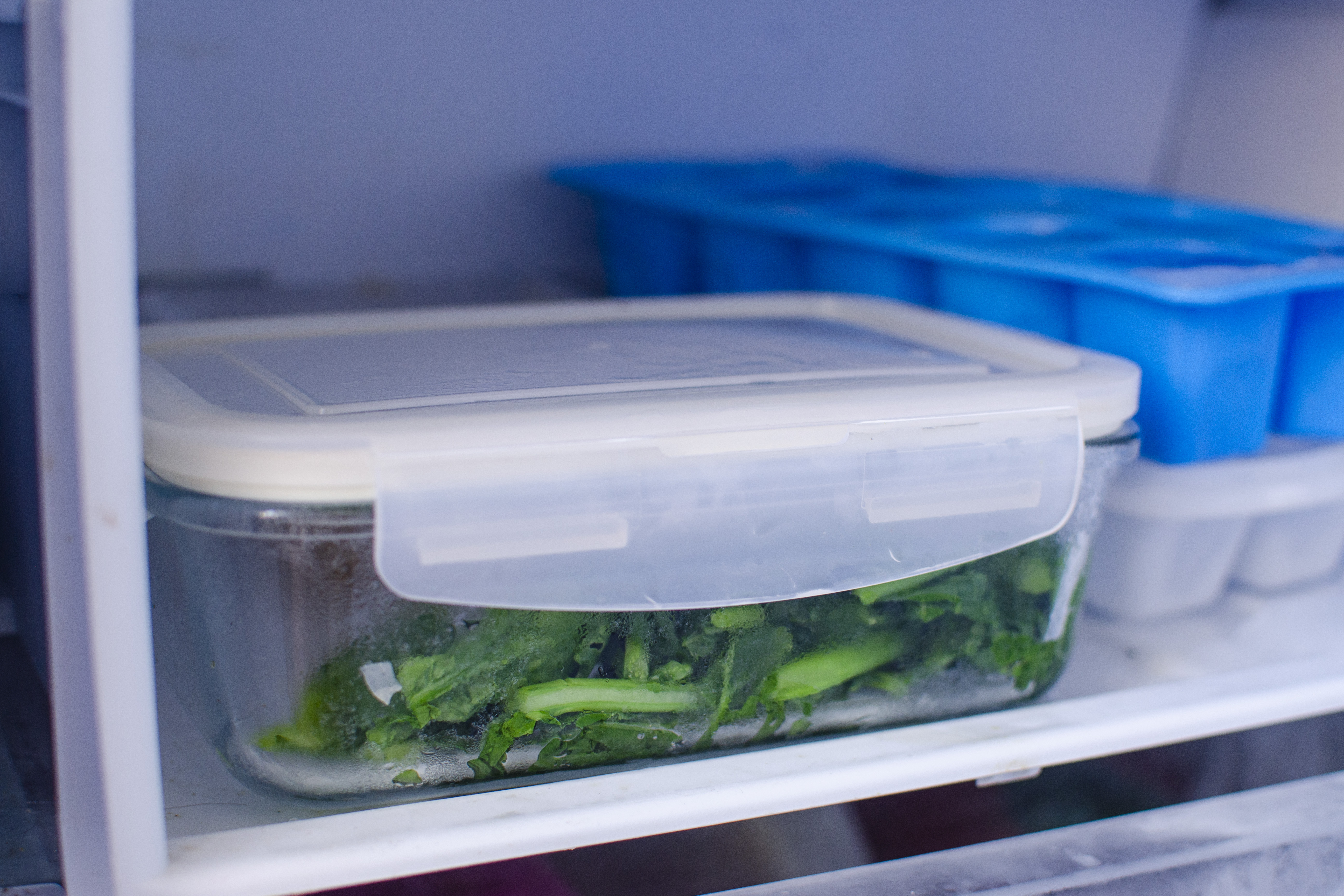
Collard greens are the sturdy, soulful leafy greens that look like they could survive a small kitchen disaster and still show up for dinner. But even collards have limits. Leave them loose in the fridge, let them sit wet in a bag, or forget them behind the yogurt, and those beautiful green leaves can turn limp, yellow, and suspiciously swamp-like faster than you expected.
The good news is that learning how to store collard greens is simple. You do not need fancy equipment, a produce degree, or a refrigerator with more buttons than a spaceship. You just need a few smart habits: choose fresh leaves, keep moisture under control, store them cold, avoid washing too early, and freeze them properly when you have more greens than your week can handle.
This guide walks you through nine practical steps for storing fresh collard greens in the refrigerator and freezer. Whether you bought a big bunch at the farmers market, harvested collards from your garden, or grabbed a pre-cut bag at the grocery store, these tips will help keep them crisp, flavorful, and ready for soups, sautés, braises, wraps, smoothies, and classic Southern-style collard greens.
Why Proper Collard Green Storage Matters
Collard greens are hearty, but they are still leafy greens. That means they need cold temperatures, high humidity, and gentle handling. Too much dryness makes them wilt. Too much water encourages sliminess. Too much time near ethylene-producing fruits, such as apples or bananas, can speed up quality loss. In other words, collards are low-maintenance, not no-maintenance.
Storing collard greens correctly helps preserve their texture, color, nutrients, and flavor. It also reduces food waste. A forgotten bunch of greens is not just a sad fridge discovery; it is money, meal potential, and dinner optimism going straight into the compost bin.
How to Store Collard Greens: 9 Steps
Step 1: Choose Fresh, Healthy Collard Greens
Good storage starts before the greens ever reach your refrigerator. Look for collard leaves that are deep green, firm, and lively. The leaves should not be yellow, mushy, slimy, or full of dark spots. A few small holes are not the end of the world, especially with garden-grown greens, but large damaged areas should be removed.
If you are buying bunches, check the stems too. Fresh stems should feel crisp, not rubbery. If the leaves droop like they just heard bad news, choose another bunch. Fresher collards naturally last longer, so do not make your fridge perform miracles with greens that were already halfway retired at the store.
Step 2: Remove Bad Leaves Before Storage
Before putting collard greens away, sort through the bunch. Pull off any yellow, wilted, bruised, or slimy leaves. Damaged leaves can release moisture and speed up spoilage in the rest of the bunch. One sad leaf can bring down the whole team.
Do not chop everything yet unless you plan to cook the greens soon. Whole leaves usually store better than cut leaves because cutting exposes more surface area to moisture loss and bacteria. If you bought pre-cut collards, keep them sealed until you are ready to use them and follow the package date closely.
Step 3: Do Not Wash Collard Greens Too Early
For the best refrigerator storage, keep fresh collard greens unwashed until you are ready to cook or eat them. Washing before storage adds moisture, and excess moisture is one of the fastest ways to turn leafy greens slimy. That does not mean dirt is invited to dinner. It simply means the big rinse should happen right before preparation.
If your collards are very sandy or muddy and you must rinse them before storing, dry them thoroughly. Use a salad spinner, clean kitchen towel, or paper towels. The goal is not “slightly less wet.” The goal is “not secretly hiding a swamp in the leaves.”
Step 4: Wrap the Greens to Control Moisture
Collard greens need humidity, but they should not sit in water. A simple paper towel method works well. Wrap the unwashed greens loosely in a dry or barely damp paper towel, then place them in a plastic produce bag, reusable storage bag, or airtight container with a little breathing room.
The paper towel helps absorb extra moisture while preventing the leaves from drying out too quickly. If the towel becomes wet after a day or two, replace it. This small step can make a big difference, especially if you shop once a week and need your greens to last until Thursday’s dinner plan finally becomes real.
Step 5: Store Collard Greens in the Crisper Drawer
The crisper drawer is the best place to store collard greens in the refrigerator. It helps maintain a cool, humid environment, which leafy greens love. Place the wrapped greens in the drawer without crushing them under heavy produce. A cabbage can handle pressure. Collard leaves are strong, but they do not need to bench-press a watermelon.
Keep your refrigerator at 40°F or below for food safety. For best quality, leafy greens prefer very cold storage, but a normal home refrigerator crisper drawer is usually enough. Avoid storing collards in the fridge door, where temperatures fluctuate every time someone opens the door to stare hopefully at leftovers.
Step 6: Keep Collards Away from Strong Ethylene Producers
Some fruits and vegetables release ethylene gas as they ripen. Apples, bananas, pears, tomatoes, mangoes, and similar produce can encourage nearby greens to age faster. Collard greens are not as delicate as some salad greens, but they still benefit from separation.
Store collards in the vegetable crisper and keep ethylene-producing fruits in a separate drawer or shelf. This is especially helpful if you want collards to last closer to a week or more. Your fridge does not need assigned seating, but a little produce zoning keeps everyone better behaved.
Step 7: Use Fresh Collard Greens Within the Best Storage Window
Fresh collard greens can often last several days in the refrigerator, and very fresh whole leaves may last longer when stored properly. However, quality depends on how fresh they were at purchase, how cold your refrigerator is, how much moisture is in the bag, and whether the leaves were whole or pre-cut.
For the best flavor and texture, try to use fresh bunches within about five to seven days. Garden-fresh or very fresh market collards may keep longer, especially when stored unwashed in a plastic bag in the crisper drawer. Pre-cut or bagged greens usually have a shorter storage life, so check the label and use them promptly.
Step 8: Wash Collard Greens Properly Before Cooking
When it is time to cook, wash collard greens under cool running water. Do not use soap, detergent, bleach, or commercial cleaning products. Produce is porous, and those products are not meant to be eaten. Water and gentle friction are enough for home washing.
Collards can hold grit, especially near the stems and folds of the leaves. To clean them well, separate the leaves, rinse both sides, and rub gently with your fingers. For very sandy greens, fill a clean bowl or sink with cold water, swish the leaves, lift them out, drain the dirty water, and repeat until the water is clear. Always lift greens out of the water rather than pouring everything through a colander, or the grit may jump right back on like it paid rent.
Step 9: Freeze Collard Greens for Long-Term Storage
If you have more collard greens than you can use in the refrigerator window, freeze them. Freezing is one of the best ways to preserve collards for soups, stews, casseroles, and quick weeknight side dishes. However, do not just toss raw leaves into the freezer and hope for greatness.
For best quality, wash the greens thoroughly, remove tough stems, and blanch the leaves in boiling water for about three minutes. After blanching, cool them quickly in ice water, drain well, squeeze out excess moisture, and pack them into freezer-safe bags or containers. Label the package with the date. Frozen collard greens are best used in cooked dishes, where their softened texture works beautifully.
How to Store Cooked Collard Greens
Cooked collard greens need a different storage approach. Let cooked greens cool slightly, then place them in shallow airtight containers and refrigerate them within two hours. Shallow containers help the food cool faster and more evenly. Do not leave a big pot of greens sitting on the counter all afternoon while everyone debates who gets the last piece of cornbread.
Use cooked collard greens within three to four days for best quality. Reheat leftovers until hot throughout. If you cooked your greens with meat, broth, or smoked turkey, treat the whole dish as a perishable cooked food and keep it safely chilled.
How to Tell If Collard Greens Have Gone Bad
Fresh collard greens should smell clean and earthy. Throw them away if they become slimy, moldy, badly yellowed, or foul-smelling. A little wilting does not always mean the greens are unsafe, especially if they still smell fresh. Wilted collards can often be cooked in soups, beans, or sautés. But slime is the green light’s evil twin. When slime appears, do not negotiate.
Also watch for excess liquid collecting in the bag. Moisture can speed spoilage, so if the leaves still look good but the towel is soaked, replace the towel and use the greens soon.
Common Mistakes When Storing Collard Greens
Washing and Bagging Wet Leaves
This is the classic mistake. Wet leaves sealed in a bag can quickly become limp and slimy. Wash right before use, or dry the leaves extremely well before refrigerating.
Leaving Greens Loose in the Refrigerator
Unwrapped collards can dry out and wilt. Use a bag, container, or wrap to protect them from refrigerator air.
Storing Collards Beside Apples or Bananas
Ethylene-producing fruits can shorten the storage life of leafy greens. Keep them separated when possible.
Ignoring the Crisper Drawer
The crisper drawer exists for a reason. It helps manage humidity and protects delicate produce from temperature swings and fridge traffic.
Freezing Raw Collards Without Blanching
Raw frozen collards may develop poor flavor, color, and texture. Blanching first helps preserve quality.
Best Containers for Storing Collard Greens
You do not need expensive storage gear. A plastic produce bag, reusable silicone bag, zip-top bag, or airtight food container can work. The best container is one that keeps the leaves protected but not soaking wet. If using a sealed container, add a paper towel to manage moisture. If using a plastic bag, leave a little air inside so the leaves are not compressed.
For large bunches, avoid stuffing the greens tightly into a tiny bag. Crowding bruises the leaves and traps moisture. Give collards enough room to relax. They are about to become dinner; the least we can offer is decent accommodations.
Can You Revive Wilted Collard Greens?
Sometimes, yes. If the leaves are limp but not slimy, moldy, or smelly, trim the stems and soak the greens in cold water for 10 to 20 minutes. Dry them well and cook them soon. This can restore some crispness, especially if the greens lost moisture in the refrigerator.
Revived collards are best used in cooked recipes rather than raw preparations. Once leafy greens start wilting, they are telling you politely that their salad days are over.
Ideas for Using Stored Collard Greens
Stored collard greens are wonderfully versatile. Slice them into ribbons and sauté with garlic and olive oil. Simmer them with onions, broth, vinegar, and smoked paprika. Add chopped collards to bean soup, lentil stew, scrambled eggs, pasta, grain bowls, or stir-fries. You can also use large, flexible leaves as wraps after trimming the thick stem and lightly steaming them.
If your collards are a little older but still safe, choose recipes that cook them down. Braises, soups, and stews are forgiving and flavorful. Fresh, crisp leaves are better for quick sautés or wraps.
Personal Experience: What Actually Works in a Real Kitchen
After storing more bunches of collard greens than I care to admit, I have learned that collards are both tough and dramatic. They look sturdy enough to survive a thunderstorm, but they still get cranky when stored carelessly. The biggest lesson is simple: moisture management matters more than almost anything else.
One of the best routines is to deal with the greens as soon as they come home. I do not wash them immediately unless they are extremely dirty. Instead, I open the bunch, remove any questionable leaves, shake off loose grit, and wrap the leaves in paper towels. Then I slide them into a produce bag and place them in the crisper drawer. This takes about two minutes, which is less time than it takes to wonder why the fridge smells weird three days later.
When I have skipped this step and tossed the bunch straight into the refrigerator, the results have been less glamorous. The outer leaves dry at the edges, the inner leaves trap moisture, and eventually one leaf turns suspicious. From there, the whole bunch seems to hold a meeting and vote for decline. A paper towel is not magic, but it is close enough to be invited back.
Another useful habit is planning the greens by meal type. If the collards are very fresh, I use them early in the week for quicker dishes, such as garlicky sautéed greens or collard wraps. If they have been stored for several days and are still good but not quite glamorous, I send them into soup, beans, or a long braise. Collards are forgiving when cooked low and slow. A slightly wilted leaf can still become a delicious side dish with onion, vinegar, pepper flakes, and patience.
Freezing has also saved many bunches from becoming refrigerator fossils. The trick is to blanch first and drain well. The first time I froze greens, I did not squeeze out enough water, and the bag became a green iceberg. It was usable, but not elegant. Now I cool the blanched greens in ice water, drain them, press out moisture, and freeze them in flat portions. Flat bags stack neatly and thaw faster. Future me appreciates this deeply, especially on busy nights when dinner needs help and morale is low.
Pre-cut collard greens are convenient, but they need faster attention. Once leaves are cut, they do not last as long as whole bunches. I treat bagged collards like a countdown clock: use them soon, keep them cold, and do not open the bag until needed. If the package says the greens are washed or ready-to-eat, I avoid rewashing before storage because extra handling and moisture can reduce quality.
The final experience-based tip is to check the greens every couple of days. This does not require a formal inspection with a clipboard. Just open the drawer, look for moisture, replace a wet towel, and remove any leaf that is past its prime. Small maintenance prevents big disappointment. Collard greens reward this tiny bit of attention with longer life, better texture, and fewer “what died in here?” refrigerator moments.
Conclusion
Storing collard greens well is all about balance. Keep them cold, keep them protected, and keep extra moisture under control. Store fresh collard greens unwashed in the refrigerator, wrapped with a paper towel and placed in a bag or container in the crisper drawer. Wash them only before cooking, unless you dry them thoroughly first. Use fresh greens within their best quality window, and freeze extra collards after blanching for long-term storage.
With these nine steps, your collard greens can stay fresher longer and be ready for whatever delicious plan you have in mind. Whether you are making a classic Southern pot of greens, a quick weeknight sauté, or a freezer stash for future soups, proper storage helps every leaf live up to its full leafy potential.