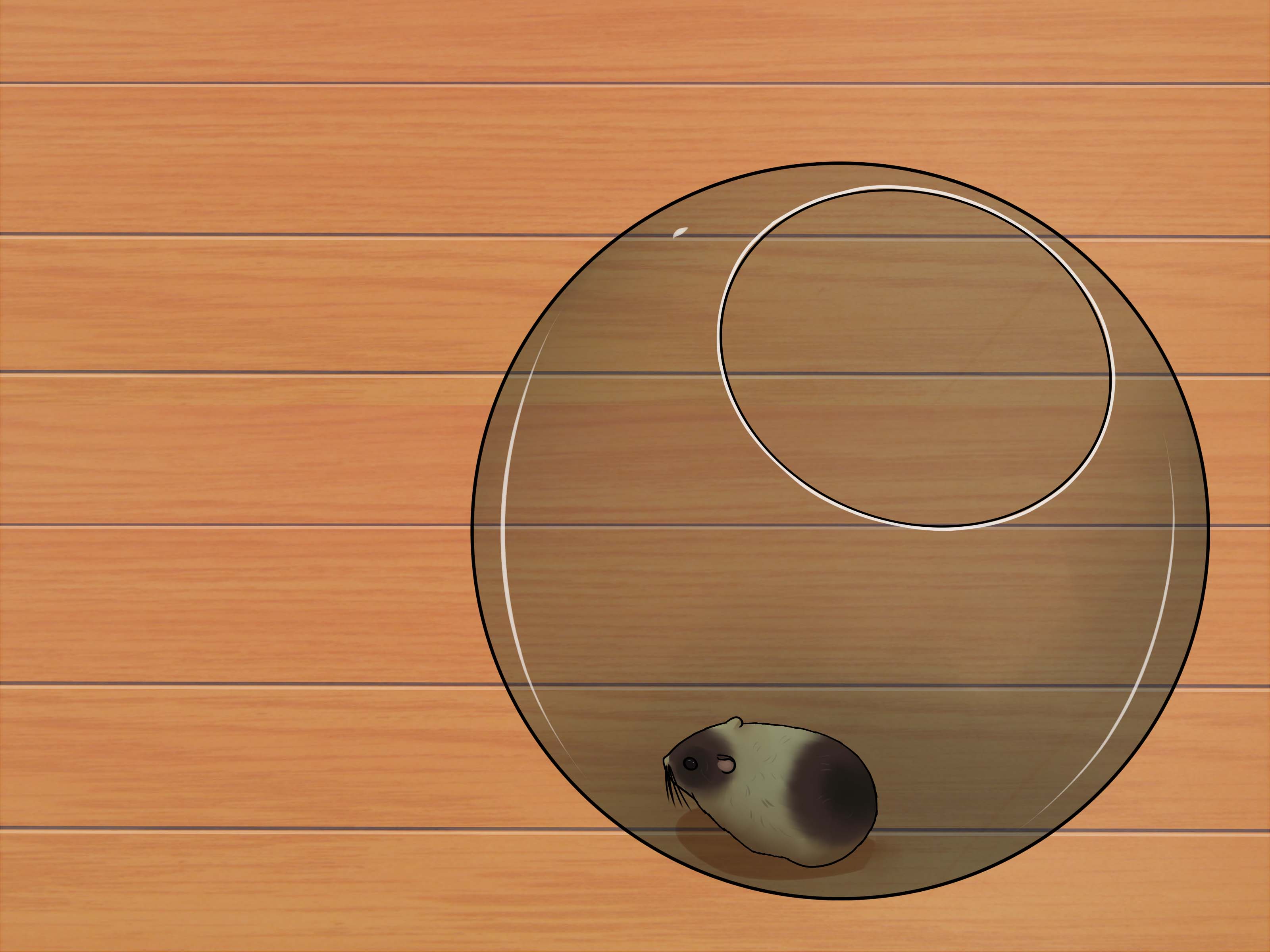
Dwarf hamsters are tiny creatures with enormous snack confidence. One minute they are sprinting on the wheel like furry Olympians; the next, they are sitting in the food bowl like they own the buffet. Because they are naturally round, quick, and excellent at hiding food in their cheeks, it can be surprisingly tricky to tell whether your dwarf hamster is simply adorable or actually overweight.
Learning how to tell if a dwarf hamster is obese matters because extra weight can affect mobility, grooming, energy, and overall health. It can also hide other problems, such as swelling, pregnancy, tumors, bloating, or diabetes-related changes. The goal is not to shame your hamster. Your hamster has never read a diet book and would probably chew the cover anyway. The goal is to notice changes early, adjust care gently, and ask an exotic pet veterinarian when something seems off.
This guide walks you through 14 practical steps to check your dwarf hamster’s body condition, weight, behavior, diet, and environment without stressing your tiny roommate.
How Much Should a Dwarf Hamster Weigh?
There is no single “perfect” dwarf hamster weight because species, age, sex, frame size, genetics, and health all matter. A Roborovski dwarf hamster is naturally much smaller than many Campbell’s or winter white dwarf hamsters. Some dwarf hamsters are naturally compact and round, while others are longer and leaner.
Instead of relying on a number alone, use a combination of weekly weighing, body shape, activity, appetite, grooming, and veterinary advice. If your hamster suddenly gains weight, loses weight, looks swollen, stops using the wheel, or seems uncomfortable, treat that as a health clue rather than a cosmetic issue.
How to Tell if a Dwarf Hamster Is Obese: 14 Steps
1. Weigh Your Hamster Weekly
The most reliable first step is to weigh your dwarf hamster on a small digital kitchen scale that measures in grams. Place a mug, small bowl, or secure container on the scale, press “tare” to reset the scale to zero, then gently place your hamster inside for a quick reading.
Write the number down once a week at the same time of day. A single reading is useful, but a trend is better. If your hamster keeps gaining weight for several weeks while eating the same amount, that may suggest overfeeding, low activity, pregnancy, or another health issue. If the weight jumps suddenly, do not assume it is just fat. Sudden weight change deserves a closer look.
2. Look at Your Hamster From Above
When your hamster is calm and standing naturally, look at them from above. A healthy dwarf hamster usually has a gently rounded body, but you should still see some structure. The body should not look like a perfect cotton ball with feet attached.
If your hamster’s sides bulge outward dramatically, the waist has disappeared, and the body looks unusually wide compared with previous weeks, obesity may be part of the picture. However, a swollen belly can also indicate illness, fluid buildup, pregnancy, constipation, or a mass. Shape is a clue, not a final diagnosis.
3. Check the Side View
From the side, a healthy dwarf hamster should look compact but mobile. If the belly sags close to the floor, drags when walking, or makes movement look awkward, excess weight may be affecting your hamster’s comfort.
Watch when your hamster climbs, turns, stretches, or stands on the back legs. If the belly appears heavy and movement has become slower, that is worth noting. Do not squeeze the abdomen to “check fat.” Dwarf hamsters are fragile, and pressure can injure them.
4. Feel Gently for Body Condition
If your hamster is tame enough to be handled safely, you can gently feel the body condition. Hold your hamster low over a soft surface, such as a towel or playpen floor. With one finger, lightly feel along the sides. You should not press hard.
In many healthy small pets, you can feel body structure under a thin layer of padding. If everything feels thickly padded and you cannot sense any shape at all, your hamster may be overweight. If the bones feel sharp or the hamster feels bony, that suggests underweight or illness. Either extreme should be discussed with an exotic vet.
5. Watch for Less Wheel Running
Dwarf hamsters are naturally active, especially at night. A sudden drop in wheel use can be a sign that your hamster is carrying extra weight, but it can also mean the wheel is uncomfortable, too small, dirty, squeaky, or poorly designed.
Use a solid-surface wheel rather than a wire wheel, and make sure your hamster can run without arching the back sharply. If your hamster used to run every night and now mostly sits, eats, and waddles, that change matters. Before blaming laziness, check the wheel, cage setup, nails, feet, teeth, and general health.
6. Notice Slower Climbing and Turning
An overweight dwarf hamster may struggle with quick turns, climbing, tunnels, platforms, and normal exploring. You might notice your hamster hesitating before climbing onto a low hideout or taking longer to turn around in a tunnel.
Be careful with tall platforms or steep accessories. A heavier hamster can still be fragile, and falls are dangerous. Provide low, safe enrichment instead: tunnels, dig boxes, chew toys, scatter feeding, and bedding deep enough for burrowing. Exercise should feel like hamster fun, not boot camp with whiskers.
7. Check Whether Grooming Has Become Difficult
Healthy hamsters are usually tidy little self-cleaning machines. If your dwarf hamster becomes too round to groom comfortably, you may notice greasy fur, messy rear fur, urine staining, or a generally unkempt coat.
Poor grooming can be related to obesity, but it can also happen with age, dental problems, arthritis-like discomfort, diarrhea, skin disease, stress, or illness. If your hamster looks dirty, do not bathe them in water. Water baths can be stressful and risky. Offer a safe sand bath if appropriate, spot-clean bedding, and contact a veterinarian if the problem continues.
8. Look for Fat Pads Around the Shoulders and Hips
Some overweight hamsters develop a thicker look around the shoulders, hips, and lower body. The hamster may look less sleek and more like a walking pom-pom. This can be especially noticeable when comparing photos from several weeks apart.
Take a clear photo from above and from the side once a week. Photos are helpful because memory is unreliable. One day your hamster looks “a little chunky,” and three weeks later you realize the tiny athlete has become a potato with opinions.
9. Do Not Confuse Full Cheek Pouches With Obesity
Dwarf hamsters have expandable cheek pouches that can make them look suddenly huge. A hamster with packed cheeks may look comically wide, as if storing emergency groceries for a snowstorm that will never arrive.
Wait and observe. If the “weight gain” disappears after your hamster empties the cheek pouches into a stash, you are probably looking at normal hoarding behavior. If the cheeks stay swollen, uneven, wet, smelly, or do not empty after several hours, seek veterinary care. Impacted cheek pouches are not the same as obesity.
10. Inspect the Food Stash
Hamsters hoard food, so an empty bowl does not always mean an empty stomach. Your hamster may have a secret pantry under the bedding that would impress a doomsday prepper.
During cage cleaning, check how much food is being stored. If you find piles of high-fat seeds, nuts, dried fruit, or treat pieces, your hamster may be selectively eating the tastiest calories and ignoring balanced pellets. This can lead to both weight gain and nutritional imbalance. Feed measured portions, remove old fresh food daily, and avoid constantly topping off the bowl.
11. Review the Diet for High-Calorie Favorites
A dwarf hamster’s main diet should usually be a high-quality hamster pellet or rodent block, with small amounts of safe vegetables and very limited treats. Seed-heavy mixes can encourage selective feeding because hamsters often pick out the fatty, tasty pieces first.
Common calorie traps include sunflower seeds, peanuts, yogurt drops, honey sticks, sweet cereals, dried fruit, cheese, and too many nuts. These may look tiny to you, but to a dwarf hamster, a large treat is basically a banquet. If treats are a daily habit, reduce them gradually and replace some with low-sugar vegetables or foraging activities.
12. Watch for Diabetes Warning Signs
Some dwarf hamster species, especially Campbell’s and Chinese hamsters, are known for a higher tendency toward diabetes. Obesity and high-sugar diets can make the situation more concerning, but diabetes can also appear in hamsters that are not obviously obese.
Warning signs may include drinking much more water, urinating more often, sticky or sweet-smelling urine, sudden weight loss despite eating, low energy, or unusual behavior changes. If you notice these signs, do not try home remedies or extreme diets. Contact an exotic pet veterinarian. Diabetes management needs proper guidance.
13. Rule Out Pregnancy, Tumors, Bloating, and Illness
A round dwarf hamster is not always an obese dwarf hamster. Rapid belly enlargement can be caused by pregnancy, constipation, gas, infection, organ disease, fluid buildup, or tumors. Lumps and bumps should never be ignored just because your hamster is “getting older.”
Call a veterinarian if the body shape changes quickly, the belly feels tight, the hamster stops eating, the rear end is dirty, breathing seems labored, or your hamster becomes hunched and inactive. With tiny animals, waiting too long can turn a manageable issue into an emergency.
14. Ask an Exotic Vet for a Healthy Weight Plan
If your dwarf hamster seems obese, the safest plan is slow and steady. Never starve a hamster, remove food completely, or force intense exercise. Hamsters need constant access to water and an appropriate daily diet.
An exotic veterinarian can help determine whether your hamster is truly overweight, what target range makes sense, and whether another condition is involved. A healthy plan usually includes measured feeding, fewer sugary or fatty treats, a suitable wheel, more enrichment, regular weighing, and careful monitoring. The best hamster fitness program is not “tiny treadmill boot camp.” It is a better daily routine.
What Causes Obesity in Dwarf Hamsters?
Dwarf hamster obesity usually comes from a mix of too many calories and too little activity. The most common causes include unlimited seed mixes, frequent treats, sugary foods, fatty snacks, small cages, lack of enrichment, an unsafe or undersized wheel, boredom, and owners who show love by handing out snacks every time the hamster blinks cutely.
Age can also play a role. Older hamsters may naturally slow down, which can reduce energy use. Dental problems may cause selective eating. Stress may change activity. Illness may cause swelling that looks like weight gain. That is why observation matters. You are not just asking, “Is my hamster fat?” You are asking, “Has my hamster’s body, behavior, appetite, or comfort changed?”
Safe Ways to Help an Overweight Dwarf Hamster
Measure Food Instead of Guessing
Use the food package directions and your veterinarian’s advice as a starting point. Feed a measured amount each evening when your hamster becomes active. Avoid refilling the bowl just because it looks empty; check the hidden stash first.
Make Pellets the Foundation
Pellets or rodent blocks help reduce selective feeding. If your hamster currently eats mostly seeds, switch gradually over one to two weeks to avoid digestive upset and food refusal.
Limit Treats to Tiny Portions
Treats should be occasional and very small. A piece of broccoli, cucumber, or leafy green can provide variety without the calorie overload of sugary commercial treats. Fruit should be rare and tiny, especially for diabetes-prone dwarf hamsters.
Upgrade Exercise Without Stress
Provide a solid wheel that fits your hamster properly. Add tunnels, deep bedding, chew toys, and scatter feeding so your hamster works a little for dinner. Hide pellets around the enclosure to encourage natural foraging. Your hamster gets enrichment; you get to feel like a tiny personal trainer with better manners.
Track Progress Slowly
Healthy weight change in a dwarf hamster should be gradual. Weigh weekly, take photos, and watch energy levels. If your hamster loses weight quickly, stops eating, or seems weak, contact a vet immediately.
Common Mistakes When Checking Hamster Weight
One mistake is judging only by cuteness. Dwarf hamsters are built like plush toys, so “round” is not automatically bad. Another mistake is assuming all weight gain is fat. Pregnancy, swelling, and illness can look similar. A third mistake is overcorrecting with a crash diet. Tiny animals need steady nutrition, not dramatic restriction.
Also avoid comparing your hamster to random internet photos. Lighting, species, age, fur length, cheek pouches, and camera angle can make one hamster look sleek and another look like a dinner roll. Compare your hamster with your hamster over time. That is the fairest and most useful standard.
Real-Life Experience: What Owners Often Notice First
Many dwarf hamster owners do not notice weight gain right away. It often starts with small changes: the hamster runs less, sleeps more, or chooses the food bowl over the wheel with suspicious enthusiasm. At first, it may seem funny. A hamster sitting in the dish looks like a tiny landlord collecting rent in sunflower seeds. But after a few weeks, the pattern becomes clearer.
One common experience is discovering the hidden stash. An owner may think, “My hamster eats everything I give him!” Then cage-cleaning day arrives, and under the bedding is a mountain of seeds large enough to survive a cartoon winter. This is when many people realize they have been feeding the bowl, not the hamster. The fix is simple but important: measure meals, check storage spots, and stop topping off food automatically.
Another experience is the wheel mystery. A hamster may stop using the wheel, and the owner assumes the hamster is lazy or overweight. Then they discover the wheel is too small, stiff, loud, or placed awkwardly. Once replaced with a larger solid wheel, the hamster suddenly becomes an athlete again. This is a good reminder that activity problems are not always motivation problems. Sometimes the gym equipment is terrible.
Owners also learn that treats are powerful. A single yogurt drop or nut looks small to a human, but for a dwarf hamster, it can be a major calorie event. When treats become daily “bonding,” weight can creep up. Better bonding options include hand-feeding a tiny piece of vegetable, letting the hamster forage from your palm, or simply sitting near the enclosure and talking softly. Your hamster does not need dessert to know you are the snack-distributing giant they tolerate.
Some owners notice grooming changes first. The fur may look slightly oily, the rear may look less clean, or the hamster may seem less flexible. That can be related to weight, but experienced keepers know not to jump to conclusions. Poor grooming can also point to aging, pain, illness, or dental trouble. The best response is to record the change, check the setup, and call an exotic vet if it continues.
The most helpful habit many owners develop is weekly tracking. A simple notebook with date, weight, food changes, treat notes, and behavior observations can reveal patterns quickly. It also helps if you need a vet visit because you can share real information instead of saying, “He became round sometime between Tuesday and emotional support snack hour.”
The biggest lesson is balance. You do not need to panic over every gram. You also should not ignore steady weight gain, reduced movement, or a swollen body. A healthy dwarf hamster should be active, curious, able to groom, interested in food without living inside the bowl, and comfortable moving around the enclosure. When in doubt, choose gentle adjustments and professional advice.
Conclusion
Knowing how to tell if a dwarf hamster is obese is less about finding one perfect number and more about watching the whole hamster: weight trends, body shape, activity, grooming, eating habits, food stash, and overall comfort. A little roundness is normal. Sudden swelling, constant weight gain, reduced movement, or poor grooming is not something to shrug off.
Start with weekly weighing, compare photos over time, check for cheek pouch confusion, review the diet, and make sure your hamster has a safe wheel and enriching habitat. If you suspect obesity or notice sudden changes, work with an exotic veterinarian. Your dwarf hamster may be small, but their health deserves big attention.