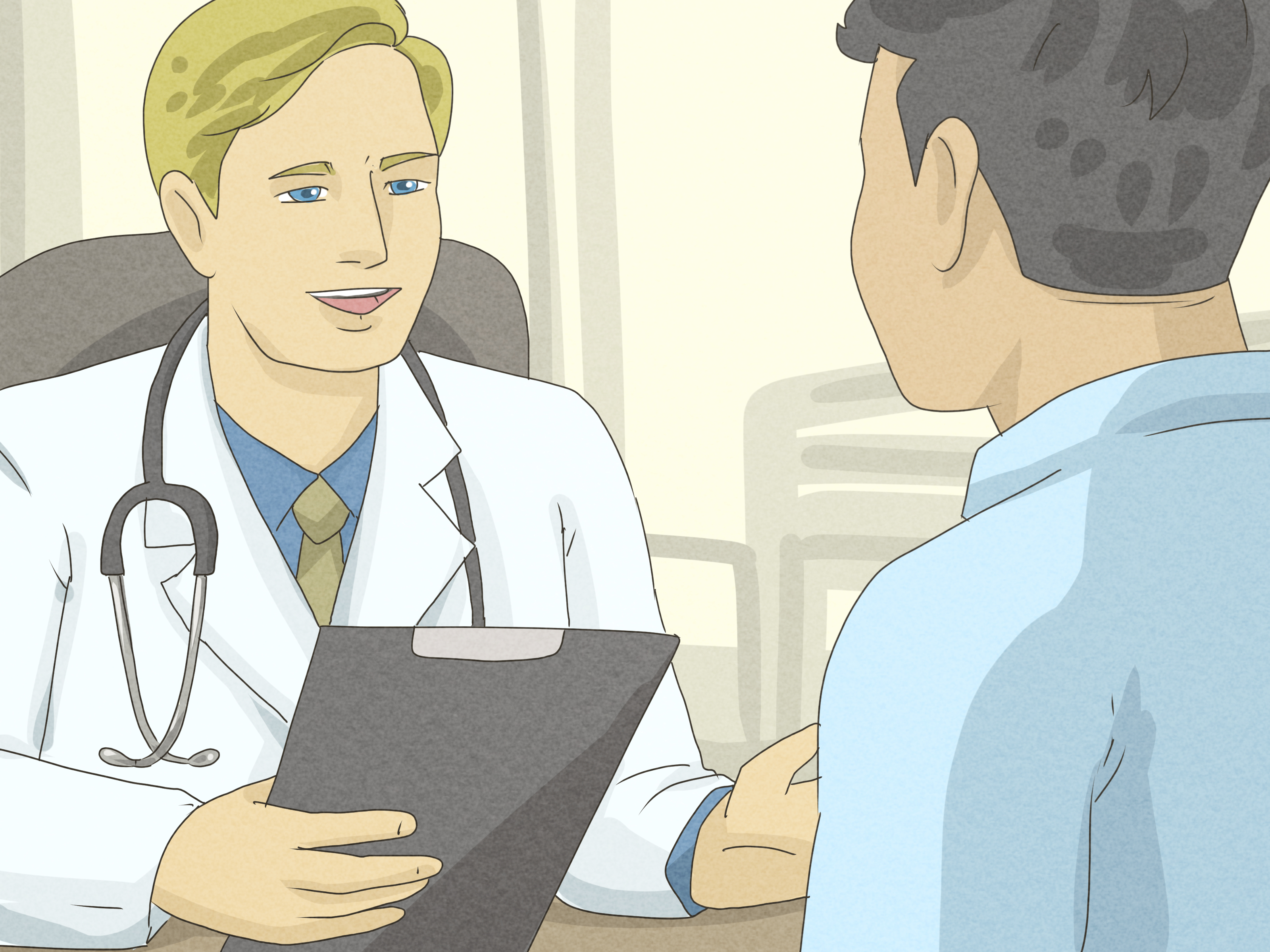
Patient harm is one of the hardest subjects in health care because it sits at the intersection of science, systems, emotion, ethics, and very human imperfection. Medicine can perform miracles, but it can also miss a lab result, overlook a symptom, confuse a medication, delay a diagnosis, or communicate in a way that leaves a patient feeling abandoned. When harm happens, the question is not only “What went wrong?” It is also “How do we respond like human beings?”
That is where humanism in health care becomes more than a warm phrase on a hospital poster. Humanism means seeing the patient as a person before seeing the case, the chart, the risk file, or the incident report. It means telling the truth, listening without defensiveness, apologizing when appropriate, supporting families, learning from mistakes, and caring for clinicians who may also be deeply affected. In other words, it is patient safety with a heartbeat.
Addressing patient harm well does not mean pretending harm is rare or rushing to assign blame. It means building a culture where transparency is normal, accountability is fair, and prevention is treated as a shared responsibility. A humane response cannot undo what happened, but it can prevent a second wound: silence, confusion, dismissal, or institutional coldness. Nobody wants compassion served with the personality of a fax machine.
What Patient Harm Really Means
Patient harm refers to physical, emotional, financial, or psychological injury that occurs during health care. Some harm is unavoidable because illness is complex and treatments carry risks. Other harm is preventable, such as wrong-site procedures, medication errors, hospital-acquired infections, communication failures, unsafe handoffs, delayed follow-up, or failures to recognize clinical deterioration.
One important distinction is between a poor outcome and a preventable adverse event. A patient with advanced disease may experience complications despite excellent care. But when harm results from a breakdown in communication, process, staffing, technology, training, judgment, or safety culture, health care organizations have an ethical duty to respond honestly and improve.
Common Types of Patient Harm
Patient harm can appear in many forms, including medication mistakes, falls, pressure injuries, surgical complications, diagnostic delays, infections, inadequate monitoring, unsafe discharge instructions, and lack of informed consent. Emotional harm also matters. A patient who is ignored, shamed, rushed, or left confused after an adverse event may carry mistrust long after the physical injury improves.
The humanistic view is simple: if the patient experienced harm, the response should not begin with “How do we protect ourselves?” It should begin with “What does this patient need right now?” That small shift changes everything.
Why Humanism Matters After Patient Harm
When something goes wrong, patients and families usually want clear answers. They want to know what happened, why it happened, what will be done now, and whether anyone is taking responsibility. They also want to be treated with dignity. A technical explanation without empathy may be accurate, but it can land like a refrigerator manual during a family crisis.
Humanism matters because harm is not only a clinical event. It is a relationship event. Trust is injured. The patient may wonder whether the care team is hiding something. Family members may replay conversations and decisions. Clinicians may feel guilt, fear, shame, anxiety, or grief. Leaders may worry about legal risk. In the middle of all this, the health care organization must choose between defensive silence and compassionate transparency.
The humane choice is not soft. It is disciplined. It requires preparation, communication skill, documentation, investigation, follow-up, and systems thinking. It asks health care teams to be honest without speculating, apologetic without making promises they cannot keep, and accountable without turning one person into the convenient villain of a complex system failure.
The First Response: Stabilize, Communicate, and Stay Present
The first priority after patient harm is clinical care. The team must stabilize the patient, treat the injury, prevent further harm, and ensure appropriate escalation. If the patient needs a specialist, transfer, monitoring, or urgent intervention, that comes first. Humanism is not a substitute for competence; it is how competence should behave in public.
After immediate safety needs are addressed, communication should happen quickly. Patients and families should not have to chase basic information like detectives in a hospital-themed mystery novel. A designated clinician or leader should explain what is known, what is not yet known, and what steps are being taken. The message should be clear, calm, and compassionate.
What to Say Early
An early conversation might include: “Something unexpected happened during your care. We are focused on treating you and understanding exactly what occurred. We are sorry this happened, and we will keep you informed as we learn more.” This type of statement avoids speculation while still acknowledging the seriousness of the moment.
The worst response is vague reassurance. “Everything is fine” is not helpful when everything is clearly not fine. Patients deserve honesty, even when the full investigation is not complete. A humanistic response makes room for uncertainty without hiding behind it.
Disclosure: Telling the Truth Without Turning the Conversation Into a Courtroom
Disclosure is the process of informing patients and families about an adverse event, including what is known, what harm occurred or may occur, what treatment is needed, and what will be done to prevent recurrence. It should be timely, understandable, and respectful.
Good disclosure is not a one-time speech. It is an ongoing conversation. Early details may change as the investigation develops. The organization should provide updates, correct misinformation, and invite questions. Patients should not be told, “We’ll get back to you,” and then experience the communication equivalent of entering a black hole.
The Elements of a Good Disclosure Conversation
A strong disclosure conversation usually includes several parts: acknowledgement of the event, expression of concern or apology, explanation of known facts, discussion of next steps in care, commitment to investigation, invitation for questions, and a plan for follow-up. The tone matters as much as the content. Patients can usually tell the difference between genuine concern and a script being performed by someone mentally checking boxes.
When an error is confirmed, patients deserve to hear that clearly. If the team does not yet know whether an error occurred, it can still say what is known and commit to finding answers. The goal is not to “win” the conversation. The goal is to preserve trust through honesty.
Apology and Accountability: Two Words Health Care Should Not Fear
Apology is often misunderstood. Some leaders fear that saying “I’m sorry” automatically creates liability. But from a human perspective, refusing to express sorrow after harm can feel cruel. There is a meaningful difference between “I’m sorry you are going through this” and “I am sorry our mistake caused this harm.” Both may be appropriate at different points, depending on what is known.
A sincere apology includes empathy, responsibility when warranted, and a commitment to action. It does not bury the patient under jargon. It does not blame the patient. It does not sound like it was assembled by a committee allergic to feelings.
What Accountability Looks Like
Accountability means identifying what happened, explaining it honestly, addressing the patient’s needs, supporting fair resolution, and changing systems to reduce the chance of recurrence. It does not mean blaming the nearest nurse, resident, pharmacist, or scheduler just because their name appears last in the timeline.
Humanistic accountability asks, “How did the system set people up to fail?” Maybe the medication screen was confusing. Maybe staffing was unsafe. Maybe handoff protocols were weak. Maybe a test result had no reliable follow-up process. Maybe the culture punished reporting, so small warnings were ignored until they became a large problem wearing a hospital bracelet.
Investigating Harm With a Systems Mindset
After patient harm, organizations should conduct a structured review. Root cause analysis and newer systems-based methods aim to identify contributing factors, not merely the final action before the event. A systems mindset recognizes that health care is complicated. People work under time pressure, interruptions, fatigue, imperfect technology, and competing priorities.
A serious investigation should include clinical facts, workflow issues, communication patterns, equipment, environment, staffing, policies, patient factors, and organizational culture. It should also include the patient and family perspective when possible. Patients often notice details that the system misses. They are not visitors to their own care story; they are central witnesses.
Questions a Humanistic Investigation Should Ask
Useful questions include: What was supposed to happen? What actually happened? Where did the process break down? What warning signs were missed? What made the safe action difficult? What made the unsafe action possible? How will we know the fix is working? These questions move the conversation from blame to learning.
The investigation should result in specific actions, not vague promises. “We will educate staff” may be necessary, but education alone is often too weak. Stronger improvements might include forcing functions, checklists, clearer ownership, medication barcoding, redesigned alerts, better staffing models, improved handoff tools, simulation training, or follow-up dashboards.
Communication and Resolution Programs: A Better Path Than “Deny and Defend”
Communication and resolution programs are designed to help organizations respond to harm with honesty, empathy, investigation, and fair resolution. The approach encourages early communication, ongoing disclosure, patient and family engagement, event analysis, prevention planning, and support for caregivers.
This model challenges the old habit of staying quiet and hoping the problem disappears. Spoiler alert: harm does not disappear when ignored. It grows roots. Patients become angrier, staff become more fearful, and organizations lose the chance to learn quickly.
A humane resolution may include medical treatment, explanation, apology, financial consideration when appropriate, practical support, and visible safety changes. Not every adverse outcome requires compensation, but every serious harm event deserves a thoughtful, respectful review.
Supporting the Patient and Family Beyond the First Conversation
Patients and families may need more than a clinical update. They may need help understanding medical records, arranging follow-up care, accessing counseling, managing bills, or speaking with patient relations. They may need a quiet room, a plain-language summary, or simply a person who returns calls when promised. Reliability is compassion with shoes on.
Organizations should identify one contact person for the family whenever possible. This prevents the classic problem of five departments giving six answers. A single contact can coordinate communication, schedule meetings, gather questions, and make sure the patient does not feel lost in the machinery of health care.
Respect Cultural, Language, and Emotional Needs
Humanistic care must also respect language access, cultural expectations, health literacy, disability needs, and family structure. A disclosure conversation should not be rushed through medical jargon in a language the patient barely understands. Professional interpreters, accessible documents, and plain language are not extras. They are patient safety tools.
Clinicians should also recognize that people process harm differently. Some families want every detail immediately. Others need time. Some are angry. Some are quiet. Some ask the same question several times because grief and shock make information hard to absorb. Patience is not optional in these moments.
Caring for Clinicians After Harm
Patient harm affects patients first, but clinicians can also be deeply wounded by adverse events. Many experience guilt, fear, insomnia, anxiety, loss of confidence, or isolation. This is sometimes called the “second victim” experience, though some prefer terms such as “clinician support after adverse events” because the patient remains the primary harmed person.
Supporting clinicians is not about shifting attention away from patients. It is about preventing silence, burnout, and future risk. A clinician who is emotionally shattered and unsupported may struggle to communicate well, participate in learning, or return safely to work. Compassion for staff and accountability to patients can coexist. In fact, they must.
What Clinician Support Can Include
Effective support may include peer support programs, confidential counseling, debriefing, schedule adjustments, mentoring, and training in disclosure conversations. Leaders should avoid public shaming and private abandonment. The message should be: “We will learn what happened, treat everyone fairly, and support you through the process.”
A just culture distinguishes human error, at-risk behavior, and reckless behavior. Human error calls for consolation and system redesign. At-risk behavior calls for coaching and safer incentives. Reckless behavior requires accountability. Treating every mistake as recklessness destroys reporting. Treating every reckless act as a system issue destroys trust. Humanism needs wisdom, not mushiness.
Preventing Future Harm: Turning Pain Into Improvement
The most meaningful apology is prevention. After a harm event, leaders should ensure that lessons become action. This means assigning owners, timelines, metrics, and follow-up. A beautifully written report that sits untouched in a digital folder is not patient safety; it is paperwork with ambition.
Prevention efforts should focus on high-risk areas: medication management, infection control, diagnostic follow-up, surgical safety, care transitions, communication during shift changes, alarm fatigue, patient identification, and escalation protocols. Patients should also be invited into prevention. Encouraging them to ask questions, review medications, speak up about changes, and understand discharge instructions can reduce risk.
Make Reporting Safe and Useful
Health care workers are more likely to report near misses and unsafe conditions when they believe reports will lead to learning rather than punishment. Reporting systems should be easy to use, responsive, and visibly connected to improvement. Staff should hear what changed because they spoke up. Otherwise, reporting feels like dropping a message into a well and hoping the well has a quality department.
Patient safety culture improves when leaders listen, act, and communicate. Frontline workers often know where the next harm event is hiding. They know which process is duct-taped together, which workaround has become normal, and which alarm everyone ignores because it cries wolf all day. Humanistic leadership asks for those truths before tragedy forces them into the open.
Practical Steps for Health Care Organizations
Addressing patient harm requires a repeatable process. First, ensure immediate patient safety. Second, notify appropriate leaders and document the event. Third, communicate early with the patient and family. Fourth, investigate with a systems lens. Fifth, disclose findings as they become clear. Sixth, offer apology and resolution when appropriate. Seventh, implement corrective actions. Eighth, support clinicians and staff. Ninth, measure whether the changes reduce risk.
This process should be trained, rehearsed, and supported. No one should be inventing a harm-response plan for the first time in the hallway after a serious event. Simulation can help clinicians practice difficult conversations. Policies can clarify who communicates, who investigates, who follows up, and how patient needs are addressed.
Practical Language That Helps
Useful phrases include: “I can see how upsetting this is.” “You deserve clear answers.” “Here is what we know right now.” “Here is what we are still investigating.” “We will meet again on this date.” “This should not have happened.” “We are sorry.” “Here is what we are changing.” These statements are plain, direct, and human.
Phrases to avoid include: “Mistakes happen,” “There is nothing more we can do,” “That is not my department,” “You signed the consent form,” or “At least it was not worse.” Even when technically true, such phrases can sound dismissive. In harm conversations, accuracy matters, but so does emotional intelligence.
Experiences and Real-World Reflections on Humanism in Patient Harm
In real health care settings, the difference between a harmful response and a healing response often comes down to presence. Consider a patient who receives the wrong dose of a medication and develops complications. The technical response may involve monitoring, reversal agents, lab tests, and reporting. All of that matters. But the human response begins when someone sits down, looks the patient in the eye, and says, “We are sorry this happened. We are going to explain what we know and stay with you through the next steps.”
Families remember whether clinicians were available. They remember whether anyone avoided them. They remember whether the explanation changed every time a new person entered the room. They remember tone. A compassionate five-minute conversation can reduce fear. A cold thirty-second update can make a family feel as if the institution is closing ranks.
Another common experience involves delayed diagnosis. A patient may have visited multiple times with symptoms that were minimized, only to later learn that a serious condition was missed. In these cases, humanism requires more than saying, “Diagnosis is difficult,” although that may be true. It requires curiosity about the patient’s lived experience. Did they feel heard? Were their concerns documented? Was follow-up clear? Did bias, rushed visits, or fragmented records play a role? Humanistic analysis includes both clinical reasoning and the patient’s story.
Clinicians also describe the emotional weight of harm. A nurse involved in a fall, a physician involved in a missed diagnosis, or a pharmacist involved in a medication error may replay the event repeatedly. Some become overly cautious. Some withdraw. Some fear being judged by colleagues. If the organization responds only with investigation and no support, it may unintentionally teach staff to hide vulnerability. That is dangerous because safety depends on honesty.
In healthier cultures, a peer supporter or leader reaches out early. The conversation is not about excusing the event. It is about helping the clinician function, tell the truth, and participate in learning. A simple statement such as “You are not alone, and we will work through this fairly” can keep a clinician from spiraling into isolation.
One lesson from patient harm work is that families often want to contribute to prevention. After the initial shock, many ask, “How will you make sure this does not happen to someone else?” Organizations should be ready to answer with specifics. A family may not need a thirty-page committee report, but they deserve more than a fog machine of vague improvement language. Saying “We changed the handoff checklist, added pharmacy verification, and will audit compliance weekly for three months” shows that the organization is taking the harm seriously.
Another lesson is that silence is rarely neutral. Leaders may think they are avoiding legal risk by limiting communication, but patients often interpret silence as indifference or concealment. Humanism does not require reckless statements or premature conclusions. It requires timely presence. Even saying, “We do not have the full answer yet, but we will return tomorrow at 10 a.m. with an update,” can protect trust.
Finally, humanism in addressing harm asks health care professionals to hold two truths at once: patients deserve accountability, and clinicians deserve fairness. A culture that blames everyone will hide mistakes. A culture that excuses everything will repeat them. The goal is a mature culture where truth is safe, learning is expected, and compassion is practical. That is how health care moves from “harm happened” to “healing continues.”
Conclusion
Humanism in health care is not sentimental decoration. It is a serious patient safety strategy. When patient harm occurs, organizations must respond with urgency, honesty, empathy, investigation, accountability, and prevention. Patients and families need clear communication, meaningful apology when appropriate, practical support, and evidence that the system is learning. Clinicians need fair review and emotional support so they can remain honest, capable, and engaged.
The best response to harm does not erase the event. It refuses to add silence, confusion, or abandonment to the injury. Humanistic health care says: we will tell the truth, we will care for you, we will learn, and we will change. That is how trust begins to heal.