Note: This article is for general cat-care education. If your cat suddenly starts scratching more than usual, seems anxious, limps, over-grooms, or damages surfaces obsessively, contact your veterinarian or a certified cat behavior professional.
Why Cats Scratch Carpet in the First Place
If your cat has turned your carpet into a personal shredding station, take a deep breath. Your cat is not plotting against your security deposit. Scratching is a completely normal feline behavior. Cats scratch to stretch their muscles, maintain their claws, mark territory with scent from their paw pads, release energy, and communicate, “This spot is mine, tiny human.”
The problem is not that your cat scratches. The problem is that your cat has chosen the carpet, rug, stairs, or hallway runner as the official scratch zone. Carpet is tempting because it grips claws nicely, stays in place, and often sits in socially important areas of the home. A hallway, doorway, bedroom entrance, or favorite lounging spot may feel like prime feline real estate.
The good news? You do not have to choose between loving your cat and keeping your floors intact. The best way to stop cats from scratching the carpet is to redirect the behavior, make the carpet less rewarding, and give your cat scratching surfaces that feel even better.
Stop Cats from Scratching the Carpet: 12 Easy and Effective Tips
1. Figure Out Your Cat’s Scratching Style
Before buying the fanciest cat tree on the internet, watch your cat. Does your cat scratch flat on the floor? Does your cat pull backward on the carpet near a doorway? Does your cat stretch upward on the side of a stair? The answer tells you what type of scratcher will work best.
Many carpet scratchers are horizontal scratchers. That means a tall post in the corner may not solve the issue. Your cat may prefer a flat cardboard scratch pad, sisal mat, low ramp scratcher, or sturdy horizontal scratching board. If your cat scratches carpet and ignores the vertical post, your cat is not being difficult. Your cat is simply saying, “Nice tower, but I ordered the floor model.”
2. Place Scratching Alternatives Right on the Problem Spot
Location matters. A scratching post hidden in the laundry room is like putting a gym in another zip code and wondering why nobody works out. Put the scratcher directly beside, over, or in front of the carpet area your cat already targets.
If your cat scratches the bedroom doorway, place a flat scratcher there. If your cat attacks the carpet beside the couch, place a sisal mat or cardboard scratcher next to that spot. Once your cat uses the new scratcher consistently, move it a few inches at a time toward a more convenient location. Slow relocation works better than suddenly moving the scratcher and expecting your cat to read your interior design memo.
3. Offer Several Textures, Not Just One
Cats can be picky about texture. Some love sisal. Others prefer cardboard. Some enjoy wood, woven grass, carpeted scratchers, or rough fabric. If your cat is scratching carpet, choose alternatives that mimic the satisfying pull of carpet but are clearly approved scratching zones.
Try at least two or three options: a flat cardboard pad, a sisal-covered board, and a sturdy ramp scratcher. Watch which one your cat chooses. The winner becomes your carpet-saving MVP. Avoid flimsy scratchers that slide around. If the scratcher shifts or tips during use, your cat may decide the carpet is safer, steadier, and far less dramatic.
4. Make the Carpet Temporarily Less Appealing
While you train your cat toward better scratching choices, make the carpet less fun to shred. Cover the problem area with a heavy rug protector, plastic carpet runner placed texture-side up, furniture, a washable mat, or a temporary barrier. The goal is not to scare your cat. The goal is to interrupt the habit loop.
Double-sided pet-safe tape can also help on certain surfaces, but test it first and avoid anything that could damage carpet fibers. Some cats dislike sticky textures under their paws and will move along to the scratcher. Others will look personally offended, which is fair, but effective.
5. Reward the Scratcher Like It Just Won a Trophy
Positive reinforcement is your best friend. When your cat uses the approved scratcher, immediately reward with praise, treats, play, or gentle petting if your cat enjoys it. Keep treats nearby so you can reward quickly. Timing matters because cats do not connect a treat five minutes later with the heroic scratching performance they delivered in the hallway.
You can also sprinkle catnip or silvervine on the scratcher if your cat responds to it. Not all cats care about catnip, and kittens may not react strongly. If your cat loves it, though, catnip can turn a boring scratch pad into the feline equivalent of a five-star resort.
6. Trim Your Cat’s Nails Regularly
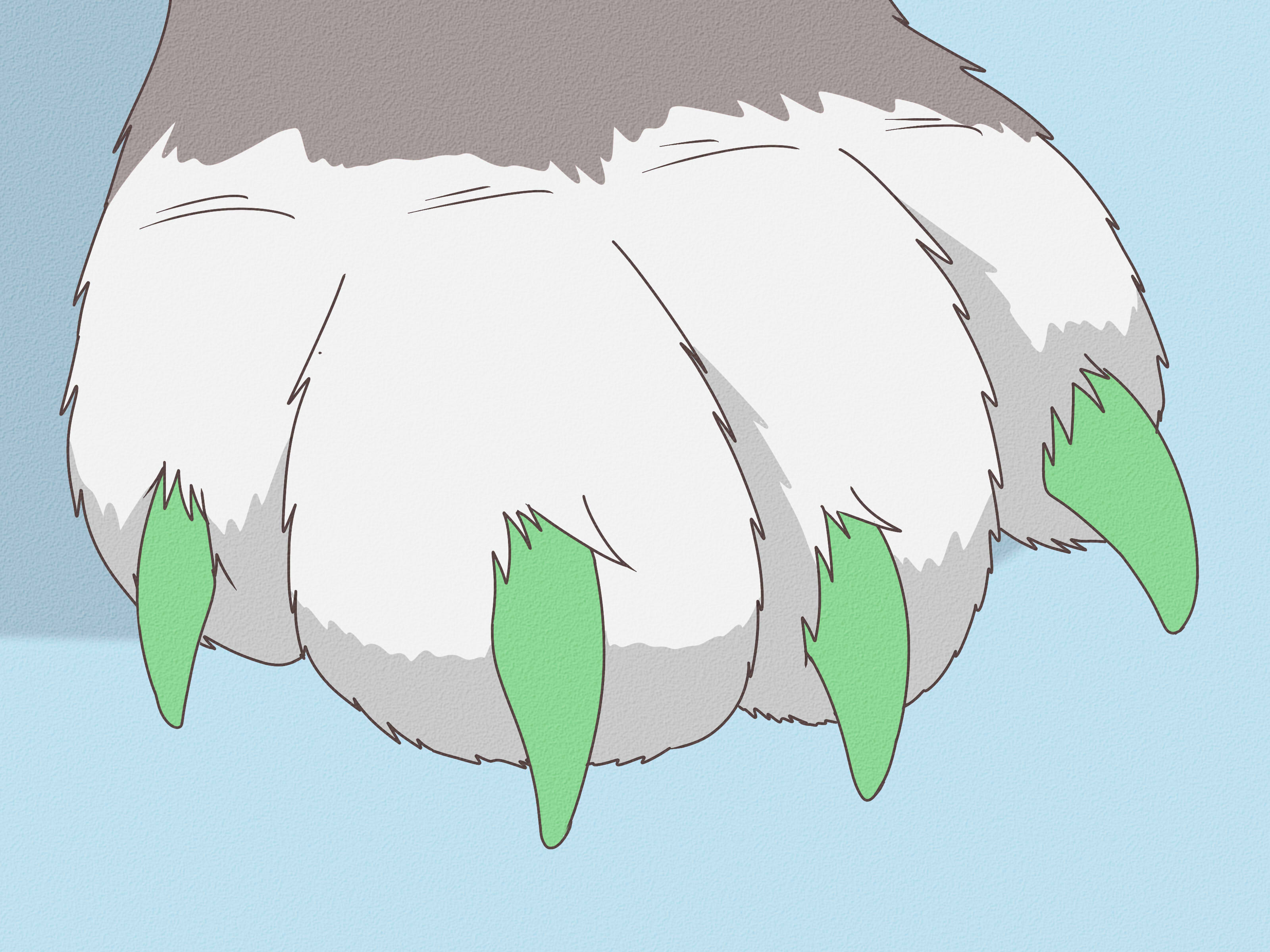
Regular nail trimming reduces carpet damage and makes scratching less destructive. Most indoor cats benefit from a trim every two to three weeks, though some need it more or less often. Use cat nail clippers, trim only the sharp tip, and avoid the pink quick inside the nail.
If your cat treats nail trimming like a major courtroom battle, go slowly. Touch one paw, reward. Press one toe gently, reward. Clip one nail, reward. You do not need to trim every claw in one session. One calm nail is better than ten dramatic nails and a cat who now distrusts your entire family line.
7. Try Soft Nail Caps for Heavy Scratchers
Soft nail caps can reduce damage while you work on training. These small plastic covers are glued over the cat’s claws and usually last several weeks as the nails grow and shed naturally. They do not stop the urge to scratch, but they can protect carpets, rugs, and furniture from sharp claw tips.
Nail caps are especially useful for cats who scratch intensely, households with delicate flooring, or situations where you need a damage-control bridge while retraining. If you are unsure how to apply them, ask your veterinarian or groomer for help.
8. Add More Scratching Stations Around the Home
One scratcher is rarely enough, especially in a multi-cat home. Cats like to scratch after waking up, during play, near social areas, and beside important pathways. Place scratchers near sleeping spots, windows, couches, doorways, and carpeted areas your cat targets.
For multiple cats, provide multiple scratching options so nobody has to negotiate claw rights. A simple rule: if there is a place your cat spends a lot of time, there should be an acceptable scratching surface nearby. Think of scratchers as furniture for cats, not clutter. Your cat has been tolerating your decorative pillows for years; it is only fair.
9. Increase Play and Enrichment
Some carpet scratching is fueled by boredom, pent-up energy, or stress. Indoor cats need daily opportunities to hunt, chase, climb, perch, hide, and explore. Add interactive play sessions with wand toys, feather teasers, rolling toys, puzzle feeders, window perches, and climbing spaces.
A tired, mentally satisfied cat is less likely to remodel the carpet. Aim for short play sessions every day, especially before meals or bedtime. Let your cat chase, stalk, pounce, and “catch” the toy. Ending with a small treat or meal can complete the natural hunt-eat-groom-sleep rhythm.
10. Clean and Neutralize Scent Markers
Scratching leaves both visible marks and scent signals. Even if you cannot smell anything, your cat can. If your cat repeatedly scratches the same carpet spot, clean it with a pet-safe cleaner according to the label directions. This may reduce the scent message that says, “Scratch here again tomorrow.”
Avoid harsh cleaners, strong fragrances, and essential oils, which can irritate cats or be unsafe. Choose cat-safe products and ventilate the room. After cleaning, place an approved scratcher directly over or beside the area so your cat has a better place to refresh their scent message.
11. Do Not Punish Your Cat for Scratching
Yelling, spraying water, chasing, or scaring your cat may stop the behavior in that exact moment, but it does not teach your cat what to do instead. Punishment can increase stress, damage trust, and make scratching happen when you are not around.
Instead, calmly interrupt and redirect. If your cat starts scratching the carpet, toss a toy away from the area or guide attention toward the scratcher. When your cat uses the correct surface, reward immediately. The message should be clear: carpet equals boring, scratcher equals jackpot.
12. Address Stress, Pain, or Sudden Behavior Changes
If your cat suddenly starts scratching carpet after years of ignoring it, look for changes. Did you move furniture? Add a new pet? Change litter? Bring home a baby? Start working different hours? Cats are sensitive to routine, scent, and territory. Scratching can increase when a cat feels insecure.
Also consider physical discomfort. Older cats, overweight cats, or cats with arthritis may prefer low horizontal surfaces because vertical stretching hurts. In that case, a flat scratcher may be more comfortable than a tall post. If the behavior is sudden, intense, or paired with hiding, aggression, appetite changes, or litter box problems, schedule a veterinary checkup.
Common Mistakes That Make Carpet Scratching Worse
Buying the Wrong Scratcher
A tiny lightweight scratcher may look cute online, but if it wobbles, slides, or tips, your cat will reject it. Choose scratchers large enough for a full stretch and sturdy enough to stay in place.
Putting the Scratcher Too Far Away
Your cat scratches where the behavior feels meaningful. Put the new scratcher where the old problem happens first. You can move it later after the habit changes.
Expecting Instant Results
Carpet scratching is a habit. Some cats switch quickly, while others need several weeks of consistent redirection. Stay patient. Cats are not slow learners; they are independent contractors.
Using Declawing as a “Solution”
Declawing is not a simple nail trim. It is a surgical procedure that removes part of the toe and can lead to pain or behavior issues. For carpet scratching, humane alternatives such as scratching posts, nail trims, nail caps, enrichment, and behavior support should come first.
Best Types of Scratchers for Carpet-Loving Cats
If your cat loves carpet, start with horizontal or angled scratchers. Flat cardboard pads are affordable and easy to replace. Sisal mats are durable and often satisfying for cats who like strong resistance. Ramp-style scratchers work well for cats who like to pull backward while stretching. Large scratching boards can be placed over damaged areas during training.
For stairs, consider stair-safe scratch pads or place a scratcher at the top and bottom of the staircase. For doorways, use a flat scratcher near the threshold. For rugs, move the rug temporarily, cover the edge, or place a more exciting scratch mat nearby.
A Simple 7-Day Carpet Scratching Reset Plan
Day 1: Observe
Write down when and where your cat scratches. Morning? After naps? Near doors? During zoomies? This tells you where to place scratchers and when to redirect.
Day 2: Add Better Scratchers
Place at least two new scratching surfaces near the problem areas. Choose one horizontal and one angled option if your cat prefers carpet.
Day 3: Block the Carpet
Cover the target spot with a temporary barrier while keeping the new scratcher nearby. Make the wrong choice inconvenient and the right choice obvious.
Day 4: Reward Every Win
Reward your cat every time they use the scratcher. Use treats, praise, play, or catnip depending on what motivates your cat.
Day 5: Trim Nails
Trim sharp tips or schedule help if needed. Even a small trim can reduce carpet damage.
Day 6: Add Play
Do two short interactive play sessions. A cat with a healthy outlet for energy is less likely to attack your flooring like it owes money.
Day 7: Adjust the Setup
Keep what works. Move unused scratchers to better locations, try a new texture, or add another option if your cat still prefers the carpet.
Real-Life Experiences: What Usually Works Best
In many homes, the carpet scratching problem starts small. A cat casually hooks one claw into the carpet near the bedroom door. The owner thinks, “That is adorable.” Three weeks later, the doorway looks like a tiny lawn mower had an emotional crisis. The biggest lesson from real-life cat households is that early redirection works better than waiting until the carpet becomes a beloved hobby.
One common experience is the “ignored scratching post” situation. The owner buys a tall, beautiful post and places it neatly in an unused corner. The cat continues scratching the carpet in the hallway. This does not mean the cat hates the post. It usually means the post is in the wrong location or has the wrong orientation. When the scratcher is moved directly beside the hallway damage, many cats suddenly understand the assignment.
Another familiar story involves cats who scratch right after waking. These cats often need scratchers near sleeping spots. A flat cardboard pad beside the cat bed or couch can prevent the dramatic wake-up stretch from becoming a carpet attack. Cats love routines, and scratching after sleep is one of their favorite little rituals. Give that ritual a legal destination.
Multi-cat homes bring their own comedy. One cat may claim the best scratcher, while another quietly destroys the carpet because the “good” scratcher is socially unavailable. Adding several scratchers in different rooms can solve the issue. Cats may share your Wi-Fi password in spirit, but they do not always want to share territory.
Some owners notice that the carpet scratching gets worse when guests visit, furniture moves, or a new pet arrives. In those cases, the scratching is not just about claws. It may be about scent and security. Adding familiar bedding, keeping routines steady, using cat-safe pheromone products, and providing hiding spots can help the cat feel less pressure to mark the carpet.
There is also the “texture breakthrough.” A cat may ignore sisal rope but love corrugated cardboard. Another may reject cardboard but adore a rough sisal mat. The best scratcher is not the one with the most five-star reviews. It is the one your cat actually uses. Testing textures saves time, money, and flooring.
Finally, successful owners tend to combine strategies instead of relying on one magic fix. They block the carpet, place better scratchers nearby, reward good choices, trim nails, and increase play. Each step helps a little. Together, they turn a frustrating habit into a manageable routine. Carpet scratching usually improves when the home makes the right behavior easy, satisfying, and worth repeating.
Conclusion
To stop cats from scratching the carpet, do not try to eliminate scratching. Redirect it. Scratching is healthy, natural, and important for your cat’s body and confidence. Your job is to make approved scratching surfaces more attractive than the carpet.
Start by identifying your cat’s preferred scratching style. Add sturdy horizontal, angled, or vertical scratchers where the damage happens. Temporarily block the carpet, reward the correct behavior, trim nails, increase enrichment, and reduce stress. With patience and the right setup, your cat can keep scratching like a normal happy feline while your carpet survives to see another day.