Walk through a grocery store during cold and flu season, and nearly every brightly colored bottle, powdered drink mix, and suspiciously cheerful wellness shot seems to promise a “stronger” immune system. Apparently, immunity has become something you can upgrade between the checkout line and the parking lot.
The truth is less flashy but far more useful. No single food can instantly supercharge immunity, prevent every infection, or turn your white blood cells into tiny action heroes. The immune system is a complicated network of organs, cells, proteins, and chemical signals. It depends on consistent access to protein, vitamins, minerals, healthy fats, fiber, and sufficient energynot one heroic spoonful of elderberry syrup.
Foods commonly described as immune-boosting foods are better understood as foods that support normal immune function. Berries supply vitamin C, fiber, and colorful plant compounds. Oysters are exceptionally rich in zinc and provide protein, vitamin B12, selenium, and omega-3 fats. Vegetables, beans, fish, yogurt, nuts, seeds, and whole grains contribute additional nutrients that help the immune system perform its daily work.
What Does the Immune System Need From Food?
The immune system is always working, even when you feel perfectly healthy. It maintains physical barriers such as the skin and intestinal lining, produces immune cells and antibodies, monitors tissues, and coordinates responses when harmful organisms appear.
That workload requires a surprisingly large nutritional support staff. Protein provides amino acids used to build antibodies and immune-related proteins. Vitamin C contributes to antioxidant protection and several immune-cell functions. Zinc is involved in immune-cell development and communication. Vitamins A, D, E, B6, and B12 also play specialized roles, while folate, iron, copper, and selenium support processes ranging from cell division to antioxidant defense.
A deficiency can interfere with normal immune responses. However, taking more than the body needs does not necessarily produce a stronger response. In fact, excessive amounts of certain vitamins and minerals can be harmful. The most dependable approach is to eat a varied, nutrient-dense diet and use supplements only when they are appropriate for your individual needs.
Berries: Small Fruits With a Colorful Nutrient Profile
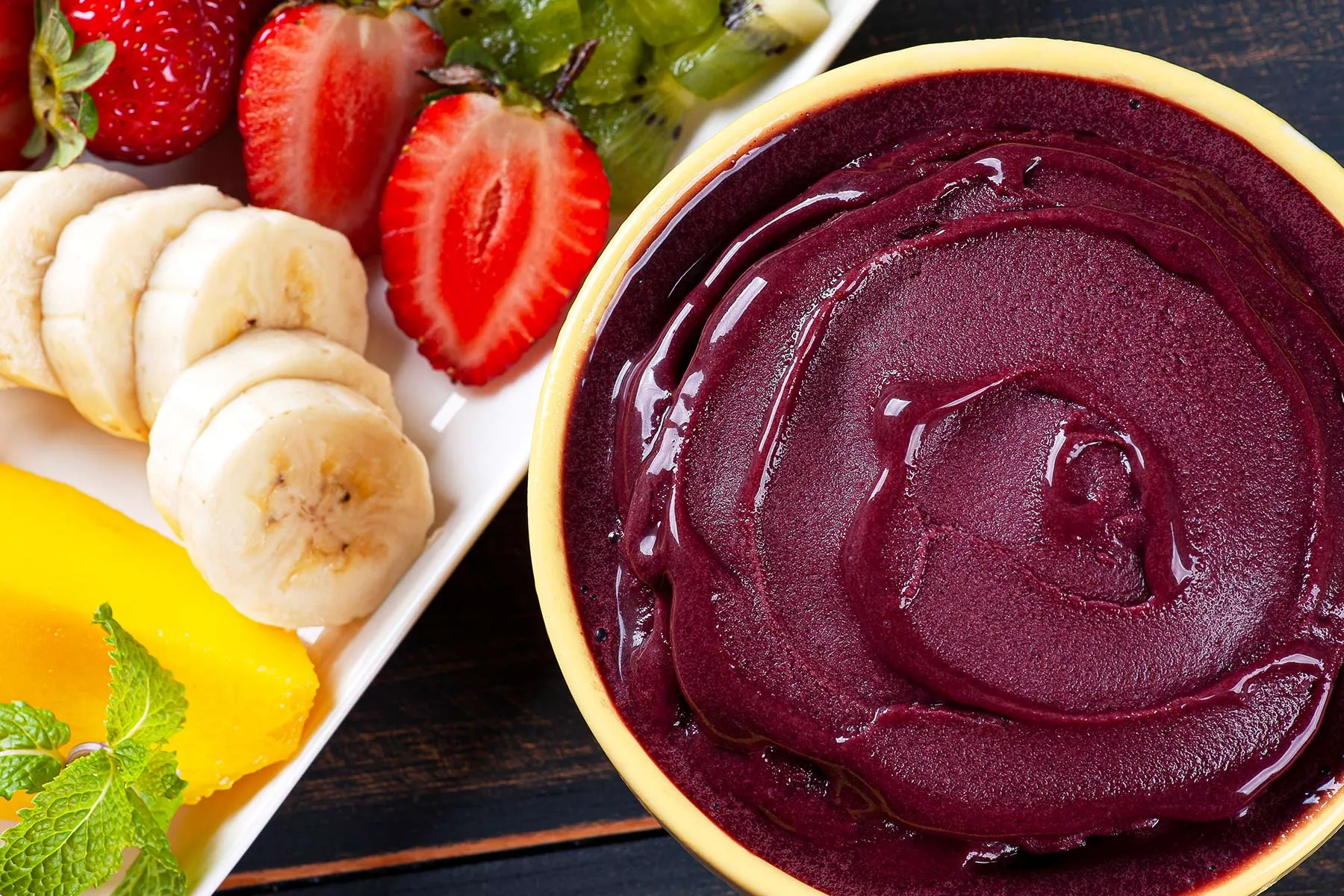
Berries may be tiny, but they arrive with impressive résumés. Strawberries, raspberries, blackberries, and blueberries provide different combinations of vitamin C, fiber, manganese, and phytochemicals. Their red, blue, and purple pigments come from plant compounds such as anthocyanins.
Vitamin C and Immune Function
Vitamin C supports several parts of the innate and adaptive immune systems. It also acts as an antioxidant and helps the body absorb iron from plant-based foods. Strawberries are an especially useful berry source of vitamin C, while raspberries, blackberries, and blueberries add fiber and a broad assortment of plant compounds.
Vitamin C does not guarantee that you will avoid a cold. Meeting your nutritional needs simply helps prevent inadequate intake from becoming another obstacle for the immune system. Berries are one pleasant way to do that, particularly for anyone who considers peeling an orange before breakfast an unreasonable amount of manual labor.
Why Whole Berries Usually Beat Berry-Flavored Products
Whole berries provide fiber along with their vitamins and phytochemicals. Berry-flavored candy, pastries, sweetened yogurt, and bottled beverages may contain plenty of sugar while offering surprisingly little fruit. A blueberry muffin can technically contain blueberries, but it is still primarily a muffin wearing a health-related disguise.
Fresh and frozen berries are both practical choices. Frozen fruit is harvested for storage, lasts longer, and can be added directly to smoothies, oatmeal, or plain yogurt. Unsweetened frozen berries are especially convenient when fresh berries are expensive or out of season.
Oysters: A Zinc-Rich Seafood Choice
Oysters might not be the first food people imagine when discussing immune health, but nutritionally they deserve attention. They are among the richest natural food sources of zinc, a mineral required for the activity of numerous enzymes and for normal immune function.
Zinc helps support immune-cell development, wound healing, protein synthesis, and DNA synthesis. The body does not maintain a large dedicated zinc storage system, so regular dietary intake matters. Oysters also contain protein, vitamin B12, selenium, iron, and omega-3 fatty acids, making them considerably more accomplished than their appearance suggests.
Cooked Oysters Are the Safer Option
The nutritional benefits of oysters do not make raw shellfish risk-free. Raw oysters can carry Vibrio bacteria, norovirus, and other harmful organisms. Contamination cannot always be detected by appearance, taste, or smell.
People with weakened immune systems or certain chronic health conditions can become seriously ill from contaminated raw shellfish. Thorough cooking is the safer choice, particularly for higher-risk individuals. Lemon juice, hot sauce, and alcohol do not reliably kill dangerous microorganisms, regardless of how confident the person at the raw bar sounds.
Alternatives for People Who Do Not Eat Oysters
You do not have to develop a sudden passion for shellfish to obtain zinc. Beef, poultry, crab, dairy products, beans, lentils, tofu, nuts, seeds, and fortified cereals also contribute zinc. Zinc from animal foods is generally absorbed more efficiently, while soaking beans and lentils and eating a varied diet can help people following plant-based eating patterns meet their needs.
Colorful Vegetables: The Immune-Supporting Produce Department
Vegetables contribute vitamins, minerals, fiber, and thousands of naturally occurring plant compounds. Instead of searching for one supposedly superior vegetable, aim for variety. Different colors often represent different nutrient profiles.
Red and Yellow Bell Peppers
Bell peppers are excellent sources of vitamin C and can be eaten raw or lightly cooked. Add sliced peppers to salads, omelets, tacos, stir-fries, or hummus plates. They deliver crunch without requiring the emotional commitment of eating another plain celery stick.
Carrots, Sweet Potatoes, and Winter Squash
Orange vegetables contain carotenoids, including beta-carotene, which the body can convert into vitamin A. Vitamin A helps maintain tissues that form protective barriers, including the skin and the linings of the respiratory and digestive tracts.
Leafy Greens and Cruciferous Vegetables
Spinach, kale, collard greens, broccoli, Brussels sprouts, and cabbage supply folate, vitamin C, vitamin K, carotenoids, and fiber. These vegetables do not need to be served as a joyless mountain of steamed leaves. Roast broccoli until its edges brown, massage kale with olive oil and lemon, or add spinach to soup during the final minutes of cooking.
Fatty Fish and Other Sources of Healthy Fats
Salmon, sardines, trout, herring, and mackerel provide protein, vitamin D, and long-chain omega-3 fatty acids. Oysters and mussels also contain omega-3s. These fats participate in cell-membrane structure and help the body regulate inflammatory processes.
Nuts, seeds, avocado, and unsaturated plant oils contribute additional healthy fats. Almonds and sunflower seeds also supply vitamin E, a fat-soluble antioxidant involved in immune function. Walnuts, chia seeds, and ground flaxseed provide alpha-linolenic acid, a plant-based omega-3 fat.
A useful pattern is to eat seafood regularly while rotating plant-based fat sources throughout the week. This provides nutritional variety and is considerably more interesting than trying to remember whether an enormous bottle of fish-oil capsules has expired.
Yogurt, Kefir, and the Gut-Immune Connection
A significant amount of immune activity occurs around the digestive tract, where the body must interact with food components, beneficial microbes, and potential pathogens. A varied diet containing fiber helps nourish the intestinal microbial community.
Yogurt and kefir with live cultures can introduce certain microorganisms into the diet. Fermented foods such as kimchi, sauerkraut, and miso may also contribute to dietary variety, although not every fermented product contains live probiotics by the time it is eaten.
Probiotic effects are strain-specific, and research results are not uniform. A particular organism studied for one condition should not be assumed to produce every health benefit advertised on another product. People who are severely ill or immunocompromised should discuss probiotic products with a clinician because they may face a greater risk of adverse effects.
Beans, Lentils, and Whole Grains
Immune-supporting foods do not have to arrive in expensive packages with metallic lettering. Beans and lentils provide protein, iron, zinc, folate, and fermentable fiber. Whole grains such as oats, barley, brown rice, quinoa, and whole wheat contribute B vitamins, minerals, and fiber.
Combining legumes with vitamin C-rich produce can improve absorption of non-heme iron. Try black beans with tomato salsa, lentil soup with bell peppers, chickpeas with lemon, or oatmeal topped with strawberries.
Canned beans are perfectly respectable. Drain and rinse them to reduce sodium, then add them to soups, salads, tacos, grain bowls, or pasta sauce. Nutrition does not become morally superior because someone remembered to soak dried beans overnight.
Garlic, Ginger, and Spices: Flavor First, Hype Second
Garlic, ginger, turmeric, cinnamon, and other spices contain biologically active compounds, and researchers continue to study their potential health effects. They can also make vegetables, beans, seafood, and whole grains far more appealing, which is an immediate and practical benefit.
However, sprinkling turmeric on one meal or swallowing raw garlic cloves is not a substitute for a balanced diet. Evidence from laboratory or animal studies cannot always be translated directly into a guaranteed benefit for humans. Use herbs and spices generously for flavor, but be skeptical of claims that a single ingredient “detoxes,” “resets,” or “hacks” the immune system.
How to Build an Immune-Supporting Plate
A useful plate does not require a spreadsheet. Start with vegetables and fruit, add a satisfying source of protein, include a whole grain or other fiber-rich carbohydrate, and finish with a source of unsaturated fat.
Simple Meal Ideas
- Breakfast: Plain yogurt with frozen berries, oats, walnuts, and cinnamon.
- Lunch: Lentil soup with spinach, tomatoes, carrots, and whole-grain bread.
- Dinner: Baked salmon with roasted sweet potatoes and broccoli.
- Seafood option: Cooked oysters with brown rice, sautéed greens, and bell peppers.
- Plant-based dinner: Tofu and vegetable stir-fry with mushrooms, garlic, and quinoa.
- Snack: Strawberries with pumpkin seeds or sliced peppers with hummus.
This overall pattern matters more than whether each meal contains a trendy “superfood.” Public-health and nutrition organizations consistently recommend eating patterns centered on vegetables, whole fruits, whole grains, legumes, nuts, and appropriate protein sources while limiting heavily processed foods, excess added sugar, and excessive saturated fat.
Common Mistakes to Avoid
Relying on One Food
Eating blueberries every morning does not cancel a diet otherwise dominated by sugary drinks, refined snacks, and fast food. Immune health depends on overall dietary adequacy and lifestyle habits.
Taking High-Dose Supplements Without Guidance
Large supplement doses can cause side effects or interact with medications. Too much zinc, for example, can interfere with copper status. Fat-soluble vitamins can accumulate in the body. Supplements may be useful when a deficiency is diagnosed or intake is inadequate, but more is not automatically better.
Ignoring Protein and Total Energy
Someone can eat plenty of produce and still fall short on protein or calories. Older adults, people recovering from illness, and individuals with limited appetites may need special attention to nutrient density. Eggs, fish, poultry, dairy, tofu, beans, lentils, nuts, and seeds can help make meals more complete.
Forgetting the Rest of the Lifestyle
Food is one part of immune health. Adequate sleep, physical activity, stress management, vaccination, hand hygiene, and avoiding tobacco also matter. A spinach smoothie cannot negotiate with three hours of sleep and a pack of cigarettes.
A Realistic Week of Eating for Immune Support
The most useful experience with immune-supporting foods is not an extreme cleanse or a refrigerator filled entirely with purple produce. It is discovering how easily ordinary foods can fit into ordinary days.
Imagine beginning on Monday with oatmeal, frozen blueberries, and walnuts. The berries thaw from the heat of the oats, so no elaborate recipe is required. At lunch, leftover lentil soup provides protein, iron, folate, and fiber. Dinner is baked chicken, brown rice, and roasted broccoli. Nothing on the menu is exotic, yet the day includes several nutrients involved in immune function.
On Tuesday, plain yogurt becomes breakfast with sliced strawberries and pumpkin seeds. Someone accustomed to heavily sweetened yogurt may initially find the flavor sharp. Adding ripe fruit, cinnamon, or a small drizzle of honey can make the transition easier without turning breakfast into dessert wearing a probiotic name tag.
Wednesday might be the experimental seafood day. Cooked oysters can be grilled, baked, or added to a stew. Their briny flavor pairs well with garlic, tomatoes, herbs, and whole grains. People who dislike oysters can choose salmon, shrimp, eggs, tofu, or beans instead. The lesson is not that everyone must eat a particular food; it is that nutrient needs can be met through different combinations.
By Thursday, convenience becomes important. A hectic schedule can make nutrition advice feel as practical as learning calligraphy during a fire drill. This is where frozen vegetables, canned beans, prewashed greens, canned salmon, and microwaveable whole grains earn their shelf space. A chickpea bowl with spinach, chopped peppers, olive oil, and lemon can be assembled in minutes.
Friday may bring restaurant food. Rather than hunting for an entrée labeled “immune boosting,” choose a balanced meal: grilled fish or another protein, vegetables, and a fiber-rich side. The immune system does not read menu buzzwords. It responds to the nutrients that eventually arrive.
Over the weekend, preparation makes the next week easier. Wash berries, roast a tray of vegetables, cook a pot of quinoa, and portion nuts into small containers. A large batch of bean chili can cover several lunches. This kind of preparation is not glamorous, but neither is staring into the refrigerator at 8:30 p.m. and deciding that mustard counts as a vegetable.
After a week, the most noticeable change may not be some dramatic feeling of “boosted immunity.” More likely, meals feel steadier, digestion benefits from additional fiber, and fewer decisions are left to the last minute. That is the practical value of an immune-supporting eating pattern: it creates consistent access to nutrients without requiring perfection, fear, or expensive wellness products.
Conclusion
Berries, oysters, leafy greens, bell peppers, fish, yogurt, beans, nuts, seeds, and whole grains can all contribute to normal immune function. Each offers a different nutritional advantage, from vitamin C and zinc to protein, fiber, vitamin E, selenium, and healthy fats.
The strongest strategy is variety. Eat produce in several colors, rotate protein sources, include fiber-rich foods, and choose minimally processed options most of the time. Enjoy oysters thoroughly cooked, approach supplements cautiously, and remember that no ingredient can single-handedly prevent illness.
A well-supported immune system is not built during one emergency grocery trip. It is nourished meal by meal through habits that are balanced, enjoyable, safe, and realistic enough to repeat.
Editorial note: This educational article was synthesized from current nutrition and food-safety guidance published by the National Institutes of Health Office of Dietary Supplements, USDA FoodData Central, Centers for Disease Control and Prevention, Harvard T.H. Chan School of Public Health, Cleveland Clinic, Johns Hopkins Medicine, the Academy of Nutrition and Dietetics, MD Anderson Cancer Center, the U.S. Food and Drug Administration, the American Heart Association, the National Center for Complementary and Integrative Health, the American Cancer Society, and the National Library of Medicine. It is not a substitute for individualized medical or dietary advice.