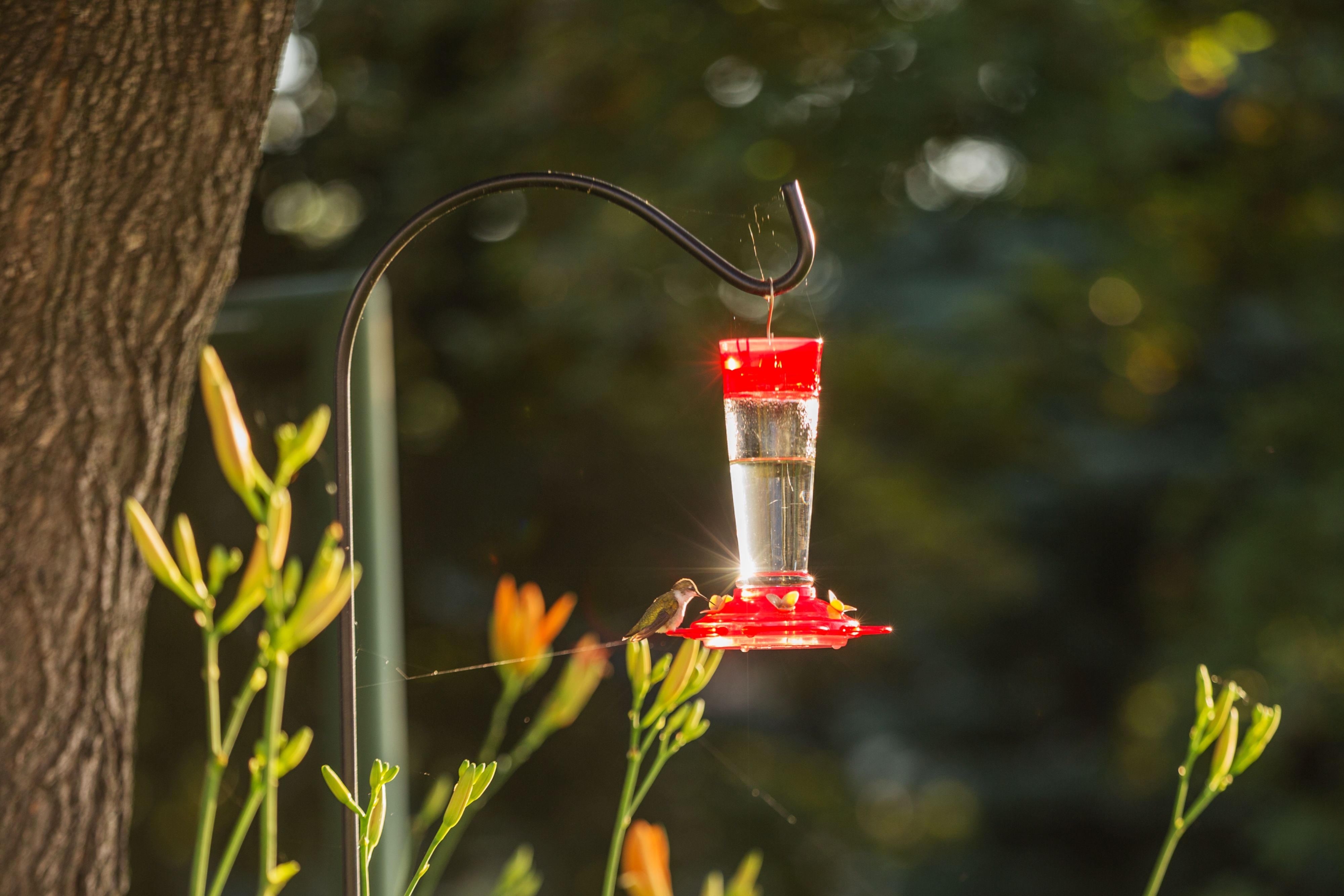
Winter shows up, your garden goes quiet, and suddenly your hummingbird feeder feels like a tiny neon diner on a deserted highway:
Should I close up shop… or keep the “Open” sign on?
The best answer is delightfully undramatic: it depends on where you live, whether hummingbirds can realistically overwinter in your area,
and (big one) whether you’re willing to maintain the feeder responsibly when temperatures drop. Leave it out only if you can keep
nectar fresh, the feeder clean, and the food accessible (not frozen solid). Otherwise, take it down, clean it thoroughly, and focus on habitat-friendly
yard choices until spring.
The winter feeder dilemma in one sentence
In mild-winter regions, leaving your hummingbird feeder out can help overwintering birds; in colder regions, leaving it out through late fall
(and even early winter) can help late migrantsbut once you’re confident they’re gone, it’s fine to take it down.
First, let’s bust the biggest myth: “If I keep feeding them, they won’t migrate.”
This rumor has nine lives and a social media account, but it doesn’t hold up. Hummingbirds don’t decide to migrate because your neighbor put away
their feeder. Migration is primarily triggered by seasonal cues (like changing daylight), hormones, and food availability in the landscapenot by one
backyard buffet.
Bird experts and conservation groups routinely reassure people: keeping a feeder up does not “trap” hummingbirds in winter.
If conditions are right for them to leave, they’ll leave. If conditions are right for them to stay (or if a “vagrant” bird shows up out of season),
a feeder can be a lifesaving pit stop.
So… take it down or leave it out? Use this simple decision framework
1) Your winter climate and region matter (a lot)
In parts of the U.S. with milder wintersthink coastal West Coast areas, parts of the Southwest, Gulf Coast, Florida, and pockets of the Southeast
some hummingbirds may overwinter. In those places, a feeder can be a reliable supplemental food source when flowers are scarce.
In much colder areas where winter is a long, frozen spreadsheet of regret, most hummingbirds migrate out. But that doesn’t mean you should yank the
feeder the moment pumpkin spice hits the shelves. Leaving it out later into the season can help late migrants and unexpected visitors refuel.
2) The “commitment level” test
A winter feeder is not a “set it and forget it” decoration. If you leave it out, you’re basically opening a tiny restaurant, and health inspectors
(a.k.a. microbes) are always watching.
- If you can clean and refresh regularly: leaving it out can be beneficial in the right regions and seasons.
- If you can’t maintain it: it’s safer to take it down and focus on native plants and water sources when appropriate.
3) Your goal: help birds, not just host a sugar-water science experiment
Spoiled nectar can ferment or grow harmful microbes. Dirty feeders have been linked to illnesses (including fungal infections) that can seriously harm
hummingbirds. In other words, the risk isn’t “leaving the feeder up.” The risk is leaving it up dirty.
When leaving it out is the better choice
Leaving a hummingbird feeder out in winter is often a smart choice if:
- You’re in a mild-winter area where hummingbirds may overwinter (or winter hummingbirds are increasingly reported).
- You still see hummingbirds regularlyeven if it’s only one persistent little visitor who acts like it pays rent.
- You want to support late migrants and the occasional out-of-range visitor passing through after the “usual” season.
- You can prevent freezing or at least keep nectar available during key feeding times.
In some places, birders keep feeders up year-round specifically because rare winter sightings often happen at feeders that stay available. That’s not
“forcing” birds to stayit’s simply offering an emergency gas station when nature’s pumps are closed.
When taking it down is the better choice
Taking down your hummingbird feeder in winter is usually best if:
- You’ve had no hummingbird visits for a few weeks and your region typically doesn’t host wintering hummingbirds.
- Your mention of “winter” includes phrases like “ice storm,” “polar vortex,” or “my eyelashes froze.”
- You can’t keep nectar fresh or don’t have the time to clean regularly.
- The feeder is freezing solid daily and you’re not able to swap/heat it so birds can actually drink.
A common practical guideline: once you’re confident hummingbirds have moved on, you can take the feeder down, clean it thoroughly, and store it.
Many birding resources suggest waiting around two weeks after your last hummingbird sighting before you pack it upespecially in colder
regionsso late travelers still have a fueling option.
The winter hummingbird feeder rulebook (the kind you’ll actually follow)
Rule #1: Use the right nectar recipe (no “secret ingredients”)
The standard homemade nectar is beautifully boring: 1 part white granulated sugar to 4 parts water. That’s it. No honey, no brown sugar,
no agave, no artificial sweeteners, and no red dye. Many experts warn that substitutes can be harmful or promote microbial growth.
Practical tip: If you’re making a batch, dissolve sugar fully (many people use hot water to speed dissolving), cool it, fill the feeder, and refrigerate
extra for later. If your tap water is safe to drink, it’s generally fine for nectar.
What about “winter nectar” that’s stronger?
The safest baseline is to stick with 1:4 year-round. Some experts say that during cold, rainy periods you can bump it slightly to
1 part sugar to 3 parts water for extra calories per sip, but keep it modest and temporaryand don’t go beyond that. If you’re unsure,
staying with 1:4 is the most widely recommended approach.
Rule #2: Clean it like you’re serving a tiny VIP with a fragile immune system (because you are)
Sugar water spoils. How fast depends on temperature and sun exposure. In hot weather, it can spoil quickly; in colder weather, it lasts longerbut
“longer” is not the same as “forever.” Winter feeding still requires maintenance.
- Cool weather: clean and refresh every few days, especially if temps bounce up during the day.
- Warm spells: treat it like warm weatherclean more often.
- Consistently cold winter conditions: nectar may stay fresh longer, but plan on at least weekly cleaning, and more if it looks cloudy.
Cleaning basics: disassemble, scrub with hot water and a brush, rinse thoroughly, and let it dry. Avoid leaving soap residue. If you see mold or smell
anything “off,” step up your cleaning (many birding guides mention vinegar-water or hydrogen peroxide approachesalways rinse well afterward).
Rule #3: Keep it from freezing (or at least keep it drinkable when birds need it most)
A feeder full of frozen nectar is basically a backyard ornament shaped like disappointment. If freezing is common where you live, use one (or a mix) of
these strategies:
- Bring it in overnight and put it back out at first light (or when birds typically feed).
- Use two feeders and rotate: one outside, one warming indoors.
- Use a feeder heater designed for hummingbird feeders if freezing is frequent.
- Place it strategically: near cover, out of wind, and not in deep shade all day.
- Don’t overfill in winteruse smaller amounts so you can refresh without wasting nectar.
Rule #4: Put safety ahead of “the perfect view”
Winter makes birds hungry, but it also makes predators opportunistic. Hang feeders near shrubs or trees that provide perches and quick shelter, but avoid
placing them where a cat can ambush easily. Also avoid placing feeders too close to windowsglass collisions can injure or kill birds.
If you use multiple feeders, space them out. Hummingbirds can be territorial, and spreading feeders reduces “tiny dragon” drama in your yard.
What if you see a hummingbird in the dead of winter?
First: don’t panic. Hummingbirds are tougher than they look. Some species and individuals can tolerate cold conditions, especially if they can find food.
In recent years, winter sightings in unexpected places have become more common in some regions.
If you have an active winter visitor:
- Keep nectar available and fresh. A consistent food source matters more in winter.
- Prioritize cleanliness. Winter is not a break from maintenance.
- Prevent freezing. If the feeder freezes daily, rotate or use a heater.
- Provide shelter options. Dense shrubs and windbreaks help birds conserve energy.
If a bird appears injured or unable to feed, contact a licensed wildlife rehabilitator in your area rather than trying to handle it yourself.
Best practice timing: a simple seasonal timeline
Fall
Keep the feeder up as long as hummingbirds are visiting. Even after the “regulars” disappear, leaving it up a bit longer can help late migrants and
unexpected visitors. Just keep it cleaneven if nectar goes untouched.
Early winter
In cold regions: if you haven’t seen a hummingbird for a few weeks, you can take it down. In mild regions or areas with winter hummingbirds: keep it
available, but adjust for freezing risk and shorten refill amounts so nectar stays fresh.
Late winter into spring
Get ready early. Many hummingbird keepers put feeders out before the first arrivals, especially along southern routes where birds return earlier. A clean,
ready feeder can help early migrants refuel after long flights.
If you don’t want to feed in winter, here’s how to still help hummingbirds
Feeders are only one tool. You can support hummingbirds year-round by improving habitat:
- Plant native nectar plants so natural food sources exist beyond sugar water.
- Support insects (hummingbirds eat tiny insects for protein) by avoiding broad pesticides.
- Provide water (a gentle mister or clean shallow source can help in warmer seasons).
- Offer shelter with shrubs, small trees, and layered plantings.
The verdict: what most people should do
If you live in a mild-winter region where hummingbirds may overwinter, leave the feeder outand commit to keeping it clean, fresh, and
drinkable. If you live in a colder region, leave it out through late fall and even early winter to help late migrants, then take it down
after a few weeks of no activity. Either way, the “right” choice isn’t about the calendar date. It’s about your local conditions and your ability to
maintain the feeder responsibly.
Think of it this way emphasizing the true goal: don’t feed hummingbirds to make them stayfeed them to help them thrive.
If your feeder can do that safely in winter, keep it up. If it can’t, pack it up and plan for a hummingbird-friendly spring.
Real-world experiences from backyard birders (about )
People who keep hummingbird feeders up in winter tend to describe the season in one of two ways: either it’s “quiet and easy” or it’s “a part-time job
that pays in joy.” Which experience you get usually depends on temperature swings and whether freezing is a daily event.
Experience #1: The mild-winter neighborhood where the feeder becomes a routine
In coastal or southern areas, birders often report that winter feeding feels surprisingly normaljust slower. The feeder doesn’t empty as fast, and the
hummingbirds may show up in short bursts rather than constantly. Many people switch to smaller fills (“just enough for a day or two”) so the nectar stays
fresh and they can clean on schedule without dumping a lot of unused sugar water. The funniest common observation: once you keep a winter feeder going,
your hummingbird starts acting like it owns the place. It may perch nearby and stare at you through the window as if it’s checking whether you’ve renewed
your restaurant license.
Experience #2: The freezing-climate strategyswap, don’t suffer
In colder regions, the most successful winter-feeder folks almost always mention the “two-feeder swap.” They’ll bring one feeder inside overnight and put
out a second one at dawnthen rotate again later if temperatures stay below freezing. People who try to brute-force it with one feeder often give up after
realizing a frozen feeder is basically a decorative ice sculpture. The swap strategy also makes cleaning easier because the feeder is already indoors when
it’s time to scrub it.
Experience #3: The surprise December visitor and the sudden scramble
A common story goes like this: someone takes down their feeder in fall, and then a hummingbird appears in early winter like an unexpected houseguest.
Birders who’ve had this happen often say they felt guilty for about six secondsthen immediately turned into a hummingbird support crew. They cleaned the
feeder, mixed fresh nectar, and hung it back up. In many cases, the bird only stayed a short while, using the feeder as a refueling stop before moving
on. The takeaway most people share afterward is simple: keeping a feeder available a bit longer than you think you “need to” can help these late or
off-route travelers without causing harmso long as you keep the feeder clean.
Experience #4: The “I’m doing everything rightwhy isn’t anyone coming?” winter slump
Some people keep a spotless feeder out all winter and see nothing, which can feel like hosting a party where the only guest is your own optimism. But
experienced birders point out that winter hummingbird presence is highly regional. If hummingbirds don’t typically overwinter where you live, your feeder
may simply be an empty convenience store on a road no one travels in January. The good news: even if winter is quiet, the habit of keeping feeders clean,
placing them safely, and planting native flowers pays off in spring. Many birders say the best “return on investment” isn’t winter feedingit’s having
everything ready early so the first migrants find a safe, fresh stop as soon as they arrive.
Across all these experiences, the shared theme is responsibility. The people who have the best outcomes don’t treat winter feeding as a decoration; they
treat it like stewardship. And the reward is often the same: a tiny, jewel-like visitor showing up on a gray day like a living reminder that spring is
already on the waywhether the weather agrees or not.
Conclusion
So, should you take down your hummingbird feeder in winter or leave it out? If your region supports winter hummingbirdsor if you want to help late
migrantsleaving it up can be a real benefit, as long as you keep nectar fresh, the feeder clean, and the food accessible (not frozen). In colder regions
with no winter hummingbirds, it’s perfectly fine to take it down after a few weeks without sightings, then restart early in spring. The “best” choice is
the one that helps hummingbirds safely, not the one that simply feels traditional.