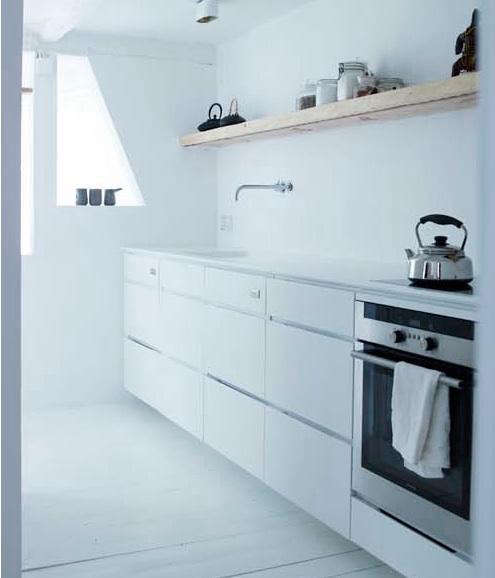
Sometimes the best kitchen upgrade is not a full remodel, not a ten-thousand-dollar cabinet package, and definitely not another gadget promising to “change breakfast forever.” Sometimes, all you really need is one good shelf. A single wood shelf can warm up a cold kitchen, create storage where there was none, and make the room look thoughtfully designed instead of accidentally assembled.
That is the charm of the single wood shelf: it is modest, useful, and surprisingly transformative. In one move, it can soften a wall of tile, break up a run of cabinetry, hold your everyday essentials, and give your kitchen that collected, lived-in look people usually try to fake with mood boards and expensive styling sessions.
This roundup takes a close look at why a single wood shelf works so well in kitchens, where it works best, what style choices matter most, and how to make it functional instead of turning it into a dusty shrine to mugs you never use. If you are thinking about adding one shelf above a coffee station, beside the range, over a backsplash, or in that weird little wall gap that currently does nothing except judge you, this guide is for you.
Why a Single Wood Shelf Works So Well in the Kitchen
A kitchen is full of hard-working surfaces: stone, metal, tile, glass, and painted cabinets all pulling their weight. A wood shelf changes the mood instantly because it introduces warmth, texture, and a bit of visual breathing room. Even in a sleek kitchen, wood keeps the space from feeling too clinical. In a traditional kitchen, it adds charm without making the room feel heavy.
The beauty of a single shelf is that it does not ask for a full design commitment. Replacing all upper cabinets with open shelving can look stunning, but it also demands organization, discipline, and a very calm relationship with dust. One shelf, on the other hand, gives you the airy look people love without requiring you to become the kind of person who color-coordinates bowls on a Tuesday.
It also solves a common kitchen problem: awkward empty space. Maybe there is a blank wall beside a window, a spot above a coffee nook, a narrow area near the stove, or a stretch above the backsplash that looks unfinished. One well-placed wood shelf turns that dead zone into practical storage and visual structure.
Best Places to Add a Single Wood Shelf
Above the Countertop
This is the classic placement, and for good reason. A single shelf above a counter gives you easy access to everyday items like mugs, bowls, plates, oils, or spices. It works especially well when the shelf is installed high enough to clear appliances but low enough to keep your daily grab-and-go items within reach. The result feels open and convenient instead of cramped.
Above a Coffee Station
If your coffee setup has expanded from “one machine” to “a full personality trait,” a wood shelf can help. It is the perfect place for mugs, beans, syrup bottles, a French press, or a small framed print that tells guests you take your morning routine very seriously. In a small kitchen, this one shelf can define a coffee corner without needing additional cabinetry.
Beside the Range
A narrow shelf beside or near the cooking zone can hold oils, salt, pepper mills, and a few frequently used spices. This setup is practical, but only when edited. Keep it lean. If the shelf starts looking like a mini grocery aisle, you have gone too far.
Above a Backsplash Run
One long wood shelf installed over tile or stone can act almost like an architectural detail. It finishes the wall, adds contrast, and gives the kitchen a polished custom look. This works beautifully in modern organic kitchens, farmhouse spaces, and even minimalist rooms that need just one natural element to stop feeling like a laboratory.
In Small or Awkward Spaces
One of the smartest uses for a single shelf is in the odd corners of the kitchen that cabinets cannot handle gracefully. Think side walls, the end of an island, around a doorway, or above a small niche. A single wood shelf is flexible enough to fit where bulky storage would feel clumsy.
How to Choose the Right Single Wood Shelf
Pick a Wood Tone That Helps the Kitchen, Not Fights It
If your kitchen already has warm wood cabinets or flooring, a similar tone will create harmony. If the room is mostly white, black, or gray, a medium or natural wood shelf can become the warm accent that keeps the space from feeling flat. Dark wood looks moody and dramatic. Light oak or ash feels airy and modern. Walnut reads rich and tailored. Reclaimed wood leans rustic and casual.
The goal is not to match every wood finish in the room perfectly. In fact, perfect matching can make a kitchen feel stiff. Instead, aim for coordination. Your shelf should look intentional, not like it wandered in from a different house.
Think About Thickness
Thickness changes the personality of the shelf. A chunky wood shelf feels substantial and architectural. It can anchor a minimalist kitchen and make a bold statement. A thinner shelf feels lighter and more understated, which is ideal when you want the styling on top of it to do the talking.
If your kitchen has a lot of visual weight already, such as a heavy hood, dark cabinets, or busy stone, a slimmer shelf may balance things better. If the room is simple and crisp, a thicker shelf can add the drama it needs.
Bracketed or Floating?
Floating shelves give a cleaner, more modern look because the hardware disappears. Bracketed shelves feel more traditional, cottage-inspired, or industrial depending on the bracket style. Hidden brackets look especially good in contemporary kitchens, while visible metal supports can add character in rustic or vintage-leaning spaces.
There is no single winner here. The best choice depends on your kitchen style and how much weight the shelf needs to hold. Floating shelves are sleek. Bracketed shelves can be charming. Both can look great when they are scaled correctly.
What to Put on a Single Kitchen Shelf
This is where many people get overexcited and accidentally build a clutter exhibit. A single wood shelf works best when it carries a short, edited cast of characters. Think useful first, decorative second.
The Best Everyday Shelf Lineup
A strong setup often includes a few daily-use dishes, a small stack of bowls, glassware, one or two canisters, and a practical accent like a pepper mill or olive oil bottle. Then add one softer element such as a trailing plant, a ceramic vase, or a framed mini print. That is enough. A kitchen shelf should look curated, not crowded.
Items That Work Beautifully
Good shelf candidates include mugs, plates, cutting boards, cookbooks, spice jars, serving bowls, pitchers, and sturdy glassware. Layering different shapes helps the shelf feel dynamic. A standing cutting board at the back, a stack of plates in the center, and a smaller object in front often creates an easy, balanced composition.
Items to Be Careful With
Delicate glassware, rarely used novelty pieces, and anything that turns greasy or dusty fast should be used sparingly. The closer your shelf is to the stove, the more you should prioritize wipeable, durable, frequently used pieces. A kitchen is not a museum. It is a splash zone with snacks.
Single Wood Shelf Styling Rules That Actually Help
Mix Open and Closed Storage
One of the smartest design moves is to let one shelf do the displaying while cabinets do the hiding. You do not need every plate, every cereal bowl, and every appliance attachment on public display. A single open shelf paired with closed storage gives you the best of both worlds: personality up top, practical chaos tucked away behind doors.
Use the Background
The wall behind the shelf matters more than people expect. Tile, stone, wallpaper, or even a beautifully painted wall color can make a simple wood shelf feel elevated. Without a strong backdrop, even a nice shelf can read a little unfinished. With the right backdrop, the same shelf looks custom.
Vary Heights and Shapes
If everything on the shelf is the same size, color, and height, the arrangement can look stiff. Mix a taller object, a stack of something low and wide, and one or two medium-height pieces. The variety keeps the eye moving and helps the display feel natural.
Leave Empty Space
Here is the styling tip people ignore the most: stop filling every inch. Open space is not wasted space. It is what makes the shelf look calm, intentional, and expensive. A little negative space is the difference between “designer kitchen” and “yard sale with backsplash.”
Practical Rules Before You Install
A beautiful shelf that sags under the weight of your stoneware is not a design choice. It is a warning sign. A kitchen shelf must be installed securely, ideally into studs, and with hardware rated for the shelf and everything you plan to place on it. Leveling matters. Weight limits matter. Good anchors matter. Safety glasses are not glamorous, but neither is having a shelf drop your cereal bowls at 2 a.m.
Placement matters too. A shelf above the countertop should not interfere with the work surface below. It should be reachable without awkward stretching, and it should not crowd your backsplash, outlet locations, or countertop appliances. In pantry-style situations, shallower shelving often works better because it keeps items visible and prevents forgotten objects from disappearing into the dark back zone where expired crackers go to retire.
If you are a cautious renovator, test the idea before making permanent changes. Remove cabinet doors for a short trial or style a temporary shelf elsewhere first. Sometimes people love the look of open storage in photos and hate the upkeep in real life. Better to learn that early than after patching drywall and buying artisanal brackets.
The Pros and Cons of a Single Wood Shelf
Pros
A single wood shelf adds warmth, works with many kitchen styles, costs less than cabinetry, and can make small kitchens feel more open. It is especially good for showcasing beautiful everyday items, adding function to awkward spaces, and creating a custom-feeling detail without a full-scale renovation.
Cons
It does require editing. It can collect dust. Near a stove, it can gather grease faster than closed cabinetry. It also reveals your habits with ruthless honesty. If you are not naturally tidy, the shelf will let everyone know by lunchtime.
That said, one shelf is far easier to maintain than a full wall of open shelving. It is the lower-commitment version of the trend, which is exactly why it is so appealing.
Final Verdict: Is a Single Wood Shelf Worth It?
Absolutely, if you approach it with equal parts style and common sense. A single wood shelf is one of the rare kitchen upgrades that can be affordable, attractive, practical, and genuinely flexible. It can hold your everyday favorites, add warmth to a sterile room, and solve a storage problem without shouting for attention.
The secret is not buying the fanciest shelf or styling it like a magazine spread that no real person could maintain. The secret is choosing the right location, keeping the shelf useful, and editing what goes on it. One shelf can do a lot of work when it is placed with intention.
In other words, your kitchen probably does not need more clutter. It probably needs one good wooden shelf and a little self-control.
Extra: The Experience of Living With a Single Wood Shelf in the Kitchen
Living with a single wood shelf in the kitchen is a funny little lesson in human behavior. At first, it feels like a design upgrade. You stand back, admire the wood grain, place two mugs and a small bowl on it, and briefly believe you are the sort of person whose home is always tidy, softly lit, and ready for a magazine photographer to drop by unannounced.
Then real life begins. Someone puts a random vitamin bottle up there. A takeout menu appears. A half-used candle wanders in. Suddenly your beautiful shelf is one banana away from becoming a lost-and-found. This is the true experience of the single wood shelf: it is not just storage, it is a daily editing exercise.
But that is also why it works. Unlike a cabinet, a shelf gives you immediate feedback. If the arrangement looks messy, you notice it right away. If something does not belong there, it becomes obvious. Over time, that changes how you use the kitchen. You become a little more selective. You put your everyday mugs there because you actually reach for them. You keep the olive oil there because it earns the spot. You stop storing nonsense where it can be seen by decent people.
There is also something deeply satisfying about the rhythm a single shelf creates. In the morning, it is where you grab the mug. In the afternoon, it catches the light and makes the kitchen feel warmer than it has any right to. In the evening, it becomes part storage, part display, part proof that practical things can still be beautiful. That sounds dramatic for a plank on a wall, but kitchens are made of these tiny rituals.
A well-used wood shelf also ages nicely. It does not stay showroom perfect forever, and that is part of the appeal. A little wear can make it feel more real, more integrated, more like it belongs to the life happening around it. The shelf starts as décor, but eventually it becomes part of the kitchen’s routine. That is when it really succeeds.
The best experience comes when the shelf reflects the way you actually live instead of the way you think you should live. If you drink tea every day, store the mugs there. If you bake often, keep the mixing bowls there. If you love a tiny ceramic vase and want one pretty object in the room, let it live there without guilt. The shelf should support your habits, not stage a performance.
And perhaps that is the best part of the single wood shelf roundup: it proves that not every kitchen upgrade has to be massive to matter. One shelf can create convenience, warmth, and a little personality all at once. It can make a small kitchen feel smarter. It can make a plain wall feel finished. It can even make you more organized, or at least more aware of your crimes against organization.
So yes, the experience is practical. Yes, it is aesthetic. But it is also oddly personal. Once the right shelf goes up, the kitchen feels more like yours. And for such a simple feature, that is a pretty impressive trick.