Note: The key to juicy reheated pulled pork is simple: use gentle heat, trap steam, add a little flavorful liquid, and verify that the center reaches 165°F before serving. Treat your leftovers like barbecue royalty, not like a forgotten science experiment at the back of the fridge.
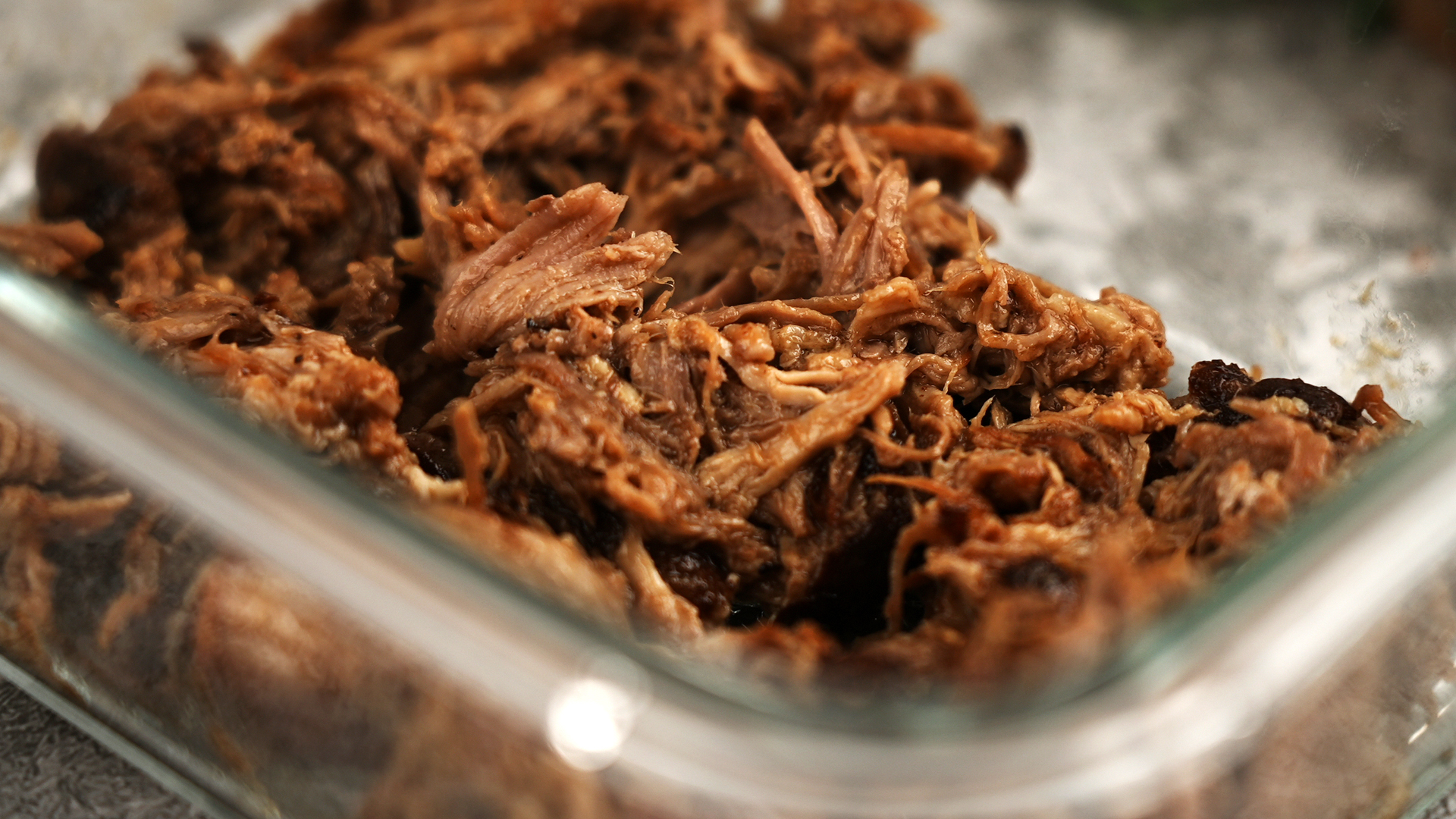
There are few happier kitchen sights than a container of leftover pulled pork. It promises easy sandwiches, tacos, nachos, breakfast hash, and the sort of lunch that makes coworkers suspiciously interested in your desk. But reheating pulled pork can go sideways fast. One minute it is tender, smoky, and gloriously messy; the next, it is dry, stringy, and somehow capable of absorbing every drop of moisture in the room.
The good news is that reheating pulled pork without drying it out is not complicated. The meat already has flavor, fat, and tenderness on its side. Your job is to warm it gently, protect it from harsh heat, and give it a small amount of moisture to work with. Whether you are reheating one sandwich-sized portion or feeding a crowd after a backyard cookout, these eight easy methods will help your leftover BBQ pork stay tender, juicy, and deeply satisfying.
Before You Reheat Pulled Pork: The Moisture Rules That Matter
Before choosing a reheating method, start with the condition of the pork. Pulled pork reheats best when it was stored with some of its original cooking juices, rendered fat, or sauce. Those leftover drippings are not kitchen clutter; they are flavor insurance.
If your pork looks dry in the container, add moisture before heating. For every pound of pulled pork, begin with two to four tablespoons of liquid. You can always add more, but turning your barbecue into pork soup is an emotional event nobody needs.
Best Liquids for Reheating Pulled Pork
- Reserved pork juices or drippings
- Chicken broth, beef broth, or pork stock
- Apple juice, apple cider, or a splash of apple cider vinegar
- Your favorite barbecue sauce thinned with water or broth
- Dr Pepper, cola, beer, or a mild lager for a richer BBQ flavor
- A little butter, bacon fat, or rendered pork fat for extra richness
Keep the reheating liquid complementary to the flavor profile of your original pork. Sweet-and-smoky pulled pork is excellent with apple juice or a little barbecue sauce. Carolina-style pork loves a splash of vinegar-based sauce. Mexican-inspired pork can wake up beautifully with broth, lime juice, and a spoonful of salsa verde.
Food Safety Basics for Leftover Pulled Pork
Store cooked pulled pork in shallow, covered containers and refrigerate it promptly. Use refrigerated leftovers within three to four days, or freeze them for longer storage. When reheating, bring the pork to an internal temperature of 165°F. A quick-read thermometer is the most reliable way to know when the center is hot enough.
Do not rely on appearance alone. Steam is encouraging, but it is not a thermometer. Also, avoid using a slow cooker to bring cold pulled pork up to temperature from the refrigerator. A slow cooker is excellent for holding already-hot pork for serving, but the oven, stovetop, or microwave is safer and faster for the initial reheating step.
At-a-Glance: The Best Way to Reheat Pulled Pork
| Method | Best For | Approximate Time | Texture Result |
|---|---|---|---|
| Oven | Large batches and party portions | 25 to 60 minutes | Very juicy and evenly heated |
| Stovetop | Weeknight meals and sandwiches | 8 to 15 minutes | Tender with a little caramelization |
| Microwave | Single servings and fast lunches | 2 to 5 minutes | Moist when covered and stirred |
| Air Fryer | Crispy pork edges and tacos | 5 to 10 minutes | Juicy inside with crisp bits |
| Grill or Smoker | Backyard cookouts and smoky flavor | 15 to 35 minutes | Fresh-off-the-pit character |
| Sous Vide | Maximum moisture retention | 30 to 60 minutes | Exceptionally tender and juicy |
| Steamer | Small portions and delicate reheating | 10 to 20 minutes | Soft, succulent, and saucy |
| Cooked Into Another Dish | Tacos, nachos, hash, and casseroles | 10 to 25 minutes | Flavorful and reinvented |
1. Reheat Pulled Pork in the Oven for a Crowd
The oven is one of the best ways to reheat pulled pork when you have more than a pound or two to warm. It heats evenly, keeps the meat protected, and lets you focus on side dishes instead of standing over the stove like a barbecue lifeguard.
How to Reheat Pulled Pork in the Oven
- Preheat the oven to 300°F.
- Place pulled pork in a baking dish, roasting pan, or disposable foil pan.
- Add two to four tablespoons of broth, drippings, apple juice, or thinned barbecue sauce per pound of pork.
- Cover the dish tightly with a lid or aluminum foil.
- Heat until the pork reaches 165°F in the center, usually 25 to 35 minutes for about two pounds and longer for larger portions.
- Stir once halfway through if practical, then serve with the accumulated juices spooned over the top.
The tight cover is doing important work here. It traps steam so the pork warms in a humid environment instead of sitting exposed to dry oven air. Think of it as a tiny pork sauna, minus the eucalyptus towels.
2. Reheat Pulled Pork on the Stovetop for Fast, Juicy Results
The stovetop is ideal when you need pulled pork for dinner now, not after an oven preheat, a podcast episode, and a minor existential crisis. It is especially good for portions headed into buns, tortillas, rice bowls, or baked potatoes.
How to Reheat Pulled Pork in a Skillet
- Add pulled pork to a skillet, sauté pan, or Dutch oven.
- Pour in a small splash of broth, cooking juices, water, or barbecue sauce.
- Cover the pan with a lid.
- Warm over medium-low heat, stirring every few minutes.
- Heat until the pork reaches 165°F.
For crispy edges, remove the lid during the final one to two minutes and let a small amount of the pork contact the hot pan. Do not leave it unattended. The difference between “delicious caramelized bits” and “why does my kitchen smell like a campfire tragedy?” can be surprisingly brief.
3. Reheat Pulled Pork in the Microwave Without Turning It Rubbery
The microwave has an undeservedly bad reputation because people often use it at full power, without moisture, and with the confidence of someone trying to defuse a bomb. Used correctly, it is a perfectly respectable way to reheat a single serving of pulled pork.
How to Microwave Pulled Pork
- Place the pork in a microwave-safe bowl or dish.
- Add one to two tablespoons of liquid for a single serving.
- Cover with a microwave-safe lid, plate, or damp paper towel.
- Microwave at 50% to 70% power in 60-second intervals.
- Stir between intervals so the colder pork from the middle gets its turn in the spotlight.
- Let the pork rest for one minute, then check that it has reached 165°F.
Lower power is your friend. It gives the pork time to heat more evenly and reduces the risk of those unfortunate chewy outer strands that resemble barbecue-flavored shoelaces.
4. Use an Air Fryer for Crispy Pulled Pork Edges
An air fryer is not the top choice for a big pile of saucy pulled pork, but it is fantastic when you want crispy edges for tacos, nachos, burritos, loaded fries, or a pulled pork breakfast hash. The trick is to protect the pork from drying out before it gets a chance to crisp.
How to Reheat Pulled Pork in an Air Fryer
- Preheat the air fryer to 300°F.
- Place the pork in a small foil packet or an air-fryer-safe pan.
- Add a tablespoon or two of broth, drippings, or sauce.
- Seal the foil packet loosely or cover the pan for the first few minutes.
- Heat for four to six minutes.
- Open the packet or uncover the pan, then heat for another two to four minutes to crisp the edges.
- Check that the pork reaches 165°F before serving.
Do not overcrowd the basket. A single layer gives you those crave-worthy crispy bits. A packed basket gives you steamed pork, which is still tasty but less likely to inspire dramatic applause.
5. Reheat Pulled Pork on the Grill or Smoker for Backyard Flavor
When the grill or smoker is already running, use it. Reheating pulled pork over indirect heat can restore some of that just-barbecued personality, especially if the original pork came from a smoker and you want a fresh kiss of wood-fired aroma.
How to Reheat Pulled Pork on a Grill or Smoker
- Set up the grill for indirect heat at about 275°F to 300°F.
- Place the pulled pork in a foil pan.
- Add broth, drippings, apple juice, or diluted barbecue sauce.
- Cover tightly with foil.
- Warm for 15 to 35 minutes, depending on the amount of pork.
- Stir once and check the center temperature before serving.
For a little extra smoke flavor, uncover the pan for the last five minutes. Keep that final uncovered period short. You are refreshing flavor, not trying to turn yesterday’s pulled pork into barbecue jerky.
6. Reheat Pulled Pork Sous Vide for the Juiciest Texture
If you have a sous vide circulator, this is the gold-medal method for preserving moisture. The pork reheats in a sealed bag, surrounded by precisely controlled warm water, which means almost none of its juices escape. It is particularly useful for vacuum-sealed pulled pork that was frozen in portions.
How to Reheat Pulled Pork Sous Vide
- Place the pulled pork and its juices in a vacuum-sealed or heavy-duty zip-top bag.
- Set the water bath to 165°F.
- Submerge the bag fully, keeping the seal above water if using a zip-top bag.
- Heat refrigerated portions for about 30 to 45 minutes; larger or frozen portions will need longer.
- Check that the pork itself reaches 165°F before serving.
- For crisp edges, finish a small portion in a hot skillet for one or two minutes.
Sous vide is not the fastest option, but it is the one most likely to make you wonder whether the pork somehow got better overnight. That is not magic. It is just moisture staying exactly where it belongs.
7. Steam Pulled Pork for Gentle, Tender Reheating
Steaming is an underrated method for reheating pulled pork, especially when you are working with a small portion or meat intended for bao buns, rice bowls, sliders, or soft tacos. Steam provides a moist environment, which is very forgiving for pork that is already a little dry.
How to Steam Pulled Pork
- Add an inch or two of water to a pot and bring it to a gentle simmer.
- Place the pulled pork in a heat-safe bowl with a splash of broth, drippings, or sauce.
- Set the bowl in a steamer basket above the water.
- Cover and steam for 10 to 20 minutes, stirring once halfway through.
- Check that the pork reaches 165°F before serving.
If you do not have a steamer basket, use a heat-safe bowl set on a small rack inside a deep pot with a tight-fitting lid. It is not fancy, but neither was the first pulled pork sandwich, and that worked out beautifully for humanity.
8. Reheat Pulled Pork Inside Another Dish
Sometimes the best way to reheat pulled pork is to stop treating it like leftovers at all. Fold it into a dish with sauce, cheese, broth, eggs, or vegetables, and it becomes the main character again. This method is ideal for smaller amounts of pork that may not justify a full sandwich situation.
Easy Leftover Pulled Pork Ideas
- Pulled pork tacos: Warm pork in a skillet with broth and salsa, then tuck into tortillas with onion, cilantro, and lime.
- Pulled pork nachos: Add warm pork to tortilla chips with beans and cheese, then bake until melty.
- BBQ pulled pork grilled cheese: Layer pork, cheese, and a little sauce between buttered bread slices.
- Pulled pork mac and cheese: Stir warmed pork into creamy mac and cheese for instant comfort-food overachievement.
- Breakfast hash: Crisp potatoes in a skillet, add pulled pork, then top with fried eggs.
- Stuffed baked potatoes: Fill hot baked potatoes with pork, cheese, sour cream, scallions, and barbecue sauce.
- Pulled pork quesadillas: Add pork and cheese to a tortilla, then cook until crisp and melty.
- BBQ pork pizza: Use pulled pork, red onion, cheese, and barbecue sauce on your favorite pizza crust.
When reheating pork inside another recipe, make sure the pork is heated thoroughly rather than merely warmed around the edges. This is especially important in casseroles, stuffed potatoes, and thick skillet dishes.
How to Reheat Frozen Pulled Pork
Frozen pulled pork can be a weeknight lifesaver. The best approach is to thaw it in the refrigerator overnight, then reheat it using the oven, stovetop, microwave, grill, or sous vide method. Thawing first helps the pork heat more evenly and gives you better control over texture.
In a hurry, you can reheat pulled pork directly from frozen in the microwave, oven, or a covered saucepan, but expect it to take longer. Add extra liquid, break the pork apart as it softens, and check the temperature in more than one spot. A frozen block can be deceptively warm on the outside while still chilly in the middle, which is not the plot twist anyone wants at dinner.
Common Mistakes That Dry Out Pulled Pork
Using High Heat
High heat is useful for browning, but it is not ideal for reheating a large batch of shredded pork. Start low and gentle, then add a brief high-heat finish only when you want crisp edges.
Skipping the Added Liquid
Even naturally rich pork can lose moisture in the refrigerator. A splash of broth, cooking juices, cider, or sauce gives the meat a cushion against dryness.
Leaving the Pork Uncovered
An uncovered pan exposes shredded pork to dry heat and lets valuable steam escape. Cover the pork for most of the reheating time, then uncover only at the end if you want caramelized bits.
Adding Too Much Barbecue Sauce Too Soon
Barbecue sauce can help, but a heavy coating from the beginning may make the pork overly sweet, thick, or sticky. Reheat with broth or drippings first, then finish with sauce to taste.
Reheating the Same Batch Again and Again
Repeated reheating is rough on texture. Reheat only the amount you plan to eat, and keep the rest cold until you are ready for it. Portioning pulled pork before freezing makes this much easier.
Extended Experience: What Reheating Pulled Pork Teaches You After a Few Cookouts
Anyone who has made a full pork shoulder eventually learns the same lesson: the first meal is wonderful, but the leftovers are where the strategy begins. A pork shoulder does not understand the concept of “cooking for two.” It sees a couple of people and decides to provide enough food for a football team, three neighbors, and a small village of very hungry raccoons.
The first real-world discovery is that storage determines whether reheating succeeds. Pork packed dry into one giant container tends to become dense and stubborn. Pork stored in smaller portions with a spoonful of cooking juices behaves much better. It thaws faster, reheats more evenly, and does not require a rescue mission involving half a bottle of barbecue sauce.
The second lesson is that every reheating method has a personality. The oven is calm and dependable. It is the method you choose when guests are coming over and you want to look like someone who has their life together. The stovetop is more spontaneous. It is perfect when you suddenly remember there is pork in the fridge and decide that tonight absolutely must be taco night.
The microwave is the practical workhorse. It may not earn bragging rights at a barbecue competition, but it can produce a genuinely good pulled pork lunch in minutes when handled with patience. Cover the bowl, add a splash of liquid, stir between intervals, and the microwave goes from kitchen villain to reliable assistant. It still will not wash the dishes, but nobody is perfect.
The air fryer offers a different kind of happiness. It is not the best choice for silky, saucy pulled pork sandwiches, but it is brilliant for crispy taco filling and hash. Those little browned edges bring back the contrast that makes barbecue so exciting: soft meat, rich fat, smoky flavor, and a few crunchy pieces that somehow disappear first.
The most useful experience of all is learning to separate reheating from finishing. Reheat the pork gently with moisture first. Then decide how you want it to eat. Want sandwiches? Keep it tender and saucy. Want tacos? Crisp a portion in a skillet or air fryer. Want nachos? Warm the pork before adding it to the chips so the cheese melts while the chips stay crisp. Want breakfast? Let the pork become part of a skillet hash with potatoes and eggs.
Once you start thinking this way, leftover pulled pork stops being “the same dinner again.” It becomes a flexible ingredient that can change costumes all week. Monday brings sandwiches, Tuesday brings tacos, Wednesday brings loaded potatoes, and Thursday somehow becomes a barbecue grilled cheese that you insist was purely experimental. That is the beauty of pulled pork: it is generous the first time around, but with the right reheating method, it keeps finding new ways to be useful, delicious, and almost suspiciously easy.
Final Takeaway
The best way to reheat pulled pork depends on how much you have, how quickly you need it, and whether you want tender meat, crispy edges, or both. For large batches, use the oven. For fast dinners, choose the stovetop. For quick single servings, use the microwave carefully. For a crisp finish, turn to the air fryer or skillet. And for the juiciest possible result, sous vide is hard to beat.
No matter which method you choose, remember the formula: add a little moisture, cover while heating, keep the heat gentle, and bring the pork to 165°F. Follow those steps, and yesterday’s barbecue can taste less like leftovers and more like a highly intelligent decision you made on purpose.