Some stores are designed to sell you a chair. Others quietly convince you that your living room has been waiting its entire life for a 19th-century French dining chair, a mohair throw, and a mysterious object that looks like it once belonged to an eccentric aunt with excellent taste. Trove Laguna Beach falls into the second category.
Part antiques shop, part design hideaway, part “how did I suddenly become a collector?” experience, Trove earned attention as one of Laguna Beach’s most memorable stops for vintage furniture, antique jewelry, art, books, textiles, and unusual decorative objects. It was the kind of place that rewarded slow browsing: the longer you looked, the more the room started whispering, “Yes, that weathered table absolutely has stories.”
This Shopper’s Diary explores what made Trove Laguna Beach special, why its aesthetic still feels relevant, and how its spirit fits into Laguna Beach’s larger design-shopping scene. Whether you are hunting for coastal antiques, researching Laguna Beach boutiques, or simply gathering inspiration for a home that feels layered rather than showroom-fresh, Trove offers a lesson in shopping with curiosity, patience, and just enough danger to your credit card.
What Was Trove Laguna Beach?
Trove Laguna Beach was known as a curated antiques and design store with a taste for the unexpected. Rather than presenting antiques as fragile museum pieces, Trove arranged them as living, breathing parts of a modern home. The result was not stiff, glossy, or overly precious. It leaned bohemian, slightly dramatic, worldly, and relaxed in that very Laguna Beach way: elegant enough for designers, easygoing enough for someone in sandals.
Early descriptions of Trove placed it on North Coast Highway, about a mile north of downtown Laguna Beach, in an area associated with antiques and home décor. Later coverage noted a move to Ocean Avenue, where the shop expanded its footprint and continued developing its mix of unconventional antiques, industrial pieces, rustic furniture, contemporary housewares, and international artifacts.
Owners Bobby and Heather Lee were often associated with the store’s personality: laid-back, sharp-eyed, and unafraid of unusual pairings. That matters. In antique retail, taste is the real inventory. Anyone can gather old things; not everyone can make a 1930s carnival head, French seating, a Saarinen-style table, and antique textiles feel like they belong at the same dinner party.
Why Trove Felt Different From a Typical Antique Store
Many antique stores organize by category: chairs here, mirrors there, lamps in the corner, please do not touch the expensive thing. Trove took a more atmospheric approach. The store was less about rows and more about scenes. It presented furniture, art, books, throws, jewelry, and objects as if they were already part of an interesting person’s home.
1. It Mixed Periods Without Apologizing
Trove’s style was not locked into one era. A Louis XV-inspired chair could sit near a midcentury form. An antique textile might soften an industrial object. A rustic table could suddenly look sophisticated when placed near art or metalwork. This kind of contrast is what gives interiors depth. A room where everything matches can look tidy; a room where everything has a conversation looks alive.
2. It Treated Patina as a Feature
In a world obsessed with newness, Trove understood the charm of wear. A nicked tabletop, aged leather, oxidized metal, or faded textile can bring visual warmth that a factory-perfect piece often lacks. Patina says, “I have survived dinner parties, moving trucks, sunlight, and possibly one questionable cousin.” That is character, not damage.
3. It Made Antiques Feel Coastal, Not Dusty
Laguna Beach has its own rhythm: cliffs, galleries, surf culture, old cottages, design stores, beach air, and people who somehow look stylish while carrying coffee and sandy flip-flops. Trove fit that landscape by avoiding the heavy formality often associated with antiques. Its pieces had age, but the styling felt breathable. Instead of “grand estate sale,” the mood was “well-traveled collector who can still make a great margarita.”
The Trove Laguna Beach Aesthetic
The phrase Trove Laguna Beach still works beautifully as a design idea because it captures a specific kind of home: collected, textured, soulful, and slightly rebellious. It is not beach décor in the obvious seashell-and-blue-stripe sense. It is coastal design with a passport.
Layered Materials
Think aged wood, woven textiles, bronze, painted surfaces, linen, leather, plaster, stone, and hand-finished ceramics. The magic comes from how these materials interact. Smooth beside rough. Pale beside dark. Heavy beside delicate. A room inspired by Trove does not need many items, but each piece should contribute texture.
Global Objects With a Point of View
Trove’s later programming included international arts and artifacts, showing how ethnographic and global objects could sit alongside Continental antiques and modern homewares. The lesson for shoppers is not to buy randomly from every place on the map. It is to choose objects with visual strength, cultural respect, and a clear relationship to the room.
Furniture That Starts a Conversation
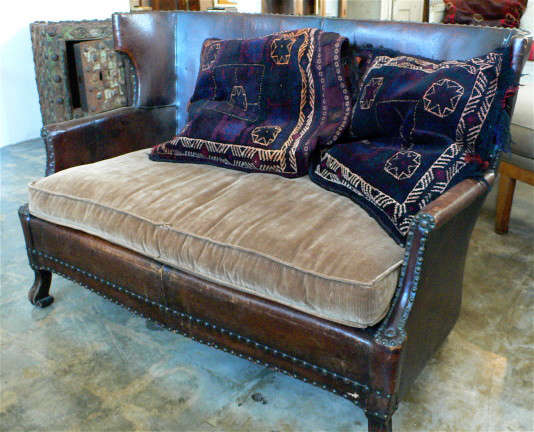
A Trove-inspired room rarely depends on anonymous furniture. The best pieces have silhouette, age, craftsmanship, or oddity. A sculptural chair, a weathered cabinet, a dramatic table, or a carved object can become a visual anchor. Bonus points if guests ask, “Where did you find that?” and you get to smile like a design wizard.
How to Shop Like Trove: Practical Tips
Shopping for antiques and vintage home goods can feel intimidating if you are used to online carts and predictable product photos. Trove’s approach teaches a better method: browse slowly, trust your eye, and do not panic when nothing comes in a matching set.
Start With Mood, Not Measurements
Measurements matter, unless you enjoy discovering that your dream cabinet blocks your bathroom door. But before the tape measure comes out, decide what mood you want: relaxed, moody, rustic, refined, global, coastal, artistic, or a mix. Trove’s strength was mood-making. The right antique does not just fill space; it changes the emotional temperature of a room.
Look for Contrast
If your home is modern, add something old. If your room has many straight lines, add curves. If your palette is pale, try a dark wood accent. If everything is smooth, bring in texture. Contrast keeps a room from feeling flat. It also helps vintage pieces look intentional rather than accidentally inherited.
Ask About Origin and Condition
A good antiques dealer should be able to tell you what they know about a piece: approximate age, material, repair history, provenance when available, and whether it is purely decorative or ready for daily use. A beautiful chair is less charming if it collapses during brunch. That is not patina; that is a lawsuit with upholstery.
Buy the Piece You Cannot Forget
The best vintage shopping advice is simple: if you leave and keep thinking about it, go back. One-of-a-kind pieces do not restock politely on Tuesday. Trove’s inventory style rewarded decisive romanticsthe shoppers who recognized that some objects are less “purchase” and more “plot twist.”
Trove and the Laguna Beach Shopping Scene
Laguna Beach is more than a beach town with pretty sunsets, though it is annoyingly good at those. It has long been associated with art, galleries, independent retail, coastal design, and walkable shopping districts. The city’s HIP District, short for Historic and Interesting Places, stretches along Pacific Coast Highway and includes galleries, restaurants, boutiques, home décor, florists, jewelry, and other locally rooted businesses.
That context matters because Trove did not exist in isolation. It belonged to a broader Laguna Beach tradition: small stores with strong personalities. Nearby and related design-shopping experiences in the city have included home décor boutiques, coastal furnishing stores, galleries, gift shops, and lifestyle retailers that celebrate craftsmanship, local makers, and California living.
For shoppers, this means a Laguna Beach design day is best approached as a wandering route, not a single errand. Start with coffee, browse slowly, leave room in the schedule for a gallery, and never underestimate the emotional power of a bench with an ocean view. Shopping in Laguna is half retail, half atmosphere. Trove understood that perfectly.
Design Lessons From Trove Laguna Beach
Even if you cannot visit the original shop today, the design lessons still travel well. Trove’s influence lives in a more confident way of decorating: less matching, more meaning; fewer disposable trends, more lasting materials; less fear of age, more respect for story.
Lesson One: A Home Should Look Collected Over Time
Rooms become more interesting when they suggest a life beyond the catalog. A new sofa can absolutely work, but pair it with an antique side table, a vintage lamp, a textured throw, or artwork that feels personal. The goal is not clutter. The goal is memory.
Lesson Two: Odd Pieces Create Soul
Every room benefits from one slightly strange object. Not frightening strange. Not “why is there a mannequin in the hallway?” strange. Just unusual enough to catch the eye. A carved stool, an old portrait, a sculptural vessel, a textile fragment, or a weathered trunk can give a room emotional gravity.
Lesson Three: Coastal Style Does Not Need Clichés
A Laguna-inspired home does not require anchors, starfish, or a sign that says “Beach Vibes.” The better coastal approach is subtler: natural fibers, sun-washed tones, organic shapes, relaxed seating, artful imperfection, and pieces that feel as if they could survive salty air and spontaneous guests.
What to Look For When Creating a Trove-Inspired Home
- Antique seating: Look for chairs with strong silhouettes, carved frames, or worn leather.
- Textiles: Mohair throws, handwoven blankets, linen pillows, and global textiles add warmth quickly.
- Books: Oversized art, design, travel, and architecture books bring intelligence to surfaces.
- Objects: Sculptural vessels, bronze pieces, vintage boxes, and handmade ceramics create visual pauses.
- Lighting: Lamps and sconces with patina can make a room feel instantly more layered.
- Art: Choose pieces that feel personal rather than perfectly coordinated.
The key is restraint. A Trove-inspired interior should not look like a storage unit with ambition. Give each piece space. Let materials breathe. Create contrast, then edit. If everything is special, nothing gets to be the star.
A 500-Word Shopper’s Experience: A Day Inspired by Trove Laguna Beach
Imagine beginning the day in Laguna Beach with no strict plan, which is usually the best plan in any town where the ocean keeps interrupting your productivity. The morning light hits Coast Highway, the storefronts start to wake up, and you decide that today is not about speed shopping. It is about noticing.
A Trove-inspired shopping day begins with curiosity. You step into a boutique or antiques shop and resist the modern urge to scan the room in seven seconds like a human barcode reader. Instead, you slow down. The first pass is for atmosphere: old wood, folded textiles, metal glints, stacked books, the smell of furniture wax, maybe a candle trying very hard to be “coastal sage after rain.” The second pass is where things get interesting.
You notice a chair first. It is not perfect, which is exactly why it works. The arm has a small mark, the finish has softened, and the shape is better than anything you have seen in a big-box showroom. Nearby, a throw blanket looks casual but expensive in that dangerous way where the price tag may require emotional preparation. You keep walking.
The best part of shopping this way is that you begin connecting objects to rooms in your mind. A bronze bowl becomes the answer to your empty coffee table. A vintage mirror suddenly explains why your hallway has felt underdressed. A stack of old design books makes you believe, briefly but sincerely, that you are the kind of person who always has fresh flowers and never loses the remote.
After browsing, you step back outside. Laguna Beach does its usual trick: ocean air, hillside cottages, gallery windows, people carrying iced drinks, and the sense that everything is both casual and carefully composed. That is the real lesson Trove Laguna Beach offers. The store’s appeal was not only the inventory; it was the attitude. It invited shoppers to trust imperfect beauty, to mix old and new, to buy fewer things but better things, and to let a home become a record of taste rather than a receipt for trends.
By the end of the day, maybe you buy something small: a book, a textile, a strange little object with no practical purpose except making a shelf look smarter. Or maybe you buy nothing and leave with better eyes. That counts too. Great shopping is not always about acquisition. Sometimes it is about training yourself to recognize character when you see itand then going home to rearrange your living room at 10:47 p.m. because inspiration has no manners.
Conclusion: Why Trove Laguna Beach Still Matters
Trove Laguna Beach remains compelling because it represents a style of shopping that feels more relevant than ever. In an age of fast décor and identical interiors, Trove’s world of antique furniture, vintage objects, hand-loomed textiles, art, jewelry, books, and globally influenced pieces reminds us that homes should not look instantly assembled. They should look discovered.
The best takeaway from Trove is not simply “buy antiques.” It is this: choose pieces with presence. Let your home carry texture, memory, humor, and the occasional object that makes visitors tilt their head in admiration. Laguna Beach gave Trove the perfect settingartistic, coastal, relaxed, and independent. Trove gave shoppers permission to be a little bolder.
So whether you are planning a Laguna Beach shopping trip, building a collected coastal interior, or simply daydreaming about a home with more soul, keep Trove’s spirit in mind. Mix eras. Respect patina. Buy the chair with a story. And remember: the best rooms are not decorated in one weekend. They are gathered, one irresistible find at a time.
Note: Store details, locations, and hours for independent boutiques can change over time. Before planning a visit, confirm current information directly with the business or local visitor resources.