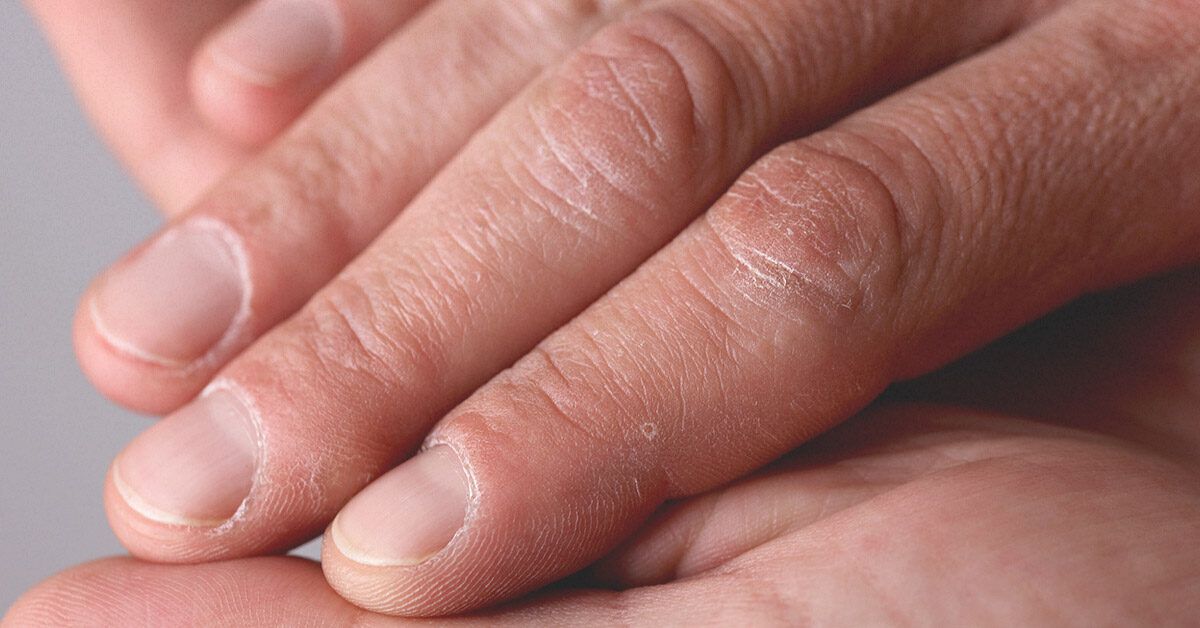
You know those little white half-moons at the base of your nailsthe ones that look like your fingers are
quietly auditioning for a tiny astronomy documentary? Those are called lunulae (singular:
lunula). And if you can’t see them, you’re not automatically “low on moonlight” or destined to become
a werewolf. In many cases, it’s completely normal.
That said, nails can reflect what’s going on in your body because they grow from living tissue and respond to
changes in health, nutrition, circulation, and injury. So the real question isn’t “Do I have nail moons?”
It’s: Is this new for me, and is anything else changing?
This guide breaks down what nail moons are, why they sometimes seem to vanish, when “no moons on fingernails”
is probably nothing, and when it’s worth checking in with a clinician.
Quick refresher: What are “nail moons” (lunulae)?
The lunula is the pale, crescent-shaped area near the base of a fingernail. It’s considered the visible portion
of the nail matrix, the growth zone that produces new nail cells. As those cells form and harden,
the nail plate grows forward. The lunula often appears whitish because of how light passes through the thicker,
newly forming nail tissue and the structures underneath it.
Lunulae are usually most noticeable on the thumbs and may be smaller or hard to spot on other fingers
especially the pinky. Visibility can also change with age and the thickness of the cuticle and nail plate.
Is it normal to have no visible moons on fingernails?
Yes. A missing or hard-to-see lunula can be totally normal. Everyone has a nail matrix, but not everyone has a lunula
that’s easy to see. Some people can only spot it on their thumbs. Others can’t see it at all and still have perfectly
healthy nails.
Common “nothing-to-worry-about” reasons your lunula isn’t visible
-
It’s simply hidden under the cuticle/proximal nail fold. If the cuticle area covers more of the nail
base, the lunula may be therejust not on display. - Genetics. Nail shape, matrix size, and lunula visibility vary by person and run in families.
- Age-related changes. Lunulae often appear less prominent as people get older.
-
Nail plate or skin tone differences. The way light reflects through the nail plate can make the lunula
harder to distinguish. -
Manicures and grooming habits. Aggressive cuticle pushing, trimming, or picking can change what you see
(and sometimes irritate the growth area). -
Temporary masking. Nail polish, gel overlays, acrylics, or staining (hello, turmeric and hair dye)
can make subtle features less visible.
If your nails look otherwise healthynormal color, normal thickness, no pain, no splitting, no sudden shape changesthen
“no moons” is often just a normal variation.
When should “no moons” get your attention?
Here’s a helpful rule: new changes matter more than lifelong traits. If you’ve never had visible lunulae
(or only had them on your thumbs), that’s usually less concerning than a sudden change across multiple nails.
Consider checking in with a clinician if you notice:
- Sudden disappearance of lunulae you used to see (especially across many nails)
- New nail changes like increased brittleness, splitting, peeling, or slow growth
- Color changes (bluish, very pale, yellowing, or a dark streak that’s growing)
- Shape changes like spooning, marked curvature, or clubbing (bulbous fingertips)
- Pain, swelling, redness around the nail fold, or nail lifting/separation
- Systemic symptoms such as persistent fatigue, dizziness, cold intolerance, shortness of breath, swelling, or unexplained weight change
Nails are like a “status board,” not a diagnosis. But if multiple signals pop up together, it’s reasonable to ask
whether something bigger is going on.
What health issues are sometimes linked with absent lunulae?
Important context first: research and clinical experience suggest associations, but an absent lunula is
not a reliable stand-alone test for any specific condition. Many people with no visible lunulae are healthy,
and many people with medical conditions still have visible lunulae.
With that in mind, here are the health-related categories that are most often discussed when lunulae are absent or less visible.
1) Nutritional issues and anemia
Some medical and clinical sources note that missing lunulae can be seen alongside anemia or
malnutrition. It’s not a one-to-one relationship, but it can show up in the bigger pattern of nail changes.
For example, iron deficiency is classically associated with spoon-shaped nails (koilonychia)a separate nail finding
that can prompt evaluation for iron deficiency and other causes.
If “no moons” appears along with fatigue, dizziness, unusual cravings (like ice or non-food items), pale skin, or shortness of breath,
it may be worth asking a clinician about screening for anemia and nutrient deficiencies. The fix isn’t “take random supplements”
it’s finding the underlying reason (dietary intake, absorption issues, blood loss, etc.) and treating appropriately.
2) Thyroid conditions (especially when other nail signs are present)
Thyroid disorders can affect skin and nails, sometimes leading to changes like brittleness, splitting, or nail lifting. Some discussions of
lunula visibility include thyroid issues as a possible associationagain, not as a diagnostic sign on its own.
If you also have symptoms like temperature sensitivity, significant weight changes, hair changes, constipation, anxiety, tremor, or heart-rate changes,
thyroid testing may be part of a broader evaluation.
3) Circulation and “hands running cold” problems
Your nail unit depends on healthy blood flow. When circulation is reduced (or vessels spasm), nails can reflect that through growth changes or
color shifts. Lunulae might appear less obvious in some people with circulation issues, but it’s rarely the headline finding.
If your fingers frequently turn white/blue in the cold or stress, or you have numbness and tingling, it’s worth mentioning to a clinicianespecially if nail color
or texture is also changing.
4) Kidney disease (a notable but uncommon context)
Some clinical reports describe absent lunulae in people with chronic kidney disease. This does not mean “no moons = kidney failure.”
It means that, in certain medical contexts, absent lunulae can be an additional physical finding that may prompt a clinician to consider kidney function
especially if there are other signs or risk factors.
Symptoms that would matter more than lunula visibility include swelling (especially legs/around eyes), changes in urination, persistent fatigue, nausea,
or high blood pressureplus personal risk factors like diabetes.
5) Local nail-matrix injury or inflammation
If the nail matrix is irritated, inflamed, or injured, what you see at the nail base can change. Common culprits include:
repeated trauma (typing isn’t the villain; nail picking is), harsh manicures, biting, or chronic skin conditions that affect the nail unit.
If one nail looks different from the rest, think local first: a past slam in a car door, chronic picking, or inflammation around the fold.
If multiple nails change together, that leans more systemic.
How to do a “nail reality check” at home
Before you spiral into an internet rabbit hole, do a quick, practical audit:
Step 1: Look for patterns
- Only thumbs have moons? Very common.
- Only one nail is different? Think local trauma or irritation.
- All nails changed recently? Consider systemic factors or a new habit/exposure.
Step 2: Check the “big three” nail signals
- Color: pink-ish nail bed is typical; major changes deserve attention.
- Shape: spooning or clubbing is more clinically meaningful than lunula visibility.
- Texture: splitting, crumbling, thickening, or detachment may indicate infection, inflammation, or systemic issues.
Step 3: Review your recent history
- New manicure style (gel/acrylic), frequent polish remover use, or cuticle trimming?
- More exposure to water/cleaning chemicals without gloves?
- Major dietary change, illness, stress, or rapid weight change?
- New medication?
Nails grow slowly. A change you notice today may reflect something that started weeks to months ago. Taking a clear photo once a month can help you track
whether this is stable or evolving.
When to see a dermatologist vs. a primary care clinician
If your main issue is nail appearance (new streaks, odd colors, nail lifting, or painful swelling), a board-certified dermatologist is often the best specialist
for nail concerns. If you have broader symptoms (fatigue, dizziness, swelling, weight change), start with primary carethey can evaluate systemic causes and
order basic labs if needed.
Seek prompt evaluation for “don’t-wait” nail signs
- A dark streak that’s widening, changing, or extending into the surrounding skin
- New severe pain or rapidly worsening swelling/redness
- Nail lifting with signs of infection (drainage, warmth, increasing tenderness)
- Clubbing or significant new shape change across multiple nails
How to support healthier nails (without turning your bathroom into a supplement aisle)
Healthy nails usually come down to the basics:
- Gentle grooming: Avoid aggressive cuticle cutting/pushing and stop the “tiny nail archaeology” (picking).
- Moisture + protection: Use hand cream and wear gloves for dishwashing/cleaning to reduce drying and trauma.
- Balanced nutrition: Aim for adequate protein, iron-rich foods, and overall variety. Don’t megadose supplements unless a deficiency is confirmed.
- Give nails a break: If you use gel/acrylics, schedule rest periods and limit harsh removals.
- Address underlying conditions: Treating anemia, thyroid problems, or inflammatory skin disease often improves nails over time.
FAQ: No moons on fingernails
Is it bad if I can’t see any lunulae?
Not necessarily. Many people have no visible lunulae due to normal anatomy, cuticle coverage, age, or genetics. It’s more relevant if it’s a sudden change
or occurs alongside other nail changes or symptoms.
Why can I see moons on my thumbs but not other fingers?
That’s extremely common. Lunulae tend to be most visible on the thumbs and may be tiny or hidden on other fingersespecially the pinky.
Can stress make my lunulae disappear?
Stress can indirectly affect nails through habits (picking/biting), nutrition changes, and overall health. But a vanishing lunula isn’t a reliable “stress meter.”
If you’re noticing multiple physical changes, it’s worth looking at the bigger picture.
Can I “bring back” my nail moons?
If your lunulae are simply hidden by cuticle coverage or nail thickness, you may not see them even with perfect health. If reduced visibility is related to
irritation or an underlying issue, improving nail care and treating any confirmed medical condition may help over time.
Real-world experiences: what people notice (and what it often turns out to be)
People tend to discover the “nail moon” topic the same way they discover constellations: by staring at something they’ve had forever and suddenly deciding it’s
a sign. (Human brains love pattern-finding. It’s how we survived. It’s also how we convince ourselves that a missing lunula means our body is sending Morse code.)
Experience #1: “I only have moons on my thumbsam I broken?”
A very common story: someone notices half-moons on their thumbs, then looks at the other fingers and sees… nothing. Panic ensues. In many cases, this is simply
normal anatomy. Thumb lunulae are often the most visible, while the others are smaller or covered by the proximal nail fold. Nothing else is wrong: nails are strong,
nail beds look healthy, and there are no symptoms. The outcome? Relief, and a new party trick: “Did you know not everyone can see their lunulae?”
Experience #2: “My moons disappeared after I got gel nails”
Another frequent pattern involves nail enhancements. After months of gel, acrylics, or frequent polish remover, nails can look thinner, rougher, or more opaque
depending on the product and removal process. Cuticles may also become irritated or thicker from repeated manipulation. The lunula doesn’t necessarily “go away”
it just becomes harder to see. People who take a break, moisturize, and switch to gentler removal methods often notice their nails look clearer again over time.
Experience #3: “I started picking my cuticles and then my nail base looked different”
The nail matrix is a sensitive growth area. Repeated trauma near the basepicking, biting, trimming cuticles too aggressivelycan make the nail surface look uneven,
create ridges, or change the appearance at the nail base. Some people assume the missing moon is the main issue, when the real issue is inflammation and micro-injury.
When they stop picking (or at least reduce it) and keep the area moisturized, the nail often grows out smoother over the next several months.
Experience #4: “No moons + fatigue… and my doctor found low iron”
Sometimes, “no moons” is part of a bigger set of clues. People who feel unusually tired, lightheaded, or short of breath may also notice their nails seem duller,
more brittle, or slower-growing. In some cases, blood work shows iron deficiency anemia. The key detail is that the diagnosis doesn’t come from the lunulait comes
from symptoms plus testing. Once the underlying cause is treated (and iron levels recover), nail quality may improve gradually as new nail grows in.
Experience #5: “I thought it was a vitamin deficiency, but it was just normal for me”
Many people try to solve “no moons” with supplements. Then nothing changesbecause nothing was wrong. Lunula visibility is not a dependable deficiency detector.
If you suspect a deficiency, the most efficient route is clinical evaluation and targeted testing. Otherwise, you can spend months taking supplements while your
nails continue to look exactly like… your nails.
Bottom line: people’s experiences vary, but the most consistent theme is thislunula visibility is a weak signal. When it’s paired with other nail
changes or symptoms, it can be one small piece of the puzzle. When it’s the only “symptom,” it’s often just normal anatomy wearing a dramatic costume.
Conclusion: What “no moons on fingernails” usually means
Not seeing the half-moons on your fingernails is often normalespecially if you’ve never really had visible lunulae or only see them on your thumbs. The lunula
can be naturally small, hidden under the cuticle, or less obvious with age and nail thickness.
Where it becomes more meaningful is when it’s a new change or it happens alongside other nail changes (color, shape, lifting) or systemic symptoms
(fatigue, dizziness, swelling, unexplained weight shifts). In those cases, it’s reasonable to check in with a clinician for a broader evaluation.
Think of your nails as a dashboard light, not a full diagnostic report. If the only thing “wrong” is that you can’t see tiny nail moons, your body may simply be
telling you one thing: please stop inspecting your hands under overhead lighting like you’re solving a medical mystery.