Some cakes walk into the kitchen wearing pearls and demanding three bowls, a stand mixer, and a suspicious amount of emotional commitment. This One-Egg Butter Crock Pot Cake Recipe is not that cake. It is soft, buttery, humble, and wonderfully practicalthe kind of dessert you can make when your oven is busy, your kitchen is hot, or you simply want the slow cooker to do something sweeter than stew for once.
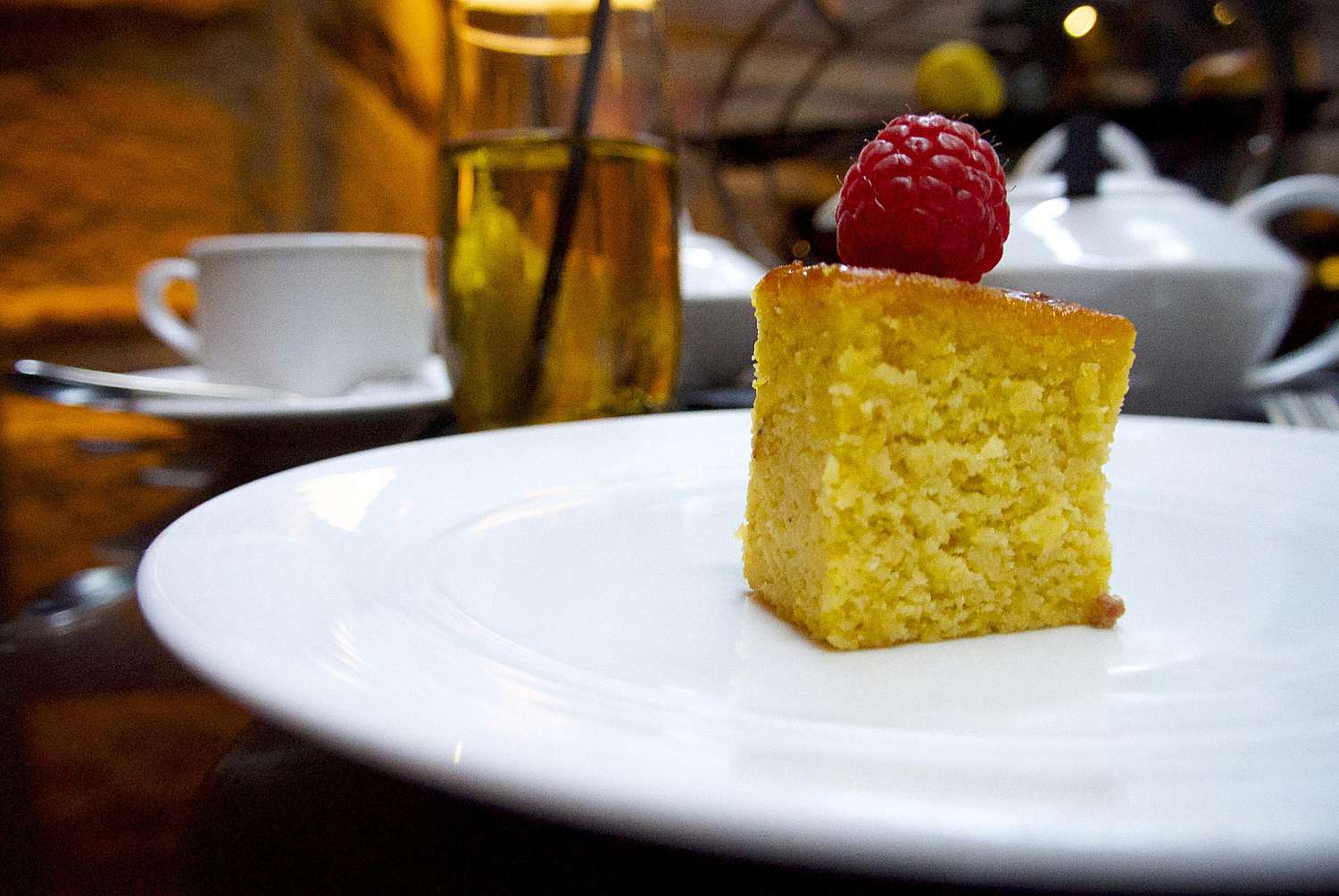
This recipe turns simple pantry ingredients into a moist, tender butter cake using only one egg and a slow cooker. The result is not a tall bakery-style layer cake with dramatic frosting swoops. It is more like an old-fashioned snack cake: golden around the edges, fluffy in the center, fragrant with butter and vanilla, and excellent with coffee, tea, berries, whipped cream, or a scoop of vanilla ice cream that melts like it has been waiting for this moment all week.
The beauty of a crock pot cake is its gentle heat. A slow cooker traps moisture, which helps prevent the cake from drying out. That also means you need a few smart tricksespecially managing condensationso your cake stays tender instead of soggy. Once you learn the method, this one-egg cake becomes a reliable dessert for small families, potlucks, lazy weekends, and “I need cake but I do not need drama” evenings.
What Is a One-Egg Butter Crock Pot Cake?
A one-egg butter crock pot cake is a simple homemade cake made with butter, sugar, flour, milk, baking powder, vanilla, and one large egg. Instead of baking in a traditional oven, the batter cooks inside a slow cooker. The slow cooker acts like a small, enclosed baking chamber, heating the batter gradually and keeping the crumb moist.
Because this cake uses just one egg, it is lighter on ingredients but still has enough structure to slice neatly. The butter brings flavor and richness, while baking powder gives lift. Milk keeps the batter smooth, and vanilla rounds everything out with that classic “something smells amazing in here” aroma.
This recipe works especially well in a 4-quart to 6-quart slow cooker. An oval crock pot gives the cake a wider surface and a more even bake, but a round slow cooker can work too. The shape may be less photo-ready, but as all wise cake lovers know, flavor pays no attention to geometry.
Why Make Cake in a Crock Pot?
Using a crock pot for cake may sound like something invented by a person who looked at a slow cooker and said, “But what if dessert?” Fortunately, it works. Slow cooker cakes are popular because they are convenient, forgiving, and great for warm weather when turning on the oven feels like inviting a dragon into the house.
It Keeps the Cake Moist
Slow cookers create a steamy environment. For butter cake, that can be a major advantage because butter-based cakes sometimes dry out if overbaked in a hot oven. In a crock pot, the cake cooks gently, producing a soft crumb and slightly pudding-like tenderness near the center if you pull it at the right time.
It Frees Up the Oven
This is useful during holidays, family dinners, or meal prep days. While casseroles, roasted vegetables, or bread take over the oven, your crock pot can quietly handle dessert on the counter like the dependable friend who brings napkins and does not need applause.
It Is Beginner-Friendly
This cake does not require advanced baking skills. You cream butter and sugar, add one egg, mix in dry ingredients and milk, then cook. The main skill is knowing when it is done, and that is easy with a toothpick test and a gentle press in the center.
Ingredients for One-Egg Butter Crock Pot Cake
This recipe uses basic ingredients, but each one matters. Baking is not the place to freestyle like a jazz saxophonist unless you understand the chemistry.
Ingredients
- 1 1/2 cups all-purpose flour
- 2 teaspoons baking powder
- 1/4 teaspoon fine salt
- 1/2 cup unsalted butter, softened
- 3/4 cup granulated sugar
- 1 large egg, preferably at room temperature
- 1 1/2 teaspoons vanilla extract
- 1/2 cup whole milk, room temperature
- 1 tablespoon sour cream or plain yogurt, optional, for extra tenderness
- Cooking spray or extra butter for greasing
- Powdered sugar, berries, whipped cream, or ice cream for serving
Ingredient Notes
Butter: Use softened butter, not melted butter. Softened butter creams with sugar and traps tiny air pockets, helping the cake rise and giving it a finer crumb.
Egg: One egg provides structure, moisture, and richness. A room-temperature egg blends more smoothly into the butter mixture, reducing the chance of a curdled batter.
Milk: Whole milk gives the best flavor and texture. You can use 2% milk, but skim milk may make the cake slightly less rich.
Sour cream or yogurt: This is optional, but a small spoonful adds moisture and a subtle tang. Think of it as a tiny insurance policy against dryness.
Equipment You Need
- 4-quart to 6-quart slow cooker
- Mixing bowls
- Hand mixer or sturdy whisk
- Rubber spatula
- Parchment paper
- Clean kitchen towel or paper towels
- Toothpick or cake tester
The towel or paper towels are important. Slow cookers collect condensation under the lid. If those water droplets fall back onto the cake, the top can become wet. Placing a clean towel or a double layer of paper towels under the lid helps catch that moisture. Just make sure the towel does not touch the heating element or hang too low near the sides.
How to Make One-Egg Butter Crock Pot Cake
Step 1: Prepare the Crock Pot
Grease the inside of your slow cooker insert with butter or cooking spray. Cut a piece of parchment paper to fit the bottom, leaving two longer strips as handles if possible. These parchment “handles” make it easier to lift the cake out later.
Step 2: Mix the Dry Ingredients
In a medium bowl, whisk together the flour, baking powder, and salt. This spreads the leavening evenly so the cake rises consistently instead of forming random little cake mountains.
Step 3: Cream Butter and Sugar
In a large bowl, beat the softened butter and sugar together for 2 to 3 minutes, until the mixture looks lighter and fluffy. This step is worth doing properly. Creaming creates air pockets, and those air pockets help the cake become tender instead of heavy.
Step 4: Add the Egg and Vanilla
Beat in the egg until fully combined, then mix in the vanilla extract. Scrape down the sides of the bowl with a spatula so every bit of butter joins the party.
Step 5: Add Flour and Milk
Add one-third of the flour mixture to the butter mixture and mix gently. Add half of the milk. Repeat, ending with the final third of flour. If using sour cream or yogurt, fold it in with the last addition of milk. Mix only until the batter is smooth. Overmixing can make the cake tough, and nobody wants a cake with the personality of a rubber sandal.
Step 6: Transfer Batter to the Slow Cooker
Spoon the batter into the prepared crock pot and spread it evenly. The batter will look shallow, but it will rise as it cooks.
Step 7: Cover and Cook
Place a clean kitchen towel or double layer of paper towels across the top of the slow cooker, then set the lid on top. Cook on High for 1 1/2 to 2 hours, or on Low for 2 1/2 to 3 hours. Cooking time depends on your slow cooker’s size, age, and heat strength.
Step 8: Check for Doneness
The cake is done when the edges look set, the center springs back lightly when touched, and a toothpick inserted near the center comes out clean or with a few moist crumbs. If the toothpick has wet batter, continue cooking in 15-minute increments.
Step 9: Cool Before Serving
Turn off the slow cooker and remove the lid and towel. Let the cake cool for 10 to 15 minutes. Use the parchment handles to lift it out, or serve it directly from the crock pot with a spoon.
Recipe Card: One-Egg Butter Crock Pot Cake
Prep time: 15 minutes
Cook time: 1 1/2 to 3 hours
Total time: About 2 to 3 hours
Servings: 6 to 8
Best slow cooker size: 4-quart to 6-quart
Instructions Summary
- Grease and line the slow cooker with parchment paper.
- Whisk flour, baking powder, and salt in a bowl.
- Beat softened butter and sugar until fluffy.
- Add egg and vanilla; mix well.
- Alternate dry ingredients with milk, mixing gently.
- Spread batter into the crock pot.
- Cover with a towel under the lid and cook until set.
- Cool slightly, then serve warm or at room temperature.
Tips for the Best Crock Pot Butter Cake
Use Room-Temperature Ingredients
Room-temperature butter, egg, and milk blend more smoothly. Cold ingredients can cause the batter to separate, especially when there is only one egg holding the structure together. If you forgot to set out the egg, place it in a bowl of warm water for a few minutes.
Do Not Skip the Towel Trick
Condensation is the sneaky villain of slow cooker desserts. The towel catches steam before it drips back onto the cake. Without it, the top can become damp, pale, and slightly sticky.
Know Your Slow Cooker
Some slow cookers run hotter than others. If yours tends to cook quickly, check the cake early. If it runs cool, expect a longer cooking time. The first time you make this recipe, treat the timing as a guide rather than a law carved into a butter tablet.
Avoid Opening the Lid Too Often
Every time you lift the lid, heat escapes. Check near the minimum cooking time, then continue only as needed. Slow cooker baking rewards patience, which is unfortunate for anyone standing nearby with a fork.
Flavor Variations
Lemon Butter Crock Pot Cake
Add 1 tablespoon lemon zest to the batter and replace vanilla with 1 teaspoon vanilla plus 1/2 teaspoon lemon extract. Serve with powdered sugar and berries.
Cinnamon Sugar Butter Cake
Mix 2 tablespoons sugar with 1 teaspoon cinnamon and sprinkle it over the batter before cooking. It creates a cozy top layer that tastes like a coffee cake cousin.
Chocolate Chip Butter Cake
Fold in 1/2 cup mini chocolate chips. Mini chips distribute better than large ones and help prevent sinking.
Berry Butter Cake
Scatter 1/2 cup blueberries or chopped strawberries over the batter. Do not overload the fruit, or the cake may become too wet.
Serving Ideas
This slow cooker butter cake is delicious warm, especially with a scoop of vanilla ice cream. For a lighter finish, add fresh berries and a dusting of powdered sugar. For a diner-style dessert, drizzle with caramel sauce. For breakfast-adjacent snacking, serve a small slice with coffee and pretend you are in a charming bed-and-breakfast where someone else washes the dishes.
You can also turn leftovers into a simple trifle. Cube the cake and layer it with pudding, whipped cream, and fruit. The cake absorbs flavor beautifully because of its buttery crumb.
How to Store and Reheat
Let the cake cool completely before storing. Keep leftovers in an airtight container at room temperature for up to 2 days, or refrigerate for up to 4 days. For longer storage, wrap individual slices tightly and freeze for up to 2 months.
To reheat, warm a slice in the microwave for 10 to 15 seconds. If frozen, thaw in the refrigerator overnight first. Avoid reheating too long, or the cake may become chewy around the edges.
Common Mistakes to Avoid
Using Melted Butter Instead of Softened Butter
Melted butter changes the texture. The cake may become denser and less fluffy. Softened butter should give slightly when pressed but should not look oily.
Adding Too Much Milk
Slow cookers retain moisture, so extra liquid can make the cake gummy. Measure carefully.
Cooking Until the Top Browns
A crock pot cake will not brown like an oven-baked cake. If you wait for a golden top, you may overcook the edges. Look for a set center and a clean toothpick instead.
Skipping the Cooling Time
Freshly cooked slow cooker cake is delicate. Letting it rest helps the crumb firm up so slices hold together better.
Frequently Asked Questions
Can I double this recipe?
You can, but it is better to use a larger slow cooker and expect a longer cooking time. A very thick batter layer may cook unevenly, with dry edges and an underdone center.
Can I make this cake without parchment paper?
Yes, but parchment makes removal easier. If serving directly from the crock pot, greasing well is usually enough.
Can I use salted butter?
Yes. If using salted butter, reduce the added salt to a small pinch.
Why is my cake wet on top?
Condensation likely dripped from the lid. Use the towel method next time, and avoid opening the lid repeatedly during cooking.
Can I frost this cake?
Yes, but let it cool completely first. A simple vanilla glaze, cream cheese frosting, or whipped cream topping works well. Warm cake plus frosting equals a delicious landslide, but still a landslide.
Extra Experience Notes: What This Cake Teaches You in the Kitchen
Making a one-egg butter crock pot cake is a surprisingly good lesson in practical baking. It teaches you that a cake does not need to be complicated to be satisfying. There is something comforting about taking a handful of basic ingredients and turning them into dessert without preheating an oven, rotating pans, or wondering why the top cracked like a tiny edible desert.
The first thing you notice is how important texture is. Because the recipe uses only one egg, the creaming step matters more than people expect. When butter and sugar are beaten together until fluffy, the batter becomes lighter before the baking powder even starts working. That small effort gives the cake a softer crumb. If you rush it, the cake still tastes good, but it may feel heavier. In other words, the mixer is not just making noise to impress the neighbors.
The second lesson is patience. Oven cakes usually give you visual clues: browning, rising, pulling away from the pan. Crock pot cakes are quieter. The top stays pale, the steam fogs the lid, and the whole thing looks suspiciously calm. You learn to trust touch and timing. A toothpick becomes your best friend. The edges set first, the center follows, and suddenly the cake is done without fanfare. It is a gentle style of baking, almost like the cake is taking a nap and waking up delicious.
This recipe is also great for small households. Many traditional cakes are large enough to feed a birthday party, a soccer team, or a family reunion where someone named Linda brings seven-layer dip. A one-egg cake feels more manageable. It gives you enough dessert for several servings without turning your counter into a cake storage facility. That makes it ideal for weeknights, casual Sunday desserts, or students and beginners who want homemade cake without buying half the baking aisle.
Another practical experience is learning how moisture behaves in a slow cooker. The towel under the lid may seem like a small detail, but it can completely change the result. Without it, condensation can drip onto the batter and make the top sticky. With it, the surface sets more evenly. This one trick applies to many slow cooker desserts, including brownies, quick breads, coffee cakes, and cobblers.
Finally, this cake invites creativity. Once you master the basic butter-vanilla version, you can add citrus zest, cinnamon, mini chocolate chips, berries, almond extract, or a simple glaze. The recipe becomes a base, not a box. That is the best kind of home cooking: dependable enough to repeat, flexible enough to keep interesting, and easy enough that you do not need a ceremonial apron or a pep talk before starting.
In the end, the charm of this cake is not just that it uses one egg or cooks in a crock pot. It is that it proves homemade dessert can be simple, warm, and deeply satisfying. It is the kind of recipe that makes the kitchen smell like butter and vanilla while you do almost nothing heroic. Honestly, that is the sort of achievement more cakes should aspire to.
Conclusion
This One-Egg Butter Crock Pot Cake Recipe is proof that simple baking can still feel special. With one egg, softened butter, pantry staples, and a slow cooker, you can make a moist, tender cake that works for dessert, snacking, casual gatherings, or cozy weekends. The key is to cream the butter and sugar properly, manage condensation with a towel, and judge doneness by texture rather than browning.
Whether you serve it warm with ice cream, dress it up with berries, or enjoy it plain with coffee, this crock pot cake delivers comfort without fuss. It is easy, flexible, budget-friendly, and charmingly low-maintenancethe dessert equivalent of a friend who shows up on time and brings extra forks.
SEO Tags
Note: This article was written as original, publish-ready content and synthesized from established slow-cooker dessert methods, butter cake baking principles, and practical food-safety guidance commonly used by reputable U.S. cooking and kitchen sources.