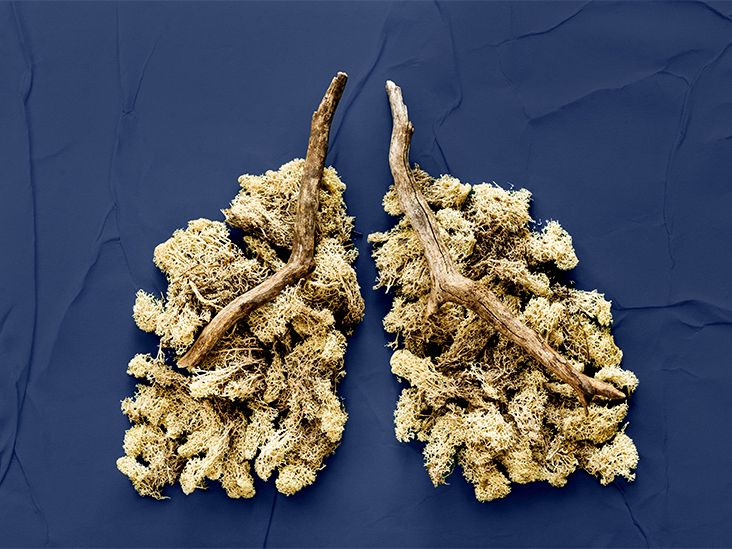
Emphysema is the lung condition that quietly turns “walking to the mailbox” into “training for Everest.” It’s a type of COPD where the tiny air sacs (alveoli) in your lungs get damaged and lose their springiness, making it harder to move oxygen in and carbon dioxide out. The result: shortness of breath, less stamina, and a frustrating feeling that your lungs have started charging admission for every breath.
The good news: emphysema doesn’t usually show up out of nowhere like an uninvited houseguest. It tends to develop after years of exposure to lung irritants, plus (sometimes) a genetic factor that stacks the deck. Knowing the risk factors matters because many of them are modifiableand “modifiable” is a fancy medical way of saying, “You can actually do something about this.”
Emphysema in plain English: why risk factors matter
Think of your lungs as a giant bunch of tiny balloons. Healthy balloons inflate, deflate, and bounce back. In emphysema, those balloons get stretched out and damaged. Air can get trapped, your chest can feel tight, and breathing out becomes the hard part.
Risk factors are the patterns that make that damage more likely. Some are obvious (hello, cigarettes). Others are sneakier (workplace fumes, indoor smoke, or a genetic condition like alpha-1 antitrypsin deficiency). Most people who develop emphysema have more than one risk factor at playbecause life loves a plot twist.
The biggest risk factor: smoking (and its smoky cousins)
If emphysema had a “Most Wanted” poster, smoking would be the headshot. Cigarette smoking is the single biggest risk factor, and the risk generally rises with how much and how long someone smokes. That includes people who quit years agobecause lung damage doesn’t always RSVP immediately.
Cigarettes: the main event
Cigarette smoke contains a stew of irritants and chemicals that inflame airways and damage lung tissue over time. The classic scenario is someone who smoked for decades and starts noticing they can’t keep up on stairs, walks, or basic daily activity. Not everyone who smokes develops emphysema, but smoking is still the strongest predictor we know.
Cigars, pipes, and marijuana: “smoke is smoke” isn’t totally wrong
Any inhaled smoke can irritate and injure lung tissue. People often assume cigars and pipes are “safer” because they don’t inhale as deeply, but regular exposure still matters. Marijuana smoke also contains many of the same combustion products as tobacco smoke; for lung health, the lungs don’t really care whether the smoke came from “a stress reliever” or “a bad habit.”
Secondhand smoke: the risk you didn’t consent to
Breathing in other people’s smoke can also raise emphysema/COPD risk. This can include secondhand smoke exposure in childhood or adulthoodmeaning you can do everything right and still get stuck with someone else’s bad decision floating through your living room.
Air irritants beyond smoking: what you breathe matters
Not everyone with emphysema has a smoking history. In the U.S., a significant portion of people with COPD have never smokedso it’s important to talk about the other “lung bullies” that can contribute to long-term damage.
Workplace exposures: dust, fumes, vapors, and gases
Occupational exposure is a big dealespecially over many years. Jobs and settings associated with higher COPD risk often include repeated exposure to:
- Dusts (mineral, organic, construction, textile, agricultural)
- Fumes (welding fumes, combustion byproducts)
- Chemicals and vapors (solvents, sprays, irritants)
- Gases and industrial pollutants
What’s tricky is the “combo effect.” If you smoke and work around lung irritants, the risks can stacklike turning up the volume and then putting the speaker next to your ear.
Outdoor air pollution: the lungs notice what the city is doing
Air pollutionespecially fine particulate mattercan irritate lungs and is linked to worse respiratory outcomes. For someone who already has airway irritation (from smoking, asthma, or prior lung infections), polluted air can add ongoing stress.
Wildfire smoke deserves a special shout-out. It can blanket large areas with fine particles for days or weeks, and those particles are small enough to get deep into the lungs. Even if emphysema doesn’t begin with wildfire smoke, repeated exposure can aggravate breathing problems and contribute to a “chronic irritation” environment your lungs don’t enjoy.
Indoor air pollution: wood smoke, biomass, and “cozy” isn’t always healthy
Indoor air quality can make a difference, particularly for people exposed over time. Wood-burning stoves, fireplaces, and other combustion sources can produce smoke and fine particles that irritate airways and lungs. In some households, especially where ventilation is poor or burning is frequent, the exposure can be meaningful.
This is one reason health guidance often recommends improving ventilation, maintaining stoves properly, and paying attention to indoor particulate exposurebecause your living room should not double as a smoke test lab.
Genes and family history: when lungs draw the short straw
Sometimes the risk isn’t just what you inhaleit’s what you inherited.
Alpha-1 antitrypsin deficiency (AATD): a major genetic risk factor
Alpha-1 antitrypsin is a protective protein that helps shield lung tissue from damage during inflammation. In alpha-1 antitrypsin deficiency, the body doesn’t make enough functional protein, leaving lung tissue more vulnerable. This can lead to earlier-onset emphysema, sometimes in people who never smoked.
Here’s the important “multiplier” detail: smoking dramatically increases the likelihood and speed of lung damage in people with AATD. In other words, if AATD is a fragile roof, smoking is the hailstorm you scheduled yourself.
Family history (even without AATD)
AATD is the most recognized inherited risk factor, but family history can still matter even when AATD isn’t involved. Genetics may influence lung development, inflammatory responses, and susceptibility to environmental exposures. That doesn’t mean emphysema is “destiny,” but it can mean your lungs may be less forgiving when exposed to irritants.
Age and the “long timeline” factor
Emphysema usually develops over years. That’s why symptoms often begin after age 40. It’s less about “your lungs suddenly got old” and more about “your lungs have been keeping score.”
Age is a risk factor mainly because it represents cumulative exposure time: more years of breathing smoke, pollutants, or workplace irritants, plus normal age-related decline in lung elasticity. The condition doesn’t come with a birthday cake, but it does love a long runway.
Early-life and lifelong factors: the lungs you build affect the lungs you keep
One of the most overlooked emphysema/COPD themes is that adult lung disease can be influenced by early-life lung development. Many people think COPD is strictly “smoking disease,” but research increasingly shows a life-course story: how well lungs grow in childhood, and what insults they endure early on, can shape later vulnerability.
Childhood respiratory infections (especially severe or repeated)
Serious lower respiratory infections in childhood (like pneumonia) have been associated with lower lung function later in life and increased risk of chronic lung disease. The idea is not that “one cold caused emphysema,” but that early injury or altered lung development can reduce your respiratory reserve.
Asthma and chronic airway inflammation
Chronic asthma (particularly if not well controlled) can be associated with long-term airflow limitation in some people. Some adults have overlapping features of asthma and COPD, which can complicate symptoms and outcomes. If you’ve had asthma for years, it’s worth treating it seriouslynot as “just wheezing,” but as a long-term lung health issue.
Maternal smoking, low birth weight, and reduced lung growth
Exposure to smoke during pregnancy or early childhood can affect lung growth and function. Low birth weight and other early-life factors have also been linked with increased COPD risk later. You can’t rewrite the first chapters of your life, but knowing this history can help you and your clinician be more proactive with prevention and monitoring.
When risk factors team up: the “stacking” problem
Emphysema risk is rarely a single-lane road. More often, it’s a messy freeway interchange of exposures and vulnerabilities. Examples of common “risk stacks” include:
- Smoking + occupational dust/fumes: higher cumulative irritant burden
- Smoking + AATD: earlier, faster lung tissue destruction
- Childhood lung issues + adult pollution exposure: less respiratory reserve to begin with
- Secondhand smoke + indoor wood smoke: chronic irritation without “active smoking”
If this feels unfair, that’s because it is. But it’s also empowering: reducing even one major exposure can meaningfully lower risk or slow progression.
How to lower your risk: practical moves that actually help
There’s no magic kale smoothie that erases decades of smoke exposure (sorry, kale). But there are real, evidence-based actions that can reduce emphysema risk and protect lung function:
1) Quit smokingand avoid secondhand smoke
Stopping smoking is the single most impactful change for most people. If you’ve tried before and it didn’t stick, that doesn’t mean you “failed.” It means nicotine is good at its job. Many people need a combination of support: counseling, nicotine replacement, or prescribed medications.
2) Protect your lungs at work
If your job involves dusts, fumes, vapors, or chemical irritants, ask about exposure controls: ventilation, protective equipment, safer product substitutions, and monitoring. If you’re a DIY enthusiast, the same idea applies: hobby exposures (sprays, solvents, sanding dust) can still be lung irritants.
3) Improve indoor air quality
- Reduce wood-smoke exposure when possible (especially during poor air-quality days)
- Ventilate cooking areas (range hoods that vent outside are a plus)
- Use air filtration if you live in a high-pollution area or during wildfire events
4) Pay attention to air-quality alerts
On high-pollution or wildfire-smoke days, limiting outdoor exertion can reduce exposure. This doesn’t mean you must live like a vampire; it means you can be strategiclike swapping a jog for an indoor workout when the air looks like a hazy sci-fi movie.
5) Know your family history and ask about AATD testing if appropriate
If you have emphysema symptoms at a younger age, minimal smoking history, or a strong family pattern of COPD/emphysema, ask your clinician about alpha-1 antitrypsin deficiency. It’s not rare enough to ignore, and it can change how families approach prevention.
6) Don’t ignore early symptoms
Persistent shortness of breath, chronic cough, wheezing, frequent bronchitis, or reduced exercise tolerance deserve medical attentionespecially with known exposures. Early evaluation can identify airflow limitation and guide changes that protect lung function.
Quick note: This article is for education, not personal medical advice. If you’re concerned about emphysema risk, a clinician can help evaluate symptoms, exposures, and testing options.
Key takeaways
Emphysema risk factors are not a mystery, but they are a mix. The biggest driver is smoking, yet many people have additional risks: secondhand smoke, workplace exposures, air pollution, indoor smoke (including wood smoke), genetics (especially alpha-1 antitrypsin deficiency), and early-life respiratory factors. The most useful mindset is this: reduce the exposures you can, and get proactive about the ones you can’t change.
Real-world experiences: what people say living with (or trying to avoid) emphysema risk
Talking about risk factors can feel abstract until you hear how it shows up in real life. People don’t usually wake up and say, “Today seems like a great day for chronic lung disease.” Instead, the story is often slow, subtle, and full of moments that look like “normal aging” until they don’t.
The “I thought I was just out of shape” phase is incredibly common. Many people describe noticing they can’t climb stairs the way they used to. They start taking elevators more often, walking slower, or avoiding hills. At first, they blame their schedule, stress, or the fact that their sneakers have “betrayed” them. Eventually, the pattern becomes harder to ignore: it’s not just fitnessit’s breathing. This is especially true for former smokers who quit years ago and assume the chapter is closed. Quitting helps, but past exposure can still leave lasting damage, so symptoms can appear later.
The “my job never came up… until it did” moment is another theme. Some people spend decades around dust, fumes, or chemicals and never connect it to breathing issues. Then a clinician asks detailed questions: “Were you around welding fumes? Concrete dust? Spray paints? Solvents?” Suddenly, the puzzle pieces start fitting. People often say they wish someone had emphasized respiratory protection earlierbecause the exposures didn’t feel dramatic day-to-day. They were just… Tuesday.
Secondhand smoke experiences tend to come with resentment. People who grew up in homes where everyone smoked, or who worked for years in smoke-heavy environments, often describe a specific kind of frustration: “I didn’t smoke, but I still inhaled it.” For some, it becomes a motivation to create a smoke-free home nowprotecting kids and partners so the cycle doesn’t repeat.
Air quality has become a bigger part of daily life. People with breathing sensitivity often mention checking air-quality apps the way others check sports scores. On wildfire-smoke days, they talk about headaches, chest tightness, or that dry, irritated feeling after a short time outside. Many describe learning to “plan around the air”: doing errands early, switching to indoor exercise, running air filters, and keeping windows shut when the outside air looks like soup.
The quitting journey is rarely linear. People who successfully quit smoking often describe multiple attemptsand many say the turning point was treating quitting as a process rather than a personality test. They tried nicotine patches, gum, medications, coaching, texting programs, or support groups. Some found that changing routines helped as much as changing nicotine levels: new morning habits, a different driving route, removing triggers like “smoke breaks” at work, or replacing the ritual with something else (a walk, a snack, deep breathingironically, yes).
Genetic risk stories can be eye-opening. People diagnosed with alpha-1 antitrypsin deficiency often say they spent years confused: “I was too young for this,” or “I didn’t smoke much.” When they finally got the diagnosis, it helped explain the early symptomsand prompted family conversations about testing, prevention, and avoiding smoke exposure like it’s a terrible sequel nobody asked for.
If there’s one message that consistently comes through these experiences, it’s this: lung health is cumulative. Small exposures repeated for years can matter, and small protective steps repeated for years can matter too. Your lungs don’t demand perfectionthey just appreciate fewer reasons to be irritated.