Shiva Abhishekam is one of the most beloved devotional practices in Hindu worship. It is simple enough to perform at home, meaningful enough to quiet a busy mind, and beautiful enough to make your home altar feel like a small templeminus the traffic, parking drama, and the cousin who always asks why you are still single.
At its heart, Shiva Abhishekam is the sacred bathing of a Shiva Lingam or murti with water, milk, panchamrut, or other traditional offerings while chanting mantras and offering devotion. The word “abhishekam” refers to a ritual bathing or anointing. In Shiva worship, the ceremony symbolizes purification, surrender, gratitude, and the cooling of the restless mind. It is especially popular on Mondays, during Pradosham, in the month of Shravan, and on Maha Shivaratri, but many devotees perform a simple version as part of regular home puja.
The good news? You do not need a priest, a marble temple, or a cabinet full of mysterious brass items to begin. A clean space, sincere intention, and a few basic offerings are enough. Traditions vary by family, region, and sampradaya, so the home method below is a respectful, beginner-friendly guide rather than a rigid rulebook carved into cosmic stone.
What Is Shiva Abhishekam?
Shiva Abhishekam is the devotional act of bathing Lord Shiva, usually represented by a Shiva Lingam, with sacred substances. Water is the most common offering. Many households also use milk, yogurt, honey, ghee, sugar, coconut water, sandalwood paste, vibhuti, flowers, and bilva leaves. Each item carries symbolic meaning, but the main offering is always bhaktidevotion.
The Shiva Lingam represents the formless, infinite nature of Lord Shiva. During Abhishekam, the flow of water or milk over the Lingam becomes a meditative visual: the mind softens, prayers become focused, and the devotee symbolically washes away ego, negativity, and inner noise. Think of it as spiritual decluttering. Instead of cleaning your closet, you are cleaning the corners of your heartand unlike closet cleaning, no one has to find out how many old phone chargers you own.
Why Perform Shiva Abhishekam at Home?
Performing Shiva Abhishekam at home creates a sacred rhythm in everyday life. It gives you a pause button. In a world of notifications, deadlines, and people typing “urgent” in emails that are absolutely not urgent, this ceremony helps bring attention back to stillness.
Spiritual Benefits
For devotees, Shiva Abhishekam is a way to express love, gratitude, humility, and surrender. The ritual can be performed to seek blessings, clarity, peace, protection, or inner strength. Many people perform it before major decisions, during difficult periods, or simply as a regular devotional practice.
Mental and Emotional Benefits
While the ceremony is religious, it also naturally encourages calm. The repetition of “Om Namah Shivaya,” the gentle pouring of water, the fragrance of flowers or incense, and the steady sequence of offerings create a meditative environment. It engages the senses and gives the mind one clear focus.
Family and Cultural Connection
Home Abhishekam can also help families preserve tradition. Children can help arrange flowers, pour a little water, ring the bell, or chant simple mantras. The ritual becomes more than a ceremony; it becomes a living memory.
Best Time to Perform Shiva Abhishekam
You can perform Shiva Abhishekam whenever you are clean, calm, and able to give the ritual your attention. However, certain times are traditionally considered especially auspicious.
- Mondays: Monday is widely associated with Lord Shiva.
- Pradosham: The twilight period on the 13th lunar day is important in Shiva worship.
- Maha Shivaratri: The great night of Shiva is one of the most powerful occasions for Shiva puja.
- Shravan month: Many devotees perform regular Shiva Abhishekam during this sacred month.
- Early morning: A peaceful morning puja can set the tone for the day.
If your schedule is chaotic, do not let perfection become the enemy of devotion. A sincere five-minute water Abhishekam is better than postponing the “perfect” ceremony until the year 2042.
Items Needed for Shiva Abhishekam at Home
Before starting, gather your puja items. Keeping everything ready prevents the classic mid-ritual panic of realizing the spoon is missing, the flowers are in the fridge, and the matchbox has mysteriously joined witness protection.
Basic Items
- Shiva Lingam or Shiva murti
- A clean plate, tray, or abhishek vessel to collect liquids
- Clean water
- Small cup or spoon for pouring
- Fresh flowers
- Bilva leaves, if available
- Incense or dhoop
- Diya or lamp
- Vibhuti or sandalwood paste
- Clean cloth or towel
- Prasad such as fruit or sweets
Optional Abhishekam Offerings
- Milk
- Yogurt
- Honey
- Ghee
- Sugar
- Panchamrut, a mixture of milk, yogurt, honey, ghee, and sugar
- Coconut water
- Rose water
Use small quantities at home. Devotion does not increase by the gallon. A few spoonfuls offered respectfully are better than wasting food or creating a cleanup scene that looks like a dairy truck lost a fight.
How to Prepare for Shiva Abhishekam
1. Clean the Puja Space
Choose a clean, quiet place for your home shrine. Wipe the altar, arrange the Lingam or murti, and keep your offerings nearby. The space does not need to be fancy. A simple, clean corner with sincere devotion is enough.
2. Bathe and Wear Clean Clothes
Traditionally, devotees bathe and wear clean clothing before puja. This outer cleanliness supports inner readiness. If you are performing a short evening puja after work, at least wash your hands, feet, and face before beginning.
3. Set Your Intention
Before you begin, sit quietly for a moment. Take a few deep breaths. Offer a sankalp, or intention, in simple words. It may be for peace, gratitude, guidance, healing, family harmony, or spiritual growth. Keep it honest. Lord Shiva does not require corporate presentation slides.
Step-by-Step Guide: How to Perform Shiva Abhishekam at Home
Step 1: Begin With Dhyana
Sit comfortably in front of the shrine. Close your eyes and focus on Lord Shiva. You may chant “Om” three times or silently invite peace into the space. Visualize Shiva as stillness, compassion, strength, and pure consciousness.
Step 2: Light the Diya and Incense
Light a diya and incense if you use them. The flame represents divine light, while fragrance helps create a sacred atmosphere. Ring a small bell if that is part of your family tradition.
Step 3: Offer Water First
Pour clean water slowly over the Shiva Lingam while chanting:
Om Namah Shivaya
This five-syllable mantra is one of the most common and beloved mantras for Shiva. Chant it slowly and clearly. You do not have to rush. This is not a mantra speed-running competition.
Step 4: Offer Panchamrut or Individual Ingredients
If you are doing a fuller Abhishekam, offer small amounts of milk, yogurt, honey, ghee, and sugar, or use premixed panchamrut. Pour each item gently over the Lingam while continuing to chant “Om Namah Shivaya.” Some devotees also chant the Maha Mrityunjaya Mantra or listen to Sri Rudram during this part.
After using thicker items like honey or yogurt, pour water again to cleanse the Lingam. This keeps the ritual neat and respectful.
Step 5: Offer Coconut Water or Rose Water
If available, you may offer coconut water or rose water. These are optional. The simplest form of Shiva Abhishekam can be done with only water, so do not worry if your kitchen is not stocked like a festival pantry.
Step 6: Final Water Abhishekam
Complete the bathing with a final stream of clean water. This final rinse symbolizes purity and completion. Take your time and remain focused.
Step 7: Wipe and Decorate the Lingam
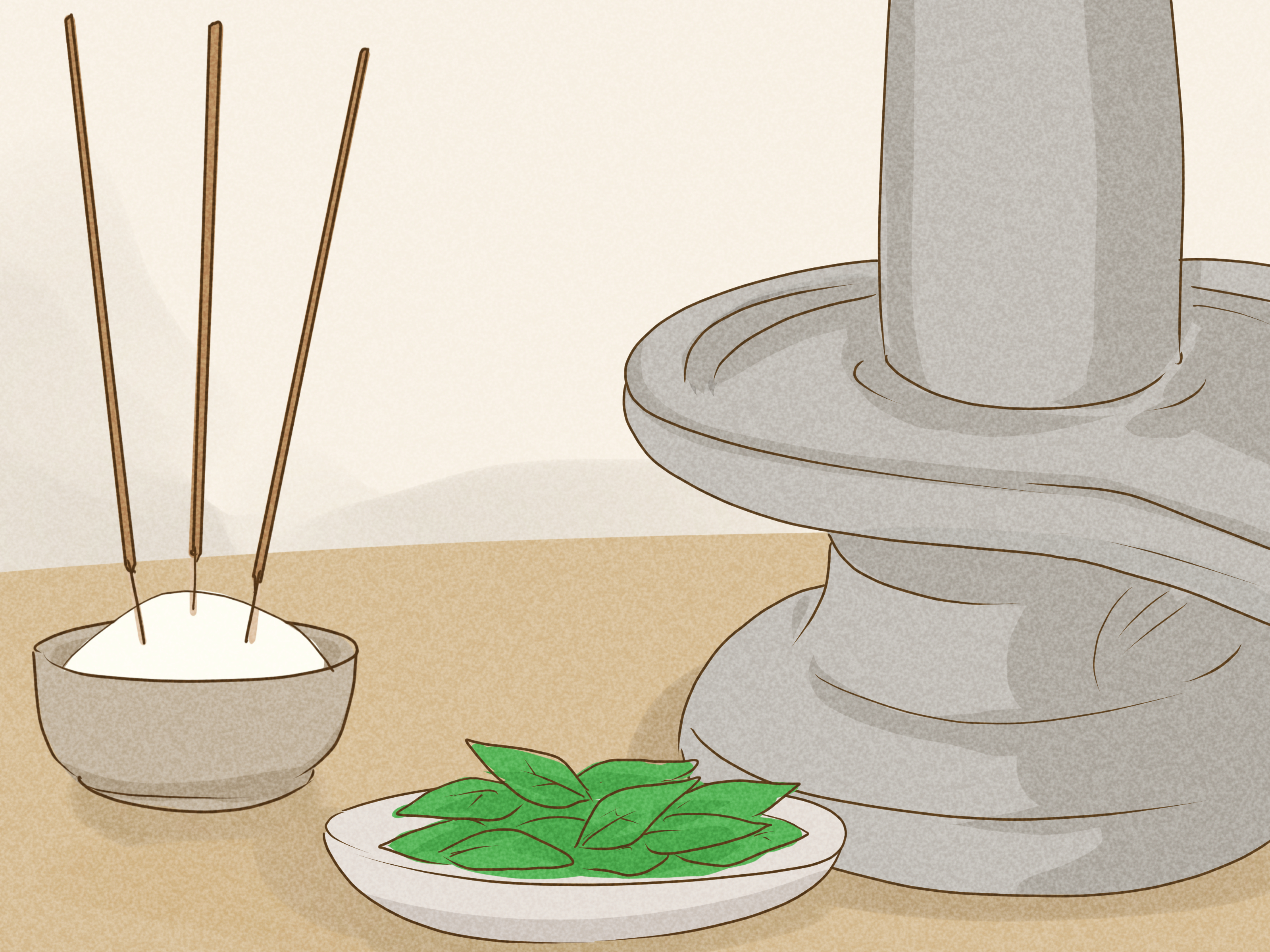
Gently wipe the base or surrounding area if needed. Apply vibhuti or sandalwood paste according to your tradition. Offer bilva leaves, flowers, or both. Bilva leaves are especially associated with Shiva worship and are commonly offered with devotion.
Step 8: Offer Prasad
Place fruit, sweets, or simple homemade food before Lord Shiva as prasad. Avoid tasting the food before offering it. Keep the offering clean and sattvic according to your family practice.
Step 9: Perform Aarti
Wave the diya in a circular motion before the Lingam or murti. You may sing a Shiva aarti, chant “Om Namah Shivaya,” or sit quietly in prayer. Aarti marks the joyful conclusion of the worship.
Step 10: Bow and Sit in Silence
End by bowing with gratitude. Sit silently for a minute or two. This quiet moment is important. It allows the energy of the ceremony to settle into your mind and heart.
Simple Shiva Abhishekam for Beginners
If you are new to the practice, try this short version:
- Clean the altar and sit quietly.
- Light a diya.
- Chant “Om Namah Shivaya.”
- Pour water over the Shiva Lingam.
- Offer flowers or bilva leaves.
- Offer fruit as prasad.
- Do a short aarti and bow.
This can take five to ten minutes. The ceremony does not need to be elaborate to be meaningful. A small ritual done with attention can be more powerful than a grand ritual performed while mentally making a grocery list.
Common Mantras for Shiva Abhishekam
The most accessible mantra is:
Om Namah Shivaya
You may chant it 11, 21, 51, or 108 times, depending on your time and comfort. Another widely used mantra is the Maha Mrityunjaya Mantra. If you are unfamiliar with pronunciation, listen to a reliable recording and practice slowly. Clear intention matters more than dramatic chanting volume. The neighbors do not need to think a temple loudspeaker moved into your living room.
Important Do’s and Don’ts
Do Keep It Clean and Respectful
Use clean vessels, fresh offerings, and a tidy altar. Dispose of used offerings respectfully. If milk or panchamrut has touched the Lingam and remained clean, some families treat it as sacred and use it according to their tradition. Others prefer to return liquid offerings to plants or a clean natural space. Avoid pouring large quantities down the drain if it can be prevented.
Do Use Small Quantities
Home Abhishekam should be devotional, not wasteful. A spoonful of milk offered with sincerity is enough. Shiva is not impressed by excess; Shiva is associated with simplicity, renunciation, and inner truth.
Do Respect Family Traditions
Some households follow specific rules about offerings, timing, fasting, or mantras. If your family has a tradition, honor it. If you are unsure, ask elders or a temple priest.
Don’t Stress Over Perfection
Mistakes happen. You may forget a mantra, spill a little water, or place the flowers in the wrong order. Stay calm. The spirit of the ritual is devotion, not performance anxiety.
Eco-Friendly Shiva Abhishekam Tips
A mindful home ceremony should also be practical and environmentally responsible. Use only what you need. Choose fresh, natural offerings when possible. Avoid synthetic decorations that create unnecessary waste. If you use flowers, compost them if your local system allows it. If you offer milk or yogurt, keep quantities modest.
Many modern families are choosing a water-only Abhishekam for daily practice and saving panchamrut for special occasions. This approach is simple, respectful, and easy to maintain.
When Should You Ask a Priest?
A simple home Shiva Abhishekam can be performed by devotees with sincerity. However, for formal Rudrabhishekam, major life events, temple-style ceremonies, or specific Vedic procedures, it is wise to consult a qualified priest. A priest can guide pronunciation, sankalp, offerings, and traditional sequence.
For everyday worship, begin simply. Let the practice grow naturally. Devotion is like a lamp: start with one flame, and the room begins to change.
Real-Life Experience: What Shiva Abhishekam at Home Feels Like
The first time many people perform Shiva Abhishekam at home, they expect it to feel complicated. There are items to arrange, mantras to remember, and that tiny worry in the back of the mind: “Am I doing this correctly?” But once the ritual begins, the anxiety often softens. The sound of water falling over the Shiva Lingam has a calming effect. The hands slow down. The breath becomes steadier. Even a small apartment can feel like a sacred space.
One of the most meaningful parts of home Abhishekam is how personal it becomes. In a temple, the ceremony is grand and powerful. At home, it is intimate. You may be standing in front of a small altar before sunrise, wearing simple clothes, with a cup of water in your hand and a sleepy household in the background. There may be no priest, no crowd, no perfect arrangement of flowers. Still, the moment can feel deeply complete.
Families often develop their own rhythm. A parent may chant while a child pours a spoonful of water. Someone may prepare fruit as prasad. Another person may light the lamp. Over time, the ceremony becomes less about “steps” and more about shared devotion. Children remember the fragrance of incense, the sound of the bell, the cool touch of water, and the repeated chant of “Om Namah Shivaya.” These small memories become cultural roots.
There is also a practical beauty in the ritual. Shiva Abhishekam teaches care. You prepare the space carefully, offer each item slowly, clean up respectfully, and sit quietly afterward. In a world that often rewards speed, the ceremony rewards attention. You are not multitasking. You are not scrolling. You are not half-listening while answering messages. For a few minutes, your whole being is directed toward one sacred act.
Some devotees describe a feeling of emotional release during Abhishekam. The pouring of water can feel symbolic: worries, irritation, pride, fear, and heaviness are offered into the flow. The ritual does not magically erase life’s challenges, but it can change how you carry them. You may finish the ceremony with the same responsibilities waiting for you, but with a quieter heart and a little more courage.
Another memorable experience is learning that simplicity is not a weakness. Many beginners think a proper Shiva Abhishekam requires many ingredients. Then they discover that a water-only Abhishekam, performed with sincerity, can be profoundly peaceful. The beauty is not in the number of offerings. It is in the quality of attention. The ceremony gently reminds you that Lord Shiva, the great yogi, is not asking for luxury. He is inviting stillness, truth, and devotion.
At home, Shiva Abhishekam becomes a bridge between tradition and daily life. It can fit into a busy Monday morning, a quiet evening, a festival night, or a difficult day when you need grounding. Over time, the ritual may become less like something you “perform” and more like a place you return toa small sanctuary made of water, mantra, light, and love.
Conclusion
Shiva Abhishekam at home is a sacred, accessible, and deeply calming way to worship Lord Shiva. Whether you perform a simple water Abhishekam or a fuller ceremony with panchamrut, flowers, bilva leaves, aarti, and mantras, the heart of the ritual remains the same: devotion. You do not need perfection. You need sincerity, cleanliness, respect, and a willingness to pause.
Start small. Learn gradually. Honor your family tradition where possible. Keep the offerings modest, the space clean, and the intention pure. When performed with love, Shiva Abhishekam can turn an ordinary corner of your home into a place of peaceand sometimes, that is exactly the miracle we need.