Shoulder exercises do not need to look like a superhero training montage to be effective. In fact, some of the best moves for shoulder strength and posture look suspiciously simple: sliding your arms up a wall, rotating a resistance band, or pulling your shoulder blades together like you are politely trying to crack a walnut between them.
But simple does not mean easy, and it definitely does not mean useless. Your shoulders are among the most mobile joints in the body. That mobility is wonderful when you are reaching for the top shelf, throwing a ball, washing your hair, or dramatically pointing at a restaurant menu. The trade-off is that the shoulder depends heavily on muscles, tendons, and good movement patterns for stability.
This article breaks down a practical shoulder exercises video routine featuring three moves to improve strength, posture, shoulder stability, and upper-body control. These exercises are beginner-friendly, require minimal equipment, and can be done at home, at the gym, or in that suspiciously empty corner of your office where nobody knows you are secretly improving your posture.
Why Shoulder Strength and Posture Matter
Modern life is not exactly a spa retreat for your shoulders. Many people spend hours sitting at a desk, looking down at a phone, driving, typing, or leaning forward toward a screen as if the laptop is about to whisper ancient secrets. Over time, this can contribute to rounded shoulders, tight chest muscles, weak upper-back muscles, and poor shoulder blade control.
Good posture is not about standing stiff like a soldier in a movie scene. It is about helping your body stack itself efficiently so your muscles do not have to fight gravity all day. When the shoulders sit slightly back and down, the neck often feels less strained, the chest opens more naturally, and the upper back can do its job without filing a formal complaint.
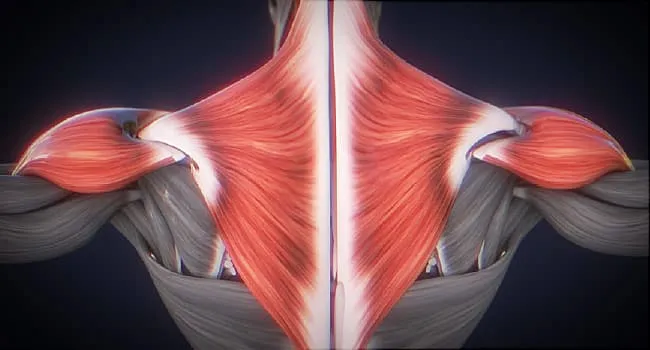
Shoulder strengthening exercises can help train the rotator cuff, rear deltoids, rhomboids, trapezius, and serratus anterior. These muscles work together to guide the shoulder blade, support the arm, and keep movement smooth. The goal is not just bigger shoulders; it is better shoulders.
The 3-Move Shoulder Exercises Video Routine
This routine focuses on three highly useful movements: wall angels, band external rotations, and band face pulls. Together, they target mobility, rotator cuff strength, scapular control, and postural endurance.
Before filming or following a shoulder exercises video, remember this rule: controlled movement beats flashy movement every time. Your shoulders are not impressed by speed. They are impressed by form, consistency, and not being yanked around like a stubborn lawn mower cord.
Move 1: Wall Angels for Posture and Shoulder Mobility
Best for: rounded shoulders, upper-back awareness, shoulder mobility, posture training.
Wall angels look easy until you actually try them. Then your shoulders may reveal that they have been living in a cave for the last several years. This move helps you practice shoulder movement while keeping your ribs, spine, and shoulder blades under control.
How to do wall angels
- Stand with your back against a wall. Place your feet a few inches away from the wall if needed.
- Gently tuck your chin so your head is not jutting forward.
- Keep your ribs down and avoid arching your lower back.
- Bring your arms up into a “goalpost” position with elbows bent.
- Slowly slide your arms upward, then return to the starting position.
- Move only as far as you can while keeping control.
Recommended reps: 2 sets of 8 to 12 slow repetitions.
Video cue: From the side angle, viewers should see that the ribs do not flare forward. From the front angle, viewers should see the elbows and wrists moving smoothly without shrugging.
Common mistakes to avoid
- Arching the lower back to force the arms higher.
- Shrugging the shoulders toward the ears.
- Moving too fast and losing control.
- Forcing painful range of motion.
If wall angels feel too difficult, try them lying on the floor or perform a smaller range of motion. Your body gets credit for honest effort, not dramatic suffering.
Move 2: Band External Rotations for Rotator Cuff Strength
Best for: rotator cuff strength, shoulder stability, injury prevention, better arm control.
The rotator cuff is a group of small but mighty muscles that help stabilize the shoulder joint. They are not always the stars of the workout, but they are the crew keeping the whole production from falling apart. External rotations are one of the most useful ways to train these muscles.
How to do band external rotations
- Anchor a light resistance band at about elbow height, or hold one end of the band with your opposite hand.
- Stand tall with your working elbow bent at 90 degrees and tucked close to your side.
- Keep your wrist straight and your shoulder relaxed.
- Rotate your forearm outward, away from your body.
- Pause briefly, then slowly return to the starting position.
- Repeat on both sides.
Recommended reps: 2 to 3 sets of 10 to 15 reps per side.
Video cue: Place a small towel between the elbow and ribs. This helps viewers keep the elbow stable instead of letting it wander off like it has weekend plans.
Common mistakes to avoid
- Using a band that is too heavy.
- Letting the elbow drift away from the body.
- Twisting the torso instead of rotating the shoulder.
- Rushing the return phase.
This is not a “go heavy or go home” exercise. For rotator cuff work, lighter resistance and cleaner form are usually better. The movement should feel controlled, not like a battle against an angry rubber snake.
Move 3: Band Face Pulls for Upper Back and Posture
Best for: rear shoulders, upper-back strength, scapular control, posture support.
Band face pulls are a favorite for strengthening the muscles that help pull the shoulders back and support a more upright posture. They target the rear deltoids, mid-back, and shoulder blade stabilizers. If wall angels teach awareness and external rotations train stability, face pulls build the postural engine.
How to do band face pulls
- Anchor a resistance band at about face height.
- Hold one end of the band in each hand and step back until there is light tension.
- Stand tall with your ribs down and feet about hip-width apart.
- Pull the band toward your face while keeping your elbows high but relaxed.
- Squeeze your shoulder blades gently together.
- Slowly return to the starting position.
Recommended reps: 2 to 3 sets of 10 to 15 reps.
Video cue: Tell viewers to think “pull toward the nose or forehead, not the neck.” The movement should feel like upper-back work, not a dramatic tug-of-war with gym equipment.
Common mistakes to avoid
- Leaning backward to move the band.
- Pulling too low toward the chest.
- Over-squeezing the shoulder blades.
- Letting the neck tense up.
A good face pull should make the upper back feel awake. It should not make your neck feel like it just read a stressful email.
How to Turn These 3 Moves Into a Simple Shoulder Workout
Here is a quick structure you can follow for a short shoulder exercises video or a home workout routine:
| Exercise | Sets | Reps | Main Benefit |
|---|---|---|---|
| Wall Angels | 2 | 8–12 | Posture and shoulder mobility |
| Band External Rotations | 2–3 | 10–15 per side | Rotator cuff strength |
| Band Face Pulls | 2–3 | 10–15 | Upper-back and rear shoulder strength |
Do this routine two to three times per week. If you already train your upper body, add it as a warm-up or finisher. If you are new to exercise, start with one round of each move and build gradually.
Warm-Up Before Shoulder Exercises
A warm-up does not need to be complicated. The point is to increase blood flow, wake up the muscles, and prepare the shoulders for movement. Spend three to five minutes on gentle arm circles, shoulder rolls, cat-cow movements, or light band pull-aparts.
Do not skip the warm-up and then blame your shoulders for being dramatic. Muscles like a polite introduction before work begins.
Who Should Be Careful With Shoulder Exercises?
These moves are generally low-impact, but they are not a replacement for medical care. If you have sharp pain, swelling, recent injury, a known rotator cuff tear, numbness, weakness, or pain that gets worse with exercise, talk with a healthcare professional or physical therapist before starting.
Also, if a movement causes pinching pain in the front or top of the shoulder, reduce the range of motion or stop. Mild muscle effort is normal. Sharp pain is not a badge of honor; it is your body sending a strongly worded email.
Why These Exercises Help Posture
Posture improves when your body has both mobility and strength. Stretching alone may feel good, but without strengthening the muscles that hold better alignment, your body often returns to old habits. That is why this three-move routine combines movement control, rotator cuff activation, and upper-back strengthening.
Wall angels encourage shoulder mobility and awareness. Band external rotations strengthen the muscles that help stabilize the shoulder joint. Face pulls train the upper back and rear shoulders, which can help counter the forward-rounded position many people develop from desk work and phone use.
How to Film a Shoulder Exercises Video That People Actually Follow
If you are creating a shoulder exercises video for your website, YouTube channel, fitness blog, or social media, clarity matters more than cinematic drama. You do not need fog machines, neon lights, or an intense soundtrack that makes a resistance band feel like a Marvel villain.
Use clear camera angles
Show each exercise from the front and side. The front view helps viewers see arm position, while the side view helps them understand posture, rib position, and neck alignment.
Explain what viewers should feel
For wall angels, they should feel gentle mobility work around the shoulders and upper back. For external rotations, they should feel the back of the shoulder working. For face pulls, they should feel the upper back and rear shoulders.
Give modifications
Offer easier versions. Wall angels can be done on the floor. External rotations can be done with a very light band. Face pulls can be performed with less resistance or a shorter range of motion.
Keep the routine short
A strong video routine can be completed in 8 to 12 minutes. Most people are more likely to repeat a simple routine than survive a 45-minute shoulder encyclopedia.
How Often Should You Do Shoulder Exercises?
For most healthy adults, two or three sessions per week is a realistic starting point. You can also perform gentle posture drills daily if they do not cause pain. The key is consistency. One perfect workout followed by three weeks of forgetting it exists will not do much. A few focused sessions every week can make a meaningful difference over time.
Progress gradually. Start with light resistance, smooth reps, and clean technique. When the movement becomes easy, increase tension slightly or add another set. Your shoulders should feel stronger and more controlled, not exhausted and cranky.
Common Shoulder Exercise Mistakes
Using too much resistance
Heavy bands can turn good form into shoulder chaos. Choose a resistance level that lets you control every rep.
Shrugging during every movement
If your shoulders keep climbing toward your ears, pause and reset. The upper traps are helpful muscles, but they do not need to RSVP to every exercise.
Ignoring the upper back
Strong shoulders need support from the shoulder blades and upper back. That is why face pulls and wall angels matter.
Training through pain
Exercise should challenge you, not punish you. Pain that is sharp, radiating, or worsening deserves attention.
Real-Life Experience: What This 3-Move Shoulder Routine Feels Like Over Time
The first time many people try this shoulder routine, they are surprised by how much effort it takes. Wall angels may look like a calm mobility drill, but they quickly expose tightness in the chest, stiffness in the upper back, and that classic “I sit at a computer for a living” shoulder position. At first, the arms may not touch the wall. The lower back may want to arch. The neck may try to help even though nobody invited it. That is normal.
After a week or two of consistent practice, most people begin to notice better awareness. They catch themselves slouching sooner. They realize when their shoulders are creeping upward during work calls. They may even adjust their desk setup because their body has started sending clearer signals. This is one of the underrated benefits of posture-focused shoulder exercises: they do not just build muscle; they teach attention.
Band external rotations often feel humbling. Someone who can press heavy dumbbells may discover that a light resistance band is plenty. That is because the rotator cuff is not trained by ego. It responds best to precision. Over time, the movement usually feels smoother. The shoulder may feel more centered during push-ups, rows, presses, or daily tasks like carrying groceries. It is not flashy progress, but it is the kind of progress your joints appreciate.
Face pulls tend to feel the most satisfying. After several sessions, people often describe a stronger “open chest” feeling and better upper-back engagement. This does not mean posture is magically fixed forever. Your body still adapts to what you do most. If you sit rounded forward for eight hours and do one set of face pulls, the math is not exactly in your favor. But when these exercises become part of a weekly routine, they can help balance the demands of desk work, driving, phone use, and regular workouts.
One helpful experience-based tip is to do the routine at the same time each day or week. For example, perform it after brushing your teeth in the morning, before an upper-body workout, or during a mid-afternoon screen break. Habit beats motivation. Motivation is wonderful, but it has a habit of disappearing the moment the couch looks comfortable.
Another practical tip is to record yourself. A quick phone video can reveal whether your ribs are flaring during wall angels, your elbow is drifting during external rotations, or your neck is tensing during face pulls. You do not need to post the video. This is not a documentary. It is just feedback.
Over four to six weeks, the routine can feel less like “corrective exercise” and more like basic shoulder hygiene. Just as brushing your teeth prevents bigger problems, a few minutes of shoulder mobility and strengthening can help maintain better movement quality. The best part is that the routine is simple enough to keep doing. No complicated machines. No circus tricks. No need to understand 47 Latin muscle names before breakfast.
The biggest lesson from using these three moves consistently is this: better posture is not a pose. It is a skill. Shoulder strength is not only about lifting more weight. It is about controlling movement, breathing well, staying aware, and giving the small stabilizing muscles the attention they deserve.
Conclusion
A good shoulder exercises video does not need dozens of moves to be effective. With wall angels, band external rotations, and band face pulls, you can build a simple routine that supports shoulder strength, posture, mobility, and upper-body control. These three moves work because they address common weak points: stiff shoulders, undertrained rotator cuff muscles, and upper-back weakness.
Start light, move slowly, and focus on clean form. Use the routine two to three times per week, or add it to your warm-up before upper-body training. Most importantly, pay attention to how your shoulders feel. Strong, healthy shoulders should help you move better through everyday life, not just look impressive in a tank top while reaching for almond butter on the top shelf.