Some homes look organized because they have enormous closets, custom cabinets, and perhaps a suspicious number of matching baskets. Most organized homes, however, stay functional for a much simpler reason: their owners have learned how to make decisions about their belongings.
That is the real lesson behind today’s most useful decluttering secrets. A clutter-free home is not created by hiding everything in containers or labeling seventeen bins “miscellaneous.” It is created by reducing excess, giving important objects logical homes, and building routines that are easy enough to survive an ordinary Tuesday.
The organized-home ideas gaining attention now are refreshingly realistic. They do not require becoming a minimalist monk or thanking every unmatched sock for its service. They focus on small zones, visible progress, responsible disposal, and systems designed around how people actually live.
Why Decluttering Feels Harder Than It Looks
Decluttering appears to be a physical job, but most of the work happens between your ears. Every object asks a question: Do I use this? Will I need it later? Was it expensive? Did my aunt give it to me? Could it become useful during a highly specific emergency involving three extension cords and a fondue set?
Hundreds of those tiny decisions can create decision fatigue. That is why staring at an entire garage rarely produces action. The project feels too large, so the brain suggests a more urgent activity, such as checking the weather in a city you do not live in.
Clutter can also represent postponed decisions. A stack of mail is not merely paper; it is a row of unanswered questions. A crowded closet may contain several former versions of your lifestyle. The exercise equipment under the bed might be less of a fitness system and more of a dusty monument to January.
Effective decluttering methods reduce the number of decisions you must make at one time. Instead of “organize the house,” the task becomes “clear one bathroom drawer.” That smaller instruction gives you a visible finish line and makes it easier to begin.
Secret 1: Declutter Before You Organize
The most important home organization tip is also the one retailers would rather you forget: do not buy storage products before reducing what you own.
Containers do not eliminate clutter. They give clutter better accommodations. A stylish basket filled with dead batteries, old receipts, mystery keys, and expired coupons is still a junk pile wearing a nice sweater.
Remove the obvious items first
Begin with decisions that require almost no emotional energy:
- Trash and empty packaging
- Broken objects you will not repair
- Expired food, cosmetics, and household products
- Duplicate items you never use
- Clothing that is damaged beyond practical repair
- Paperwork that no longer needs to be retained
This first sweep creates space and momentum. Once the obvious clutter is gone, you can evaluate the remaining items more accurately. Only then should you measure shelves, choose dividers, or purchase bins.
Secret 2: Work in Micro-Zones, Not Entire Rooms
“Declutter the kitchen” sounds like a weekend sentence. “Declutter the mug shelf” sounds possible before lunch. Breaking a room into micro-zones is one of the most reliable ways to prevent overwhelm.
A micro-zone might be one drawer, one pantry shelf, the top of a nightstand, or the section of a closet containing shoes. Finish that space completely before moving to another. The completed zone becomes visual proof that progress is happening.
Try the ski-slope approach
When a room is especially chaotic, move through it in a deliberate zigzag pattern, working from one small section to the next. Do not bounce randomly between the bookshelf, the dresser, and the closet. That creates several unfinished projects and a room that somehow looks worse than when you started.
Choose one corner, complete it, move sideways, and continue across the space. Like skiing down a slope, the indirect path can be safer and more manageable than charging straight toward the biggest mess.
Secret 3: Use Time Limits to Defeat Perfectionism
You do not need six free hours, a color-coded spreadsheet, and an inspirational playlist called “Conquer the Linen Closet.” Ten focused minutes can produce a meaningful result.
The popular 10-10 method offers a simple challenge: spend 10 minutes removing or relocating 10 items. It works well for entryways, bathroom counters, junk drawers, handbags, nightstands, and piles of mail.
A 15- or 30-minute timer can help with slightly larger zones. During the timed session, focus only on decluttering. Do not begin deep-cleaning the baseboards, researching antique values, or reading a magazine you found behind the couch. Those are classic escape routes.
Stop when the timer ends or complete the current micro-zone. A limited session protects your energy and makes it easier to return tomorrow. Consistency usually beats the heroic annual purge that leaves everyone exhausted and surrounded by donation bags for three months.
Secret 4: Ask Better Questions About What You Keep
The question “Could I ever use this?” is nearly useless. With enough imagination, almost anything could become useful. A chipped bowl might serve as a planter, a craft container, or emergency storage for seventeen buttons. Possibility is not the same as probability.
Use present-tense decision questions
- Do I use this in my current life?
- Would I buy it again today at full price?
- Would I pack it if I were moving next month?
- Do I own another item that performs the same job better?
- Is this worth the space and maintenance it requires?
- Am I keeping the object or keeping the guilt attached to it?
These questions shift attention away from the object’s past price or hypothetical future. They focus on whether it supports your life now.
The move-out method is particularly effective. Imagine paying to box, carry, transport, unpack, and store the item in another home. Suddenly, the fourth vegetable peeler must present a strong legal defense.
Secret 5: Protect Clear Surfaces
Flat surfaces attract clutter with the enthusiasm of a refrigerator attracting souvenir magnets. One envelope lands on the kitchen counter, followed by a charger, two school papers, a reusable bag, and a mug that has apparently applied for permanent residency.
Clear surfaces make an entire room feel calmer, even when cabinets and closets are not perfect. Give high-traffic surfaces specific rules. The dining table may hold only dining items. The bathroom counter may display only products used every day. The entry console may contain a key tray and one inbox for incoming paper.
When something appears on a protected surface, address it quickly. Put it away, discard it, or place it in a temporary relocation basket that must be emptied during the evening reset. The basket is a transit station, not a retirement community.
Secret 6: Create Homes Near the Point of Use
An organizing system succeeds when returning an item is easier than abandoning it. If family members always drop their keys near the door, install a hook or tray there. Do not create a key station in a distant office simply because it looks attractive in a photograph.
Store objects close to where they are used:
- Cleaning supplies near the rooms they serve
- Lunch containers beside food-preparation areas
- Extra towels near the bathroom
- Remote controls beside the main seating area
- Pet supplies near the feeding or walking station
- Reusable shopping bags near the exit or in the car
Frequently used items should occupy the most accessible shelves and drawers. Seasonal or occasional items can live higher, lower, or farther back. Accessibility is valuable storage real estate; do not give the penthouse suite to a punch bowl used once every four years.
Secret 7: Leave Breathing Room
An organized drawer should not require advanced engineering to close. Shelves, closets, and cabinets function better when they contain some empty space.
A practical target is to leave approximately 20 percent of a storage area open when possible. The precise percentage matters less than the principle. Empty space allows you to see what you own, retrieve items without an avalanche, and accommodate reasonable future additions.
Visible breathing room also makes maintenance easier. When every container is packed to the lid, putting away one new item requires rearranging an entire category. That friction encourages people to leave objects on counters, chairs, and floors.
Do not treat unused shelf space as a problem demanding immediate occupation. Empty space is not wasted. It is the working room that makes the system functional.
Secret 8: Give Sentimental Items Boundaries
Sentimental clutter is difficult because the object often represents a person, achievement, period of life, or hoped-for identity. You are not deciding whether to keep an old concert ticket. You are deciding what the memory means.
Begin with easier categories before tackling deeply emotional possessions. When you are ready, choose a physical boundary, such as one memory box per family member or one shelf for inherited objects. A boundary encourages thoughtful selection without demanding that you discard everything.
Keep the best representative, not every representative
You may not need twenty school projects to remember a child’s elementary years. Select a few that show personality, creativity, or growth. Photograph bulky pieces before letting them go. Display meaningful inherited objects instead of packing every item into boxes no one opens.
Keeping fewer sentimental possessions can make the chosen pieces more visible and valuable. When everything is labeled precious, the truly important objects can disappear into the crowd.
Secret 9: Control What Enters the Home
Decluttering cannot succeed if the front door operates like a one-way intake valve. Long-term organization requires managing acquisition as carefully as disposal.
The one-in, one-out rule is a useful maintenance habit. When a new shirt, mug, toy, or kitchen tool enters, one existing item from the same category leaves. Homes that already contain substantial excess may temporarily use a stricter ratio, such as one in and two or three out.
Pause before purchasing organizers, decorative objects, bulk packages, and aspirational hobby supplies. Ask where the item will live and what problem it solves. A discount does not create storage space, and buying twelve of something you rarely use is not saving money. It is renting your closet to a warehouse.
Secret 10: Remove Donations Immediately
A donation bag is not decluttered until it has left the home. Bags that remain in hallways, garages, or car trunks can become permanent secondary storage. They may also invite second-guessing.
Before starting a major session, decide where outgoing items will go. Check local donation requirements, arrange a pickup when available, or schedule a specific drop-off time. Sell only objects whose likely value justifies the effort. Give unsold items a deadline so the dining room does not become a gloomy little department store.
Usable clothing, furniture, books, linens, and household goods may benefit charities, shelters, schools, community groups, or reuse organizations. Electronics and hazardous household materials may require specialized recycling. Local rules vary, so responsible decluttering includes checking municipal guidance rather than sending everything directly to a landfill.
Room-by-Room Decluttering Priorities
Entryway
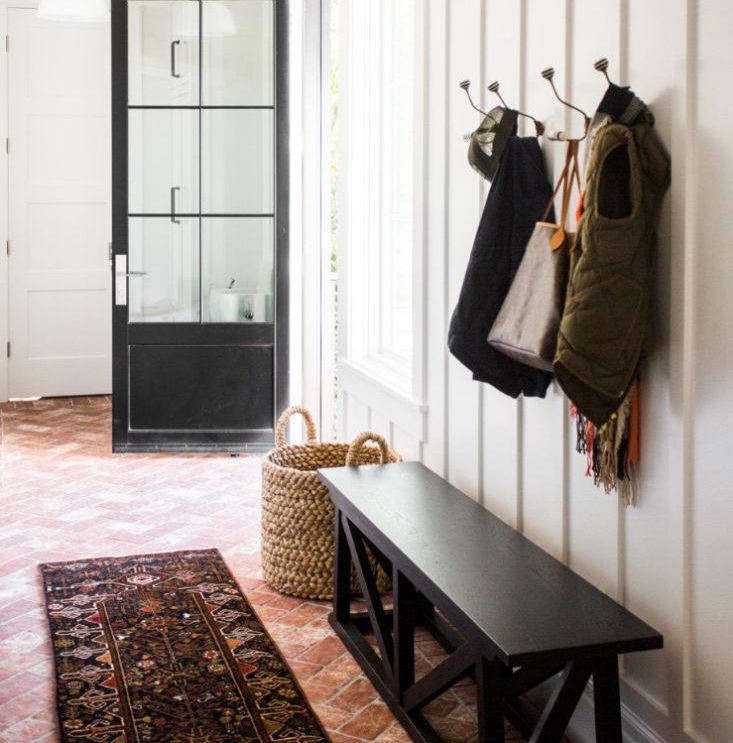
Remove shoes that are rarely worn, outdated mail, empty bags, and seasonal items that have overstayed their welcome. Add only the hooks, trays, or baskets needed for daily arrivals and departures.
Kitchen
Start with expired food, duplicate utensils, unused gadgets, excessive drinkware, and storage containers without matching lids. Keep counters open for cooking rather than using them as long-term storage.
Bathroom
Review expired or unused products, sample-size toiletries, worn towels, and duplicates. Group daily necessities together and move occasional supplies away from the prime counter area.
Bedroom
Clear the nightstand, floor, and chair that has quietly become an open-air closet. Evaluate clothing by fit, comfort, condition, and frequency of use rather than by guilt or former purchase price.
Living Room
Reduce decorative objects, old magazines, unused electronics, spare cables, and toys without designated homes. Leave enough open space for the room’s primary activities.
Garage and Storage Areas
Remove broken equipment, empty packaging, dried paint when local disposal rules permit, outgrown sports gear, and mystery boxes that have survived multiple moves. Use durable labeled containers for items that genuinely need protection.
The Five-Minute Habit That Keeps Clutter Away
The organized home is not permanently finished. People live in it, groceries arrive, laundry happens, and someone will always place an object in a location that makes no earthly sense.
A brief evening reset prevents normal daily activity from becoming a larger project. Set a timer for five or ten minutes and return visible items to their homes. Clear the main counter, process obvious trash, gather dishes, straighten shoes, and prepare the entryway for tomorrow.
Household members should share ownership of the system. That means more than occasionally helping the person who usually notices everything. Each person can take full responsibility for specific categories or zones, including recognizing when the task needs attention and completing it.
The goal is not a showroom. It is a home that can recover quickly from everyday life.
A Realistic Decluttering Experience: What a Weekend Reset Teaches You
Imagine beginning a Saturday morning with a modest goal: clear the kitchen counters and organize one cabinet. The project seems almost suspiciously manageable. Then you open the cabinet and discover nine travel mugs, three cracked food containers, five lids with no visible partners, and a small appliance last used when people still printed driving directions.
The first lesson arrives quickly: clutter is often invisible until everything is pulled into view. When possessions are stacked behind one another, the cabinet looks full but not necessarily excessive. Once the contents are spread across the table, duplication becomes obvious. No household needs five nearly identical spatulas unless it is preparing to host a very competitive pancake tournament.
The second lesson is that easy decisions create momentum. The broken lid, expired package, and badly stained container leave immediately. The useful duplicates go into a donation box. Within 15 minutes, the pile is smaller, and the project feels less like a referendum on your entire life.
The difficult items come next. There is an expensive gadget that works perfectly but is annoying to clean. There is a serving tray received as a gift and used once. There are mugs connected to trips, jobs, events, and people. This is where practical questions help. Would you buy the gadget again? Would you pay to move the tray? Which two souvenir mugs carry the strongest memories?
After the decisions are made, the remaining items return to the cabinet by category. Daily drinkware occupies the easiest shelf. Food containers are nested with their lids stored vertically. Occasional serving pieces move higher. One section remains intentionally empty.
The clear counter produces an immediate change in the room. Preparing lunch is easier because there is space to work. Wiping the surface takes seconds instead of requiring a small archaeological excavation. The kitchen does not look professionally staged; it simply looks ready to be used.
Later that day, however, another lesson appears. The donation box is still by the door, and several relocated objects are waiting on the stairs. Decluttering creates unfinished logistics. Items must be delivered, recycled, repaired, or returned to their actual homes. Without that final step, clutter has merely changed neighborhoods.
The box goes into the car for a scheduled donation stop. Electronics are separated for an appropriate recycling program. The relocated objects are put away before dinner. What began as one cabinet produces a repeatable process: expose the contents, remove obvious excess, make present-tense decisions, organize what remains, and complete the exit plan.
The most surprising result is not the empty shelf. It is the reduction in small daily irritations. The correct lid is easier to find. The counter is available. Nothing falls forward when the cabinet opens. Those tiny improvements explain why sustainable decluttering feels more valuable than a dramatic makeover. The home begins asking less of you.
That experience also changes future shopping decisions. When you have personally handled nine travel mugs, a tenth mug is no longer an innocent purchase. It arrives with a storage requirement, cleaning responsibility, and eventual disposal decision. Decluttering teaches that every possession comes with a small job description.
A successful organized home therefore does not depend on constant enthusiasm. It depends on systems that make good choices easier. Start small, complete the entire cycle, and repeat the process before clutter becomes intimidating. One cabinet may not transform a house in a day, but it can transform how you manage the house from that day forward.
Conclusion: An Organized Home Is a Home That Works
The best decluttering secrets are not really secrets. Reduce before organizing. Work in small zones. Protect clear surfaces. Store items near where they are used. Leave breathing room. Set boundaries for sentimental possessions, control incoming clutter, and complete the removal process promptly.
Most importantly, design your home organization systems for real people rather than imaginary versions of your family who alphabetize snacks for entertainment. A sustainable system should be obvious, accessible, and forgiving.
Decluttering is not a competition to own the fewest objects. It is a way to ensure that your possessions support your routines instead of interrupting them. When every useful item has a logical place and unnecessary items stop consuming space, the result is not merely a tidier house. It is a calmer, easier home.