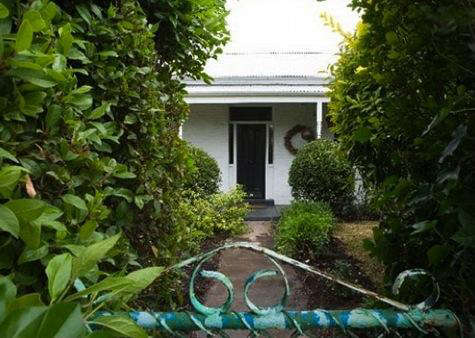
If many hotels are designed to impress you in the lobby and then quietly bore you upstairs, The White House in Daylesford goes in the opposite direction. It is not a big-box resort, not a glossy chain, and definitely not the kind of place where every room looks as if it was assembled by a committee with a beige addiction. Instead, this Daylesford stay feels personal, storied, and deeply rooted in its setting. Housed in an 1850s miner’s cottage and shaped by the eye of interior stylist Lynda Gardener, The White House has become one of those rare boutique accommodations that people remember in pictures before they even remember the street address.
That matters because Daylesford itself is not just another country town in Victoria. It is one of Australia’s best-known spa destinations, a place where mineral springs, heritage buildings, cool-climate gardens, and indulgent food all work together to make weekends disappear faster than the last slice of good sourdough at brunch. In that setting, The White House makes perfect sense. It gives guests a home base that feels more intimate than a traditional hotel and more stylish than the average vacation rental. It is a place for travelers who want atmosphere, not just accommodation; character, not just square footage.
So what exactly makes The White House in Daylesford special? The short answer is that it turns lodging into part of the destination. The longer answer is much more fun, and far more decorated with antique mirrors, layered linens, claw-foot tubs, and just enough rustic drama to make you want to cancel your return trip home.
Why The White House Stands Out in Daylesford
The White House sits in the heart of Daylesford, tucked into a garden and partially hidden behind an old hedge, which is already a promising start if your dream getaway involves privacy, greenery, and the faint possibility of becoming a more interesting person over the course of a weekend. The property began life as an 1850s miner’s cottage, and that history is not treated as a cute footnote. It shapes the atmosphere of the stay. Instead of polishing the building into something anonymous, the design keeps the rustic bones visible and lets the old structure lead the conversation.
This is one of the strongest reasons The White House feels memorable. It does not pretend to be a five-star urban hotel transplanted into the countryside. It leans into what it is: a historic cottage in spa country, reimagined for modern guests who appreciate design. The effect is warm rather than theatrical. There is restraint here, but not dullness. Every room feels collected instead of decorated. That distinction is important. Decor can be bought in a day; a collected interior takes years of instinct, editing, and treasure hunting.
The layout also adds to its appeal. The property includes two bedrooms inside the main house and a third bedroom set apart in the private Garden Room. That means it works for more than one kind of traveler. Couples can treat it as a romantic hideaway, while a small group of friends can use the separate bedroom setup without feeling as if they are all sleeping inside one oversized Instagram post. It is boutique lodging with flexibility, which is harder to find than the travel industry likes to admit.
The Daylesford Setting: Spa Country with a Design Brain
Daylesford is about 90 minutes northwest of Melbourne, close enough for a city escape and far enough away to make your inbox feel emotionally irrelevant. The town is famous for its mineral springs and wellness culture, but reducing it to “spa town” would be unfair. Daylesford has a layered identity. It has roots in the gold-rush era, a strong visual sense of history, a notable food scene, and a long-standing appeal for travelers who prefer experiences with texture over generic luxury.
One of the region’s defining attractions is its mineral water culture. Daylesford and nearby Hepburn Springs are known for a remarkable concentration of natural mineral springs, which helped shape the area’s reputation as a place of rest, bathing, and therapeutic escape. That gives any stay here a different rhythm. Visitors are not rushing from attraction to attraction as if collecting points. They are strolling, soaking, tasting, browsing, and taking the scenic route on purpose. It is wellness without the need to lecture anybody about kale.
Travelers also come for the food. Daylesford’s dining reputation is bigger than its size would suggest, with respected restaurants, cafés, and produce-driven experiences giving the town a distinctly polished appetite. This matters for The White House because the property is within walking distance of cafés and well-known restaurants, while the house itself includes a large kitchen and dining space that make lingering meals part of the experience. In other words, you can go out and dine beautifully, or stay in and produce your own heroic cheese-board moment.
What to Do Nearby
Lake Daylesford is one of the easiest and most appealing nearby stops. It is one of those places that does not demand an agenda. You can walk, pause, watch birds, sit near the water, or simply pretend you are the sort of person who always has time for reflective lake loops. The Peace Mile walk around the lake is especially easy to love because it offers a gentle, scenic route that suits almost everyone, from committed walkers to people whose main sporting achievement is carrying coffee without spilling it.
Then there is Wombat Hill Botanic Gardens, perched above town and full of the kind of old-fashioned beauty that makes modern life feel excessively noisy. Mature trees, winding paths, and elevated views give the gardens a calm, almost ceremonial atmosphere. Nearby cultural stops, including The Convent Gallery, add another layer to a Daylesford stay. The town is small, but it has range: lake, garden, gallery, spa, and table. That combination is a big reason travelers return.
Inside The White House: Design That Does Not Try Too Hard
The best boutique accommodations know how to create mood without turning the guest into a prop. The White House gets this right. Its design language is often described as vintage, rustic, and a little industrial, and that mix is visible throughout the house. There are dark floorboards, fresh white walls, handmade linens, antique mirrors, industrial lighting, textured textiles, and furniture that looks as though it has earned the right to be there. Nothing feels too new, too perfect, or too eager for approval.
That is a major part of the charm. The interiors avoid the polished sameness that affects so many high-end stays. Instead, they feel lived-in in the best possible sense. The house is layered with books, art, old finds, statement chairs, and one-off pieces that give each room its own personality. Guests are not simply renting a bed; they are inhabiting a point of view. For travelers who care about interiors, that can be as memorable as the destination itself.
Even the shared spaces seem designed for a specific emotional outcome: exhale. The lounge room centers around a huge fireplace, which makes winter stays especially appealing. There is also a private library with vintage leather club chairs and richly visual details that invite slower hours. This is not accidental design. It is design with behavioral intent. The house encourages reading, lingering, bathing, talking over dinner, and doing absolutely nothing with conviction.
Bedrooms, Baths, and the Garden Room
The sleeping arrangements are part of what make The White House practical as well as pretty. Two bedrooms sit within the main house, while the third bedroom is in the separate Garden Room a few meters away. That Garden Room is not an afterthought or overflow situation. It has its own bathroom, a claw-foot bath, a feeling of privacy, and an airy quality created by high ceilings and large French doors opening toward the garden. For friends traveling together, or couples wanting a bit of breathing room, that split layout is ideal.
The bathrooms deserve their own applause. The main bathroom is one of the home’s signature spaces, pairing an original claw-foot iron bath with antique and industrial elements, whitewashed walls, and a French chandelier that says, very politely, “You may now romanticize your life.” The separate Garden Room bathroom also includes a claw-foot cast iron bath and overhead shower. In a destination known for wellness, these details do more than look good. They support the whole Daylesford mood.
Meanwhile, the dining area and kitchen make self-catering feel glamorous rather than practical. With concrete benchtops, a large oven, curated furniture, and garden views, the dining room is clearly meant to be used, not just admired. This is the kind of property where a market run can turn into a dinner ritual, and breakfast can stretch so long that lunch becomes a philosophical issue.
Who Will Love This Stay Most
The White House is best suited to travelers who want lodging with personality. Design lovers will appreciate the layering of old and new. Couples will love the mood, the baths, the fireplace, and the sense of privacy. Friends on a weekend escape will appreciate the separate Garden Room and the large shared spaces. Creative professionals, readers, and anyone quietly plotting a temporary escape from screens will probably settle in far too well.
At the same time, it helps to know what kind of stay this is not. This is not a resort with endless facilities, uniformed staff appearing every ten minutes, or a full calendar of on-site programming. It is more intimate and more residential than that. The luxury here comes from atmosphere, materials, space, and location. It is the luxury of feeling that you have found somewhere with taste, not somewhere with a thousand keycards and a signature scent in the lobby.
A Smart Itinerary for a Stay at The White House
For a two-night stay, the ideal plan is refreshingly simple. Arrive in Daylesford, check in, and spend the first afternoon doing very little. Walk through the house, pick your favorite chair, inspect the books, and open the garden doors as if you own a magazine spread. Head out for dinner in town, then come back for a bath and a fire. Day one does not need to be productive. It needs to be soft.
On day two, lean into the town’s strengths. Start with coffee, then take the Peace Mile walk around Lake Daylesford. Visit Wombat Hill Botanic Gardens, browse galleries or local shops, and slot in a spa treatment or mineral bath if you want the full Daylesford experience. Return to The White House in the late afternoon, when boutique accommodations everywhere perform their favorite trick: making you suddenly unwilling to leave for dinner because staying in looks even better.
On the final morning, stretch breakfast absurdly long, pack reluctantly, and promise yourself you will come back in another season. This is one of those places where weather changes the mood without reducing the appeal. Winter belongs to the fireplace and baths. Spring belongs to gardens and soft light. Summer belongs to open doors and shade. Fall belongs to layered walks and dramatic foliage. The property does not fight the seasons; it lets them style the weekend.
Final Verdict: Is The White House Worth It?
Yes, especially for travelers who believe where you stay shapes how a trip feels. The White House in Daylesford is not trying to compete with every luxury hotel on earth, and that is exactly why it works. It offers something more specific: a design-led, heritage-rich, emotionally intelligent place to stay in one of Australia’s most appealing country destinations.
Its strongest feature is not any single room, bath, or piece of furniture, though several of those are memorable. Its strongest feature is coherence. The building, the styling, the garden, the town, and the pace of the region all support the same kind of experience. You come here to slow down beautifully. You come here to enjoy the mineral-springs atmosphere of Daylesford while staying somewhere that feels both cultivated and comfortable. And you come here because sometimes the best travel memories are not the busiest ones. Sometimes they begin with an old cottage, a quiet garden, a good chair, and the radical idea that doing less might actually be doing it right.
500 More Words on the Experience of Staying at The White House in Daylesford
To understand The White House fully, you have to think beyond floor plans and amenity lists. The real appeal is experiential. It begins the moment you arrive and notice that the house does not reveal itself all at once. There is a sense of retreat to it, helped by the garden and hedge, and that small moment of visual privacy changes your posture immediately. You stop rushing. You look around. You begin acting like a guest in a story instead of a customer in transit.
Inside, the experience is almost cinematic, but not in an overly staged way. It feels like the house has been built out of preferences rather than trends. You notice the linens. You notice the odd, beautiful objects. You notice that there is texture everywhere: old timber, soft fabric, cool bath enamel, weathered furniture, garden light. Instead of being flattened by hotel polish, the senses are gently switched on. That is a huge part of why people respond so strongly to stays like this. The space makes you more attentive.
A winter weekend here is probably the purest version of the fantasy. You wake to cold country air, put on socks that mean business, and make coffee in a kitchen that somehow makes even toast seem cultured. Later, after a walk through town or a drive to the springs, you come back to the fireplace, run a hot bath, and convince yourself that this is not indulgence but field research into the art of living well. By evening, the house feels less like accommodation and more like a temporary identity.
Summer gives the experience a different personality. The garden becomes part of the stay in a more obvious way, and the property’s openings to light and greenery start to matter even more. Breakfast feels slower. Windows stay open longer. The Garden Room becomes especially appealing because it offers privacy and airiness, making it ideal for friends traveling together or a couple wanting extra space. The house still feels intimate, but the mood turns lighter and more social.
For couples, The White House works because romance here is not forced. There is no need for heart-shaped nonsense or scripted luxury. The mood comes from thoughtful design, privacy, and pace. Morning reading in bed, afternoon wandering in town, evening baths, late dinners, and quiet drinks in the library all happen naturally. For friends, the experience shifts into something equally enjoyable: shared meals, market shopping, long conversations, and the pleasure of staying somewhere with enough style to inspire admiration but enough comfort to support real downtime.
Perhaps the most interesting thing about The White House is that it lets Daylesford be Daylesford. Some accommodations overshadow a destination or isolate guests from it. This place does neither. It reflects the town’s personality: historic but not dusty, stylish but not smug, wellness-minded but not preachy, and indulgent without becoming ridiculous. That balance is hard to achieve. It is the difference between a nice place to sleep and a stay people talk about long after they have unpacked.
In the end, The White House is about mood, yes, but it is also about fit. It fits Daylesford. It fits the surrounding spa-country culture. It fits travelers who want beauty with ease, history with comfort, and lodging that feels emotionally specific. That is why the property continues to hold attention. It is not just where you stay while visiting Daylesford. For the right guest, it is one of the main reasons to go.