“`
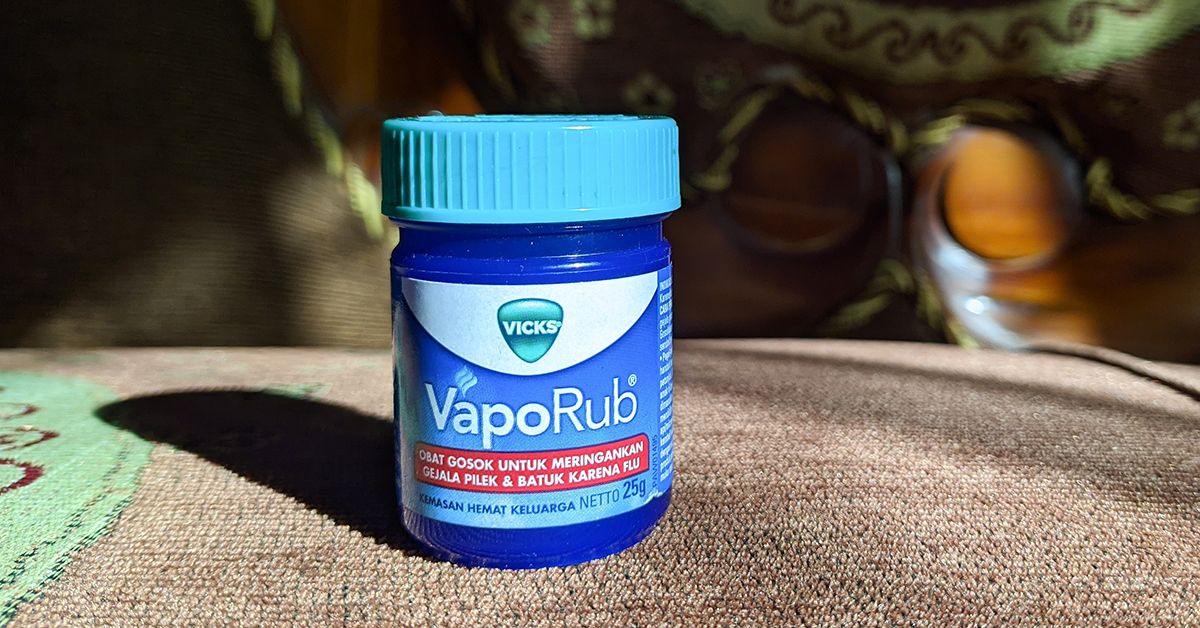
Earaches have a special talent for arriving at the worst possible time: after the pharmacy closes, before a big meeting, during a child’s bedtime meltdown, or right when you have decided that sleep is your new personality. So it is no surprise that many people open the medicine cabinet, spot the familiar blue jar, and wonder: Can you use Vicks for earache?
The short answer is: Vicks VapoRub may create a cooling, comforting sensation on nearby skin, but it is not an earache treatment and should not be placed in the ear canal. It is designed as a topical cough suppressant and topical analgesic for certain muscle and joint aches. That means it belongs on approved external areas, not inside your ear, which is a delicate little cave with rules.
This guide explains what Vicks can and cannot do for ear pain, why earaches happen, safer home remedies, when to call a doctor, and what people commonly experience when they try “Vicks near the ear” as a comfort trick. Spoiler: your ear is not asking for a menthol spa day inside the canal.
What Is Vicks VapoRub, Really?
Vicks VapoRub is an over-the-counter topical ointment best known for its strong menthol scent. Its active ingredients commonly include camphor, menthol, and eucalyptus oil. These ingredients can make the skin feel cool or mildly warm, and the vapors may make breathing feel easier when the product is used as directed on the chest or throat.
That “ahh, I can breathe again” feeling is one reason people reach for Vicks when they have a cold, congestion, sinus pressure, or a general sense that their head has been replaced by a damp pillow. But ear pain is not the same as chest congestion. An earache may come from infection, fluid pressure, wax blockage, jaw problems, dental pain, sinus congestion, injury, or even a ruptured eardrum.
Because Vicks does not diagnose or treat those causes, using it for earache can be misleading. It may distract from discomfort for a short time, but it does not fix a middle ear infection, clear trapped fluid behind the eardrum, treat swimmer’s ear, or remove impacted wax.
Can Vicks Help an Earache?
There is no strong medical evidence that Vicks VapoRub treats ear infections or cures earaches. Some people say they feel temporary comfort when they rub a tiny amount around the outside of the ear or along the jawline. That sensation likely comes from menthol and camphor stimulating nerve endings in the skin. In plain English: your skin feels something dramatic, so your brain pays a little less attention to the ear pain.
That does not mean the underlying problem is improving. A middle ear infection happens behind the eardrum. Vicks rubbed around the outer ear cannot reach that area. And even if it could, you would not want random ointment ingredients traveling into the middle ear like uninvited tourists with eucalyptus luggage.
What Vicks Might Do
When used only on intact external skin, Vicks may:
- Create a cooling or warming feeling near the painful area
- Offer a short-lived sense of comfort
- Help with cough or congestion when used on the chest or throat as directed
- Make you feel like you are doing something while you monitor mild symptoms
What Vicks Cannot Do
Vicks cannot:
- Cure a bacterial or viral ear infection
- Drain fluid behind the eardrum
- Treat swimmer’s ear inside the ear canal
- Repair a ruptured eardrum
- Remove impacted earwax
- Replace pain relievers, prescribed ear drops, or antibiotics when those are medically needed
Should You Put Vicks in Your Ear?
No. Do not put Vicks VapoRub inside the ear canal. This is the most important point in the entire article, so imagine it wearing a tiny reflective safety vest.
The ear canal is sensitive. The skin inside it can become irritated easily, and if the eardrum is inflamed, injured, or perforated, putting ointment, oils, or unapproved substances into the ear can create more trouble. Vicks is thick, greasy, and not made for internal ear use. It can trap debris, irritate the canal, worsen discomfort, and make it harder for a clinician to examine the ear clearly.
Also, Vicks contains ingredients such as camphor and menthol that can be harmful if swallowed or misused. It should be kept away from young children and used exactly according to the product label.
Why Earaches Happen
To understand why Vicks is not a reliable earache remedy, it helps to know what might be causing the pain. Earaches are symptoms, not a diagnosis. They are like your ear waving a little flag that says, “Something is happening in here, and I would like management involved.”
Middle Ear Infection
A middle ear infection, also called otitis media, often develops after a cold, flu, or allergy flare. The eustachian tubes can swell and stop fluid from draining properly. Fluid collects behind the eardrum, and bacteria or viruses may grow there. This can cause ear pain, pressure, fever, muffled hearing, sleep trouble, and fussiness in children.
Swimmer’s Ear
Swimmer’s ear, or otitis externa, affects the ear canal. It often happens when water stays trapped in the ear, creating a friendly little resort for germs. Symptoms may include pain when touching the outer ear, itching, redness, swelling, drainage, and a blocked feeling.
Earwax Buildup
Earwax is not the villain many people think it is. It protects the ear canal and usually moves out naturally. But when wax becomes impacted, it can cause pressure, discomfort, ringing, itching, or hearing changes. Cotton swabs often make this worse by pushing wax deeper.
Sinus Pressure, Allergies, and Colds
Congestion can make the ears feel full or painful because the ears, nose, and throat are connected through pressure-regulating passages. This type of ear discomfort may improve as cold or allergy symptoms calm down.
Jaw or Dental Problems
Sometimes the ear is innocent. Pain from the jaw joint, teeth, throat, or neck can radiate to the ear. This is called referred pain. The ear gets blamed, but the jaw may be the one causing drama.
Safer Home Remedies for Earache
If symptoms are mild and there are no warning signs, safer comfort measures may help while you monitor the situation. These do not replace medical care when symptoms are severe, persistent, or unusual.
Use a Warm or Cold Compress
A warm compress can relax muscles around the ear and may ease discomfort. A cold compress may help numb pain. Some people prefer alternating warm and cold. Use a towel as a barrier and avoid extreme temperatures. Your goal is comfort, not accidentally turning your ear into a science experiment.
Try Over-the-Counter Pain Relief
Acetaminophen or ibuprofen may help reduce ear pain and fever. Follow the dosing instructions on the label, and use age-appropriate medicine for children. Never give aspirin to children or teenagers unless a healthcare professional specifically says to do so, because of the risk of Reye syndrome.
Sleep With the Affected Ear Elevated
If one ear hurts, lying on the opposite side may reduce pressure. Propping the head slightly can also help some people feel more comfortable, especially when congestion is part of the problem.
Manage Cold and Allergy Symptoms
Hydration, rest, humidified air, saline spray, and appropriate cold or allergy care may help reduce pressure connected to congestion. Be careful when combining medications, because many cold products already contain pain relievers or decongestants.
Keep the Ear Dry
If you suspect swimmer’s ear or have drainage, avoid getting water in the ear until you have medical guidance. Do not insert cotton swabs, earbuds, fingers, hairpins, or any object into the ear canal. The old saying is true: do not put anything smaller than your elbow in your ear. Your elbow will not fit, which is the point.
When to See a Doctor for Ear Pain
Ear pain can be minor, but some symptoms deserve medical attention. Contact a healthcare professional if:
- Ear pain lasts longer than two to three days
- Pain is severe or getting worse
- There is fluid, pus, or blood coming from the ear
- There is hearing loss, ringing, or dizziness
- A child younger than 6 months has ear infection symptoms
- A child has fever, unusual sleepiness, or intense irritability
- You have swelling or pain behind the ear
- You have facial weakness, severe headache, or balance problems
- You recently injured the ear or may have a ruptured eardrum
Adults should also take recurring ear pain seriously. Ear infections are more common in children, but adults can get them too, and persistent ear symptoms sometimes need a closer look from a primary care provider or an ear, nose, and throat specialist.
Is It Safe to Rub Vicks Around the Ear?
For adults and children old enough to use Vicks according to the label, a small amount on intact skin nearbut not inthe ear may be tolerated by some people. However, this is not an official earache treatment. Avoid applying it to broken, irritated, or sensitive skin. Keep it away from the ear canal, eyes, nostrils, mouth, and face of young children.
Do not use Vicks on children under 2 years old. Do not heat it, microwave it, add it to hot water, or apply it under tight bandages. Heating Vicks can increase the risk of burns, which is a very dramatic way to make a bad day worse.
If you try a tiny amount around the outer ear area and notice burning, rash, redness, itching, swelling, or worsening pain, wash it off and stop using it. If symptoms are concerning, contact a healthcare professional.
Vicks for Earache in Children: Extra Caution
Parents and caregivers often look for fast relief because children with ear pain can be miserable. They may tug at the ear, cry more than usual, sleep poorly, lose appetite, or act unusually cranky after a cold. But children’s ears are small, sensitive, and more prone to infections, so it is especially important not to put Vicks or any unapproved remedy inside the ear.
For children, the safer first steps usually include age-appropriate pain relief, comfort, fluids, rest, and a warm compress. If the child is very young, symptoms are severe, or the pain lasts more than a couple of days, medical evaluation is the smarter route. A pediatrician can check whether the eardrum is bulging, whether fluid is present, and whether antibiotics, observation, or another treatment is appropriate.
Common Myths About Vicks and Ear Pain
Myth 1: “If It Feels Better, It Must Be Healing”
Temporary comfort does not always mean healing. Menthol can distract nerves on the skin, but an infection or fluid buildup may still be present.
Myth 2: “Natural-Smelling Ingredients Are Always Safe”
Menthol, camphor, and eucalyptus oil may smell like a mountain cabin wearing a clean sweater, but they are still active ingredients. They can irritate tissue when misused and may be dangerous if swallowed.
Myth 3: “Putting More on Works Better”
More ointment does not mean more healing. It means more ointment. With ear pain, less experimenting and more accurate diagnosis is usually the winning strategy.
Myth 4: “Earaches Always Need Antibiotics”
Not always. Some ear infections improve without antibiotics, especially when symptoms are mild. However, some cases do require antibiotics or prescription ear drops. The decision depends on age, severity, duration, exam findings, and the type of infection.
What to Do Instead of Putting Vicks in the Ear
If you are tempted to use Vicks for earache, use that moment as a reminder to choose safer steps:
- Check for warning signs such as drainage, high fever, severe pain, hearing loss, dizziness, or symptoms in a very young child.
- Use an age-appropriate pain reliever if suitable for the person.
- Apply a warm or cold compress to the outside of the ear.
- Keep the ear dry and avoid inserting anything into the canal.
- Monitor symptoms for improvement.
- Contact a healthcare provider if pain persists, worsens, or comes with concerning symptoms.
Realistic Experiences People Have With Vicks for Earache
Many people who search for Vicks for earache are not trying to be reckless. They are tired, uncomfortable, or caring for someone who is crying at 2 a.m. In that moment, the blue jar feels familiar and trustworthy. It has been in medicine cabinets for generations, sitting there like a tiny menthol grandfather. So the thought makes emotional sense: “If it helps with colds and aches, maybe it helps with ear pain too.”
One common experience is the “near-the-ear comfort effect.” Someone rubs a small amount behind the ear, along the jawline, or on the neck, and the cooling sensation makes the area feel different. They may interpret that as pain relief. In mild cases connected to congestion or jaw tension, the combination of touch, scent, and warmth from the hand may feel soothing. The person may also rest, hydrate, and sleep, and by morning the pain feels better. It is easy to credit Vicks, even if the earache was already improving on its own.
Another experience is frustration. A person applies Vicks around the ear, waits for the magic, and still has pressure, muffled hearing, or sharp pain. This often happens when the cause is middle ear fluid, a true infection, impacted wax, or swimmer’s ear. The ointment never reaches the problem. It is like spraying air freshener near a flat tire: the car may smell bold and minty, but you still need to fix the tire.
Some people report irritation. The skin around the ear can be sensitive, especially if someone has eczema, allergies, broken skin, or has been rubbing the area repeatedly. Menthol and camphor can sting or cause redness. If Vicks accidentally gets into the ear canal, it may feel uncomfortable, sticky, or burning. It can also make the ear feel clogged because the ointment is thick. That is one reason doctors generally advise against putting oils, ointments, or unapproved drops into the ear without guidance.
Parents often describe a different kind of experience: worry. A child may be crying, tugging at the ear, and unable to sleep. In that situation, home remedies feel tempting because everyone wants fast relief. But young children are also the group where caution matters most. A baby or toddler cannot clearly explain whether they have hearing changes, dizziness, or worsening pain. Using Vicks in or near the wrong place can delay proper care. A warm compress and proper pain reliever are usually safer while deciding whether to call the pediatrician.
Adults with recurring ear pain sometimes learn that the ear was not the real source. Jaw clenching, dental problems, sinus pressure, or neck tension can all refer pain to the ear. In those cases, Vicks near the jaw may feel briefly soothing because the nearby muscles relax or the skin sensation distracts from discomfort. But if the same pain keeps returning, the better “experience upgrade” is getting the cause checked rather than collecting home remedies like trading cards.
The most useful takeaway from these experiences is balance. Vicks may feel comforting on approved external skin for some people, but it should not be treated as an ear medication. If the earache is mild, short-lived, and clearly tied to congestion, simple comfort care may be enough. If symptoms are strong, strange, or stubborn, the safest move is medical evaluation. Your ear is small, but it has standards.
Final Verdict: Does Vicks for Earache Work?
Vicks is not a proven earache remedy, and you should not put it inside your ear. At best, it may provide a temporary cooling sensation when used carefully on nearby external skin. At worst, it can irritate the ear canal, delay proper treatment, or create safety concerns, especially in children.
If your ear hurts, think of Vicks as a comfort product for approved uses, not a cure. Choose safer options such as warm or cold compresses, appropriate pain relievers, rest, hydration, and medical care when symptoms call for it. Ear pain has many possible causes, and the right treatment depends on what is actually happening inside that tiny, important sound tunnel attached to your head.