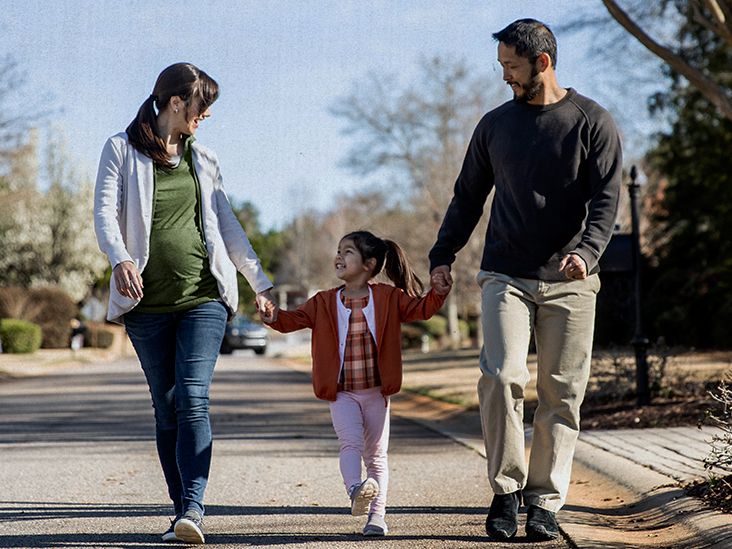
There is a tiny wellness habit that asks for no subscription, no neon leggings, no complicated app, and no motivational wall quote. It is simply this: after you eat, take a walk. Not a heroic hike. Not a sweaty battle with gravity. Just a gentle post-meal stroll that tells your body, “We are not turning into a couch today.”
Walking after eating has become popular for a good reason. Research and expert guidance consistently suggest that light movement after meals may support steadier blood sugar, smoother digestion, better energy, and long-term heart and metabolic health. It is especially useful after carbohydrate-heavy meals, when blood glucose tends to rise more noticeably. Even a short walk of 2 to 10 minutes can make a difference, while 10 to 30 minutes may offer broader benefits for digestion, circulation, mood, and daily activity goals.
The best part? You do not need to become “a fitness person.” You only need shoes, a safe route, and a willingness to move before your body negotiates a long-term lease with the sofa.
Why walking after eating works
After a meal, your digestive system begins breaking food into nutrients your body can use. Carbohydrates are converted into glucose, which enters the bloodstream. In response, insulin helps move glucose from the blood into cells for energy or storage. A short walk after eating gives your muscles an immediate job: use some of that circulating glucose.
Muscle contractions during walking help pull glucose into muscle tissue. This can reduce post-meal blood sugar spikes and support insulin sensitivity over time. That is one reason post-meal walking is often discussed in relation to prediabetes, type 2 diabetes, and metabolic health. But the habit is not only for people monitoring blood sugar. Anyone who has ever felt sleepy, bloated, or mysteriously glued to a chair after lunch may benefit from moving a little.
Walking also helps digestion by encouraging gastrointestinal motility, which is the natural movement that pushes food through the digestive tract. Think of it as politely reminding your stomach and intestines that the lunch meeting is over and it is time to keep things moving.
The main benefits of walking after meals
1. It may help manage blood sugar spikes
One of the most researched benefits of walking after eating is its effect on postprandial blood glucose, which simply means blood sugar after a meal. When you sit still after eating, glucose may remain higher for longer, especially after meals rich in refined carbohydrates, sugary drinks, white rice, pasta, bread, or desserts. A light walk gives your muscles a reason to absorb and use glucose sooner.
For many people, the timing matters. Walking soon after eating, often within the first 15 to 30 minutes, appears especially helpful because that is when glucose begins rising. A 10-minute walk after breakfast, lunch, or dinner can be more realistic than trying to squeeze in one long workout later. Your calendar may reject a 60-minute gym session, but it is much harder to argue with “just around the block.”
2. It supports digestion and may reduce bloating
If your stomach feels like it is hosting a balloon festival after meals, walking may help. Gentle movement can stimulate the digestive tract and encourage gas and food to move along. This does not mean power-walking immediately after Thanksgiving dinner like you are being chased by a turkey. Keep it light, comfortable, and upright.
Walking may be particularly useful for people who feel heavy or sluggish after eating. Staying upright also helps reduce the chance of reflux for some people, because lying down soon after meals can make it easier for stomach acid to move upward. A calm walk gives digestion a better setup than collapsing horizontally and whispering, “I regret nothing.”
3. It can improve energy after meals
Post-lunch sleepiness is real. A large meal, especially one high in refined carbohydrates, can make energy levels dip. Walking increases circulation, activates muscles, and may help prevent that “my brain has left the building” feeling. Even a five-minute walk around the office, home, or neighborhood can act like a reset button.
This is especially helpful during the workday. Instead of relying on another coffee, try a short walk after lunch. Coffee may still happen, of course. We are discussing health, not miracles.
4. It adds easy movement to your day
Many adults struggle to meet the general recommendation of at least 150 minutes of moderate-intensity aerobic activity per week. Post-meal walks make that goal less intimidating. Three 10-minute walks per day can add up to 30 minutes of movement without requiring a dramatic schedule makeover.
This “small chunks” approach is powerful because it removes the all-or-nothing mindset. You do not have to wait for the perfect workout window, the perfect weather, or the perfect playlist. Movement after meals becomes a routine, like brushing your teeth, except your toothbrush does not ask you to go outside.
5. It may support heart health
Walking is a simple form of cardiovascular activity. Done regularly, it can support healthy blood pressure, circulation, endurance, cholesterol management, and weight maintenance. Post-meal walking is not a replacement for all forms of exercise, but it contributes to a more active lifestyle, especially for people who spend long hours sitting.
Breaking up sedentary time is important. Sitting for long stretches can affect circulation and metabolic health. A short stroll after meals interrupts that pattern and gives your body a frequent reminder that it was designed for motion, not just excellent chair posture.
6. It can help with weight management
Walking after eating does not magically erase calories. There is no secret sidewalk where pizza disappears from the nutrition facts. However, regular post-meal walks can increase daily energy expenditure, reduce cravings, improve appetite awareness, and support better blood sugar control. These effects may make weight management easier when combined with balanced meals and consistent sleep.
For people who dislike intense workouts, walking can be a friendly entry point. The habit feels doable, which is exactly why it works. The best exercise routine is not the one that looks impressive online. It is the one you actually repeat.
When is the best time to walk after eating?
The most practical window is shortly after a meal, usually within 15 to 30 minutes. You do not need to sprint away from the table while still chewing. Finish eating, drink some water if you like, clear your plate, and then head out for a gentle walk.
If you are prone to stomach discomfort, reflux, nausea, or cramping, start slowly. Some people feel better waiting 10 to 20 minutes before walking. Others can walk right away with no issue. Your body is not a spreadsheet; it may require a little observation.
For blood sugar benefits, earlier movement seems useful because it overlaps with the rise in post-meal glucose. For digestion, a comfortable walk within the first hour after eating is still a smart habit.
How long should you walk after eating?
A good starting point is 5 to 10 minutes. That may sound too small to matter, but small habits are often the ones that survive real life. Once the routine feels natural, aim for 10 to 20 minutes after larger meals. If you enjoy walking and have time, 30 minutes can be excellent, especially after dinner.
Here is a simple guide:
- 2 to 5 minutes: Better than sitting; useful when you are busy.
- 10 minutes: A realistic sweet spot for blood sugar and digestion support.
- 15 to 20 minutes: Great after larger meals or dinner.
- 30 minutes: Helpful for fitness, heart health, and daily activity goals.
Do not underestimate the “minimum effective walk.” A short stroll around the block, down the hallway, or through the parking lot counts. Your body does not demand a scenic trail and dramatic sunset. Though if you have one, please enjoy it on behalf of the rest of us.
How intense should a post-meal walk be?
Keep it light to moderate. You should be able to talk comfortably. If you are gasping, sweating heavily, or reconsidering your life choices, slow down. Right after eating is not the best time for high-intensity intervals, hill sprints, or pretending you are training for an action movie.
A good post-meal pace feels purposeful but relaxed. Imagine you are walking to meet a friend, not fleeing a swarm of bees. Gentle movement is enough to activate muscles, improve circulation, and support digestion without upsetting your stomach.
Walking after breakfast, lunch, and dinner: what changes?
After breakfast
A morning walk can help set the tone for the day. It may support blood sugar control after carbohydrate-rich breakfasts such as cereal, toast, bagels, pancakes, or sweetened coffee drinks. It also exposes you to light, which may help alertness and circadian rhythm. Even walking around your home while planning the day can help.
After lunch
This may be the most useful walk for many office workers. A 10-minute walk after lunch can reduce afternoon sluggishness, improve focus, and break up sitting time. If you work from home, walk outside before returning to your desk. If you work in an office, walk around the building, use stairs gently, or take a few laps indoors.
After dinner
A dinner walk is excellent for digestion and winding down. Keep it easy and calm, especially if it is close to bedtime. The goal is not to overstimulate yourself. A relaxed evening stroll can become a pleasant ritual with family, a partner, a dog, or your own thoughts, assuming your thoughts behave themselves.
Who should be careful?
Walking after eating is safe for most people, but certain situations require extra care. If you have diabetes and use insulin or medications that can cause low blood sugar, ask your healthcare provider how to time activity safely. You may need to monitor glucose, carry a fast-acting carbohydrate, or adjust routines based on medical advice.
People with heart disease, severe reflux, gastroparesis, balance problems, recent surgery, pregnancy complications, or chronic pain should start gently and talk with a clinician if unsure. If walking causes chest pain, dizziness, severe shortness of breath, faintness, or unusual symptoms, stop and seek medical guidance.
Also, avoid brisk walking immediately after a very large meal if it makes you uncomfortable. Gentle is the magic word. This is not a punishment for eating; it is support for digestion and metabolism.
How to make post-meal walking a habit
Attach it to something you already do
The easiest habits are tied to existing routines. After putting your plate in the sink, walk for 10 minutes. After lunch meetings, take one lap around the block. After dinner, walk before turning on the TV. The more automatic the cue, the less negotiation your brain can perform.
Keep shoes visible
Convenience matters. Place comfortable shoes near the door or under your desk. If the shoes are hiding in a closet behind three boxes and a forgotten yoga mat, your walking habit may quietly die there.
Use indoor options
Bad weather is not a dealbreaker. Walk inside your home, apartment hallway, office, mall, grocery store, or even in place while watching something. Your body counts movement, not scenery points.
Make it social
Invite family members, coworkers, neighbors, or friends. A post-dinner walk can replace scrolling time and create space for conversation. Dogs are especially persuasive walking partners because they believe every walk is the greatest event in recorded history.
Track lightly, not obsessively
A step counter or phone app can help, but avoid turning every stroll into a performance review. The goal is consistency. If tracking motivates you, use it. If it makes you weirdly competitive with yesterday’s version of yourself, relax. This is a walk, not a courtroom.
What to eat before a post-meal walk
You do not need a special diet to benefit from walking after eating, but balanced meals can make the habit more effective. Aim for meals that include protein, fiber-rich carbohydrates, healthy fats, and colorful fruits or vegetables. For example, grilled chicken with brown rice and vegetables, eggs with avocado and whole-grain toast, tofu stir-fry with quinoa, or salmon with roasted sweet potatoes and greens.
Meals high in refined carbohydrates and sugar tend to create larger glucose spikes. Walking after those meals can help, but it is not a free pass to build your diet entirely out of pastries and optimism. Pairing carbs with protein, fiber, and fat can slow digestion and support steadier energy.
Common mistakes to avoid
Walking too hard too soon
If your stomach feels uncomfortable, reduce the pace. A gentle walk is enough. Save the intense workout for another time.
Giving up because you missed one walk
Missing a walk does not ruin the habit. Restart at the next meal. Consistency is built over weeks, not destroyed by one busy lunch.
Thinking it must be outdoors
Indoor walking counts. Hallways count. Stairs count if taken gently. Even tidying the kitchen can count as light movement. The body is wonderfully practical.
Using walking to “earn” food
Food is not a debt and walking is not a receipt. The goal is to feel better, support health, and build a sustainable routine. Keep the relationship positive.
A simple 7-day post-meal walking plan
If you are new to walking after meals, start with this realistic plan:
- Day 1: Walk 5 minutes after dinner.
- Day 2: Walk 5 minutes after lunch and dinner.
- Day 3: Walk 10 minutes after dinner.
- Day 4: Walk 10 minutes after lunch.
- Day 5: Walk 10 minutes after two meals.
- Day 6: Try a relaxed 15-minute walk after your largest meal.
- Day 7: Choose your favorite schedule and repeat it next week.
The goal is not perfection. The goal is evidence-informed laziness management. You are making the healthy option so easy that your excuses get bored and wander off.
Real-life examples of post-meal walking
The office worker: Maya eats lunch at her desk and usually feels sleepy by 2 p.m. She starts walking for 10 minutes after lunch, either outside or inside the building. Within a week, she notices fewer afternoon energy crashes and less mindless snacking.
The busy parent: Chris cannot find time for the gym. After dinner, he walks around the neighborhood with his kids for 15 minutes. The walk becomes family time, and everyone sleeps a little better because the kids have burned off their final reserve of chaos.
The blood sugar watcher: Linda checks her glucose after meals and notices that short walks after higher-carb meals help her numbers return toward her usual range more smoothly. She works with her healthcare provider to make the routine safe and consistent.
The digestion-sensitive eater: Jordan often feels bloated after dinner. Instead of lying down, he takes a slow 10-minute walk. It does not solve every digestive issue, but it helps him feel less stuffed and more comfortable.
Experiences related to walking after eating: what people often notice
One of the most interesting things about walking after eating is how quickly people begin to notice small changes. The first change is often not dramatic weight loss or superhero-level energy. It is usually something quieter: “I do not feel as heavy after dinner,” or “I am less sleepy after lunch,” or “My stomach seems calmer.” These small observations matter because they make the habit rewarding. When a habit feels good today, it is much easier to repeat tomorrow.
Many people find that the hardest part is not the walking. It is the transition. After eating, the body naturally wants comfort. The chair looks friendly. The couch looks loyal. The phone starts whispering, “Just five minutes,” which is the greatest lie in modern civilization. The trick is to make the first step automatic. Put on shoes before your brain files a formal complaint. Stand up as soon as the meal ends. Tell yourself the walk can be only five minutes. Once you are outside, five minutes often becomes ten.
Another common experience is that post-meal walking changes the rhythm of the day. Dinner no longer ends with everyone scattering to screens. Lunch no longer becomes a straight line from fork to keyboard. Breakfast no longer disappears into a rushed morning. A short walk creates a pause. It gives the body time to process food and gives the mind time to shift gears. In a culture where people often eat quickly and move rarely, that pause can feel surprisingly luxurious.
Some people also discover that walking after eating improves food awareness. When you know you will walk after a meal, you may naturally avoid eating to the point of discomfort. Not because of strict rules, but because walking with an overfilled stomach feels like carrying a waterbed through airport security. Over time, this can encourage more moderate portions and slower eating. The walk becomes gentle feedback from the body.
Weather, schedule, and location will challenge the habit. That is normal. A person who walks after every single meal forever exists mostly in wellness brochures. Real life includes rain, meetings, travel, tired evenings, and meals eaten in cars. The solution is flexibility. Walk indoors. Walk later. Walk for three minutes. Walk while cleaning the kitchen. Walk around the grocery store after lunch. The habit survives when it is adaptable.
For people who live in busy cities, safety and comfort matter. Choose well-lit routes, comfortable shoes, and sidewalks when possible. In hot weather, walk indoors or wait until temperatures are safer. In cold weather, use layers or choose a mall, hallway, or treadmill. The health benefit comes from movement, not from proving you can withstand dramatic weather like a determined penguin.
People who track blood sugar may have the most visible feedback. A post-meal walk can show up as a smoother glucose curve, especially after carbohydrate-rich meals. That feedback can be motivating, but it should not become obsessive. Blood sugar is influenced by sleep, stress, meal composition, hormones, medication, hydration, and illness. Walking is one tool, not the entire toolbox.
Perhaps the best experience is emotional. Walking after meals can turn into a daily ritual that feels grounding. A dinner walk with a partner may become the easiest conversation of the day. A solo lunch walk may become a mental reset. A morning walk after breakfast may feel like a vote for the kind of day you want to have. The benefits are physical, yes, but the habit also gives people a sense of control. It is a small action with a big message: “I can take care of myself in simple ways.”
Conclusion: a small walk can do a lot of work
Walking after eating is one of the simplest health habits you can build. It may help reduce blood sugar spikes, support digestion, ease bloating, improve energy, break up sitting time, and contribute to long-term heart and metabolic health. You do not need fancy equipment, perfect timing, or a dramatic personality change. Start with five to ten minutes after one meal per day, then build from there.
The best post-meal walk is the one you will actually take. Keep it gentle. Keep it consistent. Keep it enjoyable. Your body does not need you to become a marathoner after lunch. It just wants you to stand up, move a little, and maybe stop treating the couch like a medical device.
Note: This article is based on current health guidance and research from reputable U.S. medical, academic, and public health sources. It is for general educational purposes only and does not replace personalized medical advice.