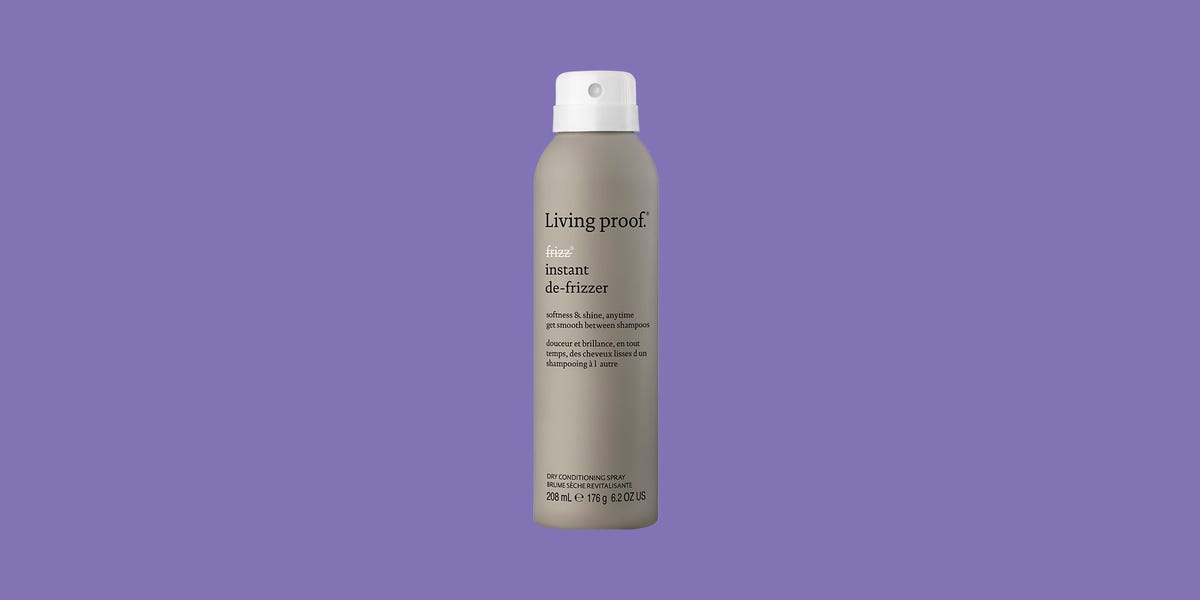
Some hair days begin with optimism: a decent blowout, a little shine, maybe even the feeling that you finally have your routine figured out. Then humidity arrives like an unpaid intern with a leaf blower. A few flyaways become a halo, the ends look thirsty, and suddenly your hair has opinions.
That is the moment Living Proof No Frizz Instant De-Frizzer is designed for. This dry conditioning spray promises to smooth frizz, refresh dull lengths, add softness, and bring shine back to dry hair without requiring a sink, a blow-dryer, or an emotional support ponytail. But does it actually earn a place in your bag, or is it just expensive aerosol optimism?
This Living Proof No Frizz Instant De-Frizzer review takes a close look at the formula, performance, ideal hair types, application tips, drawbacks, and real-world situations where this anti-frizz finishing spray makes the most sense.
Quick Verdict: Is Living Proof Instant De-Frizzer Worth It?
For the right person, yes. Living Proof No Frizz Instant De-Frizzer is a strong option for dry, frizz-prone hair that looks good after styling but needs a quick rescue later in the day or between wash days. It works best as a lightweight finishing product, especially for smoothing flyaways, softening rough-looking ends, reviving a blowout, and making hair look more polished after humidity, commuting, travel, or hat hair.
Its biggest advantage is that it behaves more like a dry conditioning mist than a traditional hairspray. It does not leave a crunchy shell, and it is not meant to glue every strand into place. Instead, it adds slip, shine, and softness so the hair appears calmer and more intentional. Think “I woke up like this,” but with better lighting and a little assistance from science.
The main catch is that it is easy to overuse. Fine hair, oily roots, or hair that already has several styling products layered on it can start to look heavy if you spray too much. It is also not a heat protectant, not a dry shampoo, and not a substitute for a moisturizing wash-day routine when hair is genuinely dry or damaged.
What Is Living Proof No Frizz Instant De-Frizzer?
Living Proof No Frizz Instant De-Frizzer is a dry conditioning spray made for use on dry hair. The brand positions it as a quick anti-frizz and shine-enhancing product that can refresh hair between washes. It is designed to smooth the outer surface of the hair, improve softness, and help strands look less dull or puffy after exposure to humidity or friction.
The product is particularly useful after hair has already been styled. For example, you may use it after a blowout starts expanding during a humid commute, when second-day waves become fuzzy around the crown, or when a knit hat creates enough static to power a small city.
What the Formula Is Designed to Do
The formula combines lightweight conditioning ingredients with a five-oil blend intended to replenish lipids that dry hair can lose over time. The ingredient list includes emollients and oils such as sea buckthorn, jojoba, babassu, and moringa, along with amaranth seed extract. Together, these ingredients aim to create a smoother-looking surface and reduce the dry, rough appearance that makes frizz stand out.
It also contains alcohol and fragrance, which matter for shoppers with fragrance sensitivity or hair that reacts poorly to alcohol-heavy aerosol products. The alcohol helps the mist feel dry and lightweight on application, but very dry or highly porous hair may still prefer using it sparingly and pairing it with a richer leave-in conditioner during wash days.
What It Does Not Do
Living Proof Instant De-Frizzer should not be treated as a cure for all hair concerns. It does not repair breakage, permanently change curl pattern, cleanse oily roots, or provide the protection needed before hot tools. It is best viewed as a finishing spray for dry hair rather than a treatment product.
That distinction matters. If your hair feels rough because of frequent bleaching, heat damage, or an overly harsh shampoo routine, this spray may make it look better temporarily, but a conditioner, hair mask, leave-in treatment, or bond-supporting product will usually be more useful for the underlying issue.
Living Proof No Frizz Instant De-Frizzer Performance Review
Frizz Control
As an instant frizz-control product, this spray performs best on surface-level fuzz, flyaways, and slightly expanded hair. It can make a noticeable visual difference quickly because it adds softness and shine without requiring water or heat styling. This is especially helpful for hair that is mostly behaving but has started acting like it wants top billing.
On straight and wavy hair, the result is usually a smoother, more polished finish. On curly hair, it may help soften frizz and restore shine, but it will not fully reshape curls or restore definition the way a curl refresher, mousse, or styling cream can. It is more of a “tidy the edges” product than a “rebuild the entire hairstyle from scratch” product.
Softness and Shine
The softening effect is one of the strongest reasons to consider this dry conditioning spray. Hair that feels stiff from hairspray, dry from outdoor air, or rough at the ends can look more touchable after a light application. The shine is noticeable but generally not oily when the product is used in short bursts from a proper distance.
That said, shine is a balancing act. On thick, coarse, or naturally dry hair, more shine can be a welcome development. On fine hair, too much product near the roots can turn “glossy” into “possibly late for wash day.” The difference is usually about placement and amount, not whether the formula is inherently too rich.
Texture and Finish
Unlike a standard hairspray, this does not aim to create hold. It does not stiffen the hair or freeze a finished style into place. The finish is more flexible, soft, and conditioned. That makes it useful for people who dislike crunchy sprays, but less ideal for anyone looking for long-lasting hold in humid weather.
It also works best on hair that is already dry. Spraying it onto damp hair may interfere with the intended finish and can make the product feel less effective. Save it for the moment your hair is styled, dry, and one bad weather report away from becoming a bun.
How to Use Living Proof Instant De-Frizzer Correctly
The method is simple, but a few small details make a large difference. Shake the can, hold it roughly six to ten inches away from dry hair, and spray in a sweeping motion. Then smooth the hair with your hands or comb through gently. A final light mist can add more softness and shine where needed.
Best Application Method for Fine Hair
Fine hair should be treated with a light hand. Focus on the mid-lengths and ends rather than the roots, especially if your scalp gets oily quickly. Spray once or twice, wait a few seconds, then assess the result before adding more. It is much easier to add another whisper of product than to explain why your hair suddenly looks like it joined an oil painting.
Best Application Method for Thick, Wavy, or Curly Hair
Medium, thick, wavy, and curly hair can usually tolerate more product. Divide the hair into a few loose sections and mist each section lightly. Use your fingers to smooth the surface, separate clumped strands, or soften dry-looking ends. For curls, avoid excessive brushing, which can create more frizz than the spray is trying to solve.
How to Spot-Treat Flyaways
For one stubborn patch around the crown, bangs, or part line, spray a small amount into your palm first. Rub your hands together lightly, then smooth the product over the affected section. This gives more control than spraying directly at the roots and helps avoid the “why is only the top of my head shiny?” situation.
Who Should Buy Living Proof No Frizz Instant De-Frizzer?
Best for Fine to Medium Hair
People with fine to medium hair may enjoy this product because it can smooth flyaways without the heaviness of a traditional cream or thick hair oil. The key is using less than you think you need and keeping it away from the scalp. When used carefully, it gives hair a cleaner, softer finish without flattening the style.
Best for Blowouts and Straight Styles
This is an excellent companion for blowouts, flat-ironed styles, and smooth waves. It can help a sleek style look freshly finished again after a long commute, a damp afternoon, or an overly enthusiastic hug from someone wearing a wool sweater.
Useful for Wavy and Curly Hair Between Washes
Wavy and curly hair can benefit from the shine and frizz-softening effect, particularly on day two or day three. However, people who need strong curl definition may want to pair it with a dedicated curl refresher or a small amount of mousse. This spray can make curls look softer and more polished, but it does not provide substantial hold or pattern recovery.
Good for Color-Treated and Chemically Treated Hair
Because color-treated hair often looks dry at the ends and prone to frizz, the dry-conditioning approach can be especially useful. It adds a smoother visual finish without requiring another full wash and styling session. Still, color-treated hair with serious dryness should be supported by a moisturizing conditioner or mask, not only by a finishing spray.
Pros and Cons
Pros
- Quickly improves the appearance of flyaways and light frizz.
- Adds softness and shine without a crunchy hairspray finish.
- Useful for dry hair between washes and after styling.
- Works well for refreshing blowouts, waves, and polished ponytails.
- Can be used as a targeted spot treatment for stubborn frizz.
- Available in a travel-friendly size for bags, desks, and carry-ons.
Cons
- Can look greasy or heavy if overapplied, especially on fine hair.
- Does not replace heat protectant, dry shampoo, or deep conditioning.
- Fragrance may not suit people who prefer unscented hair care.
- Premium pricing may feel steep for an aerosol finishing product.
- Does not provide strong hold or fully redefine curls.
Living Proof Instant De-Frizzer vs. Hair Oil, Hairspray, and Dry Shampoo
A hair oil is often richer and more concentrated, making it better for dry ends and deeper moisture. However, it can be easier to overdo, particularly on fine hair. Instant De-Frizzer offers some of the smoothing and shine benefits of a light oil in a more diffused spray format.
Hairspray provides hold, but it can leave hair stiff or tacky. Living Proof Instant De-Frizzer does the opposite: it improves softness and flexibility but offers little styling hold. Dry shampoo absorbs oil at the roots, while this dry conditioning spray is better for the mid-lengths and ends. The two can work together beautifully, as long as you use dry shampoo first and remove excess powder before applying the de-frizzing mist.
Final Verdict: A Smart Finishing Spray for Frizz Emergencies
Living Proof No Frizz Instant De-Frizzer earns its reputation as a convenient, high-performing finishing spray for dry hair. It is not a miracle cure for damaged hair, nor is it a substitute for a good wash-day routine. But as a quick way to soften rough-looking lengths, calm flyaways, add shine, and make a hairstyle look more deliberate, it does its job very well.
It is most worth buying for people who regularly deal with humidity, static, dull ends, or second-day blowouts that need a little help before they become a “creative updo.” Use it lightly, keep it mostly off the roots if your hair is fine, and treat it as a finishing product rather than a full styling system. In that role, it is a practical, polished, and genuinely useful member of the anti-frizz category.
Experience-Based Notes: How Living Proof Instant De-Frizzer Fits Real Life
The following section synthesizes common editor, shopper, and everyday-use observations around this product category. It is not a personal-use claim or a substitute for testing the product on your own hair type.
The Humid Commute Scenario
A frequent use case is the hair that looked perfectly respectable at home but became noticeably puffier after walking through humidity, riding public transportation, or spending ten minutes outdoors. In this situation, a dry conditioning spray is useful because it does not require water, a hot tool, or a full restyling session. A light mist over the outer layer of the hair can help reduce the fuzzy halo around the crown and make the ends look smoother. The result is not necessarily pin-straight perfection, but it can shift the overall look from “weather happened” to “soft, intentional texture.”
The Second-Day Blowout Scenario
Blowouts often lose their fresh shine before they lose their shape. The roots may still look acceptable, but the mid-lengths begin to feel dry, especially after sleeping, tying the hair back, or brushing it repeatedly. In this case, Instant De-Frizzer can work like a quick polish. Spraying lightly from mid-lengths to ends may bring back softness and help the hair move more naturally. It is particularly useful when the style is still worth saving but not worth washing and restyling. The trick is to avoid spraying repeatedly out of habit; a few controlled passes usually do more than a dramatic cloud of product.
The Winter Static Scenario
Cold weather brings a unique kind of frizz: static. Hair can cling to sweaters, float around the face, and stand up as if it has received surprising news. A dry conditioning spray can help because the added emollients reduce the dry, rough surface feel that contributes to flyaways. For this purpose, spot-treating is often smarter than coating the entire head. Spray a little product into your hands, smooth over the static-prone area, and let the hair settle. This method is also useful for bangs, shorter layers, and the crown, where too much aerosol can create unwanted flatness.
The Curly-Hair Refresh Scenario
Curly and wavy hair may respond well to the shine and softness, but expectations should stay realistic. The spray can soften frizz and help curls look less dry, yet it will not fully rebuild a curl pattern that has been flattened by sleep or stretched by humidity. For curls that need more shape, a curl refresher or mousse may be a better first step. Living Proof Instant De-Frizzer can then be used as the final polish on the outer layer, particularly around the face and ends. This layered approach prevents the product from doing a job it was never hired to do.
The Fine-Hair Learning Curve
Fine hair can absolutely benefit from this product, but it tends to reward restraint. The most positive results usually come from using short bursts, concentrating on dry ends, and avoiding the root area. Fine hair does not need a fog machine; it needs a polite suggestion. When applied correctly, the spray can make lightweight hair look softer and less wispy without sacrificing movement. When overapplied, it can reduce volume and create a heavier finish than intended. The best strategy is simple: spray, smooth, pause, and decide whether another small amount is actually necessary.
Research basis: