If you’ve ever been told you “snore like a chainsaw” or wake up feeling like you ran a marathon instead of getting
eight hours of sleep, obstructive sleep apnea (OSA) might already be on your radar. Now there’s a twist in the
story: a weight loss drug, Zepbound (tirzepatide), doesn’t just help people lose a substantial
amount of weightit’s also been approved in the U.S. as the first medication that directly improves moderate to
severe sleep apnea in adults with obesity.
Yep, a once-weekly injection originally developed to help with diabetes and obesity is now changing the way doctors
think about treating sleep apnea. But how does that work? Is it a miracle cure (spoiler: no), and who might
actually benefit from it?
Let’s walk through what Zepbound is, how it connects weight loss and sleep apnea, what the research shows, and what
real-world experiences might look likeso you can have a smarter conversation with your healthcare provider.
What Is Zepbound, Exactly?
Zepbound is the brand name for tirzepatide, an injectable medication from Eli
Lilly. It was first approved by the U.S. Food and Drug Administration (FDA) in November 2023 for
chronic weight management in adults with obesity or overweight who also have a weight-related
condition like high blood pressure, high cholesterol, or type 2 diabetes. It’s meant to be used along with a
reduced-calorie diet and increased physical activity.
Tirzepatide is a bit of an overachiever because it works on two hormone systems at once:
- GIP (glucose-dependent insulinotropic polypeptide) receptor
- GLP-1 (glucagon-like peptide-1) receptor
These hormones are part of your body’s natural “food and fullness” signaling network. By activating both, Zepbound
helps:
- Reduce appetite and cravings
- Help you feel full sooner and stay full longer
- Improve how your body handles blood sugar
In clinical trials for weight loss, people taking tirzepatide lost an average of around 15–25% of their body
weight over about a year when combined with diet and exercise, which is a huge shift compared with older
weight loss medications.
How Are Obesity and Sleep Apnea Connected?
To understand why a weight loss drug might help sleep apnea, it helps to look at the link between weight and
breathing during sleep.
Obstructive sleep apnea happens when the airway in the back of your throat repeatedly collapses or
becomes blocked while you sleep. This causes breathing pauses (apneas) or shallow breaths (hypopneas), often
measured as the apnea-hypopnea index (AHI)the number of these events per hour.
Extra body weight, especially around the neck, tongue, and upper airway, increases pressure on those soft tissues.
That makes it easier for the airway to collapse when your muscles relax at night. Losing weight can help in several
ways:
- Reduces fat around the throat and tongue that narrows the airway
- Decreases abdominal fat, which can ease pressure on the chest and lungs
- Improves related issues like high blood pressure and insulin resistance
Research has shown that even modest weight loss can significantly improve OSA. One analysis found
that for every kilogram (about 2.2 pounds) lost, AHI dropped by roughly 0.78 events per hour on average.
Other modeling studies suggest that losing about 7–11% of body weight can lead to meaningful
improvements in sleep apnea severity, and reductions of around 20% in body mass index (BMI) can
drive even larger AHI improvements.
In short: obesity and sleep apnea feed into each other. Extra weight makes OSA worse, and poorly treated OSA can
make weight loss harder by messing with hormones that regulate hunger, satiety, and energy.
Big News: Zepbound Is Now Approved to Treat Sleep Apnea
In December 2024, the FDA took a historic step and approved Zepbound (tirzepatide) as the
first-ever medication specifically indicated to treat moderate to severe obstructive sleep
apnea in adults with obesity.
This is a big deal, because until now, medications approved for sleep apnea mainly targeted daytime sleepiness, not
the underlying airway obstruction. Treatments like CPAP machines, oral appliances, and surgery
focused on physically keeping the airway open. Zepbound works differently: it helps improve sleep apnea by tackling
one of its major root causesexcess weight.
What Did the SURMOUNT-OSA Trials Show?
The FDA approval for OSA was based largely on two phase 3 clinical trials known as
SURMOUNT-OSA, which enrolled adults with obesity and moderate to severe sleep apnea. Some were
already using positive airway pressure (PAP, often called CPAP); others were not.
Here’s what the studies found over about 52 weeks of treatment with tirzepatide vs. placebo:
-
AHI dramatically improved. People taking tirzepatide had
25–29 fewer breathing disruptions per hour compared with about 5–6 fewer per hour in the placebo
groups. -
Many reached near-resolution of OSA. In up to about half of participants, OSA
improved enough to meet criteria for no longer having moderate or severe disease after one year. -
Substantial weight loss. Participants on tirzepatide lost around 18–20% of their body
weight on average, far more than those on placebo. -
Better cardiometabolic markers. Studies also found improvements in blood pressure, inflammatory
markers, and patient-reported sleep-related quality of life.
Importantly, benefits were seen both in people using PAP therapy and those who were not.
Tirzepatide didn’t replace PAP in the trials; instead, it often added to its benefits by reducing
the underlying weight-related airway collapse.
How Does Zepbound Improve Sleep Apnea Symptoms?
While tirzepatide doesn’t physically prop open your airway like a CPAP mask, it helps in a more upstream way:
-
Significant weight loss: Losing 15–20% (or more) of body weight reduces fat around the neck and
tongue, making the airway less likely to collapse during sleep. -
Better metabolic health: Improvements in blood pressure, insulin resistance, and inflammation may
reduce the cardiovascular burden of OSA. -
Improved sleep-related quality of life: Patients reported less daytime sleepiness, better energy,
and improved overall functioning in trials.
The bottom line: Zepbound appears to improve sleep apnea mostly by shrinking the problem at its sourcethe
extra weight that’s squeezing the airway.
Who Might Be a Candidate for Zepbound for Sleep Apnea?
Zepbound’s OSA indication is specifically for adults with obesity and moderate to severe obstructive sleep
apnea, used alongside a reduced-calorie diet and increased physical activity.
In practice, that might include:
- Adults with a body mass index (BMI) in the obesity range (≥30 kg/m²)
- Documented moderate or severe OSA on a sleep study
- People who are struggling with weight loss despite lifestyle changes
- Those who can’t tolerate CPAP or who want to improve OSA control alongside CPAP
However, Zepbound is not for everyone. It’s contraindicated in people with:
- A personal or family history of medullary thyroid carcinoma (MTC)
- Multiple endocrine neoplasia syndrome type 2 (MEN 2)
- Serious past allergic reactions to tirzepatide or its ingredients
It also needs extra caution in people with a history of pancreatitis, gallbladder disease, severe gastrointestinal
problems, or certain eye issues related to diabetes. These are all things you’d go over carefully with your
healthcare provider.
Common Side Effects and Safety Considerations
Like most GLP-1–based weight loss medications, Zepbound’s most common side effects are
gastrointestinal. People often report:
- Nausea
- Vomiting
- Diarrhea or constipation
- Abdominal pain or bloating
- Decreased appetite (which is sort of the pointbut it can feel intense at first)
These side effects are usually worse when the dose is increased and often improve over time. More serious but less
common risks can include:
- Pancreatitis (inflammation of the pancreas)
- Gallbladder problems (like gallstones)
- Possible kidney issues, especially if severe dehydration occurs
- Low blood sugar if combined with insulin or certain diabetes medications
Because of the thyroid tumor risk seen in animal studies, there’s a boxed warning about medullary thyroid cancer.
That’s why a careful review of your personal and family history is crucial before starting Zepbound.
Important note: This article is for information only and is not medical advice. Always talk to
your healthcare professional before starting, stopping, or changing any medication.
Is Zepbound a Replacement for CPAP?
Short answer: Not necessarily.
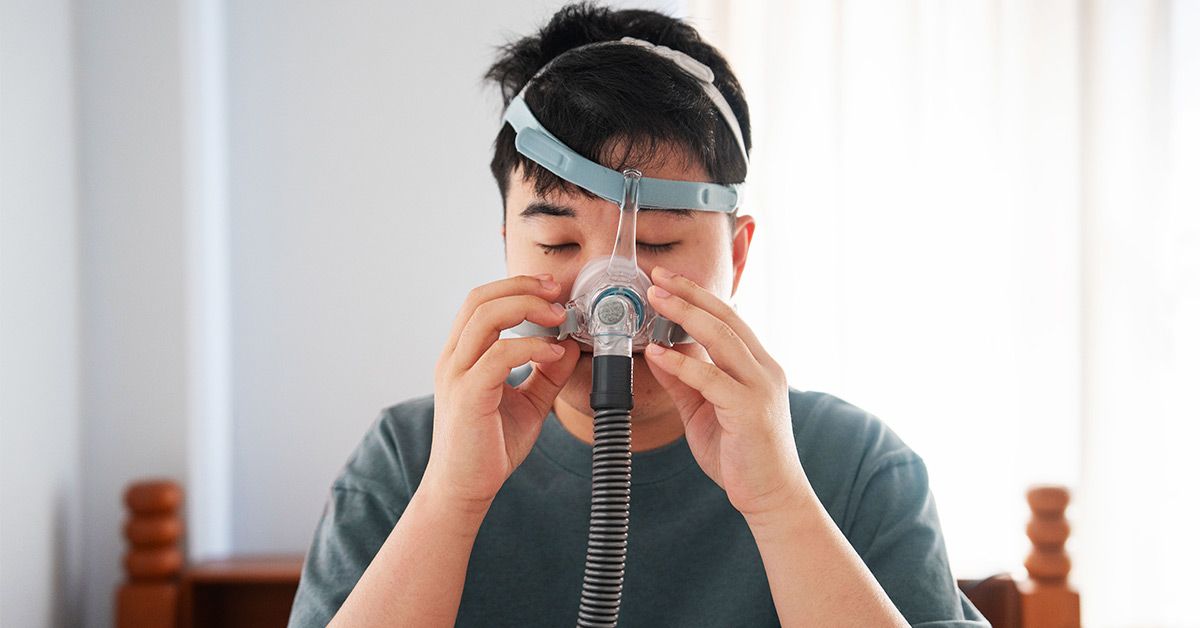
CPAP and other PAP devices physically deliver pressurized air to keep your airway open while you sleep. For many
people with moderate to severe OSA, PAP therapy remains the gold standard. Zepbound works differently: it reduces
the underlying tendency of the airway to collapse by helping you lose weight.
In the SURMOUNT-OSA trials, some participants were on PAP therapy, some were notand both groups saw improvements
with tirzepatide. In those using PAP, Zepbound seemed to enhance the benefit, not compete with it.
For many people, the most realistic scenario may be:
- Use CPAP (or another device) now to protect your heart, brain, and energy levels right away
- Use Zepbound (if appropriate) to lose weight and hopefully reduce OSA severity over time
- Reassess your sleep apnea with a repeat sleep study after substantial and stable weight loss
Even with big weight changes, not everyone’s OSA disappears completely; some people still need CPAP or another
treatment long-term.
Beyond Better Sleep: Other Potential Benefits
Treating obesity and OSA together can have ripple effects throughout your health. Untreated OSA is linked to:
- High blood pressure and heart disease
- Stroke and heart failure
- Type 2 diabetes and insulin resistance
- Depression, anxiety, and brain fog
Zepbound has shown improvements in weight, blood sugar, blood pressure, and inflammatory markersfactors that all
feed into long-term cardiovascular and metabolic risk.
So for the right person, you’re not just snoring lessyou may be lowering your risk for heart attacks, strokes, and
other serious complications.
Access, Cost, and the Real-World Picture
If all this sounds promising, there’s one big practical question: Will insurance pay for it?
GLP-1 and “twincretin” weight loss medications have been notorious for their high price tags and patchy coverage.
Monthly list prices for Zepbound have often been around several hundred dollars, though recent price reduction
programs from Eli Lilly aim to improve affordability for some patients.
The new OSA indication may actually help. Because sleep apnea is widely recognized as a serious medical
condition that drives healthcare costs (heart disease, accidents, lost productivity), insurers and
employers may be more willing to consider coverage when Zepbound is used specifically to treat OSA in people with
obesity. Early reports suggest some payers are revisiting their policies as a result of the FDA’s decision.
Still, coverage will vary widely by plan, and prior authorizations are common. If you’re considering Zepbound, it’s
smart to:
- Check your insurance formulary and any OSA-specific criteria
- Ask about manufacturer savings programs, if eligible
- Discuss alternative options with your provider if cost is a barrier
Questions to Ask Your Healthcare Provider
If you have obesity and sleep apneaand especially if your current treatment isn’t giving you the relief you
hopedhere are some conversation starters for your next appointment:
- “Would I qualify for Zepbound based on my BMI and sleep apnea severity?”
- “How might weight loss from Zepbound change my OSA over time?”
- “Would I still need my CPAP or other treatments if I start this medication?”
- “What side effects should I watch for, and how would we manage them?”
- “How long would I likely stay on Zepbound if it works for me?”
- “What’s the process for insurance approval, and are there cost-saving options?”
Remember: Zepbound is just one tool. The foundation of sleep apnea care still includes healthy sleep habits,
avoiding alcohol close to bedtime, treating nasal congestion, and using PAP or other devices when prescribed.
Real-World Experiences: What Living With Zepbound and Sleep Apnea Can Feel Like
Every person’s experience is unique, but pulling together what’s been reported in clinical trials, patient
interviews, and clinician observations, we can sketch out what life on Zepbound for sleep apnea might look like for
different kinds of people. (These are composite, fictional examplesnot real individuals.)
Alex: The Reluctant CPAP User Who Finally Sleeps Through the Night
Alex is 45, works in IT, and has a BMI of 37. He was diagnosed with severe sleep apnea after his partner recorded
him snoring, choking, and gasping at night. His sleep study showed more than 40 breathing interruptions per hour.
He was given a CPAP machine and… promptly used it for three nights, then abandoned it in the closet.
“I just couldn’t handle the mask,” he tells his doctor months later. “I felt like I was sleeping with a leaf blower
strapped to my face.”
His doctor, aware of the new approval, brings up Zepbound. After reviewing Alex’s health history and doing some
labs, they decide he’s a candidate. The first few weeks are roughnausea, smaller meals, and learning to say no to
late-night snackingbut by three months, he’s down 30 pounds. He notices:
- He no longer wakes up gasping
- His smartwatch reports fewer “disturbed sleep” alerts
- Afternoon brain fog gradually lifts
A repeat sleep study at one year shows his AHI has dropped into the mild range. He still snores sometimes, and his
doctor recommends a lighter form of PAP or an oral appliance, but the transformation is dramatic. For Alex, Zepbound
didn’t magically erase sleep apnea, but it turned it from a life-threatening condition into something far more
manageable.
Maria: Using Zepbound and CPAP as a Tag-Team
Maria is 52, with a BMI of 42 and long-standing type 2 diabetes. She’s been on CPAP for years and actually tolerates
it pretty well. Her main frustration isn’t the maskit’s the scale. Despite trying countless diets, she’s never
been able to keep weight off.
After hearing about Zepbound’s dual indication for weight loss and OSA, her sleep specialist and endocrinologist
coordinate a plan. Over 12 months, Maria loses about 20% of her body weight. Her CPAP pressure settings are adjusted
downward because her airway no longer needs as much support. She still uses CPAP, but:
- Her blood pressure improves enough to reduce one medication
- Her blood sugar control is better with fewer spikes
- She has more stamina to exercise, which helps maintain her weight loss
For Maria, Zepbound doesn’t replace CPAPit optimizes everything around it. She calls it “my reset button,” because
it finally helped her break a cycle where each year meant a little more weight and a little worse sleep.
Jordan: When Zepbound Isn’t the Right Fit
Not every story is a perfect success, and that’s important to acknowledge. Jordan is 39 with a BMI of 32 and
moderate sleep apnea. His doctor suggests Zepbound, but during the evaluation they uncover a family history of
medullary thyroid carcinomaa red flag that makes him ineligible for tirzepatide.
Instead, Jordan and his provider focus on:
- Dialing in CPAP settings and mask fit
- Working with a nutritionist on a structured weight loss plan
- Adding resistance training to preserve muscle while losing fat
He feels a bit disappointed not to have the “shortcut,” but within a year he still manages to lose 25 pounds and cut
his AHI nearly in half. His story is a reminder that:
- Zepbound is powerful, but it’s not the only way to improve sleep apnea
- Safety screening is essential before starting any new medication
- Traditional treatments and lifestyle changes still matter a lot
The Takeaway
Zepbound represents a major shift in how we approach sleep apnea in adults with obesity. Instead of focusing only on
what happens at the airway level during sleep, it allows clinicians to treat one of the root causesexcess
weightwhile also delivering impressive improvements in apnea severity.
It’s not a magic cure, and it’s not right for everyone. But for many people with obesity and moderate to severe OSA,
Zepbound may turn the “snoring problem” into an opportunity to improve sleep, weight, heart health, and overall
quality of life at the same time.
If you suspect sleep apneaor you already have a diagnosis and are struggling with treatmenttalk with a qualified
healthcare professional. Ask whether weight loss medications such as Zepbound might fit into a comprehensive plan
that also includes proven therapies like CPAP, lifestyle changes, and regular follow-up care.