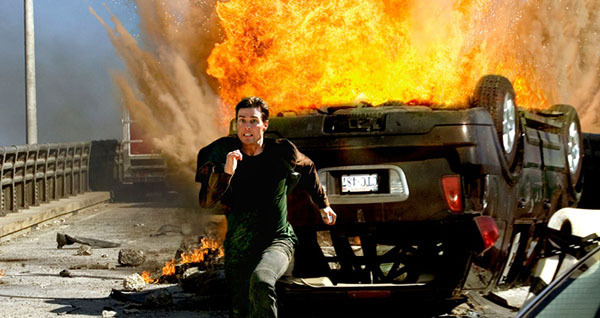
Movies love a miracle. A hero gets thrown through a window, wakes up after a dramatic nap, spits out one witty line, and sprints off to save the day with hair that somehow still deserves its own trailer. Real trauma medicine is a lot less cinematic. In real life, the injuries that look “survivable” on screen are often medical emergencies with outcomes measured not in applause, but in minutes, surgeries, rehabilitation plans, and months of recovery.
This updated look at deadly injuries you only survive in the movies is not here to ruin film night. It is here to separate Hollywood myth from medical reality. Trauma doctors, neurologists, burn specialists, and rehabilitation teams all agree on one big point: severe injuries rarely come with a fast reset button. They come with complicated physiology, hidden damage, and a recovery process that is anything but tidy.
So let’s talk about six of the biggest movie myths, why they are so misleading, and what these injuries really mean outside a screenplay.
1. Severe Head Trauma and the “Just Shake It Off” Myth
If movies had their way, being knocked unconscious would be the same as taking a power nap in a noisy room. A character gets hit, blacks out, wakes up later, rubs the back of the head, and continues the plot like nothing happened except mild inconvenience and maybe better cheekbones.
What movies get wrong
A serious head injury is not a harmless pause button. Traumatic brain injury, or TBI, can affect consciousness, memory, balance, speech, behavior, and breathing. Even a concussion is a brain injury. Once a head injury becomes moderate or severe, the stakes rise quickly. The danger is not just the initial impact. It is also swelling, internal bleeding, reduced oxygen, and delayed complications that can worsen over time.
What real life looks like
Someone with severe head trauma may have confusion, repeated vomiting, worsening headache, slurred speech, loss of coordination, unequal pupils, seizures, or loss of consciousness. That is not the kind of thing you “walk off.” It is the kind of thing that sends emergency clinicians into rapid assessment mode. A person may need imaging, airway support, monitoring in a hospital, and sometimes surgery.
The biggest lie in action movies is not that people get hit in the head. It is that they wake up normal. Real brain injuries can change how a person thinks, sleeps, moves, and functions long after the dramatic music fades.
2. Massive Blood Loss and the “Tough Guys Don’t Need a Hospital” Myth
Hollywood has a funny relationship with blood loss. Either a character loses what appears to be half the body’s blood supply and keeps fighting, or the injury is covered with a conveniently dramatic hand while the person continues giving an inspirational speech. In reality, severe bleeding is a clock, not a mood.
What movies get wrong
They often act as though blood loss is obvious, linear, and somehow negotiable. But major bleeding can be external or internal. Internal bleeding is especially dangerous because it may not announce itself with bright visual clues. A person can look relatively stable at first and still be in serious trouble.
What real life looks like
When the body loses too much blood, shock can develop. That means organs are not getting enough blood flow and oxygen. Warning signs can include pale or clammy skin, weakness, dizziness, confusion, shortness of breath, rapid pulse, falling blood pressure, and declining alertness. That is why trauma teams worry not only about the wound you can see, but also the damage you cannot.
Movies treat blood loss like a pain tolerance contest. Medicine treats it like an emergency. Because it is one. A person with severe bleeding may need immediate pressure on the wound, emergency transport, imaging, blood transfusion, surgery, or all of the above. There is no bonus scene where grit alone fixes circulation.
3. Chest Trauma and the “Catch Your Breath and Keep Going” Myth
Action films love chest hits. The hero gets slammed into a wall, hit by debris, stabbed near the shoulder, or thrown across a car hood, then spends five seconds looking annoyed before resuming full cardio. Real chests are not made of dramatic foam padding. They contain lungs, major vessels, ribs, and the machinery that keeps oxygen moving.
What movies get wrong
A serious chest injury can lead to a collapsed lung, bruising of the lung tissue, bleeding around the lungs, or other internal injuries that interfere with breathing. You do not simply take one deep breath, crack a joke, and go back to chasing villains across rooftops.
What real life looks like
A collapsed lung, called a pneumothorax, can happen after trauma and may cause chest pain, shortness of breath, and visible breathing distress. Some chest injuries look modest from the outside but are far more serious inside the chest cavity. That is one reason trauma care is so focused on oxygenation, breath sounds, chest imaging, and rapid reassessment.
In plain English, if breathing is compromised, everything else starts falling apart. Oxygen is not a luxury upgrade. It is the whole subscription plan. Chest trauma is one of the clearest examples of how movies confuse motion with survival. Just because a character is still standing does not mean that character is okay.
4. Spinal Cord Injury and the “Stand Up in the Final Scene” Myth
There may be no movie trope more shamelessly optimistic than the dramatic spinal injury that disappears by the third act. A person is told they may never walk again, we get one emotional montage, and suddenly they are upright in time for the wedding, final battle, or baseball game.
What movies get wrong
Spinal cord injuries are not simple back sprains with better lighting. Damage to the spinal cord can disrupt the messages traveling between the brain and body. Depending on the location and severity, this can lead to weakness, numbness, loss of sensation, bowel or bladder dysfunction, or paralysis.
What real life looks like
When clinicians suspect a spinal injury, they worry about preventing further damage while assessing neurologic function. Recovery may involve intensive hospital care, physical therapy, occupational therapy, assistive devices, long-term rehabilitation, and major life adjustments. Some people regain important function. Others live with permanent deficits. Either way, the process is measured in hard work, not soundtrack swelling.
This is not to erase hope. Modern rehabilitation can be extraordinary. But hope in real medicine looks like painstaking progress, specialized therapy, and adapting to a new reality. It does not usually look like someone leaping off a gurney because love believed hard enough.
5. Severe Burns and Smoke Inhalation and the “Wrap It Up and Move On” Myth
Movies have two favorite burn scenes: the character who walks out of a blast with a conveniently artistic smudge on one cheek, and the character who suffers a major burn but is back in action after one tasteful bandage change. Real burn care specialists would like a word. Several words, actually. Many of them would be strongly phrased.
What movies get wrong
Burn severity is not determined by whether a person still looks photogenic. It depends on depth, body surface area, location, age, associated injuries, and whether smoke or hot gases damaged the airway and lungs. A burn can be life-threatening not only because of skin damage, but also because of fluid loss, infection risk, breathing problems, and shock.
What real life looks like
Serious burns may require specialized burn-center care, wound management, surgery, skin grafting, infection prevention, pain control, nutritional support, and long rehabilitation. Smoke inhalation can make the injury even more dangerous because breathing can be affected before the outside damage tells the full story.
Burn recovery is not a tidy montage. It can last weeks, months, or longer, and often includes physical therapy and emotional support as well as medical treatment. The real miracle is not instant recovery. It is the skill of burn teams and the resilience of patients who get through a long, demanding process.
6. Sudden Cardiac Arrest and the “Paddles Fix Everything” Myth
Ah yes, the movie defibrillator: the magical box that cures every collapse, every dramatic faint, every plot inconvenience, and apparently sometimes bad writing. A character drops to the floor, someone yells “Clear!” and the electricity restores life, romance, and usually the B-plot too.
What movies get wrong
Defibrillation is not a universal reboot button. An automated external defibrillator, or AED, is used in specific situations during sudden cardiac arrest. It does not exist to wake up anyone who is unconscious for any reason. It is not a theatrical accessory. It is part of emergency care when the heart has stopped pumping effectively.
What real life looks like
In a true cardiac arrest, a person is unresponsive and not breathing normally. Immediate CPR is critical, and an AED should be used as soon as one is available. The device analyzes the heart rhythm and tells responders whether a shock is appropriate. That is very different from the movie version, where electricity seems to work like a highly motivational espresso shot.
Why does this matter in an article about deadly movie injuries? Because severe trauma can lead to cardiac arrest, and movies often confuse collapse, fainting, injury, and death into one sloppy scene. Real emergencies require the right response for the right problem. That is why trained emergency teams exist, and why Hollywood should maybe spend a weekend with paramedics before writing hospital scenes.
Why These Myths Stick Around
Because realism is inconvenient. A medically accurate action movie would involve a lot more waiting for imaging, a lot more people saying “do not move your neck,” and a lot fewer rooftop chases after blunt-force trauma. Recovery is slow. Complications are common. Pain is not poetic. Fatigue is not cinematic. And the body, rude as ever, refuses to obey screenplay timing.
Still, these myths matter. They shape what people think survival looks like. They can make dangerous injuries seem minor, make rehabilitation seem quick, and turn real medical emergencies into entertainment shorthand. The truth is more serious but also more human: surviving a major injury is usually not about shrugging off damage. It is about getting fast care, receiving expert treatment, and enduring a long, uneven recovery.
What Survival Actually Means Outside the Movies
In the movies, survival means the character opens their eyes before the credits roll. In real life, survival means far more than that. It may mean making it through surgery. It may mean avoiding infection. It may mean breathing without support, relearning how to walk, tolerating physical therapy, managing pain, sleeping through the night, or returning to work months later with a completely different sense of self.
That is the hidden truth behind every supposedly “survivable” movie injury: the first victory is staying alive. The next victories are smaller, slower, and often harder. Trauma medicine is full of remarkable outcomes, but those outcomes are built on rapid response, specialized care, rehabilitation, and persistence. Not plot armor. Never plot armor.
Experiences Beyond the Big Screen: What Recovery Often Feels Like
One reason movie myths are so misleading is that they skip the lived experience of recovery. Real survivors often describe the early days after major trauma as disorienting rather than heroic. There may be gaps in memory, heavy fatigue, trouble focusing, fear about what comes next, and the strange feeling that everyone else wants the person to be “better” long before the body or mind is ready. A head injury, for example, may leave someone overstimulated by noise, light, or conversation. A chest injury can make each breath feel like work. A serious burn can turn ordinary movements into exhausting tasks. A spinal cord injury can transform everyday routines into major logistical events.
Then comes rehabilitation, which is rarely glamorous but often becomes the real center of the story. Physical therapy is not a cinematic montage of one triumphant step and a hug. It is repetition. It is practicing transfers, balance, grip, endurance, posture, and movement patterns over and over again. Occupational therapy may focus on basic tasks that films skip entirely: getting dressed, using a bathroom safely, preparing food, navigating a room, or learning adaptive tools. Recovery can be deeply physical, but it is also administrative, emotional, social, and unbelievably time-consuming. Healing, in many cases, becomes a full-time job.
There is also the mental side, which popular culture regularly underestimates. After major trauma, some people deal with anxiety, nightmares, irritability, hypervigilance, poor sleep, or intrusive memories. Others feel frustrated by dependence, embarrassed by limitations, or disconnected from the version of themselves they used to know. Even when progress is good, recovery can be emotionally uneven. A person may feel grateful and angry on the same day. They may look stable from the outside and still feel overwhelmed internally. That does not mean they are failing. It means trauma affects more than bones, skin, lungs, or nerves.
Family and friends go through their own adjustment too. In movies, loved ones appear mainly to deliver emotional dialogue and bring coffee. In real life, they often become part of care planning, transportation, medication routines, therapy support, and long-term adaptation. Relationships can strengthen, but they can also be stressed by uncertainty, financial pressure, caregiving demands, and changes in independence. Recovery is rarely a solo journey, even when the injured person feels isolated.
And yet, for all of that, real recovery is not only loss. Many survivors and clinicians talk about resilience in a way that is more grounded than any blockbuster speech. Progress may come in tiny milestones: sleeping better, standing longer, breathing easier, concentrating for an extra hour, returning to school, going back to work part-time, or simply feeling like a person instead of a patient again. Those moments do not look like movie magic. They look ordinary. That is exactly what makes them powerful.
So when a film shows someone surviving a supposedly impossible injury and immediately jumping back into action, it leaves out the hardest and most meaningful chapter. Not the impact. Not the explosion. Not the collapse. The chapter after. The chapter where medicine, therapy, patience, and stubborn human effort do the quiet work that cinema usually skips. And honestly, that chapter is the one worth respecting most.
Conclusion
6 Deadly Injuries You Only Survive in the Movies (Update) is really a story about how Hollywood compresses trauma into entertainment. Severe head injuries, massive blood loss, chest trauma, spinal cord injuries, serious burns, and cardiac arrest are not quick-detour plot devices. They are real medical emergencies that demand urgent care and often long recovery. The truth may be less flashy than the movies, but it is far more important: surviving a major injury usually depends on fast treatment, specialized teams, rehabilitation, and time.