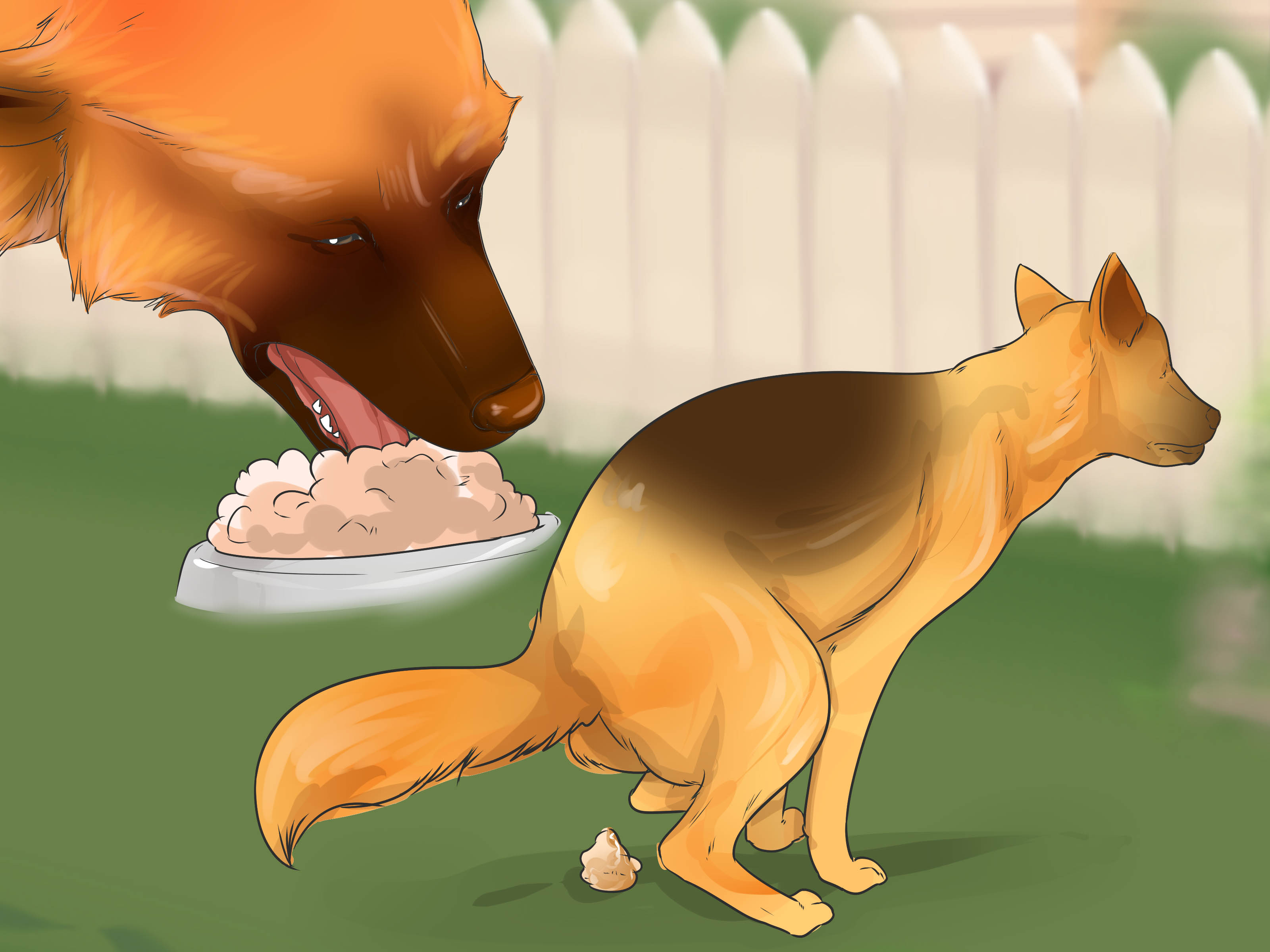
When a German Shepherd starts eating like a furry vacuum cleaner yet keeps losing weight, that is not a quirky personality trait. It is a medical red flag. One of the most important causes is pancreatic enzyme deficiency, more formally known as exocrine pancreatic insufficiency (EPI). In simple terms, the pancreas is not making enough digestive enzymes, so food goes in, but nutrition does not really clock in for work.
German Shepherds are one of the breeds most strongly linked to this condition, which is why owners and veterinarians tend to keep EPI high on the list when these dogs develop chronic loose stool, weight loss, a ravenous appetite, or a rough, dull coat. The good news is that diagnosing EPI is usually far more straightforward than diagnosing many other chronic digestive disorders. The even better news is that once the problem is correctly identified, many dogs improve dramatically with lifelong treatment.
This guide explains how veterinarians diagnose pancreatic enzyme deficiencies in German Shepherds, what signs matter most, which tests actually count, and why guessing from symptoms alone is never enough.
What Pancreatic Enzyme Deficiency Means in German Shepherds
In dogs, the exocrine pancreas produces enzymes that help digest fat, protein, and carbohydrates. When the pancreas stops making enough of those enzymes, digestion becomes incomplete. The dog may eat a full bowl of food and still fail to absorb the calories and nutrients inside it. That is why many affected dogs seem constantly hungry and still become lean, weak, and scruffy-looking.
In German Shepherds, the most common underlying cause is pancreatic acinar atrophy, a condition in which the enzyme-producing pancreatic cells gradually disappear. Think of it as the body slowly firing the entire digestive support staff. By the time obvious symptoms show up, a large amount of pancreatic function has often already been lost.
Not every digestive problem in a German Shepherd is EPI, of course. Parasites, inflammatory bowel disease, food-responsive enteropathy, chronic pancreatitis, infections, and even endocrine disorders can create similar symptoms. That is exactly why proper diagnosis matters.
Why German Shepherds Are a High-Risk Breed
German Shepherds have a well-known breed association with EPI, and that matters in the exam room. Breed risk never replaces testing, but it absolutely shapes clinical suspicion. If a young adult German Shepherd arrives with chronic diarrhea, weight loss despite a strong appetite, and large pale stools, most experienced veterinarians will already have EPI on the shortlist before the stethoscope has fully warmed up.
This breed connection is important for another reason: some dogs may have subclinical disease for a while before the classic signs become obvious. In other words, the pancreas can be failing quietly before the body starts waving red flags like a stage actor in a storm. That is why early attention to subtle changes in stool quality, body condition, and appetite can make a big difference.
The Classic Symptoms That Trigger Diagnostic Testing
Veterinarians do not diagnose EPI from symptoms alone, but symptoms are what tell them which tests to order. In German Shepherds, the most common warning signs include:
- Weight loss despite a normal or increased appetite
- Large-volume stool
- Pale, loose, greasy, or foul-smelling feces
- Chronic or recurring diarrhea
- Gas, bloating, or frequent bowel movements
- Poor coat quality
- Low muscle mass
- Occasional coprophagia, because apparently life was not already complicated enough
Some dogs also show intermittent vomiting, abdominal discomfort, or reduced stamina. Those signs can point to concurrent disease rather than EPI alone. That is a major clue because pancreatic enzyme deficiency sometimes shows up alongside intestinal dysbiosis, cobalamin deficiency, or chronic enteropathy.
Step-by-Step: How Vets Diagnose Pancreatic Enzyme Deficiencies
1. Medical History Comes First
The diagnostic process starts with a detailed history. Your veterinarian will ask about appetite, weight changes, stool appearance, feeding schedule, diet changes, scavenging habits, and how long the problem has been going on. In a German Shepherd, a history of eating eagerly while becoming thinner is especially important.
Owners should be ready to describe the stool honestly. “Kind of weird” is not as helpful as “pale, bulky, cow-patty-like, and bad enough to make the whole yard apologize.” Details matter.
2. Physical Examination Helps Build the Case
During the exam, the veterinarian will assess body condition, muscle mass, hydration, abdominal comfort, coat quality, and overall energy level. Dogs with EPI may look thin or poorly muscled even when they act hungry and bright. Some will have rough haircoats or obvious weight loss over the spine and hips.
The exam may also reveal clues that point elsewhere. Fever, marked abdominal pain, a palpable abdominal mass, or severe dehydration may push the workup toward pancreatitis, obstruction, or another systemic illness.
3. Basic Rule-Out Testing Usually Happens Early
Before or alongside pancreatic testing, many veterinarians run baseline diagnostics such as:
- Fecal testing for parasites like Giardia and worms
- Routine blood work
- Urinalysis
- Sometimes abdominal imaging
This step matters because chronic diarrhea and weight loss have a long list of possible causes. Parasites, dietary disease, liver problems, kidney disease, chronic enteropathy, and Addison’s disease can all confuse the picture. A good diagnosis is not just about proving one thing; it is about ruling out the impersonators.
4. The Key Test Is a Fasting Serum TLI
The gold-standard test for diagnosing EPI in dogs is the canine serum trypsin-like immunoreactivity test, usually called cTLI or simply TLI. This blood test measures trypsinogen-related material coming from the pancreas. Since trypsinogen is produced only by the pancreas, a very low level is strong evidence that the exocrine pancreas is not functioning properly.
This test must be performed on a fasting sample. That part is important. Food can temporarily affect results, and concurrent pancreatitis can sometimes muddy the waters. In practice, dogs are usually fasted for about 12 to 18 hours before the blood draw, depending on the laboratory’s instructions.
Current canine cutoffs commonly used through Texas A&M’s GI Lab are:
- 0 to 5.5 µg/L: diagnostic for EPI
- 5.6 to 7.5 µg/L: equivocal or subnormal; EPI cannot be excluded
- 7.6 to 10.8 µg/L: EPI is unlikely
- 10.9 to 50.0 µg/L: within the reference interval
If the TLI result lands in that annoying in-between zone, the veterinarian may recommend repeating the test in one to two months, especially if the dog’s symptoms strongly fit EPI. Some clinicians may also assess the response to enzyme therapy while continuing the workup.
5. Cobalamin and Folate Testing Adds Important Context
Dogs with EPI commonly have abnormalities in cobalamin (vitamin B12) and folate. Low cobalamin is especially important because it can worsen appetite, digestion, energy, and intestinal health. Elevated folate can suggest intestinal bacterial overgrowth or dysbiosis. This pattern does not diagnose EPI by itself, but it supports the clinical picture and helps guide treatment.
In real-world medicine, this step is valuable because it explains why some dogs do not fully improve with enzymes alone. If the dog is also low in B12, that deficiency often needs to be treated directly.
6. Imaging Can Help, but It Does Not Confirm EPI
Ultrasound or radiographs may be recommended when the case is messy, severe, or not responding as expected. Imaging is useful for checking for masses, foreign bodies, chronic intestinal disease, pancreatitis, or other abdominal abnormalities.
What imaging does not do well is diagnose pancreatic enzyme deficiency on its own. A normal-looking ultrasound does not rule out EPI, and an invisible pancreas on ultrasound is not a reliable shortcut to diagnosis. TLI still carries the heavyweight belt here.
Which Tests Are Less Reliable?
Older or indirect tests exist, but they are not preferred. Fecal analysis may show fat, starch, or undigested material, but those findings are nonspecific. Fecal elastase testing has been validated in dogs, yet it is considered less reliable than serum TLI because some healthy dogs or dogs with intestinal disease can also have low values.
That is why a veterinarian who knows the breed and the disease will usually reach for a fasting TLI rather than trying to decode the mystery through stool appearance alone. The stool may be dramatic, but the blood test gets the final vote.
Conditions That Can Look Like EPI in a German Shepherd
A smart diagnostic plan always considers the look-alikes. Common differentials include:
- Intestinal parasites
- Chronic enteropathy or inflammatory bowel disease
- Food-responsive enteropathy
- Chronic pancreatitis
- Small intestinal dysbiosis
- Addison’s disease
- Liver or kidney disease
- Less commonly, intestinal cancer or obstruction
This is one reason self-diagnosis can go sideways fast. A German Shepherd with weight loss and diarrhea may indeed have EPI, but there are other conditions that deserve attention and can sometimes occur at the same time.
What Happens After Diagnosis?
Once EPI is confirmed, treatment usually begins right away. Most dogs need pancreatic enzyme replacement with every meal, often in powdered form mixed into the food. Many veterinarians also recommend a highly digestible, low-residue diet and cobalamin supplementation when blood work shows deficiency or even low-normal levels.
Owners are often told to monitor several simple markers at home:
- Body weight
- Appetite
- Stool volume and consistency
- Energy level
- Coat quality
Some dogs improve quickly, while others need dose adjustments, diet changes, B12 support, or evaluation for concurrent intestinal disease. In other words, diagnosis is the start of the fix, not the end of the story.
When to Call the Vet Sooner Rather Than Later
If your German Shepherd has ongoing diarrhea, pale bulky stools, rapid weight loss, weakness, vomiting, dehydration, or seems hungry all the time without maintaining condition, it is time for a veterinary visit. Do not wait until your dog looks dramatically underweight. Earlier testing can shorten the miserable guessing game and get treatment started sooner.
And yes, taking photos of the stool for the veterinarian may feel like an unexpected twist in your life story. It can still be surprisingly useful.
Owner and Vet Experiences: What This Diagnosis Often Looks Like in Real Life
In real-life cases, the experience of diagnosing pancreatic enzyme deficiencies in German Shepherds often begins with confusion rather than panic. Many owners first notice something small. The dog seems hungrier than usual. The stool looks softer. The coat loses some shine. A little weight disappears over the ribs. At first, it is easy to blame a new food, too many treats, stress, or an especially athletic week. German Shepherds are active dogs, so gradual weight loss can be easy to miss until the topline starts looking bony and the hips become more obvious.
One of the most common owner experiences is frustration from trying several “simple fixes” before the real answer appears. People switch kibble, add probiotics, cut out treats, try bland diets, and deworm again just in case. Sometimes the dog improves for a few days, which makes the picture even more confusing. Then the loose, bulky stool comes back, the appetite ramps up again, and the dog still acts like a teenager standing in front of an open refrigerator.
Veterinarians often describe the moment of suspicion as a pattern-recognition event. A young or middle-aged German Shepherd walks in thin, bright-eyed, and ravenous, with a history of chronic pale stool and weight loss despite eating well. That combination tends to make experienced clinicians think about EPI early. The breed matters. The history matters. The body condition matters. It is often one of those cases where the story practically points at the pancreas before the blood is even drawn.
For owners, the most emotional part is usually hearing that the dog has likely not been absorbing nutrition properly for a while. Many feel guilty, even though they did not cause the condition. In truth, most were doing exactly what caring owners do: feeding regularly, watching closely, and asking for help when things no longer made sense. EPI is not a sign that someone failed their dog. It is a sign that the dog needs a correct diagnosis and lifelong support.
Another common experience is relief after the TLI test confirms the problem. Chronic digestive disease can feel vague and endless, but EPI offers something priceless: a concrete answer. Once treatment starts, owners often report that the stool firms up, the dog seems more comfortable, and weight begins to return. The transformation can be dramatic. Dogs that looked tired and undernourished may become stronger, shinier, and far more settled around mealtimes.
That said, real cases are not always perfectly tidy. Some German Shepherds need enzyme dose adjustments. Some also need cobalamin supplementation. Others have concurrent intestinal problems that require extra diet changes or follow-up testing. Experienced owners often say the same thing: success comes from tracking details. Body weight, stool quality, meal routine, and energy level tell the story better than memory alone.
The biggest practical lesson from these experiences is simple. If a German Shepherd is losing weight while eating well, producing chronic large-volume stool, or looking generally “not right” in the digestive department, do not just keep changing food and hoping for the best. Ask for the pancreatic workup. A fasting TLI test can save time, money, stress, and a whole lot of backyard detective work nobody asked for.
Final Thoughts
Diagnosing pancreatic enzyme deficiencies in German Shepherds is usually a combination of breed awareness, smart history-taking, targeted rule-outs, and one essential lab test: fasting serum TLI. Add cobalamin and folate testing, use imaging when needed, and the puzzle becomes much clearer. The condition can look dramatic, but it is also one of those canine disorders where the right diagnosis can completely change the dog’s quality of life.
If your German Shepherd has the classic signs, do not settle for guessing. Ask your veterinarian whether EPI should be ruled out. When it comes to chronic digestive problems, the pancreas deserves its day in court.