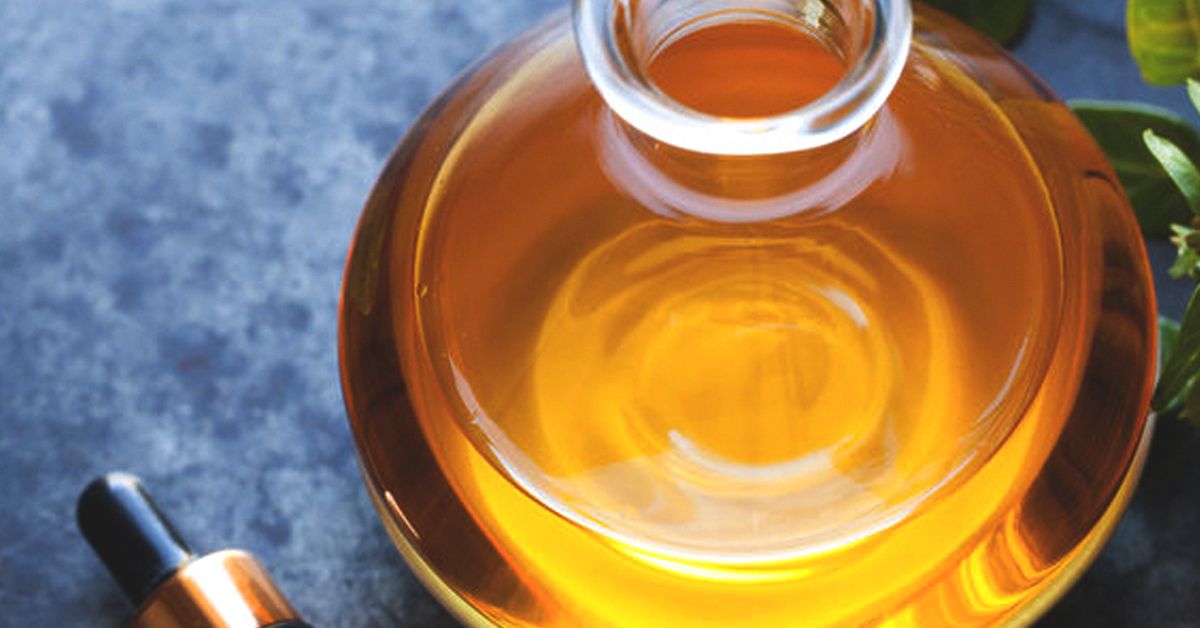
Argan oil has been called “liquid gold” for so long that it probably deserves its own tiny crown. It shows up in shampoos, serums, masks, and enough “miracle” hair products to fill a small beauty aisle and possibly a medium-sized castle. But when it comes to argan oil for hair growth, the real question is not whether it looks glamorous in a glass bottle. The question is whether it actually helps your hair grow, or whether it is mostly giving your strands a nice, glossy pep talk.
The honest answer sits somewhere in the middle. Argan oil is not a magic beanstalk for your scalp. It does not have strong clinical evidence proving that it can single-handedly restart hair growth in the way prescription or over-the-counter hair-loss treatments aim to do. What it can do, however, is support a healthier environment for hair by moisturizing the hair shaft, reducing friction, improving softness and shine, and helping minimize breakage. And if your “hair growth problem” is really a “my hair keeps snapping off before I can enjoy any length” problem, that distinction matters a lot.
In other words, argan oil may not turn your bathroom into a follicle laboratory, but it can absolutely help hair look fuller, feel better, and survive the daily chaos of hot tools, rough brushing, color treatments, and weather that seems personally offended by your blowout.
What Is Argan Oil, Exactly?
Argan oil comes from the kernels of the argan tree, which is native to Morocco. In cosmetic formulas, it is prized for its lightweight feel and rich mix of beneficial compounds. These include fatty acids, especially oleic and linoleic acids, along with vitamin E, polyphenols, and other antioxidant components. That ingredient list is the reason argan oil has become such a staple in hair serums and smoothing oils.
From a hair-care perspective, the chemistry is more exciting than it sounds. Fatty acids help coat and soften the hair shaft, while antioxidants can help defend against some forms of environmental and oxidative stress. Put simply, argan oil behaves less like a fertilizer and more like a bodyguard in a silk robe: protective, smoothing, and a little fancy.
Can Argan Oil Actually Help Hair Grow?
This is where marketing and reality like to arm-wrestle. If by “hair growth” you mean stimulating new hair from the follicle, the evidence for argan oil is still limited. There are lab and early research findings suggesting argan-derived compounds may support cell activity and help reduce oxidative stress and inflammation in hair-related cells. That is promising, but it is not the same as strong human clinical proof that applying plain argan oil to your scalp will regrow thinning hair in a predictable, measurable way.
If by “hair growth” you mean helping hair retain length, argan oil makes a much stronger case. Dry, damaged hair tends to fray, snap, and split. That creates the frustrating illusion that hair is “not growing,” when in reality it is growing from the scalp but breaking off at the ends. Argan oil can help reduce that cycle by conditioning hair, smoothing the cuticle, lowering frizz, and giving stressed strands a more flexible, protected surface.
So the practical answer is this: argan oil may support longer-looking hair over time mostly by reducing breakage, not by acting like a miracle scalp stimulant.
Why Argan Oil Is So Popular in Hair Care
1. It helps moisturize dry hair without feeling too heavy
One reason people love argan oil is that it does not usually sit on the hair like a greasy raincoat. Compared with heavier oils, it often feels lighter and more manageable. A few drops can soften rough ends, tame fluff, and add shine without making the hair look like it lost a fight with a fryer.
2. It may protect against hair damage
Hair damage is one of the biggest reasons length goals go sideways. Bleach, dyes, heat styling, sun exposure, overwashing, rough towel-drying, and tight hairstyles all chip away at the cuticle. Some research suggests argan oil can help protect hair fibers against oxidative damage and protein loss. That matters because protein loss weakens the hair shaft and increases breakage.
3. It smooths frizz and boosts shine
Frizz is often a sign that the hair cuticle is lifted or uneven. Argan oil helps smooth the hair surface, which can improve shine and make hair feel softer. No, it will not negotiate peace with humidity forever, but it can make your hair far less dramatic.
4. It can improve the look of split ends
Let us clear up a beauty myth while we are here: argan oil does not literally mend split ends back together like tiny hair glue. Once an end is split, trimming is still the real fix. What argan oil can do is temporarily smooth and seal the look of damaged ends so they appear healthier and less frayed.
5. It may support scalp comfort in some people
Because argan oil contains soothing and antioxidant compounds, some people with a dry, tight-feeling scalp find that it helps with comfort. But this is not universal. On oilier scalps or scalps prone to buildup and dandruff, overdoing oils can backfire. More on that in a minute, because your scalp deserves nuance, not a trend challenge.
Argan Oil Benefits for Hair Growth Support
When people search for benefits of argan oil for hair growth, they are usually hoping for stronger roots, faster growth, less shedding, and more visible thickness. Here is where argan oil may realistically help:
- Less breakage: Softer, conditioned hair is less likely to snap during styling and detangling.
- Better hair texture: Smoother strands tangle less, which means less mechanical damage.
- Heat-styling support: Argan oil can form a protective layer that helps reduce some styling-related stress.
- Improved appearance: Shinier, more supple hair often looks thicker and healthier.
- Dry-scalp relief: In certain hair types, careful use can make the scalp feel less dry or tight.
That combination can be useful for people growing out hair after a bad haircut, postpartum shedding recovery, seasonal dryness, or chronic heat damage. Still, it is important not to confuse supportive cosmetic care with evidence-based treatment for medical hair loss.
What the Research Says About Efficacy
The efficacy of argan oil for hair growth is best described as supportive but not definitive. Research supports several things reasonably well: argan oil contains beneficial lipids and antioxidants, can help condition hair, and may reduce oxidative damage to the hair fiber. These are meaningful benefits, especially for damaged or color-treated hair.
What research does not firmly establish is that topical argan oil alone is a proven hair-growth treatment for conditions such as androgenetic alopecia, alopecia areata, traction alopecia, or shedding caused by hormones, illness, medication, or nutritional deficiencies. Those conditions have different causes, and many require medical evaluation or targeted treatment.
That means argan oil works best when framed honestly. It is a strong hair care helper, not a standalone cure for all thinning problems. And frankly, hair products would get in a lot less trouble if they used that sentence more often.
How to Use Argan Oil for Hair
As a leave-in on damp hair
Rub 1 to 3 drops between your palms and smooth it through the mid-lengths and ends of damp hair. This is one of the easiest ways to reduce frizz and boost softness. Fine hair usually needs less; thick, curly, coarse, or highly porous hair can often handle more.
As a finishing oil on dry hair
Use a drop or two on dry ends to tame flyaways and add shine. Start tiny. You can always add more. It is much harder to explain to your hair why it suddenly looks like it joined a motorcycle club.
As a pre-shampoo treatment
Apply a small amount to dry hair 20 to 30 minutes before washing, focusing on the lengths and ends. This can be especially helpful for brittle, bleached, or overprocessed hair.
As part of a mask
Mix a few drops into a conditioner or hair mask for an extra-conditioning step. This works well for hair that feels crispy, frazzled, or generally offended by winter.
On the scalp, with caution
If your scalp is dry and not very oily, a small amount massaged gently into the scalp may feel soothing. But if you are prone to dandruff, seborrheic dermatitis, heavy buildup, or greasy roots, go carefully. Too much oil can worsen irritation or leave the scalp feeling clogged.
How Often Should You Use It?
Frequency depends on your hair type.
- Fine or oily hair: 1 to 2 times a week, mainly on the ends.
- Medium hair: 2 to 3 times a week as a leave-in or finisher.
- Dry, curly, coily, or textured hair: several times a week, depending on how thirsty your hair is.
- Damaged or color-treated hair: regular light use can help improve manageability and reduce breakage.
The keyword here is light. More oil is not automatically better. Hair has a limit, and past that limit you move from “healthy glow” to “accidentally basted.”
Who May Benefit Most from Argan Oil?
Argan oil tends to be especially useful for:
- Dry or brittle hair
- Frizzy hair
- Color-treated or heat-damaged hair
- Curly, coily, or textured hair that needs softness and slip
- People trying to retain length by preventing breakage
It may be less ideal for people with very fine, limp hair unless used sparingly. It also may not be the best scalp treatment for those who are already oily or prone to scalp flaking and buildup.
What to Look for in a Good Argan Oil Product
Choose pure argan oil when possible
Look for products labeled 100% argan oil or formulas where argan oil is high on the ingredient list. Dark glass packaging is a plus because it helps protect oils from light exposure.
Avoid unnecessary fragrance if you are sensitive
Added fragrance is a common reason “natural” products end up annoying the scalp or skin. If you are using argan oil near the scalp or around sensitive skin, simpler is better.
Know whether you want pure oil or a blend
Some hair serums combine argan oil with silicones or other conditioning ingredients. Those blends can work very well cosmetically, but they are different from plain argan oil. Neither option is automatically better; it depends on whether you want a more natural oil or a shinier, more smoothing salon-style finish.
Common Mistakes to Avoid
- Using way too much product at once
- Applying it only to the roots when your real damage is on the ends
- Expecting it to treat hereditary or medical hair loss by itself
- Using hot-oil treatments on fragile hair
- Skipping patch testing if you have sensitive skin
Patch testing matters. Even gentle oils can irritate some people, especially if the product includes fragrance or other additives.
When Argan Oil Is Not Enough
If you have sudden shedding, patchy bald spots, scalp pain, significant itching, redness, or noticeable thinning at the crown or hairline, argan oil should not be your entire game plan. Hair loss can be related to genetics, hormones, thyroid disease, nutritional issues, stress, autoimmune conditions, medications, or scalp disorders. In those situations, getting the cause identified matters more than buying a prettier bottle.
Think of argan oil as excellent supportive care. It can improve your hair routine and protect vulnerable strands. But if the follicle itself is the issue, you may need a dermatologist and a targeted treatment plan, not just a smoother ponytail.
Real-World Experiences With Argan Oil for Hair Growth
In real life, people who use argan oil consistently usually describe the results in practical terms rather than dramatic ones. They do not wake up after three uses with waist-length hair and a movie-contract blowout. What they often notice instead is that their hair feels softer, tangles less easily, and looks shinier within days or weeks. Those changes may sound cosmetic, but they matter because softer, more manageable hair is less likely to break during combing, brushing, styling, and sleeping.
A common experience is this: someone starts using a small amount of argan oil after showering, especially on the mid-lengths and ends, and suddenly their hairbrush holds fewer broken pieces. Their hair is still growing at the scalp at the same pace it always was, but now it is surviving long enough for them to notice actual length retention. For many users, that is the “aha” moment. The oil did not necessarily speed growth; it reduced the little daily losses that kept canceling it out.
People with curly and textured hair often report another benefit: improved slip. That means detangling gets easier, which means less ripping, fewer knots, and less accidental snap. When hair is naturally dry or fragile, this can make a huge difference over several months. It is the difference between a wash day that ends peacefully and one that feels like a negotiation with a haunted broom.
Color-treated users also tend to like argan oil because dyed or bleached hair can feel rough, hollow, or straw-like. In those cases, argan oil often helps hair feel more flexible and less crunchy. Again, that does not equal medical regrowth, but it does improve the odds that damaged hair can hold together while it grows out.
Not every experience is glowing, though. Some people with very fine hair say argan oil weighs their strands down or makes them look greasy if they use more than a drop or two. Others with oily scalps report that applying oil directly to the roots makes their scalp feel worse, not better. That does not mean argan oil is “bad”; it means hair type matters. The same product that makes one person’s curls look defined and glossy can make another person’s fine hair look like it missed an appointment with shampoo.
There is also a common pattern among people hoping to use argan oil for active hair loss. Some start using it during postpartum shedding, stress-related shedding, or early pattern thinning and feel disappointed because they do not see major regrowth. That reaction is understandable. The product category often gets marketed with language that blurs the line between hair health and hair-loss treatment. In practice, users who are happiest with argan oil are usually the ones who see it as a strengthening, smoothing, breakage-reducing tool rather than a one-bottle cure.
The best real-world results tend to come from realistic expectations and consistent use. A few drops, used regularly, can make hair look healthier, feel less dry, and hold onto length more effectively. That may not sound flashy, but in the world of hair care, quiet competence is often far more useful than miracle claims wearing glitter.
Final Verdict
Argan oil deserves its reputation as a high-performing hair oil, but for the right reasons. It is excellent for hydration, shine, frizz control, softness, and breakage prevention. That makes it genuinely helpful for people trying to grow their hair longer by protecting the strands they already have. Its benefits are especially noticeable for dry, damaged, color-treated, or textured hair.
As for true follicle-level regrowth, the science is still limited. Argan oil is better understood as a supportive hair-care ingredient than a proven stand-alone treatment for medical hair loss. Use it for healthier-looking, more resilient hair. Just do not expect it to personally out-argue genetics, hormones, scalp disease, or a flat iron set to “surface of the sun.”